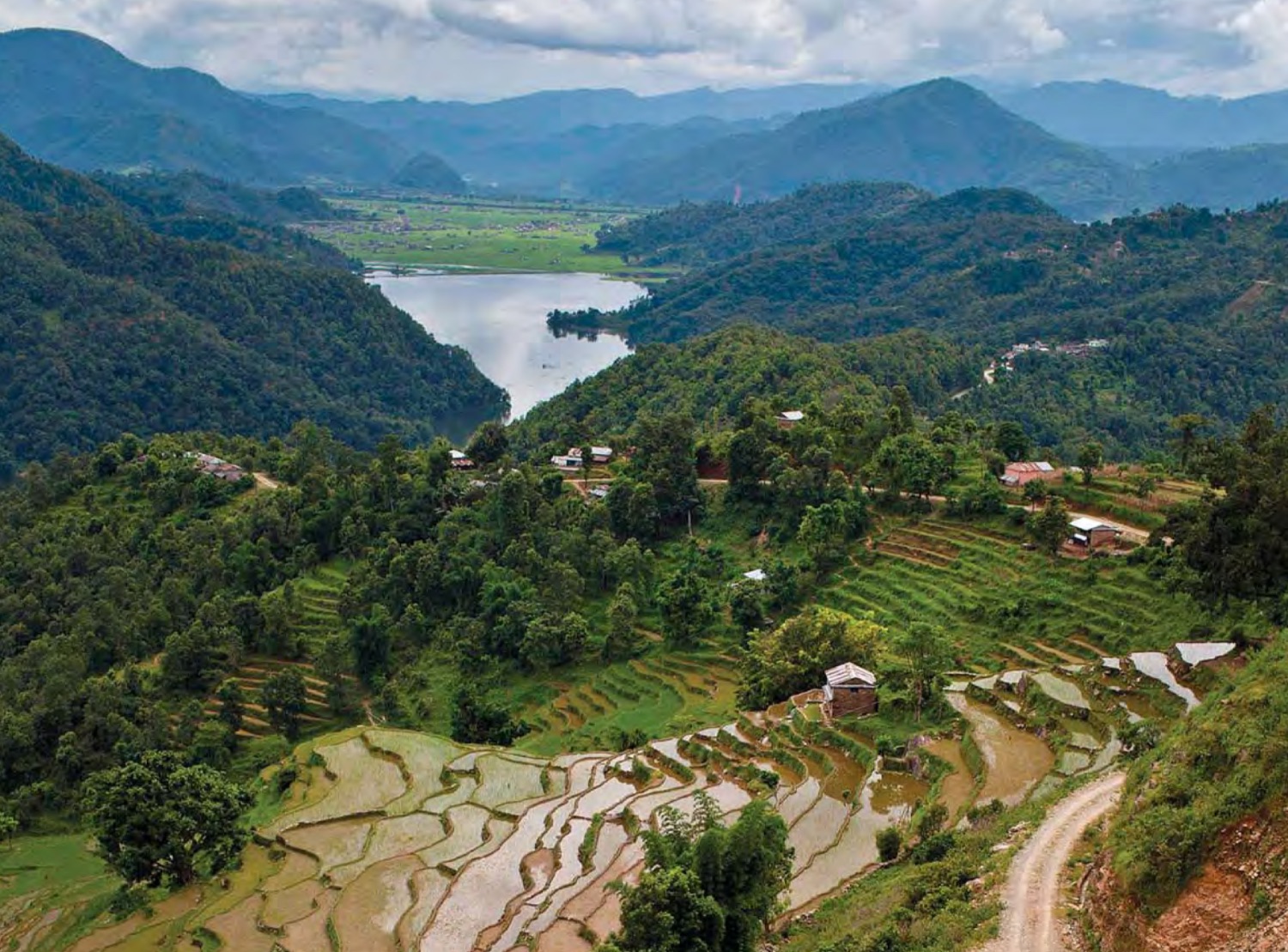
This year’s World Environment Day theme ‘Ecosystem Restoration’ highlights the importance of protecting and reviving the natural habitats of living beings to restore our ecosystems.
This year, 5 June also marks the formal start of the UN Decade for Ecosystem Restoration which aims to prevent, halt and reverse the degradation of nature on every continent and every ocean. Ecosystem restoration is important to combat climate change, end poverty and prevent mass extinction of species.
Food, climate regulation, soil conservation, landscape conservation are some of the 24 categories of ecosystem services that play a vital role in global and national economies which have been identified by the Millennium Ecosystem Assessment (MEA).
Some of the main benefits of the 118 ecosystems categorised in Nepal include maintaining air quality from forest ecosystems, climate regulation through absorption of greenhouse gases, recharging groundwater, assisting in agroforestry by heling natural pollination, biodiversity protection, providing food, firewood, biomass and medicinal herbs for local communities.
Ecosystems also play a significant role in cultural services such as recreation and religious pilgrimage, and eco-tourism in Nepal. Such services provide livelihood and an increase in quality of life for millions of Nepalis.
Nepal is part of the ratified Paris Agreement and has submitted its second Nationally Determined Contribution (NDC) that aims to keep the global temperature to limit the global temperature to 1.5°C above industrial-era and zero greenhouse emission by 2050. Nepal has also signed the Kyoto Protocol, Sustainable Development Goals (SDG), the Convention on Biological Diversity (CBD).
Climate change exacerbates all the other problems that Nepalis face with their natural-resource based livelihoods, agriculture-based economy and poverty, illiteracy and social exclusion. Despite having negligible contribution to the global greenhouse emission, Nepal is the fourth most vulnerable country to climate change.

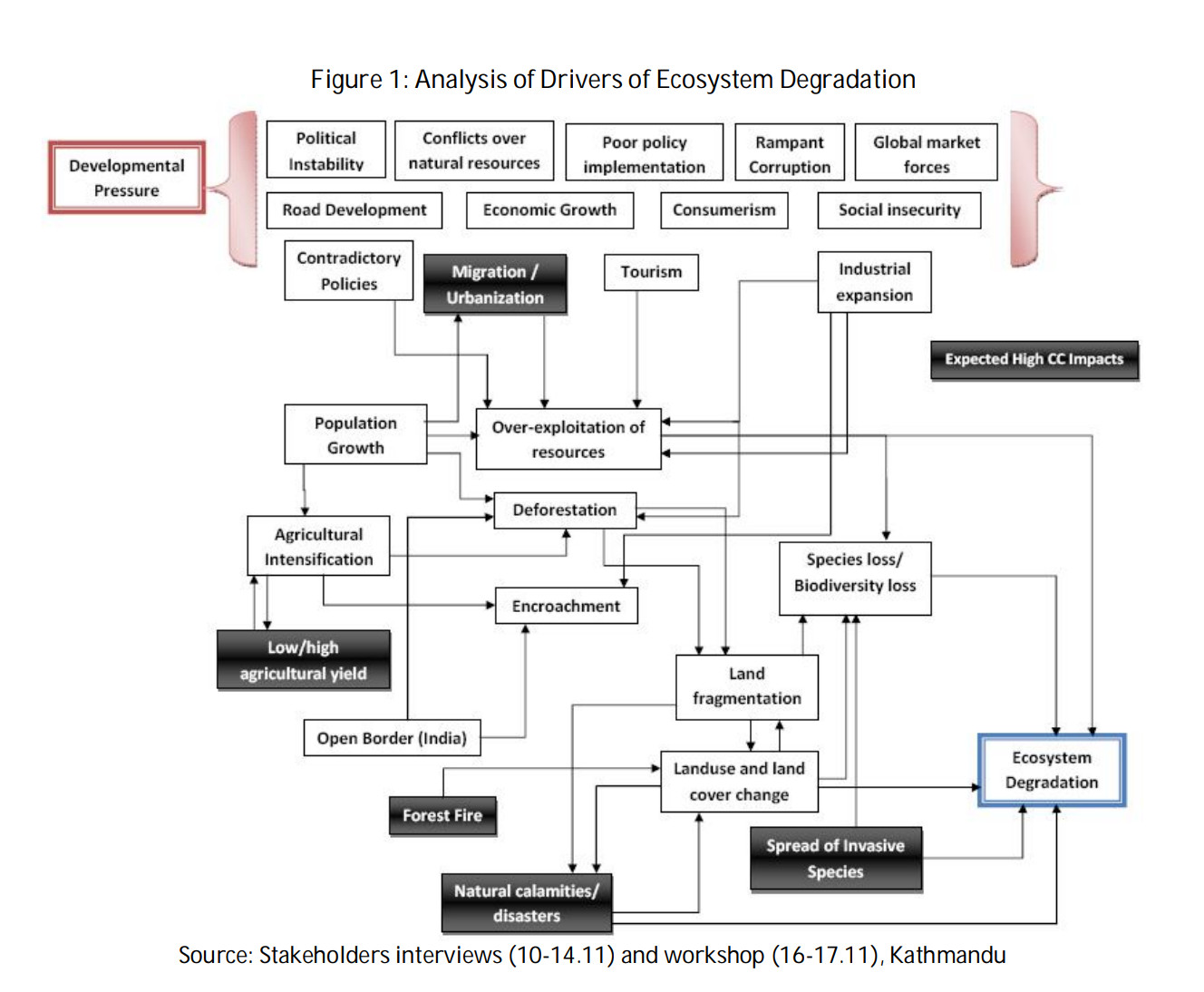
Overexploitation, illegal and unsustainable harvesting practices, encroachment, unplanned infrastructure development are some causes leading to the loss and degradation of forests. The Chure Hills are already over-exploited, resulting in increasing water scarcity in Tarai.
On top of all this, the climate crisis has complicated ecosystem management. An increase in temperature and precipitation patterns means vegetation and the species range are moving to higher altitudes.
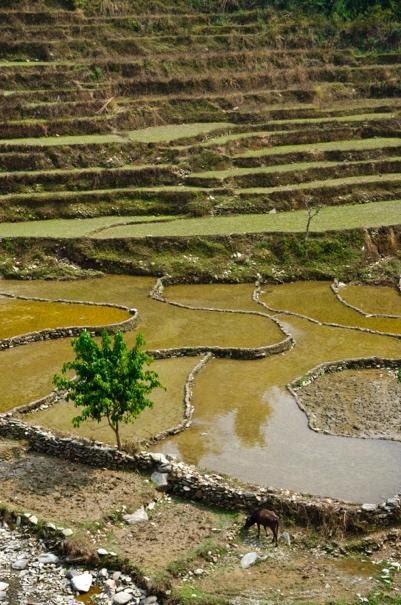
There are ways to address this. Terrace farming, plantations, controlled grazing, improved forest management practices, adoption of bio-gas, and the ban on hunting and fishing in protected areas.
“Nepal has established an impressive system of conservation of biodiversity, focusing on species, ecosystems, habitats, and biomes over four decades,” says Pem Kandel, Secretary at the Ministry of Forests and Environment (MoFE). “Local communities outside of the protected areas are also conserving the ecological integrity of Nepal’s ecosystems.”
Globally as well as locally, Ecosystem-based Adaptation (EbA) is the key to addressing the impact of the climate crisis by using biodiversity and ecosystem protection as a way to live with changes in climate and weather.