
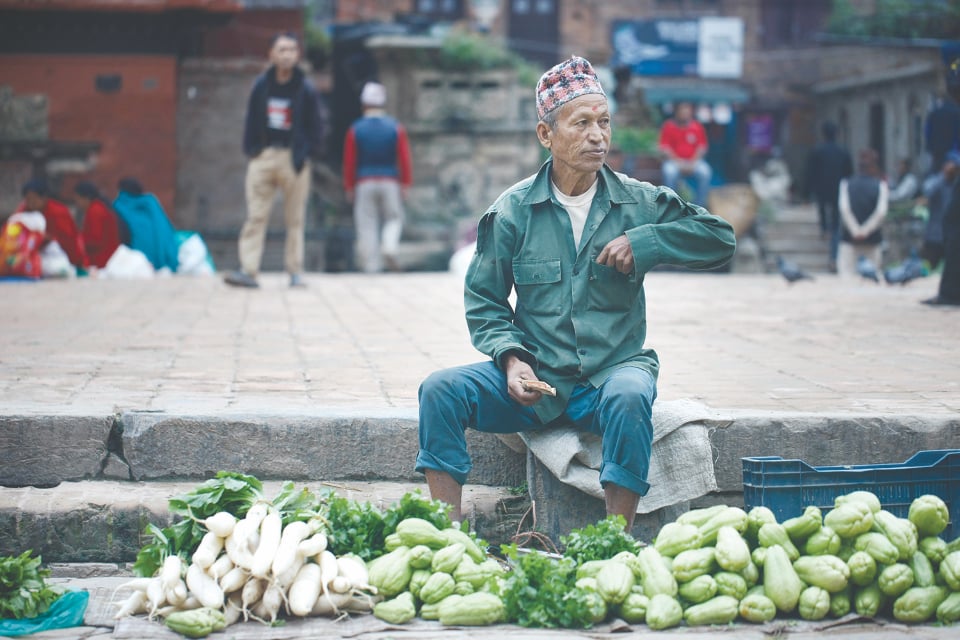
The European Union (EU) and South Asian countries have come together to devise strategies to cope with the impact of the Covid-19 pandemic, the Russian invasion of Ukraine and extreme weather conditions caused by the climate crisis on food availability. Disruption on global food supply chains can lead to hunger, malnutrition and obesity in communities around the world.
Alternatively, agriculture is energy intensive with a sizeable carbon footprint. Current food production, transport and processing methods are one of the largest contributors to global warming with 21-37% of greenhouse gas emissions attributed to food chains.
The EU-South Asia meeting ‘Farm to Fork’ in New Delhi included officials from five South Asian countries including Nepal, India, Bhutan, Sri Lanka and Bangladesh held dialogue with the EU on soil health and organic production, sustainable use of pesticides and antimicrobials, and food loss and waste.
“Promoting the shift towards healthy, sustainable diets has to be done through collaboration. The food system is everyone’s business,” said Atul Upadhyay of the Food Scientists and Technologists Association of Nepal, adding that cross-border cooperation in the region was the way forward to effectively address the problem.
Koen Van Dyck of the Bilateral International Relations at the EU Commission agreed: “We have to work together, exchange information and build alliances: the need for global action is clear."
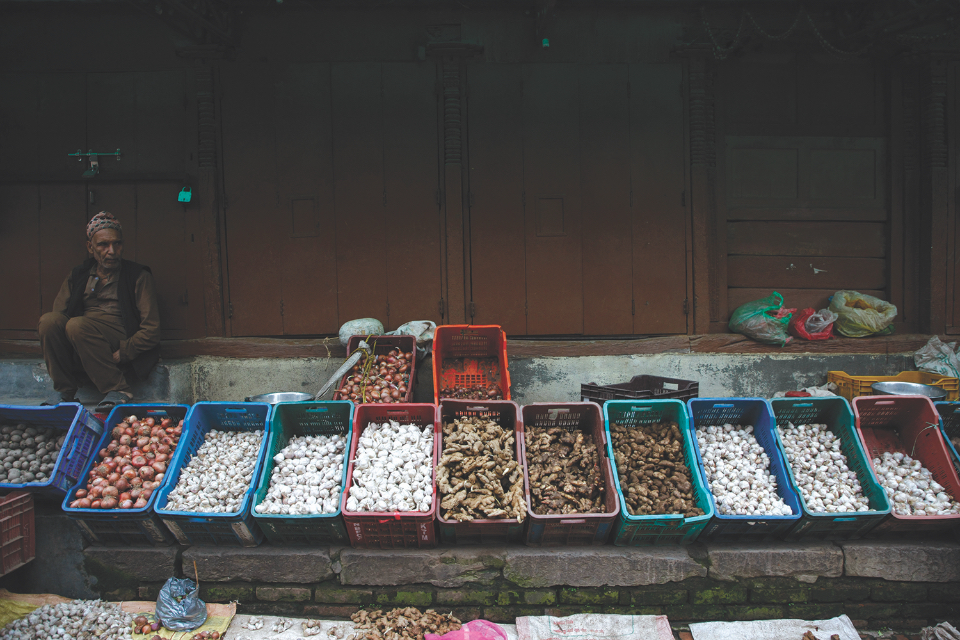
Nepal made some dramatic strides in reducing childhood and maternal malnutrition in the last two decades. Stunting in particular decreased from 57% in the 1990s to 36% in 2016. But the progress has since stalled. Stunting needs to be well below 15% in 10 years to meet the global target -- it is still 36%.
The Covid-19 pandemic and the climate change have added to the problem. While the former has meant reduced income to afford nutritious food, the latter has led to reduced productivity, if not crop failures due to unreliable precipitation patterns. Now, the Ukraine crisis has increased the cost of commodities , including fuel and food.