The Russian invasion of Ukraine two weeks ago has been called ‘a war over fossil fuel’ because it has exposed Europe’s dependence on fossil fuel imports. But it has also underlined the urgency of switching to renewable energy to mitigate global climate breakdown.
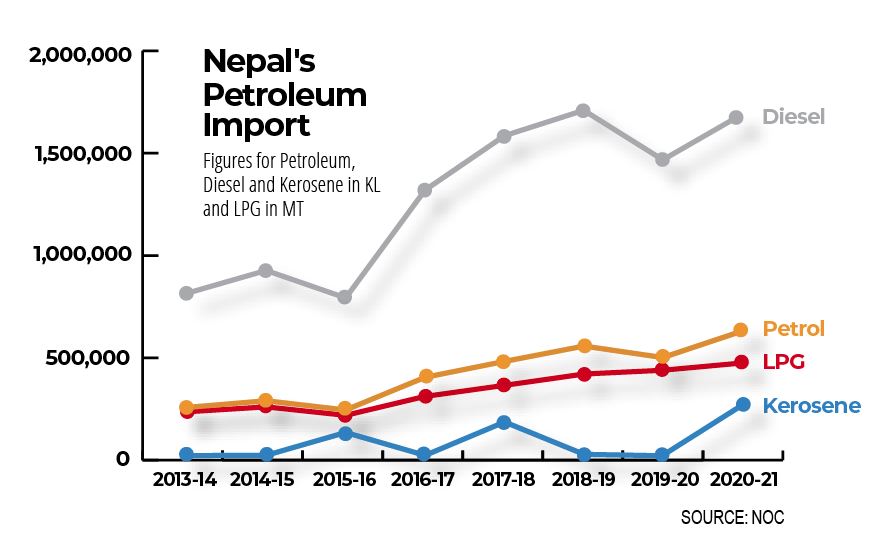
The war has driven global inflation, food prices have soared, gas is ten times more expensive in Europe. In Nepal, the price of diesel and petrol are at record highs, petroleum imports have increased so drastically that the government may reintroduce the odd-even rule imposed during the pandemic.
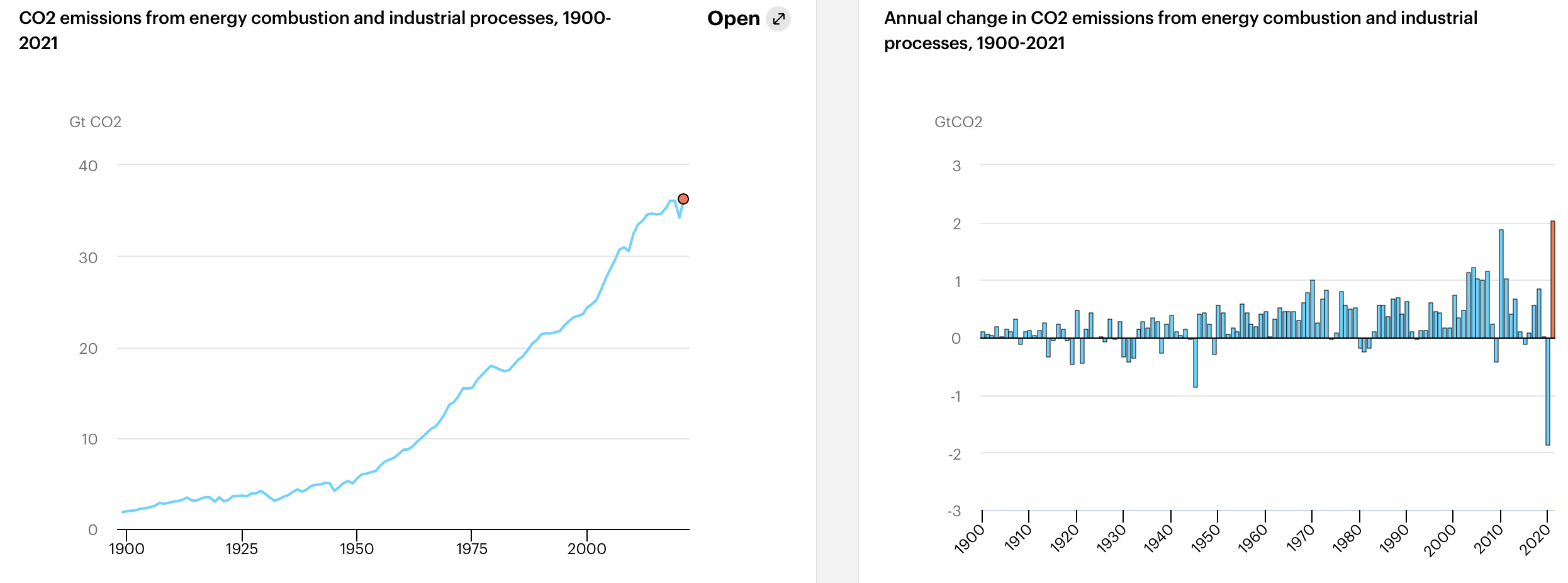
The Russo-Ukraine war is pushing countries to abandon carbon emission targets to limit global warming to 1.5° Celsius in the next 30 years. Worldwide, carbon emissions have rebounded after the pandemic by 6% in 2021 to 36.3 gigatonnes, the biggest year-on-year increase in human history, according to the International Energy Agency (IEA).
“The window of opportunity to slash emissions - by, in part, switching to those low carbon and renewable energy sources - is closing very rapidly,” Ukranian climate scientist Svitlana Krakovska told the BBC recently. “This war makes the window of opportunity even more narrow, because now we have to solve this problem first."
However, the conflict could also spur countries like Germany and Italy that most depend on Russian gas to expedite the switch to cleaner energy. The European Commission this week committed to reducing its gas dependency on Russia by two-thirds this year, and to end it entirely by 2030. However, it will still need to increase imports from alternative suppliers like the US and Qatar.
Experts say Nepal should also use this opportunity to start phasing out fossil fuels, not just to meet its own net-zero commitment at the Glasgow COP26 last year, but to salvage its economy. Nepal spent Rs180 million just in the past six months on petroleum imports, and this will increase.
“We ought to have learned our lessons after the 2015 Indian Blockade, if we had reduced dependence on petroleum by now this crisis would have been less damaging to us,” says Manjeet Dhakal who is also the Head of LDC Support Team at Climate Analytics. “But it is not too late, we can still turn things around by switching rapidly to Nepal’s abundant hydropower.”