

Sharada Rai was a single mother who found it difficult to support her family from what she earned as a teacher at a primary school in Morang district. She tried giving private tuition to students, but it was still not enough.
Then, out of sheer desperation, she found a recruiter who could find her a job in Kuwait for a fee. Women were not allowed to migrate for work at that time, so she had to travel overland to India and then fly from there to Kuwait City.
That was 18 years ago. Sharada was naïve and did not know what her job entailed. But she was lucky to find employers who were kind to her, and the job was what she had been promised.
“The working conditions were good, but I missed the freedom to move around. I could not go out on my own, and I wasn’t allowed to call home when I wanted,” recalls Rai. So, after a few years she returned home.
Back in Nepal Rai once again struggled to pay for her son and her younger sister’s education. She decided to leave for a second time and went to Saudi Arabia where she worked as a house help for three and a half years. After that she went to Dubai on a tourist visa, and worked as a domestic help this time, returning to Nepal in 2017.
Over the years, the money she sent home helped to run the household, and paid for her son’s education. The exposure familiarised her with the use of the Internet, household appliances and other technology.
“Foreign employment allowed me to be financially independent. It made me capable and changed the way society viewed me,” she says. “In the past, as a single woman people would often try to look down on me, but that is not the case anymore.”
The media is replete with stories of Nepali women as victims of abuse abroad where they work as domestic help. While there is indeed exploitation and ill-treatment, there are many more women who have gained financial stability and confidence. With limited opportunities at home, migration has provided Nepali women access to income and new skills.
Read Also: Migrating for domestic work, Upasana Khadka
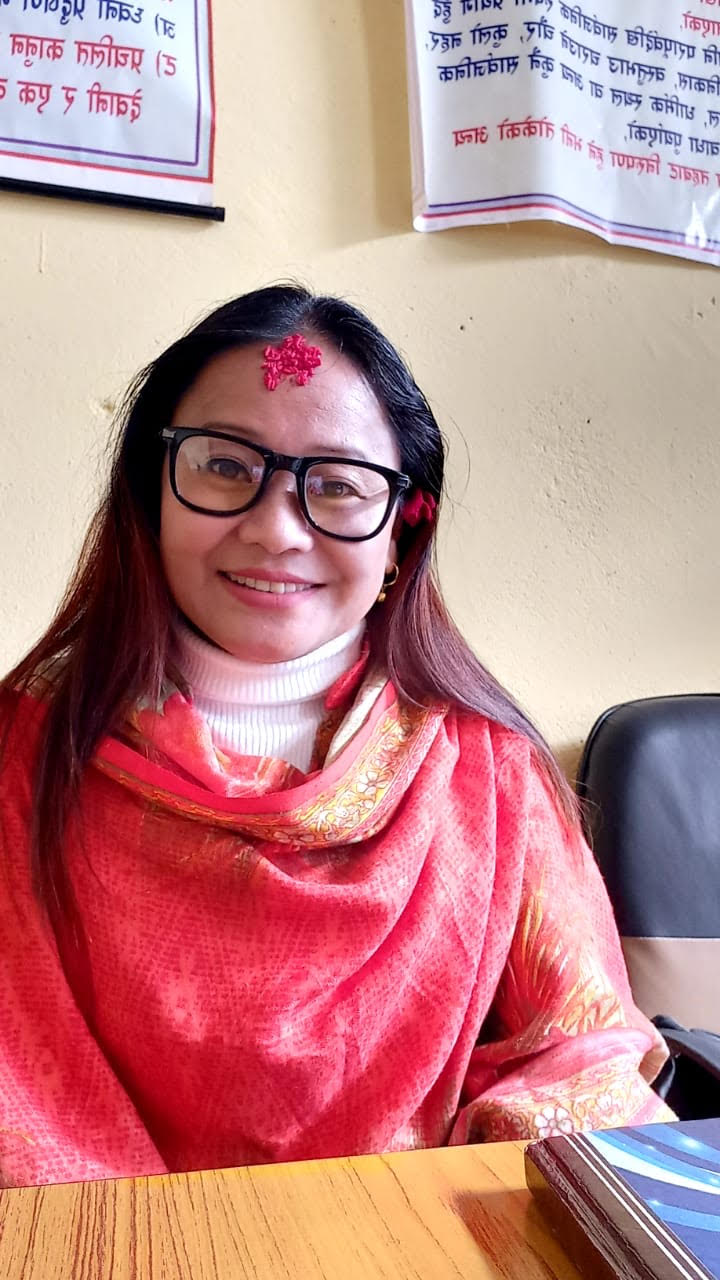
Their experience abroad instils in women new self-esteem and assertiveness when they return, leading to a positive change in their gender roles within the household and the community.
“I do not have a hefty amount saved in the bank, but the exposure gave me self-confidence. I did not have to rely on anyone else to raise my child either and so I am at peace mentally,” adds Rai, who now works as a psycho-social counsellor in Morang’s Letang Municipality and is also a social activist.
Bijaya Rai Shrestha of AMKAS Nepal, an organisation that supports returnee female migrants says that empowerment begins from the moment a female migrant worker flies out of Kathmandu airport. They travel to a new place and are exposed to a different culture, but soon learn to adapt.
“They take the first steps to economic independence, many open bank accounts for the first time when they apply for work. Once they come back to Nepal, they can handle their own financial affairs,” says Shrestha, who herself is a returnee.
Many women migrant workers who have returned to Nepal have also been active in social work, small businesses, and even joined politics.
Sharmila Lama’s husband did not work, and her mother-in-law was battling cancer. The rent they earned from the house augmented her salary, but Lama wanted to send her two daughters to a better school and pay for her mother-in-law’s treatment.
“It wasn’t an easy decision leaving my daughters behind, but I had to do it for all our futures,” recalls Lama, who boarded a plane for the first time in 2014 to go to work as a hypermarket cashier.
She says working abroad taught her how to deal with people, be more confident so she can face any challenge. She is now back and runs a store in Maharajganj selling ladies footwear, clothes, and an assortment of knickknacks.
Returning female workers are also harnessing their experience in negotiating their role in families and communities as well as to challenge the societal taboos and stigma associated with a woman’s mobility.
When Shova Baniya’s husband went missing 18 years ago, her in-laws accused her of being responsible. Unable to bear the mental torture and determined to raise her three children, she went abroad to work first as a domestic help in Lebanon and then in a company in Malaysia.
“I sent money home regularly. When my in-laws passed away, it was I who performed and paid for the final rites despite the way they had treated me,” recalls Baniya, who returned to Nepal four years ago.