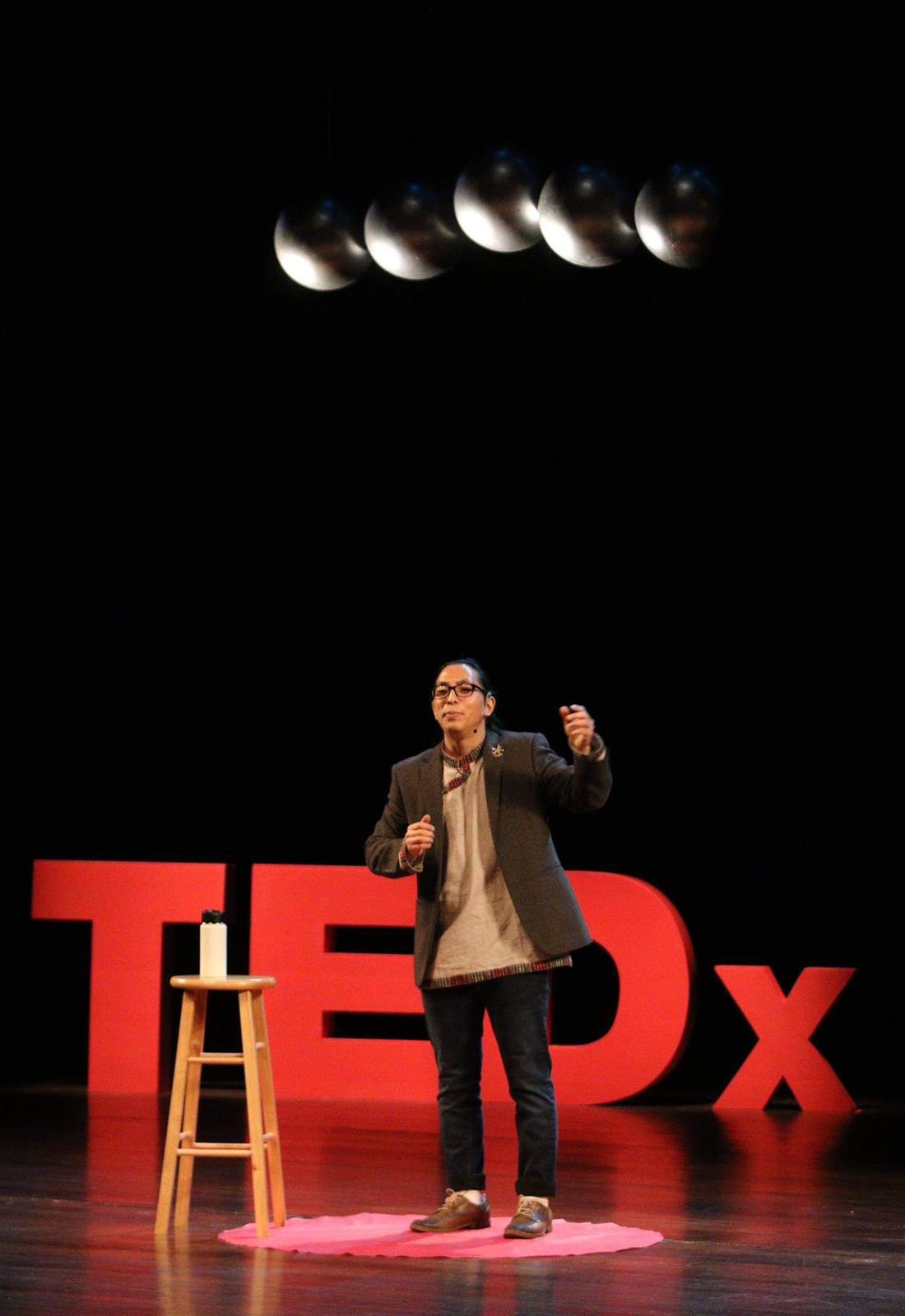
“यहाँ वाग्नर कोदाली खनिरहेछन्, शेक्सपियर हलो जोत्ता हुन्, टिसियन र टर्नर भेडा चराउँदा हुन्, सोक्रेटिज गुफामा घोत्लिरहेका होलान्... यहाँ कति साहित्य छ, जो लेखिएकै छैन, न लेखिनेछ।”
Wagners and Shakespeares could be ploughing fields here, Tissiens and Turners may be shepherds, Socrates must be living in a desolate cave ... there is so much literature here that is not written and will never be written.
This excerpt from the essay के नेपाल सानो छ? (Is Nepal Small?) by poet Laxmi Prasad Devkota that most Nepali students have to learn in school, alludes to treasures of Nepali literature that remain hidden because people are too busy trying to survive.
While Devkota’s dialectic may still be true, Nepali writers like Samyak Shertok are taking their literature to international platforms and giving it global recognition.
Samyak Shertok is the recent recipient of the 2024 Donald Hall Prize for Poetry. His poem collection ‘No Rhododendron’ is being published next year by the University of Pittsburgh Press in the Pitt Poetry Series. His poems have also appeared in top literary journals and publications in the US, such as Best of New Poets, Iowa Review amd Kenyon Review.
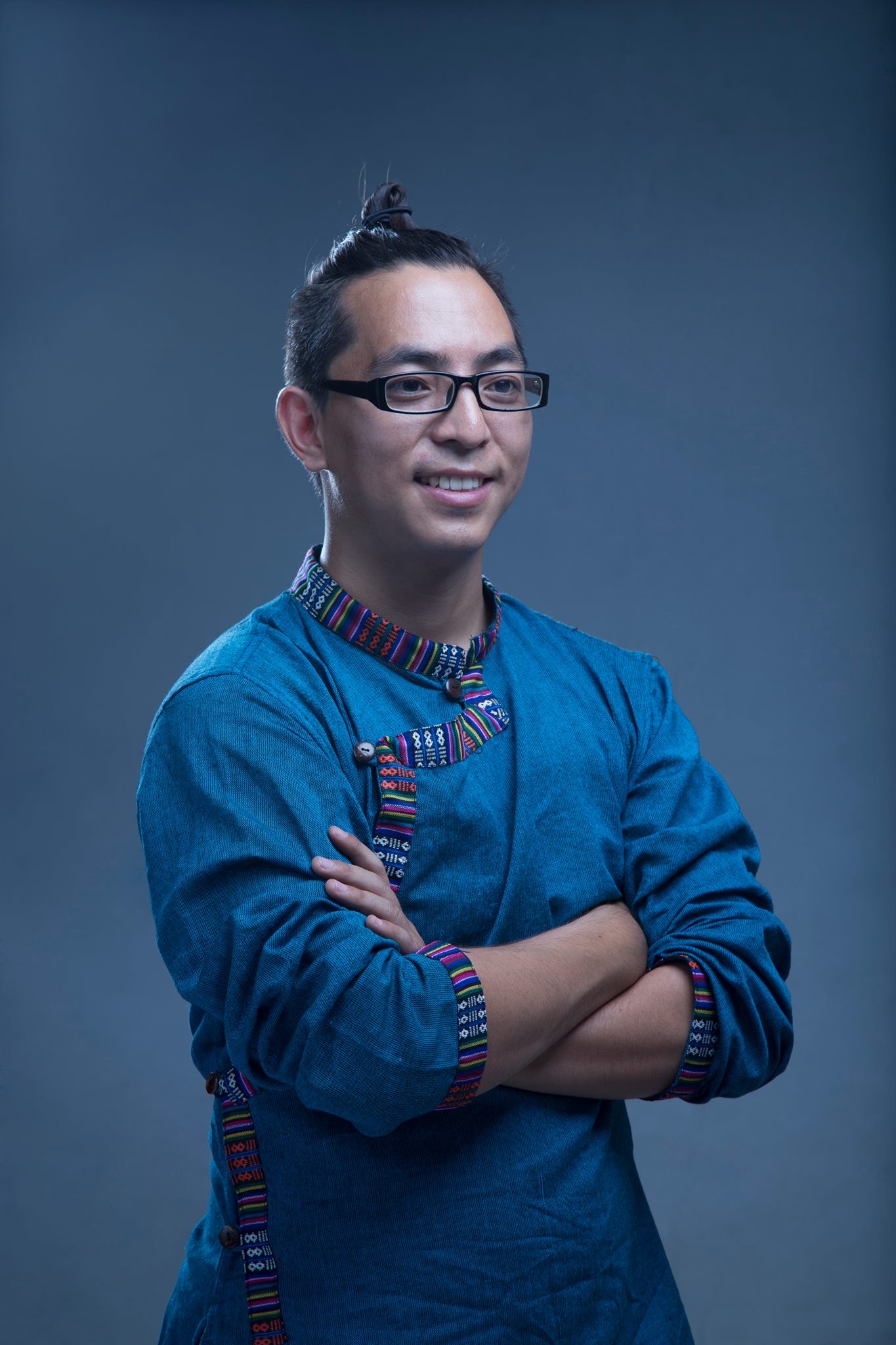
‘If poetry is, as has been defined, a species of magic, Samyak Shertok has conjured an elegant and sophisticated collection that is full of hybridity in form and subject…’ writes Donald Hall Prize 2024 jury member Kimiko Hahn, an American poet. ‘We are given a view into the conjuring, his view on how language expresses and depresses, how language as noise can mix into cacophony or clarify home.’
Hahn goes on to add, ‘There is abiding grief and, in that, surviving to tell and retell stories. This debut collection is an absolute marvel.’
Shertok’s poems immerse themselves in the idea of a mother language, of motherhood, home, ongoingness and his relationship with them, leaving behind a part of himself in each poem. His poems have a haunting grief and memories, and leave food for the soul to dwell upon.
“Poems are a permanent home that I can always return to,” Shertok told us in a zoom call. He moved to the United States to pursue a psychology major as an undergraduate which he completed in 2011 from Brigham Young University, and has been there since.
Samyak was born Shertok Lama, the youngest child in a Tamang family from Yurung village of Sindhupalchok district. He had always thought a poet had to be someone senior with a PhD, or a long white beard like Nepali poet Lekhnath Paudyal or the Bengali Nobel Prize winner Rabindranath Tagore.
‘Samyak’ means the Buddha’s middle way and ‘Shertok’ is the Tamang word for a golden steeple. Nepaliness is a recurring theme in Samyak’s verse, but he has a fraught relationship with his motherland. As someone from an indigenous community, Shertok grew up feeling stereotyped and judged which is why he opted for a surname that would not denote his ethnicity.