The old Newa trading town of Bandipur, 145km west of Kathmandu, fell into a gradual decline after the Prithvi Highway was built in the 1970s. The town was bypassed, but that is probably what also saved its old world charm.
The capital of Tanahu district was then shifted from Bandipur to Damauli down the mountain next to the highway, further diminishing its importance. Local traders started moving to Bharatpur or Kathmandu, taking their business with them – leaving Bandipur in splendid isolation for decades.
Now, in a stunning comeback, Bandipur has been transformed from a Ghost Town to the Queen of the Hills.
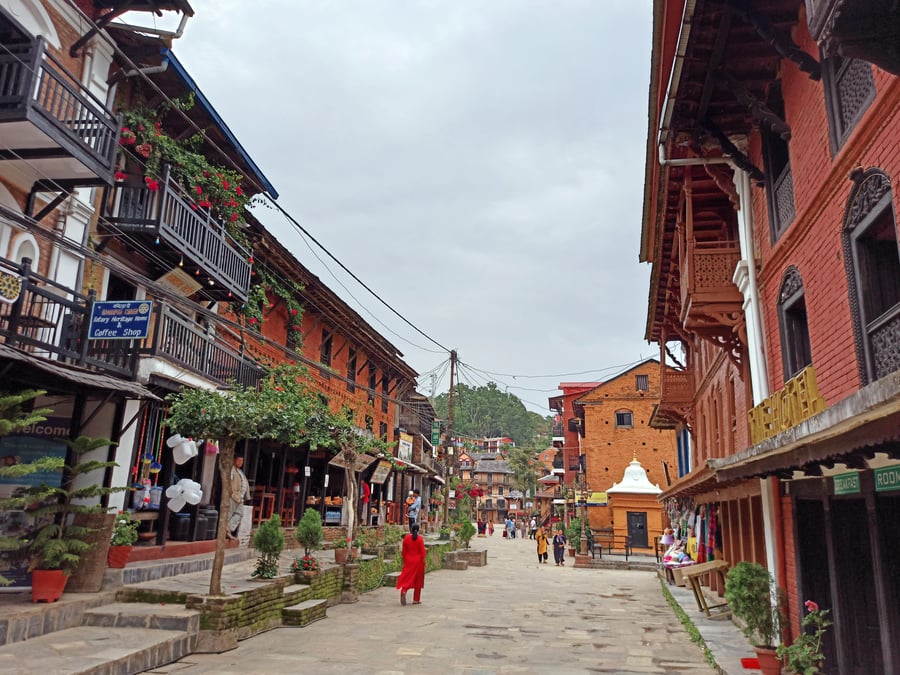
Its quant pedestrianised slate-paved streets are lined with traditional Newa buildings, their bougainvillea-draped facades intact. Dilapidated homes of traders have been renovated with locally available material.
The main Bandipur Bazar is vehicle-free, a decision welcomed by both businesses and locals alike. There is very little cement to be seen, at least in the core of the old town – although an eyesore of a highrise cable car terminal has sprouted on an adjoining ridge.
Credit for preserving the town goes to Bandipur Ecocultural Tourism Project launched 20 years ago to revive the once bustling town which served as a business centre in the region in the 18th and 19th centuries. Merchants went through the town to get to Kolkata in India, and for the trade between Kathmandu and Tibet.
“Before there was reliable local transport, people from western mountains of Kaski, Lamjung, Gorkha and Manang would come to Bandipur to exchange for goods from Chitwan,” says Shanti Kunwar, who runs the Bindabasini Homestay in the heart of the bazar.
Read also: Dapcha’s old world charm awaits, Kanak Mani Dixit
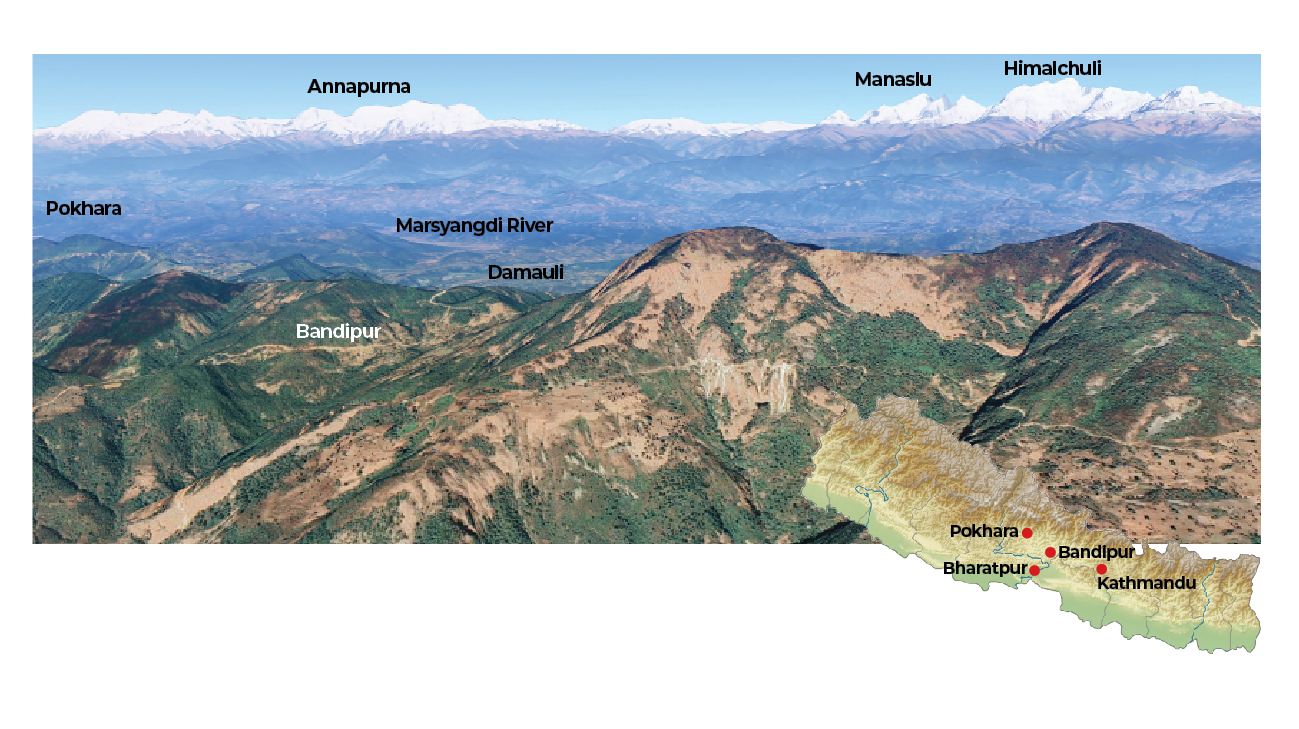
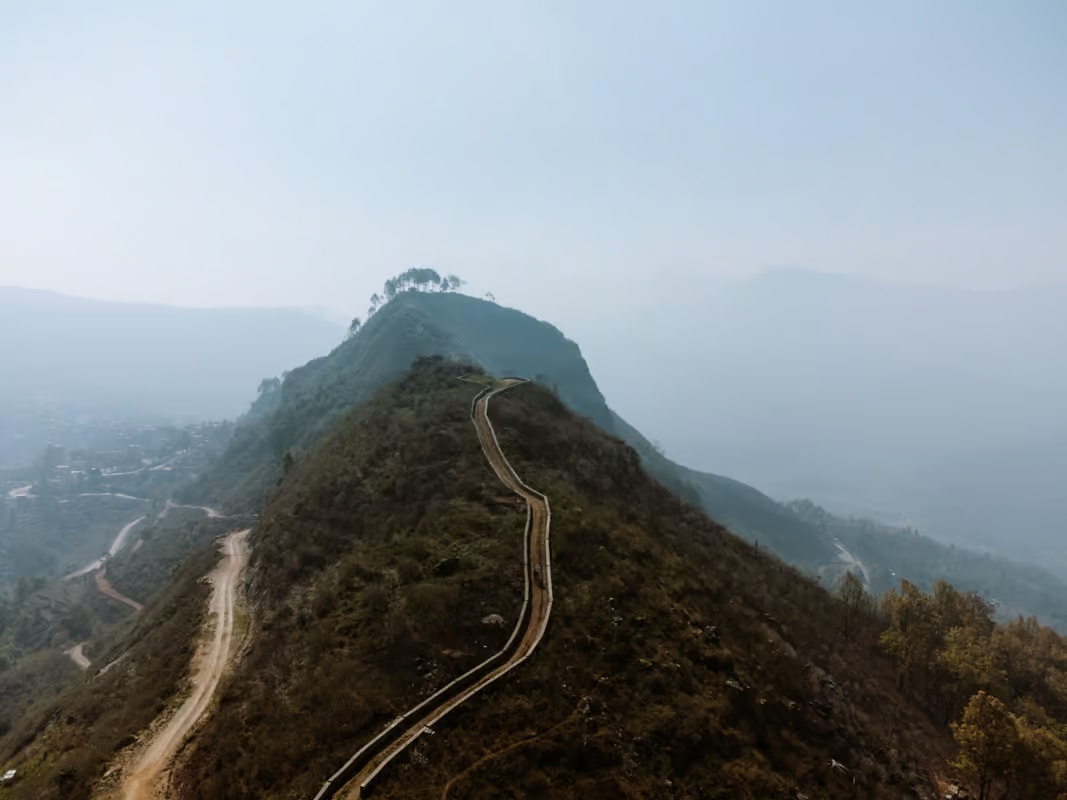
Locals have also added walking steps so that it is easier to climb up the scenic hills that Bandipur is famous for. Hiking trails offer panoramic views of the Himalaya to the north. Nearby Thani Mai hill with its shrine on the peak offers a bird-eye-view of the main bazar, the Marsyangdi Valley below and the mountains beyond.
For thrill-seekers, there is now paragliding and some of the best rock climbing in Nepal. Cave enthusiasts can go exploring in the Siddha and Pataleshwar Gufa. There is also a 13km long mountain biking route between the nearby villages of Ramkot to Korikha via Bandipur Bazar.
“About 200 years ago, Newa people from Bhaktapur and Kirtipur settled in this area,” explains local academic Dinesh Shrestha, “and they brought their architecture, culture and festivals with them.”
Bandipur has its own Biska Jatra, at the same time as Bhaktapur celebrates the same chariot festival. It also has Lakhey masked dance parades.
Bandipur today is a microcosm of Nepal with a diverse Magar, Gurung, Rai and Brahmin-Chhetri population. In fact, the name ‘Bandipur’ is a slightly Nepalicised word derived from Magar words for ‘a place where water comes from the forest’.
In the summer, Shiva fanatics of the Bolbam type have a mela at Siddha Gufa. During Dasain, a similar mela is held in Pataleshwar Gufa on Ram Nawami.