


Dreaming in phases
As Spain moves to regularise 500,000 undocumented workers in 2026, Nepali migrant who left over 20 years ago shares his experienceThis is the 83rd episode of Diaspora Diaries, a Nepali Times series in collaboration with Migration Lab providing a platform to share experiences of living, working and studying abroad.
Spain is regularising over 500,000 undocumented workers, and Nepalis come to me inquiring about the program. Those who benefit from it will be very lucky, as it is a life-changing opportunity.
I know because I too benefited from the last large scaled regularisation program back in 2005. I left Nepal in 2000 and went to Germany, Belgium, France before landing in Spain. Things were pretty bad in Nepal back then with the Maoist conflict and strikes.
Our business was impacted. There was not much hope. When you leave Nepal, you want to make something of yourself and support your family back home. But you have to dream in phases.
The first dream is to get ‘kagaj’ or a temporary residence card (TRC). Only then can you focus on your actual dreams. Whether it was because the countries I traveled were not a good fit or because the chances of getting the document was low, I kept country hopping until I reached Spain in 2004. I have not left since.
In Spain, I felt at home. The European dream had brought me here, salaries were higher than Gulf which I thought was too strict. Then there was the possibility of traveling to seven European countries back then with the Schengen visa.
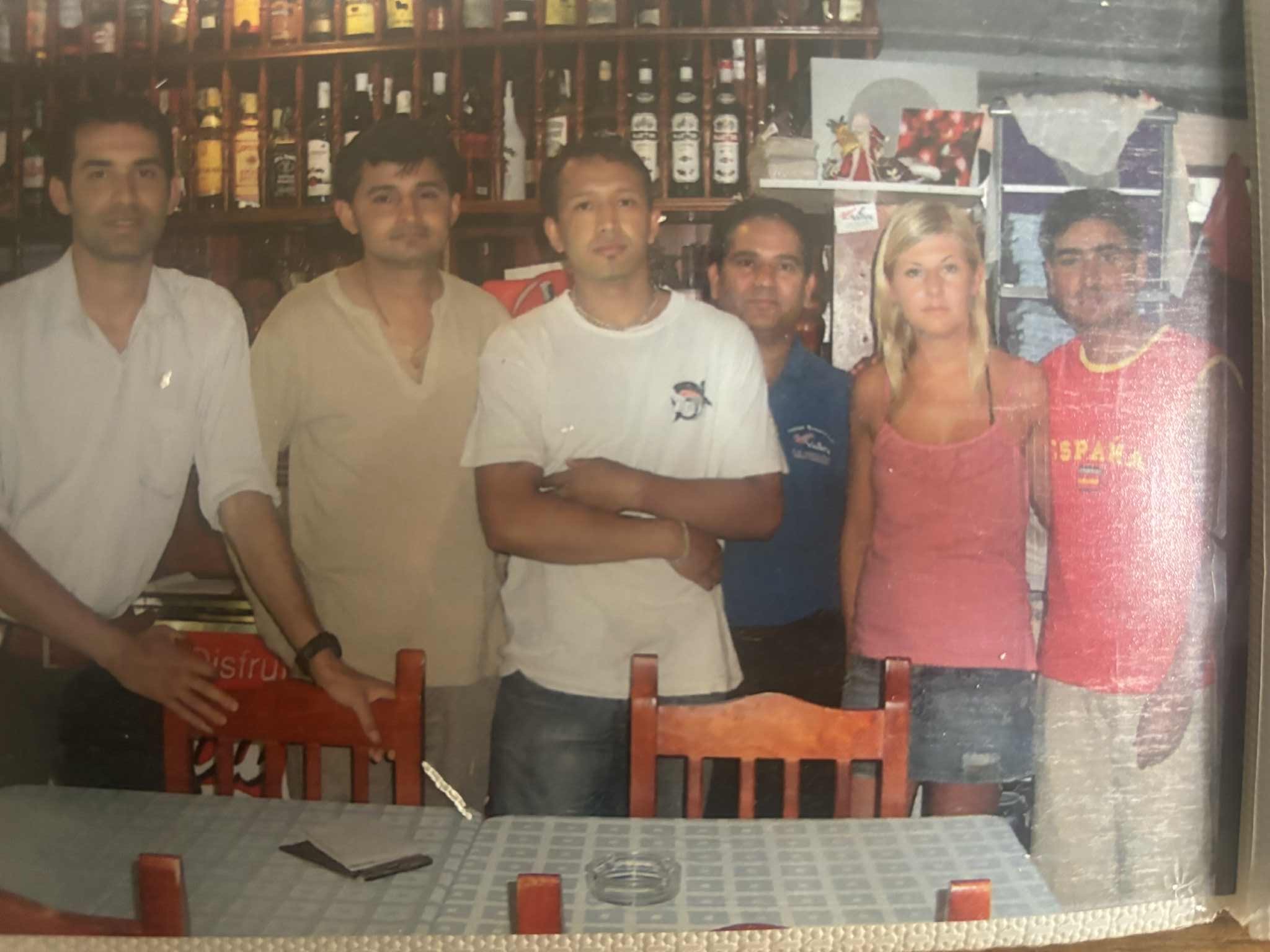
But mostly, I just wanted a secure life for me and my family. What I valued the most about Europe was free healthcare and education. This is very important because in other parts of the world including Nepal, people from our background are just one small disease away from losing half our capital and we spend a significant amount of money on educational expenses.
Nepali dais back then told me it would be best to go to either Italy, Spain or Portugal if we wanted to establish ourselves as paper work was relatively easier there than in other European countries. My initial days in Spain without the paper work were difficult. Not concerns about being raided or deported because if we had our apartment, even police let us be.
But it was because of unfair pay. You could not go home. It made you tense and irritable. It affects your mental well-being. Some are smart enough to invest time in skills as they wait that will prove useful.
Others get depressed. The main reason we migrate is to support our family and when you cannot do it properly and are uncertain about when things will get better, it bothers you. This happened to me too, sometimes I would be staring at the TV and would flinch when other Nepalis asked me what is wrong, and why I look so lost.
The newspaper Canarias also interviewed us about our conditions (pictured). I had not gone home since five years, and there was no way to. There was no social media like now to talk to family. Calling home from booths was expensive, just once every three weeks. You did not talk. It was just to hear voices, pass the phone around to say a quick hello.
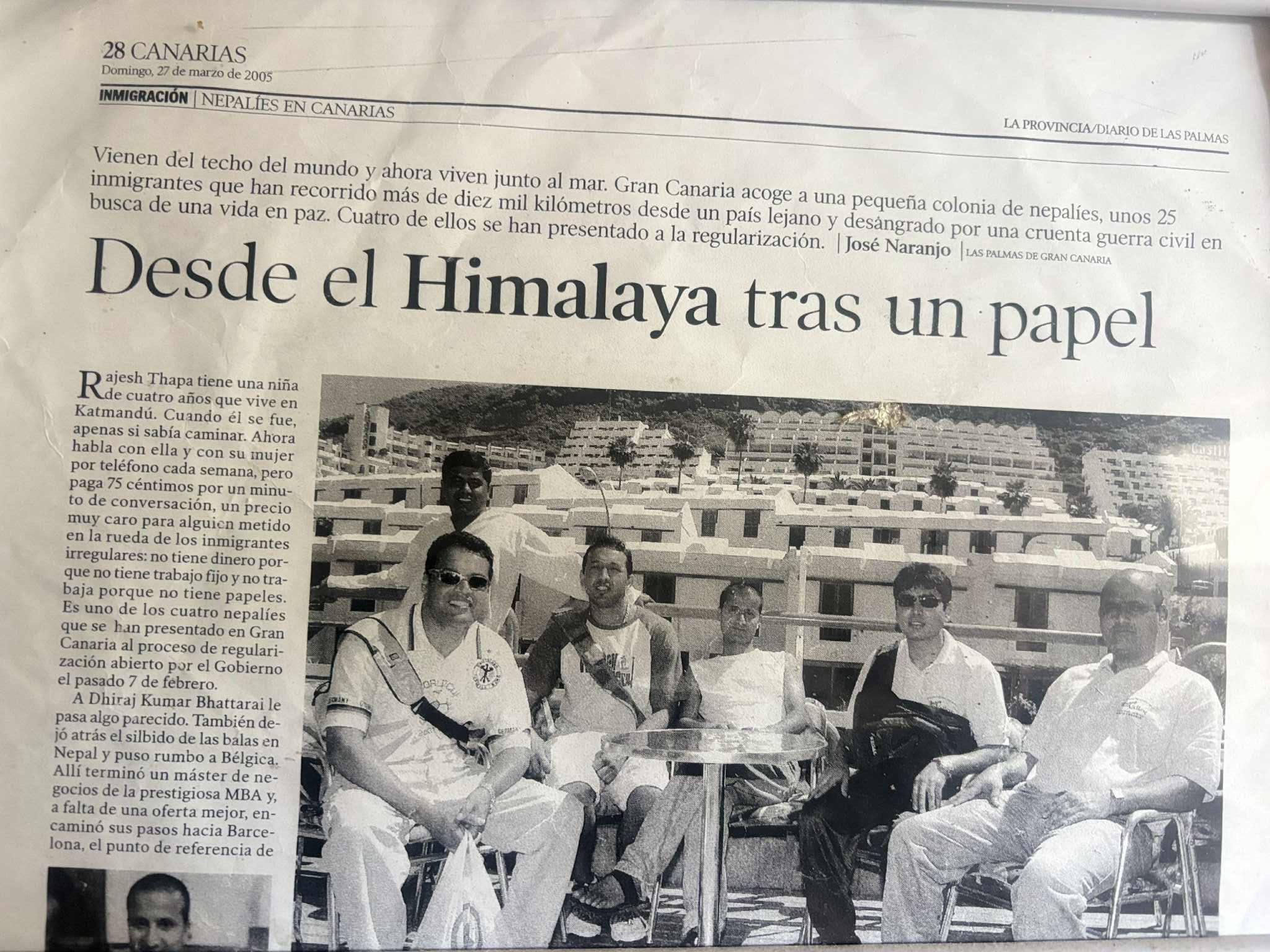
When you are undocumented, you don’t get fair wages. But you make that sacrifice because my bigger goal was to establish myself and in the meantime, to support family with whatever I could earn with my wages.
All we could do was wait for a regularisation program to open. When Spain initiated such a program in 2005, we were so relieved. We were relatively new so did not understand the language. Other Nepalis guided us and were well-versed in the latest updates via news and consultation with immigration lawyers which they would pass on to us.
This time, the regularisation program will come through within 30 days, but back then it took time. I had to wait for nine months. Those nine months felt like nine years. I would keep visiting the cyber café to check my online status. When friends got their notification, I would get even more anxious and wonder if I would get rejected. Maybe today? Maybe tomorrow?
It was a long wait. I wanted to know what it felt like to hold the card in my hand. Then I could hold my five-year-old baby back in Nepal in my hand. She was born after I left for Europe.
When I finally got it after nine months, I could not be happier. I informed my family. I thanked God. Even when I was having food, I would put the card right in front of me on my table. Food never tasted better, I would eat twice the amount with happiness. It was a different kind of elation — it opened the doors for me to think about my dreams, my targets and how to realise them.
There was no stopping me now, I was going to go far. But mostly, I could go home.
In that flight back to Nepal after six years my heart swelled and I knelt on the tarmac to pay respect to my motherland. The minute I saw my parents, I touched their feet for blessings. My wife and I cried. My daughter was scared of me and would run away - it took some time for her to get comfortable with my presence. I still break down when I think about it.
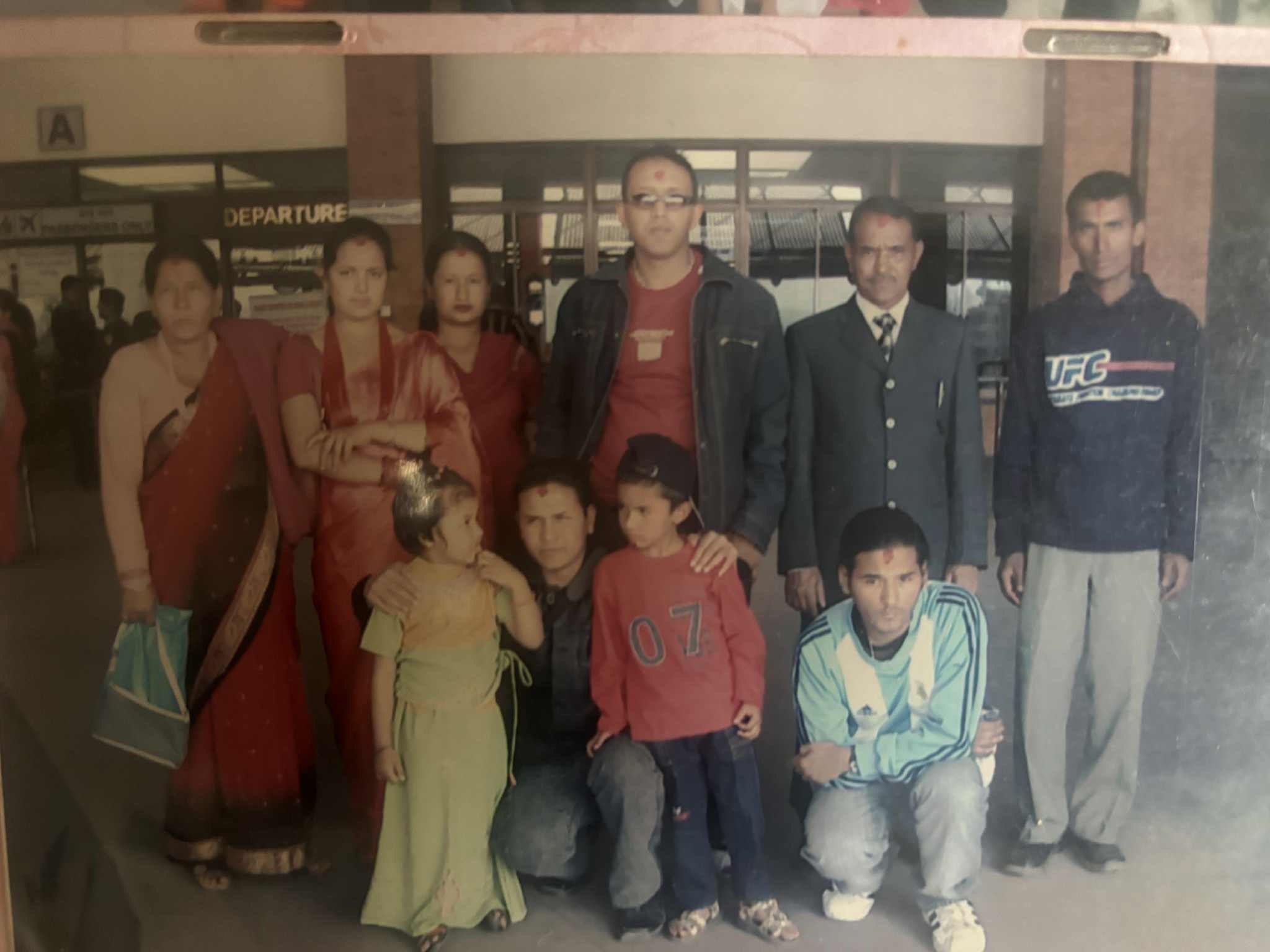
A few trips to Nepal later, I brought my family to Spain after I had fulfilled various rules for family migration. As expenses rise for a migrant, the choice is to either work extra hours or start your own business. Since I got the TRC, I have done it all: various jobs, businesses from selling handicraft from India to a cyber cafe, and the restaurant business.
As an entrepreneur, I have seen highs when I could open a second restaurant branch or earn enough to buy an apartment. I have seen lows where I closed down businesses and sold apartment. I have gone from an entrepreneur to a wage job to recoup the losses I made by working extra hours. When I felt comfortable enough, I have gone back to starting a new business.
I have met wonderful people who have supported me when I started my business either by providing me financial help or as business partners. I have been duped by my own business partner or worked with colleagues who did not want me to prosper. I now run a handicraft shop, an Indian restaurant and a café. The struggle never ends.
There are many Nepalis like me who are running businesses here and have bought property. Back in 2004, Nepalis were mostly working in jobs and for a slight salary bump, we would keep switching jobs. Now, they run their own businesses and have bought property. The power of honesty and hard work that Nepalis are known for helps in businesses.
Malaga is incredibly beautiful and reminds me of Thamel. The brilliant weather and beautiful beaches attracts tourists. The houses are kept small to preserve the culture and civilisation.
I miss Nepal. I especially miss my father who passed in 2020. He was my biggest cheerleader as I struggled thousands of miles away, and always reminded me that he was here for back support. My mother reminds me to keep at it without worrying.
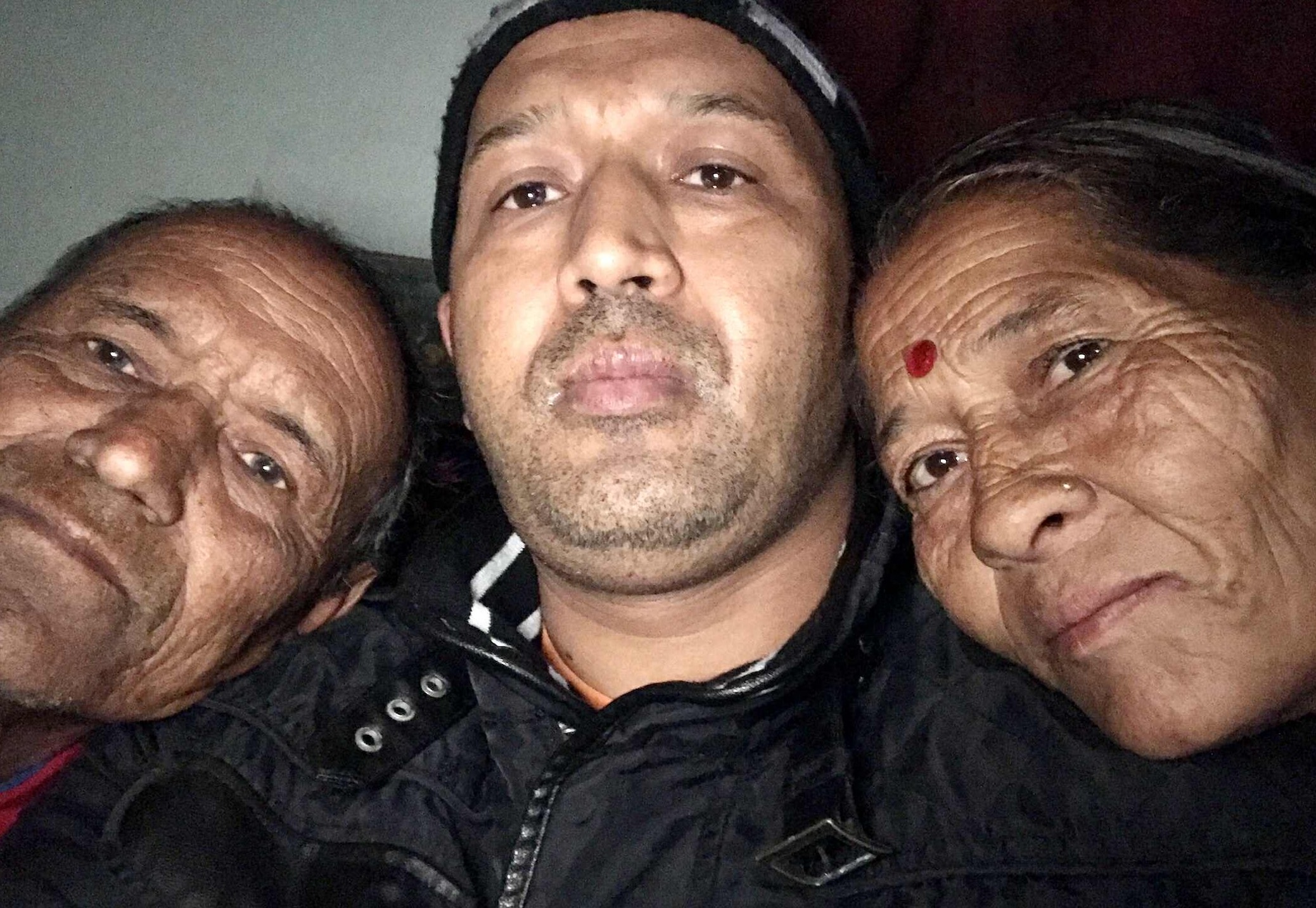
Sometimes I ask myself, what did I leave behind to earn money and provide a good life to my family? I regret not getting to spend more time with my father before he died. I am not sure what would have happened if I had not left Nepal, but I would have figured something out. Whatever determination I have shown in Spain to navigate my life here, I would have used it back home, too.
I have missed important milestones like weddings, births, deaths and festivals. I have missed it all.
Of my three daughters I missed the births of the first two in Nepal. I was only there for my youngest’s birth, in Spain.
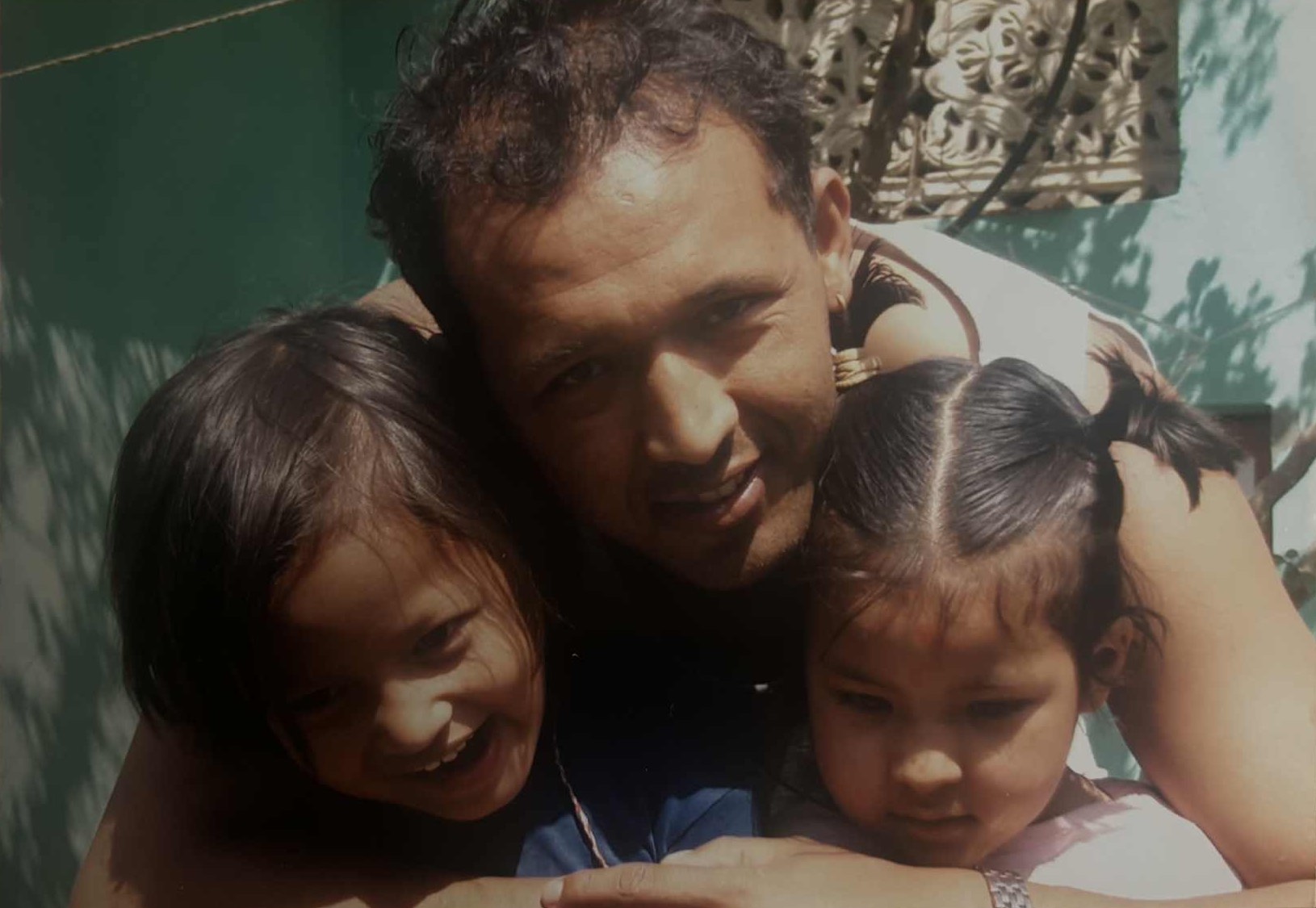
The regularisation program from 2005 that allowed me to raise the living standards of a number of living around me and reunite with my family. This platform was life changing for me, and my loved ones.
There are many Nepalis who will be applying for the 2026 regularisation program if they meet the criteria like presence in the country for at least five months before December 31, 2025. Other European countries have tightened their policies so many Nepalis are in Spain. This is a great opportunity for Nepalis. There are many more undocumented workers than the available quota, a majority from Latin America in Spain who want to benefit.
The Nepali diaspora is helping raise awareness and provide accurate information about the processes so they can benefit and no one is left out. I do whatever I can to support young Nepalis because I was in the same position 20 years ago.