
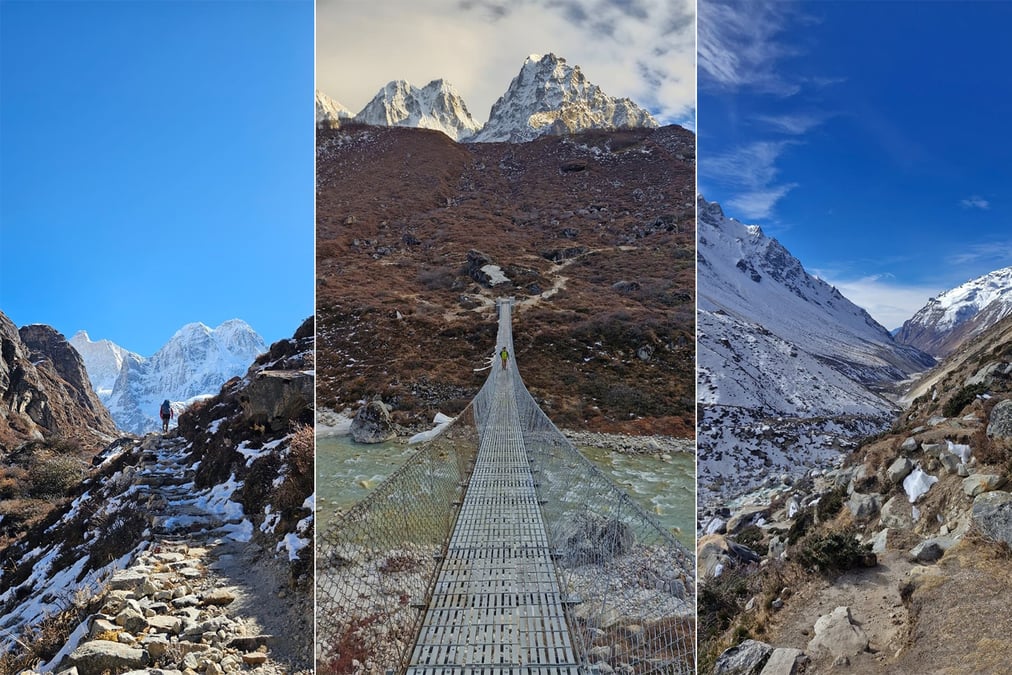
The Kangchenjunga Trek in far-eastern Nepal is a remote and less-crowded adventure that offers raw wilderness, diverse cultures, and breathtaking terrain below the world’s third highest mountain.
Kangchenjunga (8,586m) grabbed the world’s attention before Mt Everest ever did because its imposing rampart dominated the northern horizon from Darjeeling, the summer refuge for the British in India. The Kangchenjunga massif is more a mountain range rather than a peak, its high ridge stretching 25km from Nepal to Sikkim.
Sikkim considers the mountain sacred, and has banned mountaineering expeditions. But the various prominences of Kangchenjunga are increasingly popular for climbers via the north face in Nepal.
For non-mountaineers, even the Kangchenjunga trek can be arduous, especially in winter. It is one of the last pure wilderness areas in Nepal, traversing sparsely populated valleys that are rich in biodiversity because of the high annual rainfall.
Even when Nepal was a forbidden land, among the first foreign visitors was British botanist J D Hooker who explored the Nepal side of Kangchenjunga in 1850 to collect plant samples. The peak was first climbed in 1955, two years after the first ascent of Mt Everest.
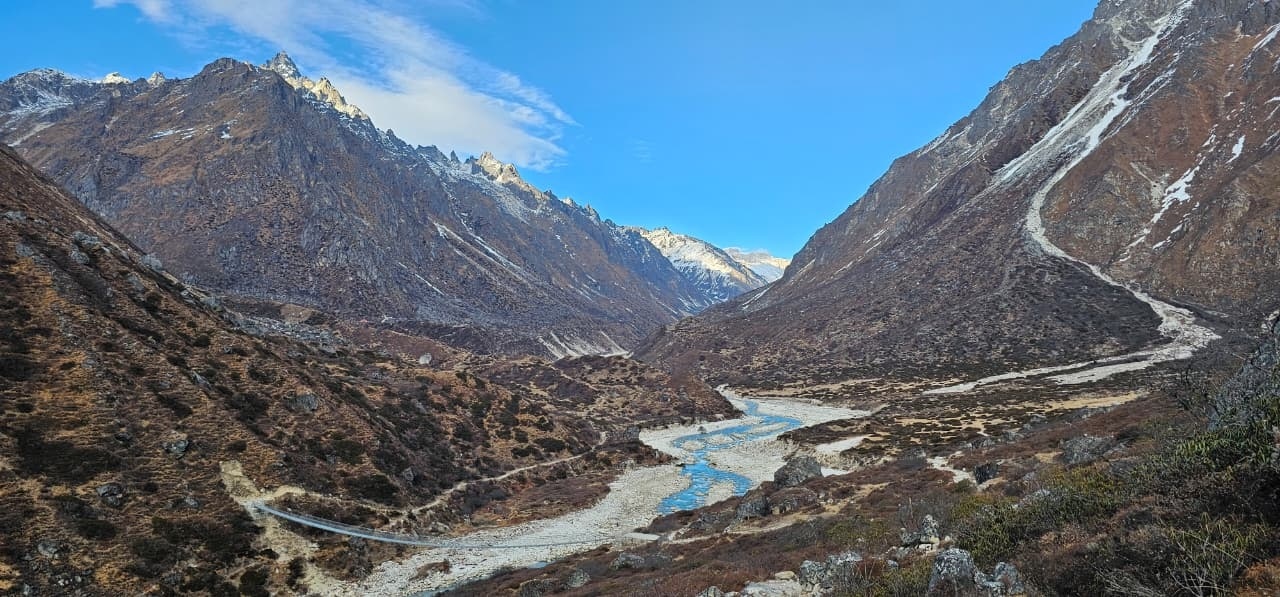
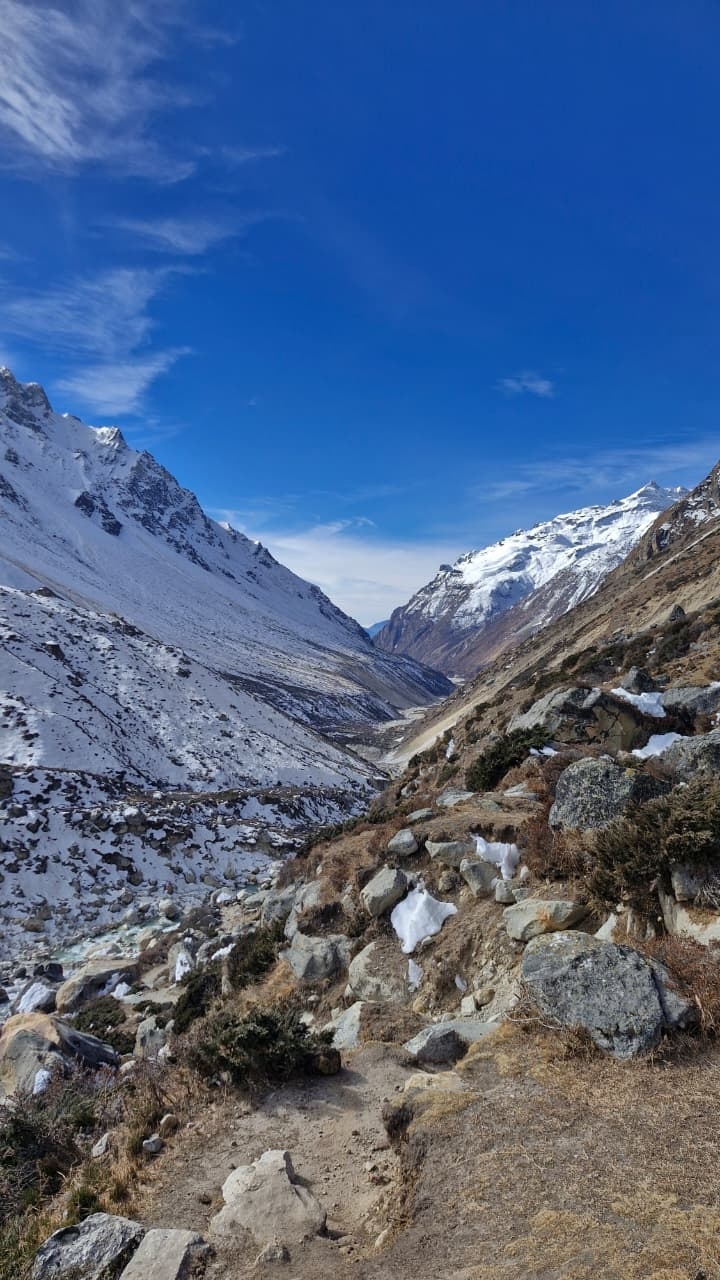
The establishment of Kangchenjunga Conservation Area in September 2006 was accompanied by tragedy when 24 people, including Nepal’s nature preservation pioneers were killed in a helicopter crash. The Conservation Area is now the only one managed completely by the local indigenous people. It has 70 varieties of orchids, 30 rhododendron types, and 15 out of 28 endemic plants of Nepal.
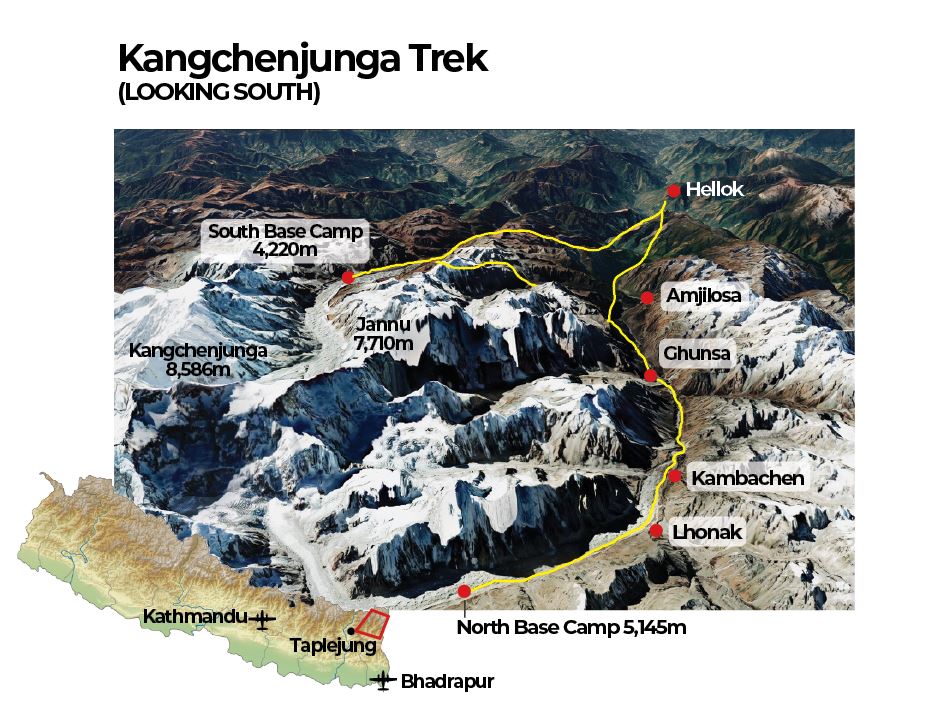
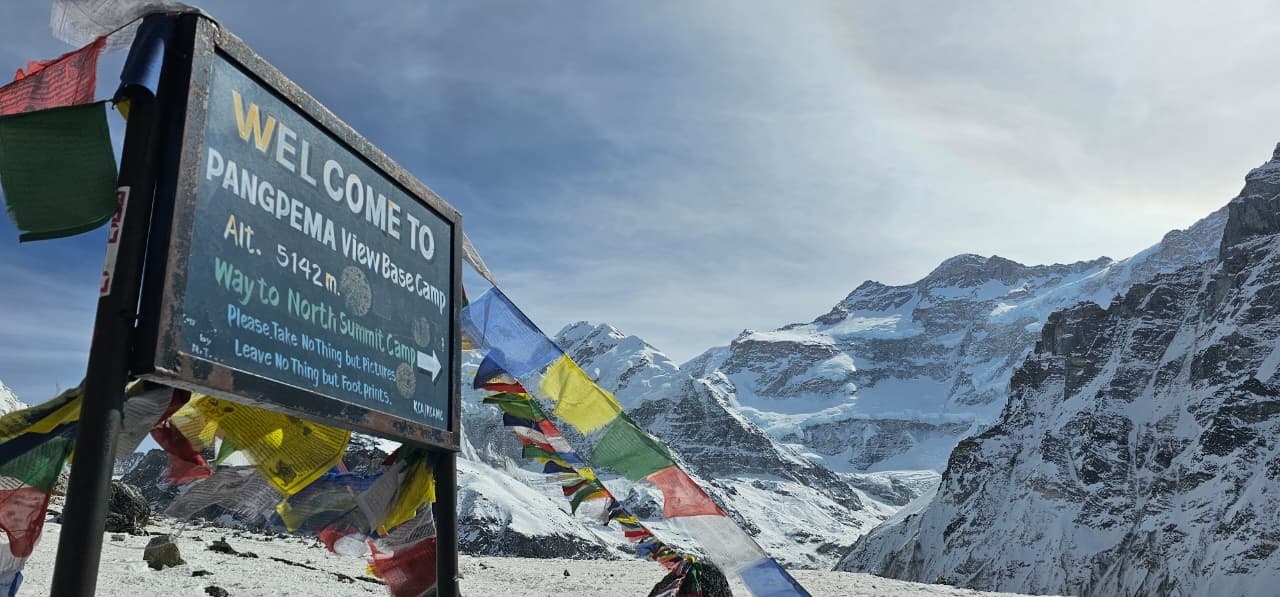
Kangchenjunga still gets very few of the 200,000 foreign trekkers who visit Nepal every year, but improved road access in recent years is making it more popular. Trekkers have a choice of exploring the North Base Camp (Pangpema) or the South Base Camp (Yalung Glacier), or combine both for the full Kangchenjunga Circuit (map).
This trek is considered strenuous, with long walking days, high altitude, and tea house accommodation that is much more basic than the Everest or Annapurna regions. Trekkers have to be fit and with prior hiking experience. Most teams take tents and camp, and carry most of their food.
FULL CIRCUIT
Because the region is restricted, trekkers must obtain a permit and be accompanied by a licensed guide. A full circuit can take three weeks, while doing only the North or South Base Camps will take two weeks, including flying from Kathmandu to Bhadrapur and jeep to Taplejung or a rough trail to Hellok.
The lower forested stretches are teeming with wildlife, and this is red panda and snow leopard country. The streams and ponds have amphibians and reptiles, some of which have not yet even been classified. The route also passes the homelands of the Limbu, Rai and Tibetan communities with the local culture and architecture more intact than in most other mountain areas of Nepal.
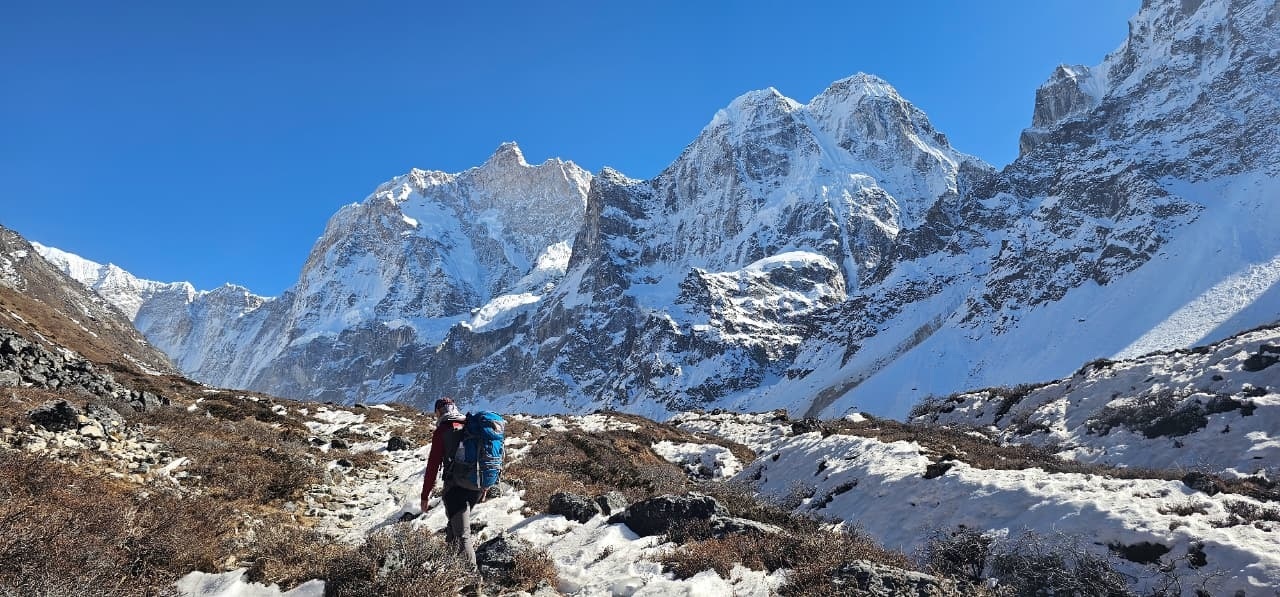
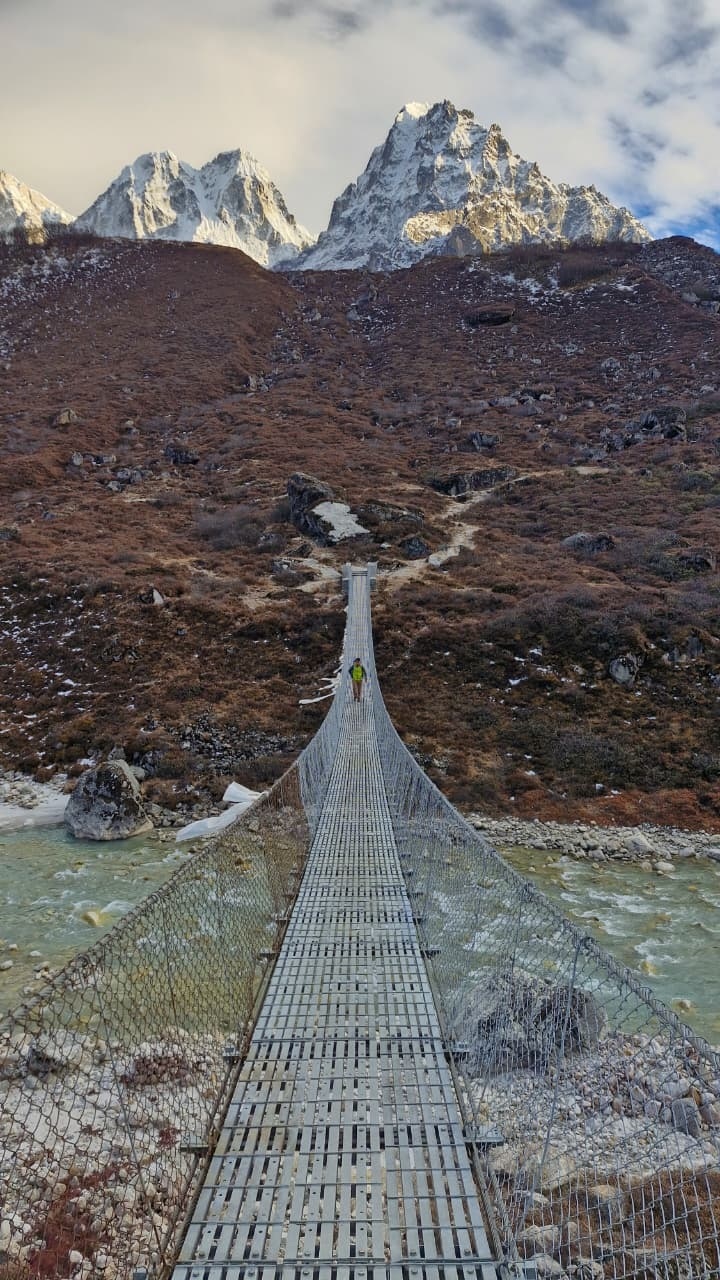
The best seasons to trek are spring (March–May) and autumn (September–November). There are fewer trekkers and climbers in winter, and many of the birds and wildlife have migrated down to warmer climes. Despite its beauty, trekkers should be prepared for challenges like long distances between villages, unpredictable weather, and limited emergency rescue options due to the remoteness of the area — all even more challenging in winter.
Norbu Lama is an international hiking guide with www.dolpocaravantreks.com and just returned after leading a trek to Kangchenjunga Base Camps.