

It is only April, and Himalayan expeditions are already making rotations to acclimatise on Annapurna and Dhaulagiri, and will soon be making summit pushes.
On Mt Everest, Icefall Doctors are fixing ropes and ladders into the Western Cwm as international climbers arrive at Base Camp.
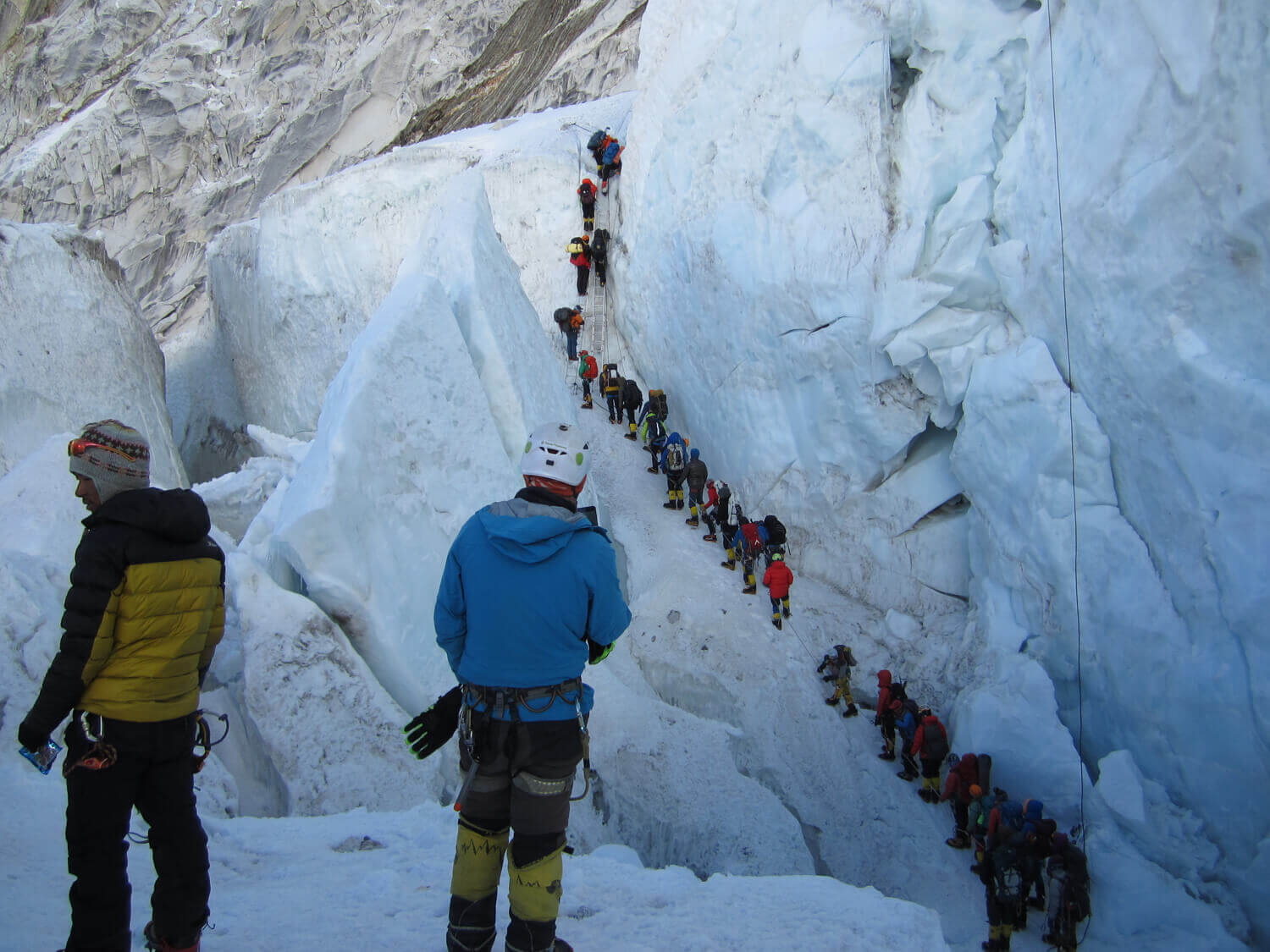
Spring 2026 is going to be the busiest and most crowded so far in the Nepal Himalaya. The main reason is that China has closed expeditions from the north side for eight-thousanders Everest and Cho Oyu, and also Xixapangma.
The closure is informal, from what one can make out. The Chinese have not put out any official statement, but there are no permits either. The reason seemingly was the ‘Rising Dragon’ firework display last September by pyrotechnic artist Cai Guo-Qiang near Xigatse.
Working with outdoor wear company Arc’teryx, Guo-Qiang set off an impressive sequence of orange and white fireworks that wound up a mountain. The spectacular display was criticised for damaging the fragile ecology of the Tibetan Plateau. But this cannot be the only reason the north side is closed.
Experienced Everest blogger Alan Arnette anticipates that about 125 climbers will shift to the Nepal side of the mountains, and expects there to be up to 900 summits this spring — up from the highest spring number so far of 876 climbers on top in 2019.
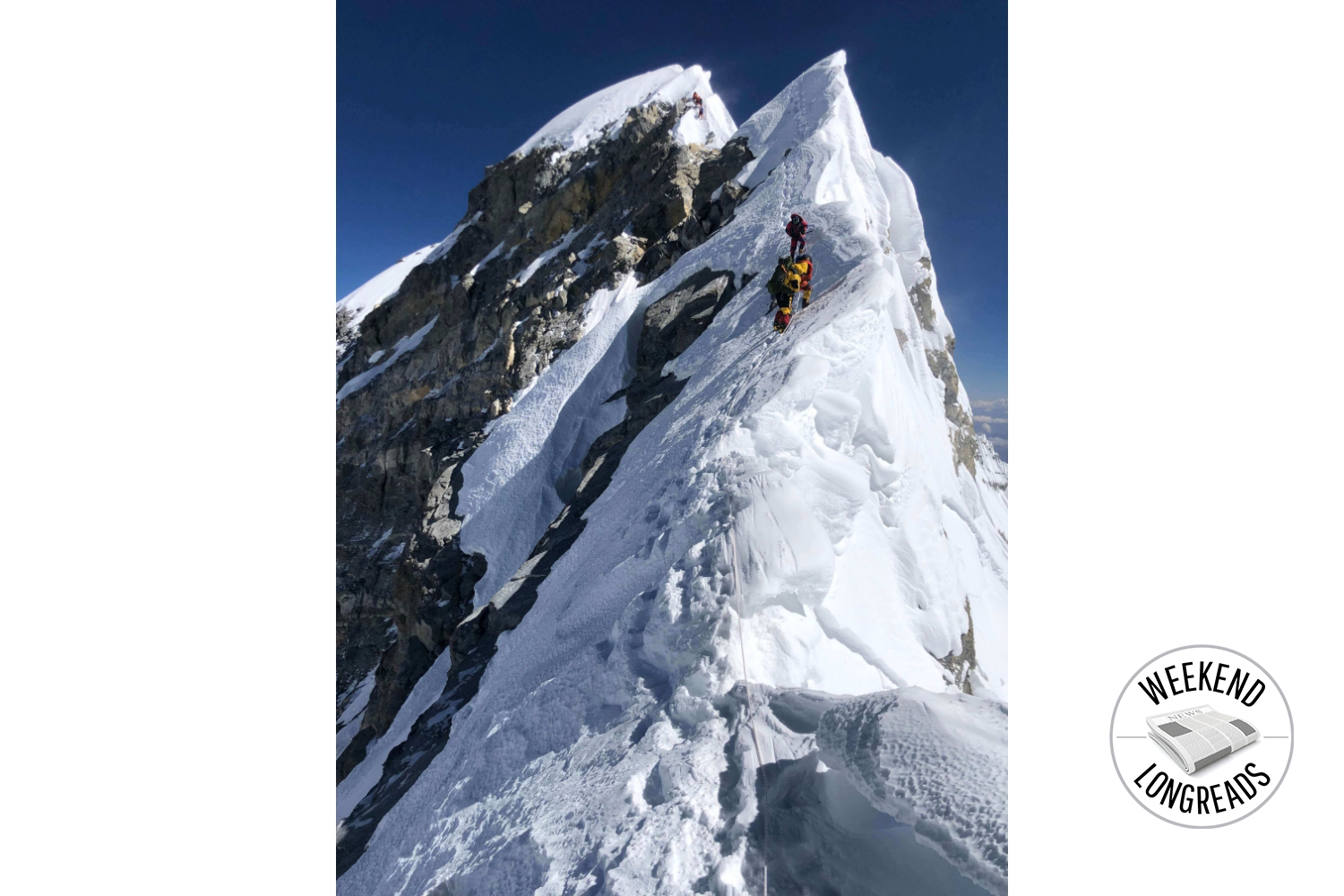
The early Base Camp arrivals are having problems with their first rotations because of heavy snow this season. Unlike previous springs, this year has seen back-to-back blizzards at high altitudes since February. The increased snow load on the slopes have increased avalanche danger right across the mountains.
There has been an increase in numbers on Everest despite the West Asia war, flight disruptions, LPG shortage and new regulations. The permit fee has gone up for the first time since 2015 from $11,000 to $15,000 this year.
The Tourism Bill passed by Nepal’s Upper House last year would have required climbers to have first summitted a 7,000m peak in Nepal before attempting Everest. However, the Department of Tourism has confirmed that there are no new experience requirements this season. Some want this rule changed to include 7,000m peaks anywhere in the world.
That could be one reason people are rushing to climb Everest before the Nepal government changes its mind and enforces the new regulations on prior experience on Everest. “It’s probably going to encourage a lot of people that simply are not ready to go,” reckons Alan Arnette. “Once again, we may see a lot of inexperienced people on the mountain trying to get in before the rule comes into place, if it does.”
Arnette has always been sceptical of Everest regulations, and points out many instances where rules have been announced but not implemented over the ten years that he has been tracking them. For example, a helicopter ban to Everest Base Camp was announced last year, but rescinded. A rule requiring climbers to bring down waste was never seriously enforced.
Since there is so much money involved for the government and for the operators, any any rule that would reduce revenue is never fully implemented. This year there is another ‘High-Altitude Trash Quota’ rule requiring climbers and guides operating above Camp 2 to collect and bring down at least 2kg of waste from the higher camps.
The Nepal government has tried to diversify peaks on offer by reducing the royalty on climbs, but the draw of Everest, Annapurna and other eight-thousanders seems to be too great. Even when the permit fees for some remote peaks like Kangri Shar, Himlung and Api, were reduced to $400, there are few takers.
TIME LAPSE
Clients and expedition operators have been trying to shorten the time needed to complete an Everest expedition from the city of origin to the top and back. Since Nepal has no rules about spending a certain number of days in acclimatisation, this has allowed some expedition organisers to use new technology.
Austrian operator Lukas Furtenbach last May led a group of four British ex-military clients to the summit within a week of leaving London. This climb was scrutinised because the group had practiced breathing xenon gas, a substance that increases the count of red blood cells and is banned in competitive sports. The climbers had also trained for months at home in hypoxic tents, and used supplemental oxygen during the actual climb.
The success of that expedition prompted an investigation by Nepal’s Ministry of Culture, Tourism, and Civil Aviation, but there was nothing it could do because the team had taken the xenon in Germany two weeks before their trip. But even if they had administered the gas in Nepal, it would technically not be illegal.
Furtenbach is firmly in favour of speed, and of using the gas. “The only reason why we are working with xenon is to make climbing safer, to protect climbers from high altitude sickness,” he says, arguing that the less time climbers spend on the mountains, the less their exposure is to disasters, sickness, and they also generate less trash.
His firm, Furtenbach Adventure, offers a three-week Everest South Flash expedition, at a cost of €100,000, using custom oxygen systems. Other expeditions take up to two months.
A young American duo of Ryan Mitchell and Justin Sockett got to Everest Base Camp five days ago. They are preparing for an oxygen-free summit attempt.
‘ Being around these mountains for one day has already brought me so much joy. Every time I come back to the Khumbu I feel more familiar and connected,’ posted Mitchell. He and Sockett have since summitted Lobuche East (6,119m) as they continue to acclimatise and wait for the Khumbu Icefall route to be fixed.
There are other sans-O2 trips planned this climbing season in Nepal. Norwegian Kristin Harila, the fastest in the world to climb all 14 8,000ers (in 92 days), is attempting the Nuptse, Lhotse, and Everest three-peak climb without supplemental oxygen.
American Tyler Andrews and Ecuadorian Karl Egloff are continuing their race to break records in Everest. While Andrews is attempting the Fastest Known Time from Base Camp to the top without oxygen, Egloff is taking it a step further and going for a round trip: from Base Camp to the summit and back in record time.
Both Egloff and Andrews had attempted these climbs in 2025 spring, but abandoned around 7,000m due to bad weather.
Kami Rita Sherpa wants to extend his all-time record of total Everest summits to 32, while Kenton Cool from England is chasing 20, a non-Nepali record.
The first summits of the season will be in late April, or early May depending on weather. Besides Everest, there are a lot of interesting climbs on lesser known peaks.
The Japanese trio of Masayuki Takenaka, Tatsuro Sugimoto, and Ryota Nomura, for example, are attempting the unclimbed Jarkya Himal (6,473m) near Manaslu.
Fake rescues
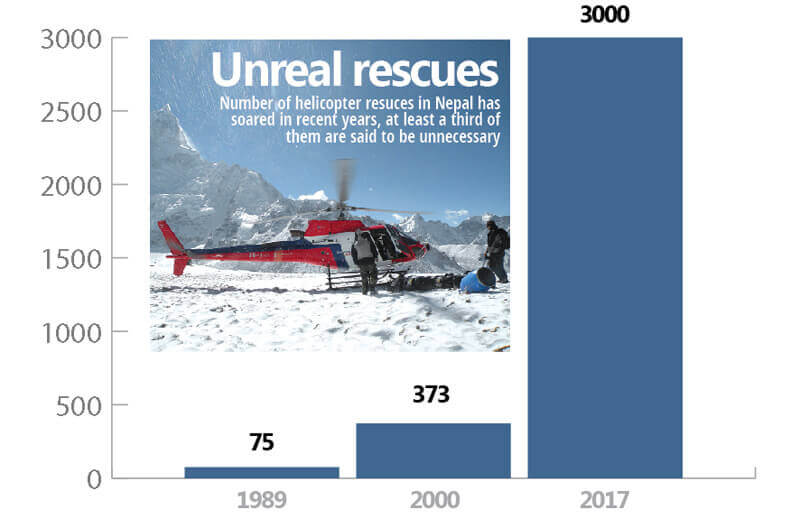
This year’s spring climbing season has coincided with Nepal’s new government taking action against alleged perpetrators in fake rescues and insurance fraud.
The Central Investigation Bureau (CIB) has already arrested more than a dozen trekking agency executives, hospital managers and helicopter company executives for medevac insurance fraud. Climbers are known to fabricate medical emergencies, get flown down from as high as Camp II on Everest, and then submit false insurance claims.
Sometimes one flight is made to look like many using fake invoices. Trekking companies are also involved in fake rescues of hikers who just get tired of walking.
Too many fake claims could lead to insurer’s losing confidence in the industry, and increased premiums, leading to delayed responses in real accidents.
As a result of the scandal, there is now more scrutiny from the government about rescues. Already, helicopter operators have to wait for permission before carrying out rescues while their application is vetted.
The worry is that this could cause unnecessary delays when time is of the essence in mountain rescue. Already, medevacs are delayed because of the bureaucracy needing permits to fly to sensitive regions bordering China. Last year, a climber died on Himlung because helicopter rescue took too long while operators ran from door to door in Kathmandu to obtain necessary permits.
Mingma David Sherpa, MP
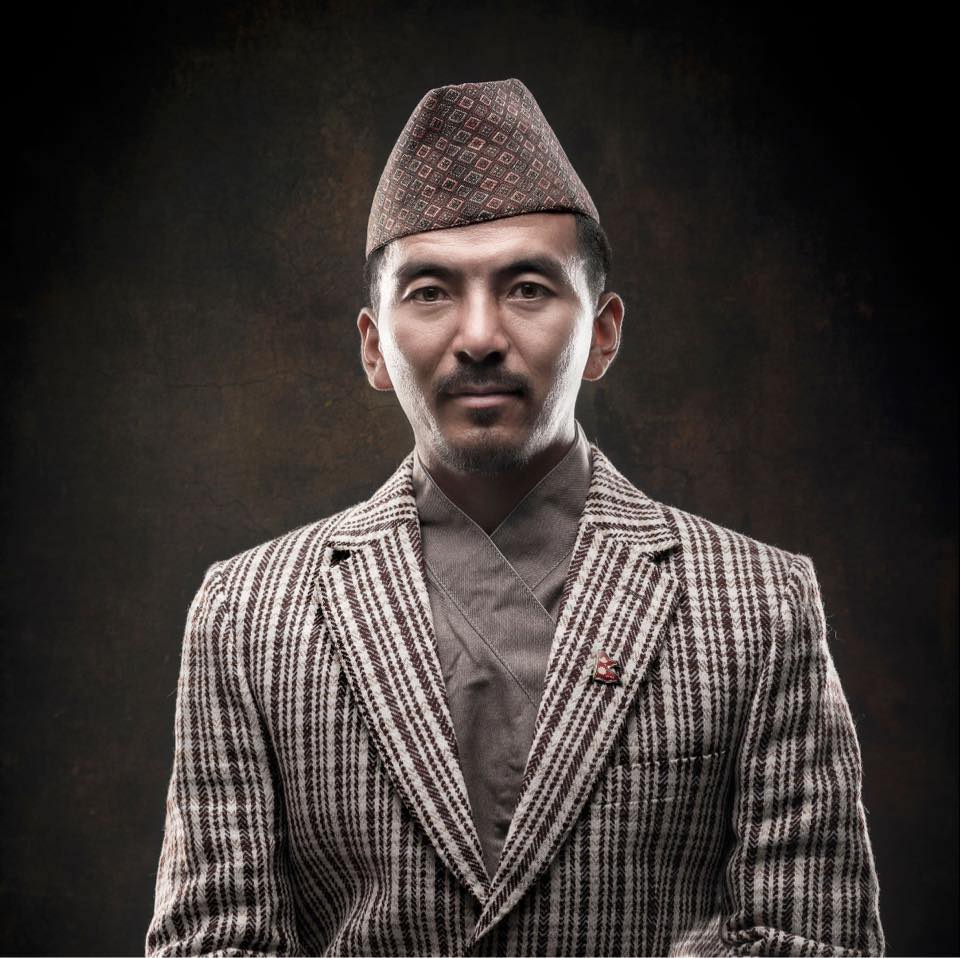
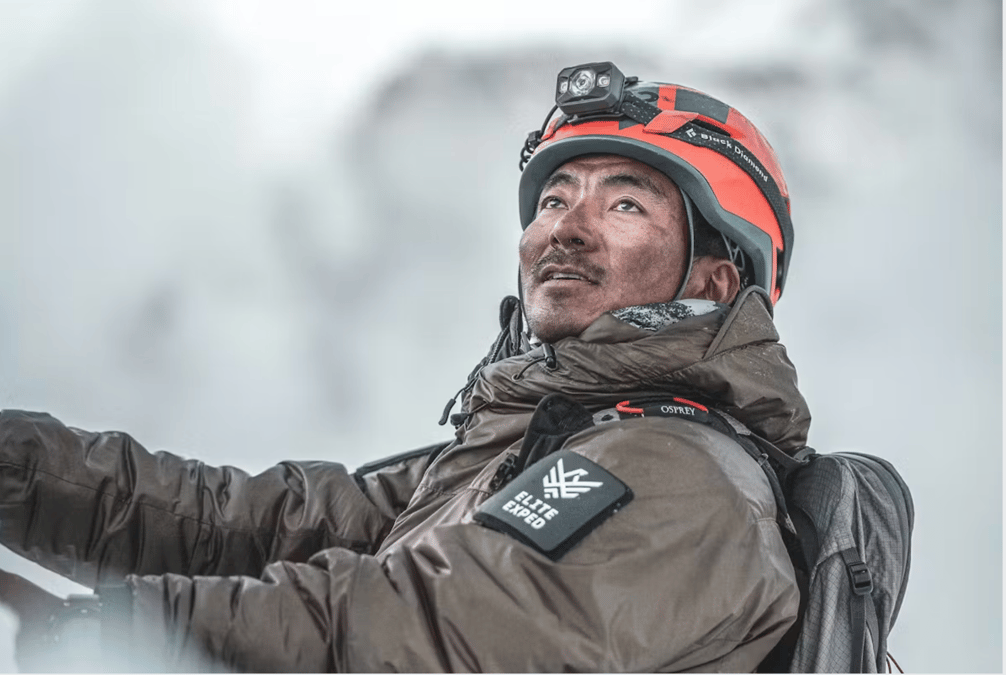
Meet Mingma David Sherpa, Nepal’s first mountaineer to be nominated to Parliament. Sherpa is a self-made professional climber from Rolwaling, who rose up from an expedition porter to a record-breaking mountaineer and expedition organiser. As an insider, he is now in a position to streamline laws related to Nepal’s trekking and mountaineering sector.
He is co-owner of EliteExped with Nims Purja, and in 2021 the two were part of a team of Nepali climbers to be the first to make it to the top of K2 in winter, the second highest mountain in the world in Pakistan.
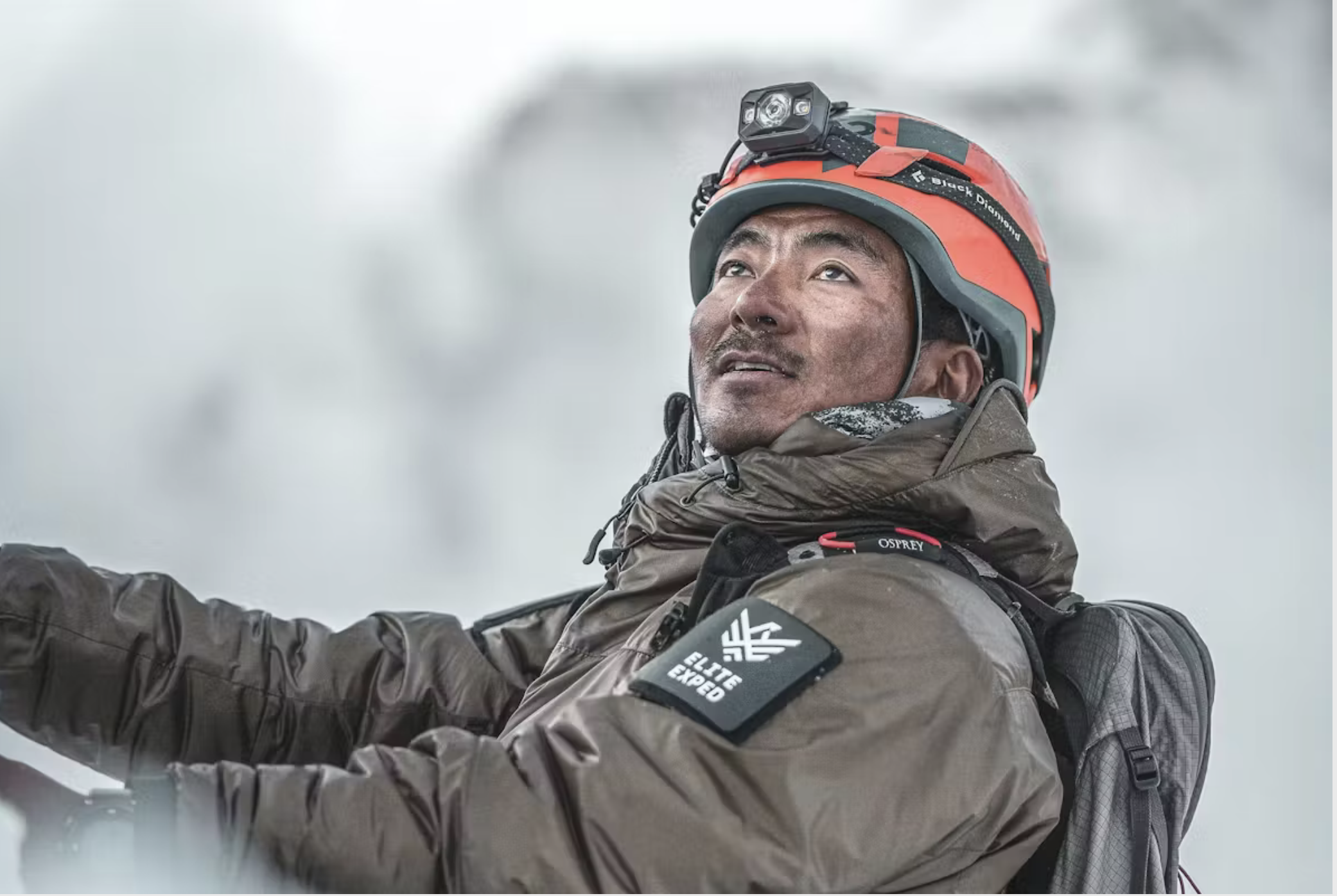
Mingma David was also on Purja’s Project Possible to climb all the 14 eight-thousanders in six months, shattering the previous record of seven years. He was featured in Purja’s documentary 14 Peaks: Nothing is Impossible.
At age 30 he became the youngest climber to reach the top of all 14 eight-thousanders for which he was awarded the Piolet d’Or.
Mingma David has taken part in dozens of successful rescues of fellow climber, including the highest ever long-line rescue on Dhaulagiri and saving the life of fellow-climber from 8,600m on Everest.
April Fool
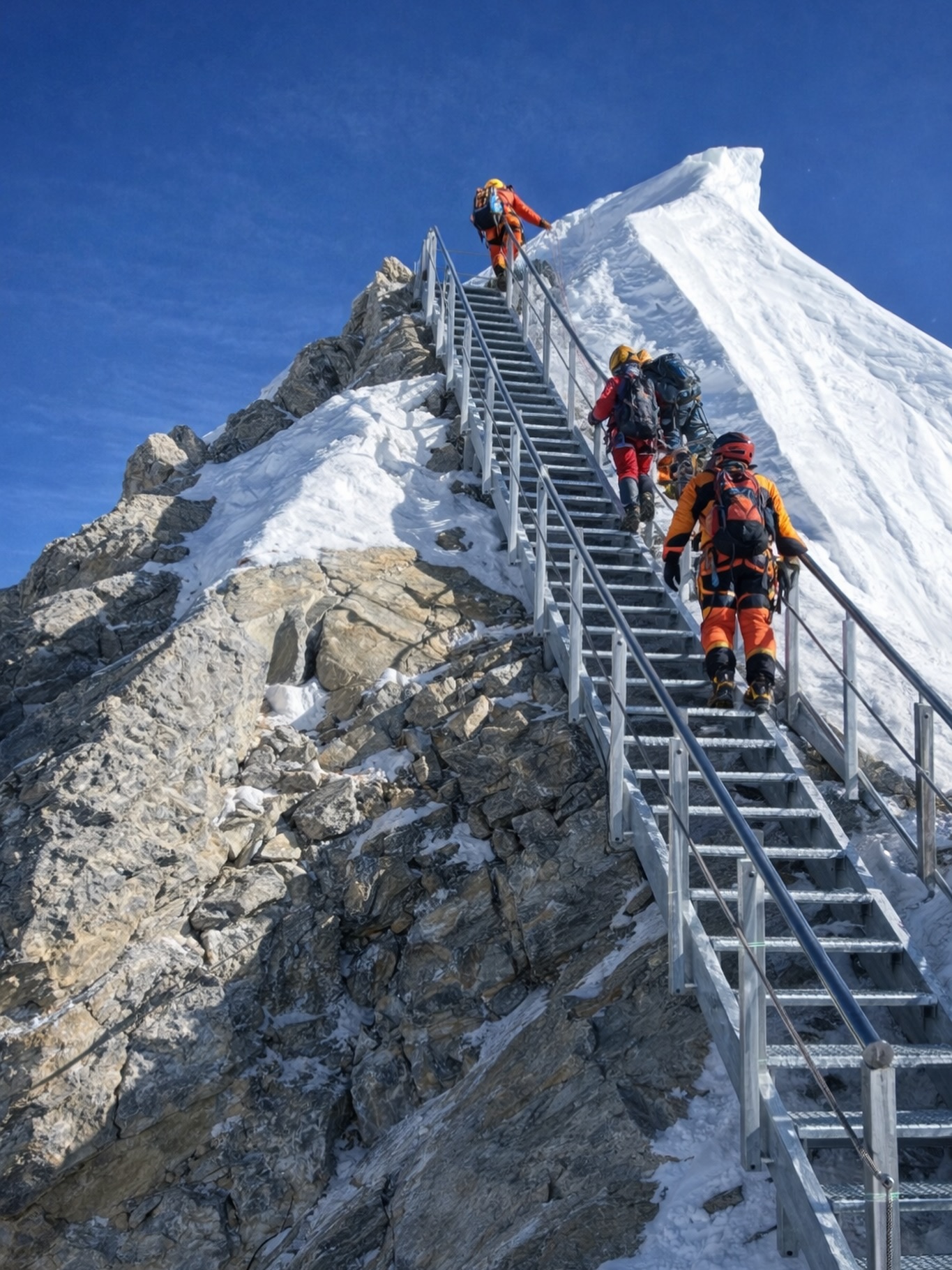
The Austrian expedition outfitting company Furtenbach Adventures spoofed the anticipated crowds on an April First post on social media this week, showing ‘a fully galvanized, weather-resistant steel staircase, complete with a sturdy handrail’ to make the Hillary Step bottleneck on Mt Everest less dangerous.