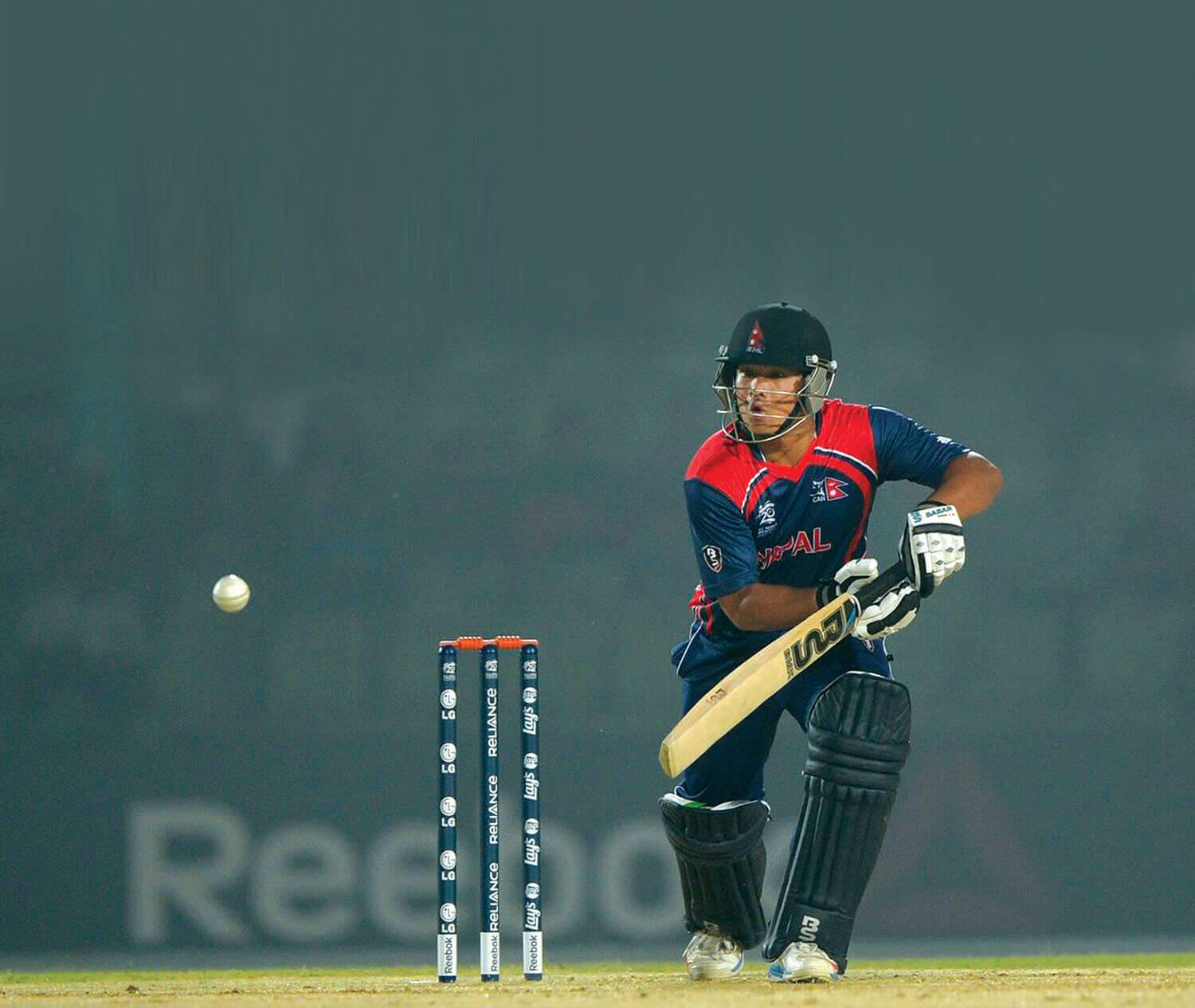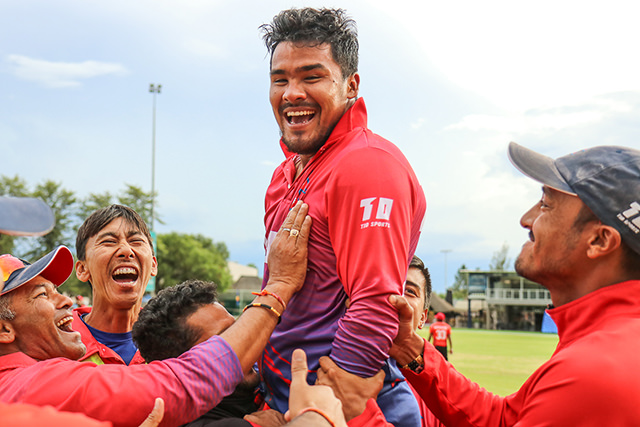
It was the final of the 2018 ICC World Cricket League in Windhoek, and Nepal was in dire straits. Needing 195 runs to win, the team was down to its last wicket at 144.
Sandeep Lamichhane and Karan KC then pulled off a heroic and historic last stand of 51 runs to snatch victory from the jaws of defeat (pictured above). They won the coveted One Day International (ODI) status, and Nepal was in the same league as cricketing heavyweights England and India.
“I was a proud coach witnessing history unfold,” recalls Jagat Tamata, who now coaches the Nepali women’s team. “I will never forget those incredible moments.”
But three years after the miraculous win, Nepali cricket’s meteoric progress has hit a snag.
Nepal is competing internationally in April after a 13-month pandemic-induced pause. Coaches and players alike have bemoaned the lack of international exposure, and its impacts on the game’s development.
To be sure, there are age-old problems plaguing Nepali cricket. The International Cricket Council (ICC) suspended the country's cricketing body Cricket Association of Nepal (CAN) from 2016 to 2019 for politicising the sport.
Corruption and infighting is rampant within governing bodies but crumbling sports infrastructure has not been able to support local talent either.
“Unnecessary meddling is an obvious problem, but we are taking small steps to rectify that,” assures CAN President Chatur Bahadur Chand. “With the backing of fans, media and sponsors, we hope to continue important tournaments and increase exposure.”
One such tournament, the Everest Premier League, is due to resume in September 2021. Headlined by marquee players like former national captain Paras Khadka and New Zealand pinch-hitter Corey Anderson, the tournament is expected to usher in a new era of fast, exciting and competitive cricket to the country.
The sudden rise of cricket in Nepal has transformed the game from an elite pastime to a beloved sport of millions of fans. Imported from Britain in the late 1940s, cricket was first played on four pitches across Tundikhel. CAN was set up in 1946, and soon tournaments under Rana patronage (pictured below) attracted established players from India.
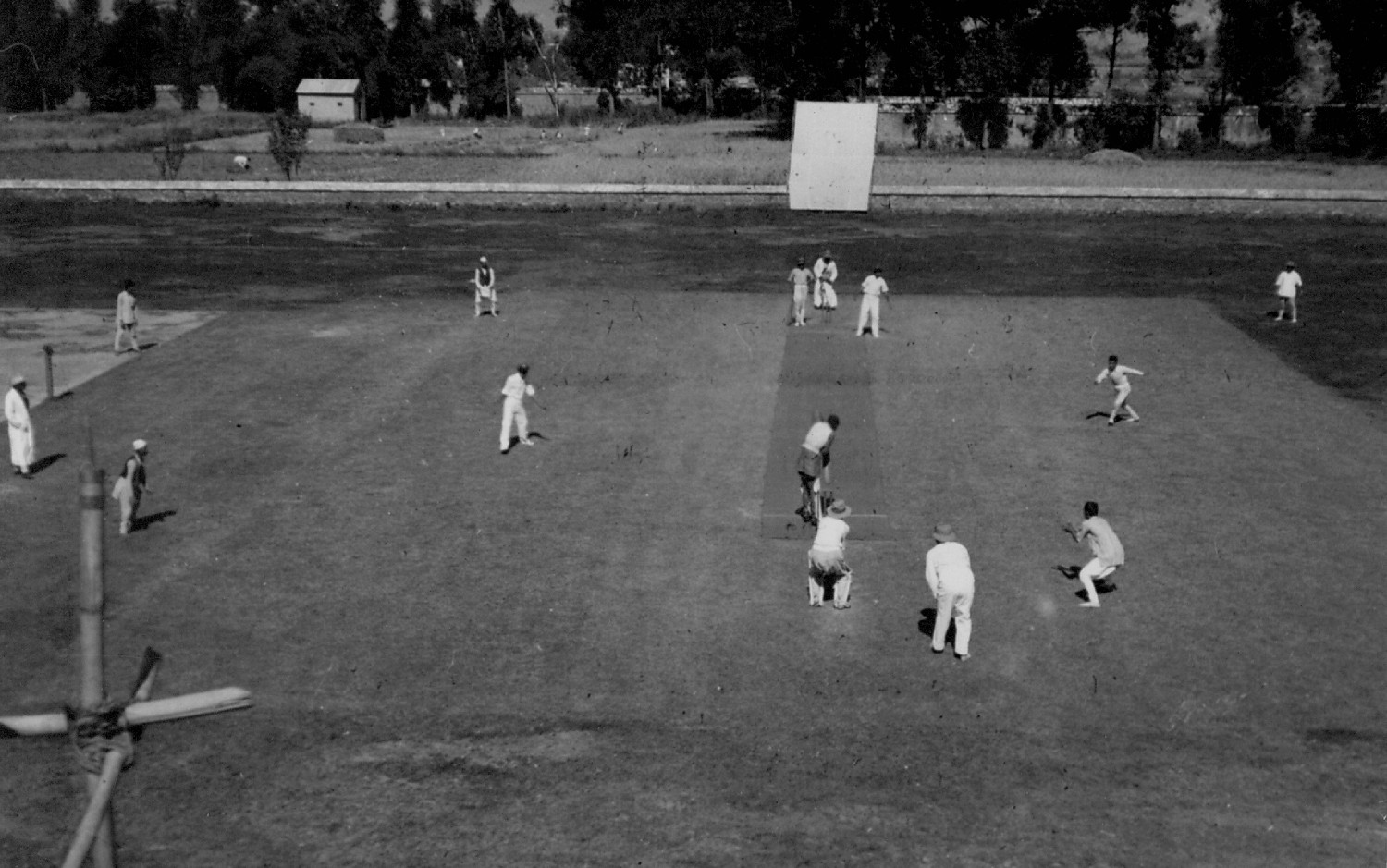
“We first started out at Tundikhel, then fanned out to every empty space available,” recalls former cricketer Raju Basnyat. “Cricket really took off once the Tribhuvan University turf ground was completed.”
Towards the end of Panchayat, the Royal Nepal Army restricted access to the grounds. Tournaments were cancelled and cricketers started fading into obscurity as international exposure decreased.