
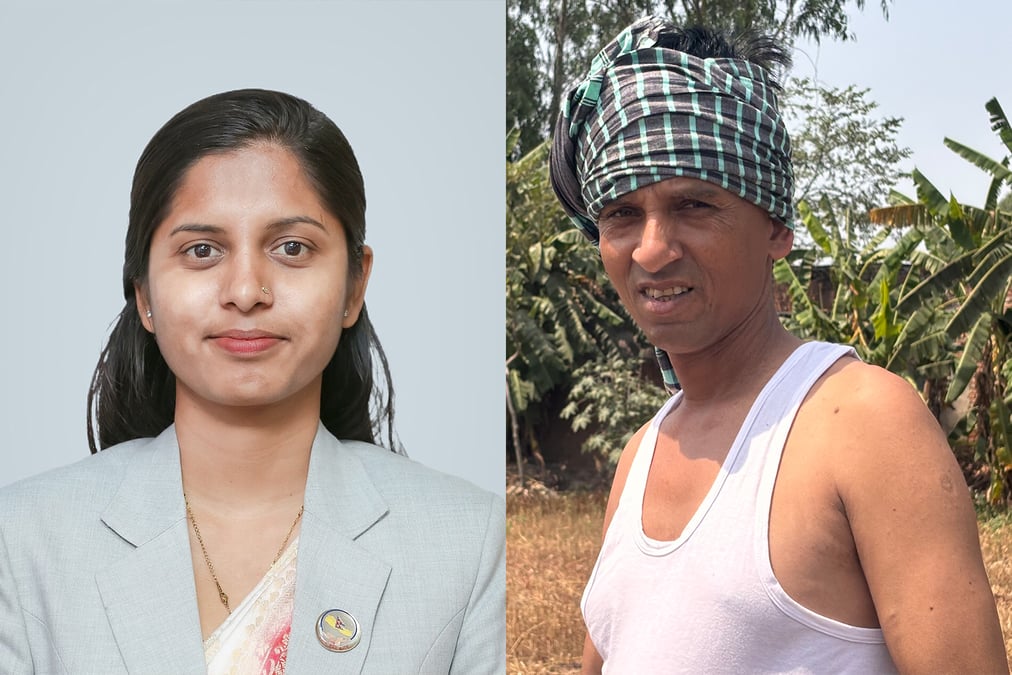
This is the 91st episode of Diaspora Diaries, a Nepali Times series in collaboration with Migration Lab providing a platform to share experiences of living, working and studying abroad.
I have still not come to terms with the reality that my daughter Ruby Thakur is now the Deputy Speaker of Nepal’s Parliament. Sometimes, when I am walking, the thought hits me, and I cannot believe it.
Things changed for my daughter in a very short time. I had dreamt that the best my daughter could achieve was a good engineering job. Fate had bigger plans for her. She is no longer just my daughter, she is the nation’s daughter. Nepal’s daughter.
My children’s education was always my foremost priority. That is the main reason I went overseas for employment. I realised the value of education while working in Saudi Arabia. In my office, colleagues with good education earn $8,000 per month working on computers. Those with low education toil outdoors in the heat for much lower wages. A good education or skills can change everything.
I am in Nepal on vacation and will soon return to my job. Ruby is all set now. But I still have to take care of my other children's education.
As the eldest son, I myself never got a chance to prioritise my own education. I dropped out in Grade 7 because I had to take care of my ageing parents and younger siblings. I have done all kinds of jobs. I worked in a landlord’s field for a share of the harvest. Even now my wife and I farm for the land owner and have to give away half of what we grow.
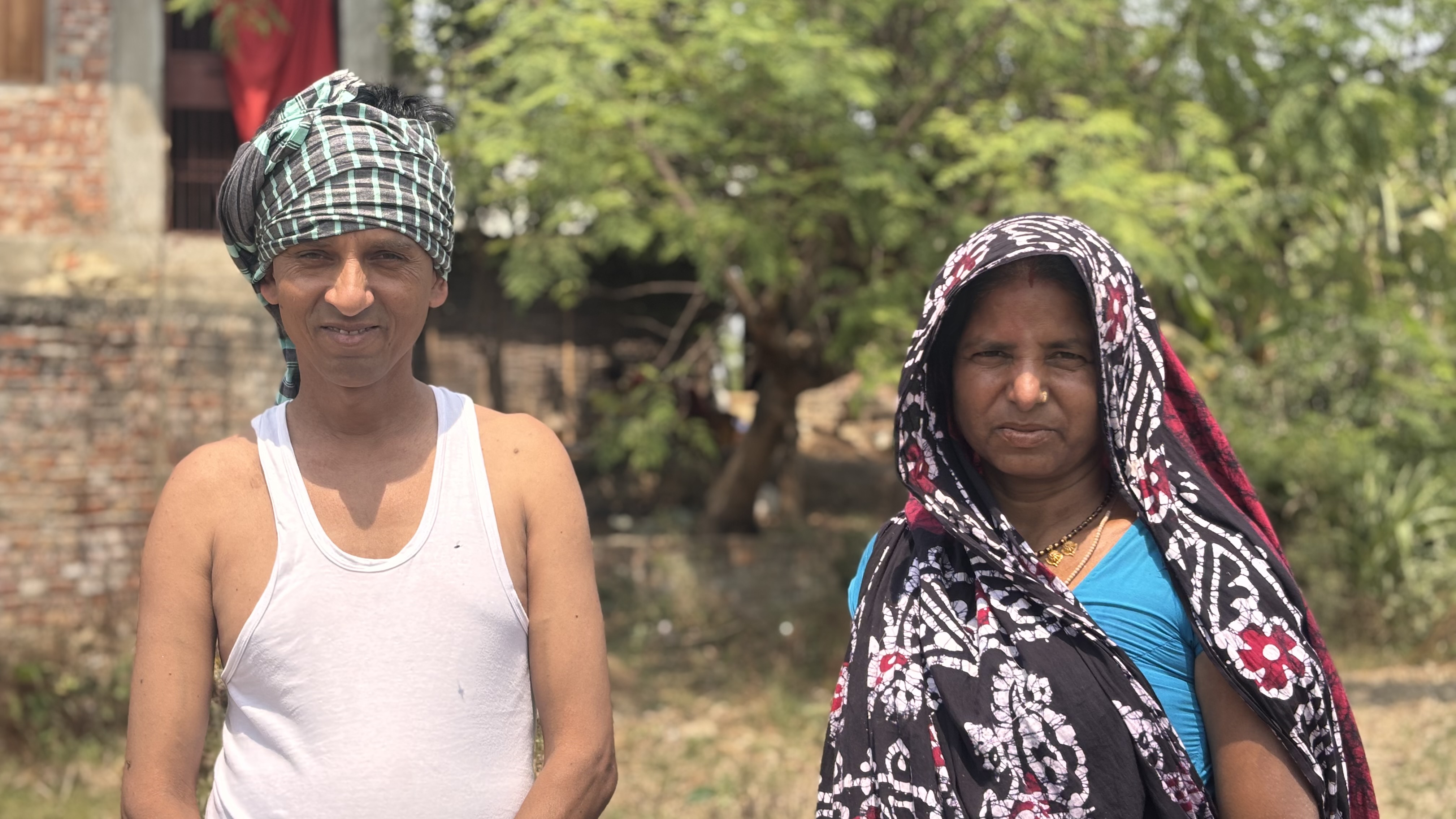
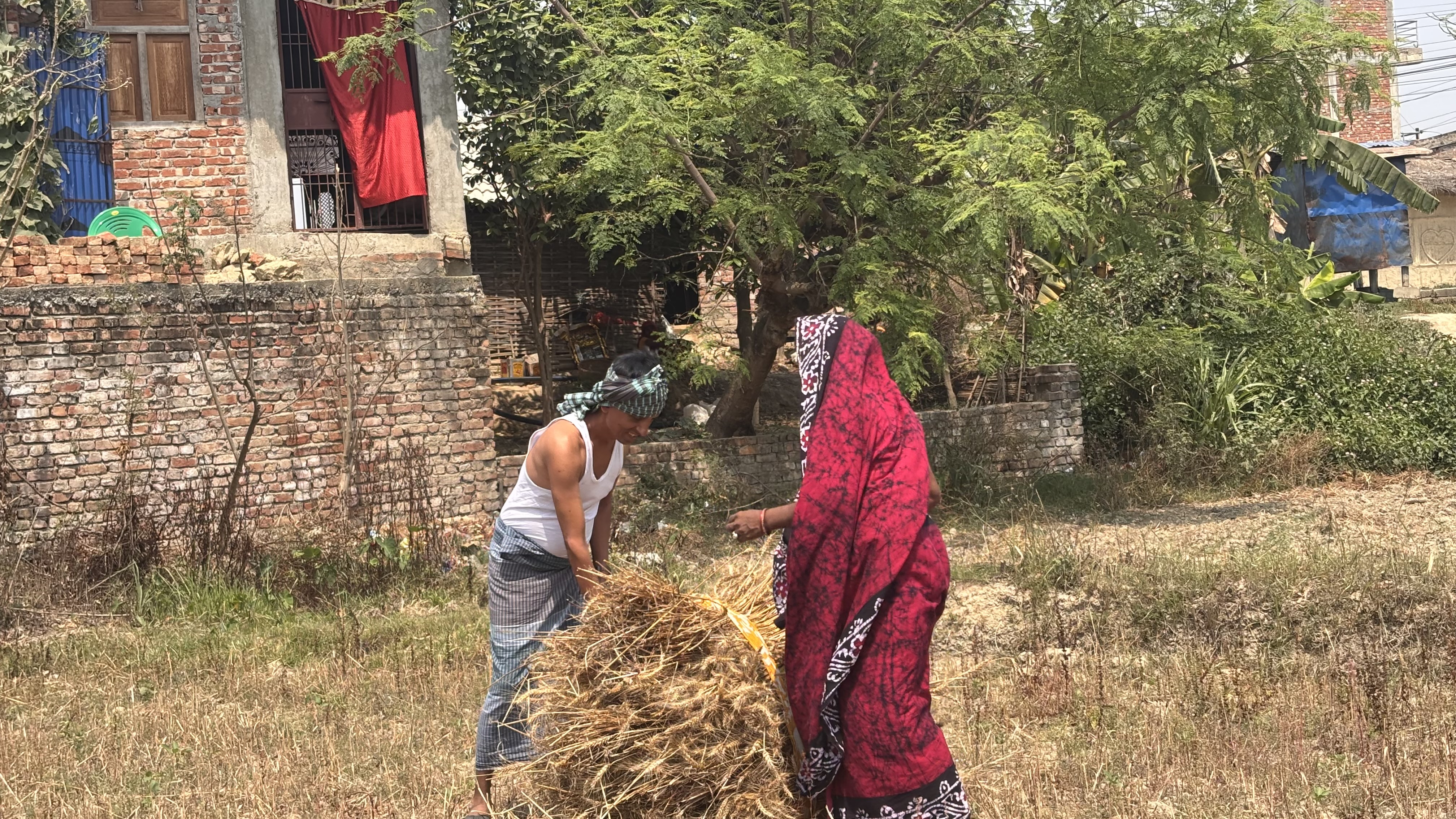
Then I worked as a barber, my family’s line of occupation. I went door to door cutting people’s hair and later worked in a relative’s saloon. Hairstyles were simple back then, and I got to keep half the fee. I also worked in a brick factory where I was paid weekly.
I married when I was 16, and my wife was a year younger. As my family and responsibilities grew, I had to migrate leaving behind my three children including Ruby who was just three months old.
I went to Qatar where I continued working as a barber. It was a large saloon and the standards for cleanliness and professionalism were higher. I had to hand over 70% of my daily earnings to the employer. I had to rely on my colleague to translate what the customer wanted. But I slowly became fluent in Arabic. I used to jot down words in Nepali and Arabic and memorise them. In Qatar, customers even came at night for haircuts, and people stayed up late. I would work till 3AM.
Communicating with my family was one-way. I would go to Bismillah and ask someone to type out questions to my family about their whereabouts, how the harvest was that season. I would offer very little information about my life in Qatar because it was not easy. What was the point of getting them all worried? What could they do?
I never received a letter in return, so throughout my time in Qatar, I never knew how my family was faring. When I appeared in the village after five years without any advance notice, it was a bittersweet reunion, and I had no gifts. I still remember how unfamiliar my village felt when I came home after so many years. I had to ask for directions.
When I came home, Ruby was already in school. I had left her in my wife’s arms five years prior. I missed her growing up, and did not even see her pictures. My wife had to introduce her to me as her father. But it took just 15 minutes for her to warm up to me.
The Arabic skills I had picked up in Qatar came in handy when I remigrated two years later to Saudi Arabia. I worked as a labourer in the desert heat, but once my company found out I spoke Arabic, I was hired for an indoor job as an office boy. The struggle in Qatar had paid off. I worked in an air conditioned office serving tea or coffee, doing bank runs or getting documents signed and photocopied. I have worked in the same company for the past 20 years, sending money home.
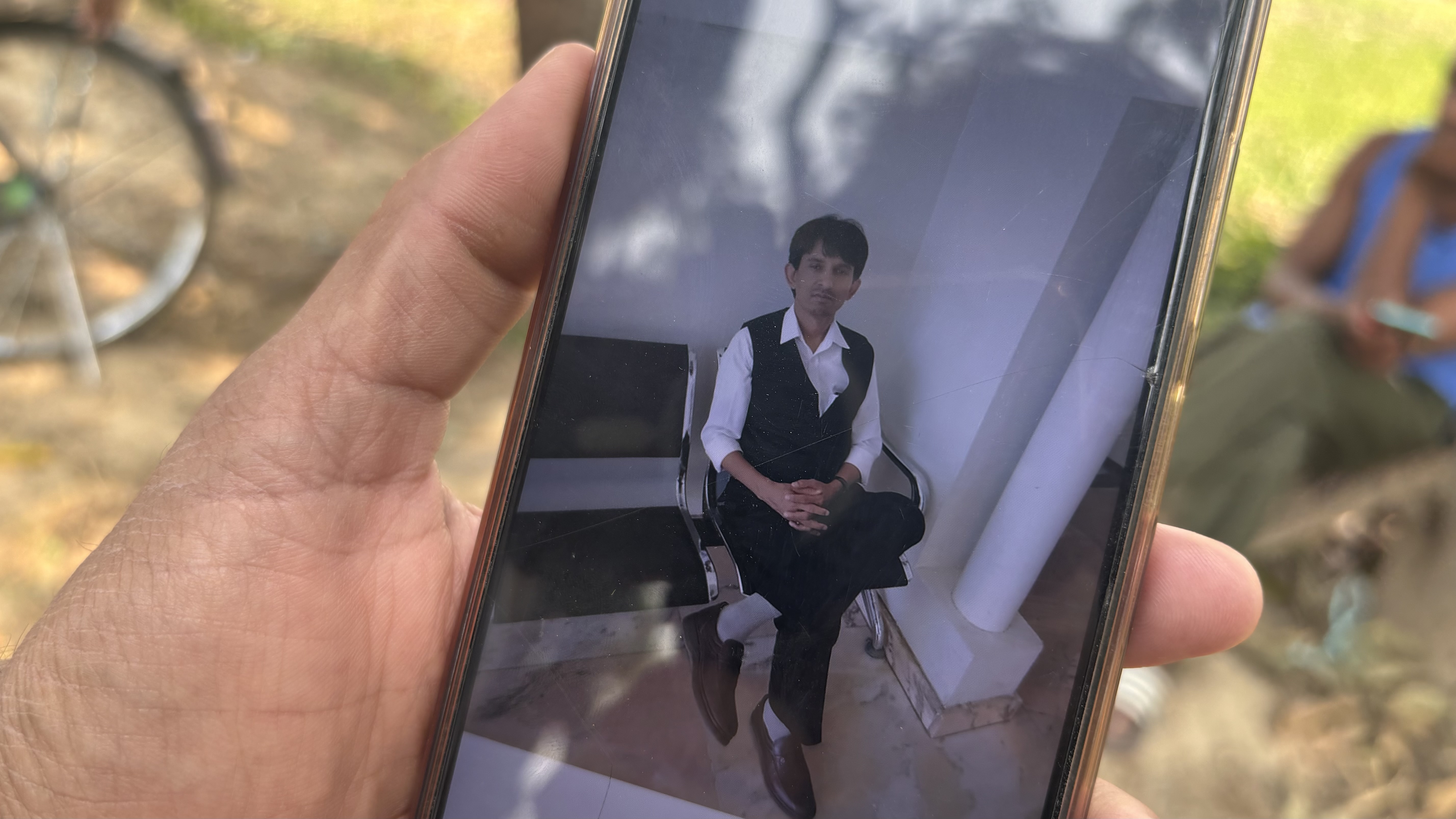
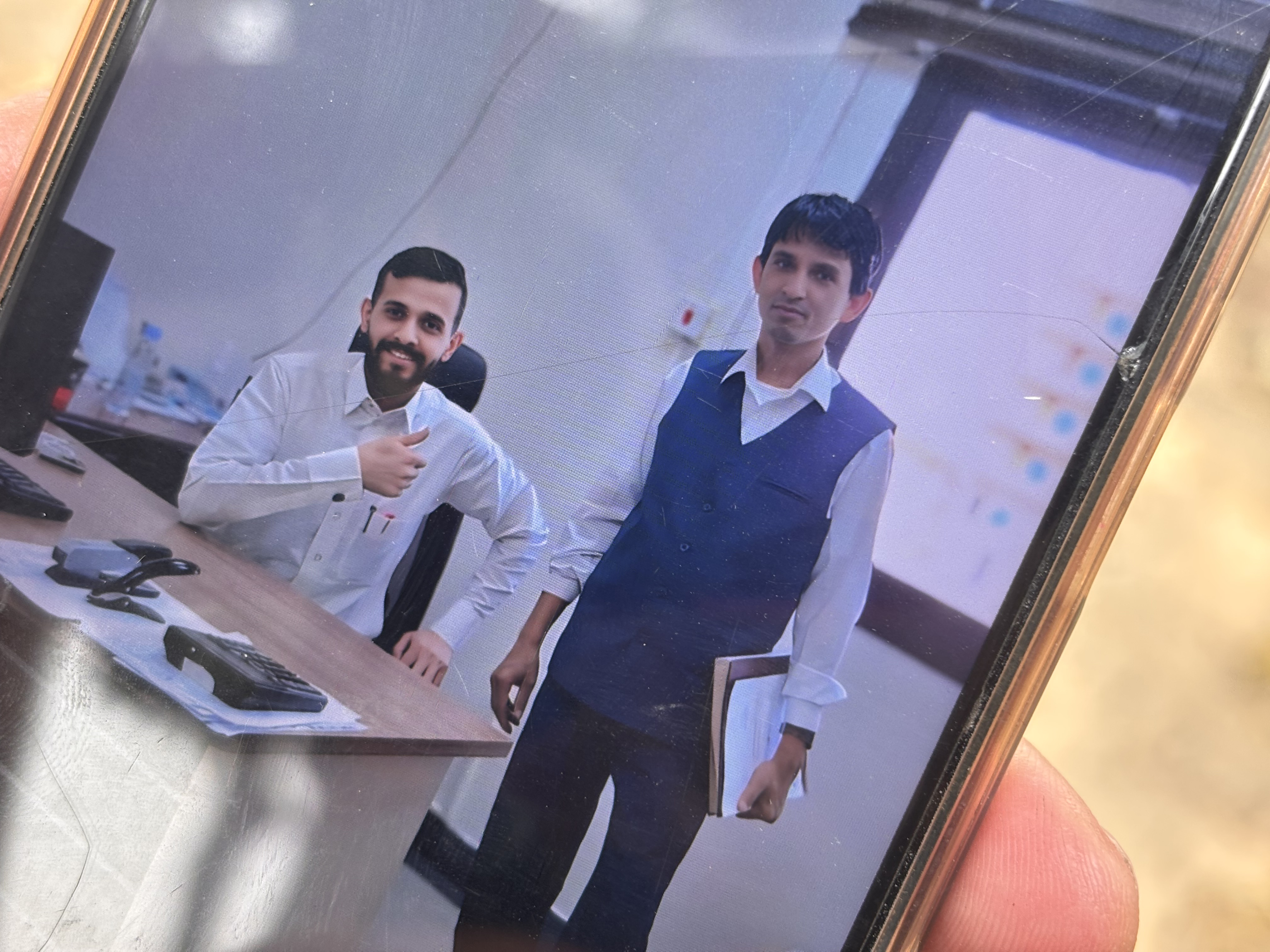
My wife is not just my children’s guardian, but also mine throughout the two decades I was away. I trust her with all my earnings, and she manages our household finances well. She makes sure that the children’s school fees and other expenses are paid on time. These days, with video calls, things have become much easier for me to stay in touch with home.
When Ruby told me she wanted to do an engineering diploma, I was happy. Later, her friends inspired her to join politics so she started getting involved with Shram Sanskriti Party. I first found out she got the proportional representation nomination through social media while on my work duty in Saudi Arabia. I was so excited, but even more so when she was elected Deputy Speaker. I was back home in Dhanusha on my vacation at the time.
We are overjoyed and waiting for her to come back to the village for a visit when she gets a chance so we can celebrate properly with everyone. I plan to go back to Saudi Arabia as originally planned, I have a good job and will work for maybe five more years. Ruby has taken 75% of the load off my back. She can help take care of her siblings.
I sleep at 8PM every day and wake up at 5AM to exercise before my day in Saudi Arabia begins – I have stuck to the same routine for the last two decades and it has worked well for me and my health. I have a good rapport with my boss who is an Egyptian. My requests to resign have often been met with counter-offers to stay on. My honesty and hard work have won me the company's trust.
I will go back and resume working as I have, despite my daughter’s huge achievements. I am still a farmer’s son, a simple man who has to fulfil his family responsibilities. My colleagues in Saudi Arabia are aware that Ruby is Deputy Speaker in Nepal’s Parliament, they are all happy for me and have congratulated me. This time, when I go back, I have promised them that I will throw a bakhri party to celebrate my daughter’s achievement.