Let’s face it, Nepal’s civil service is not held in very high regard by Nepalis themselves. But in the past seven years after the affirmative action policies of the new Constitution, there are signs that the bureaucracy is more inclusive and efficient.
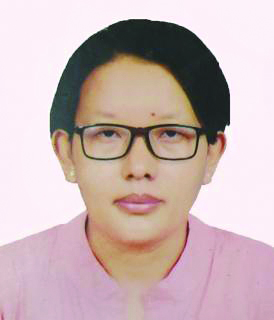
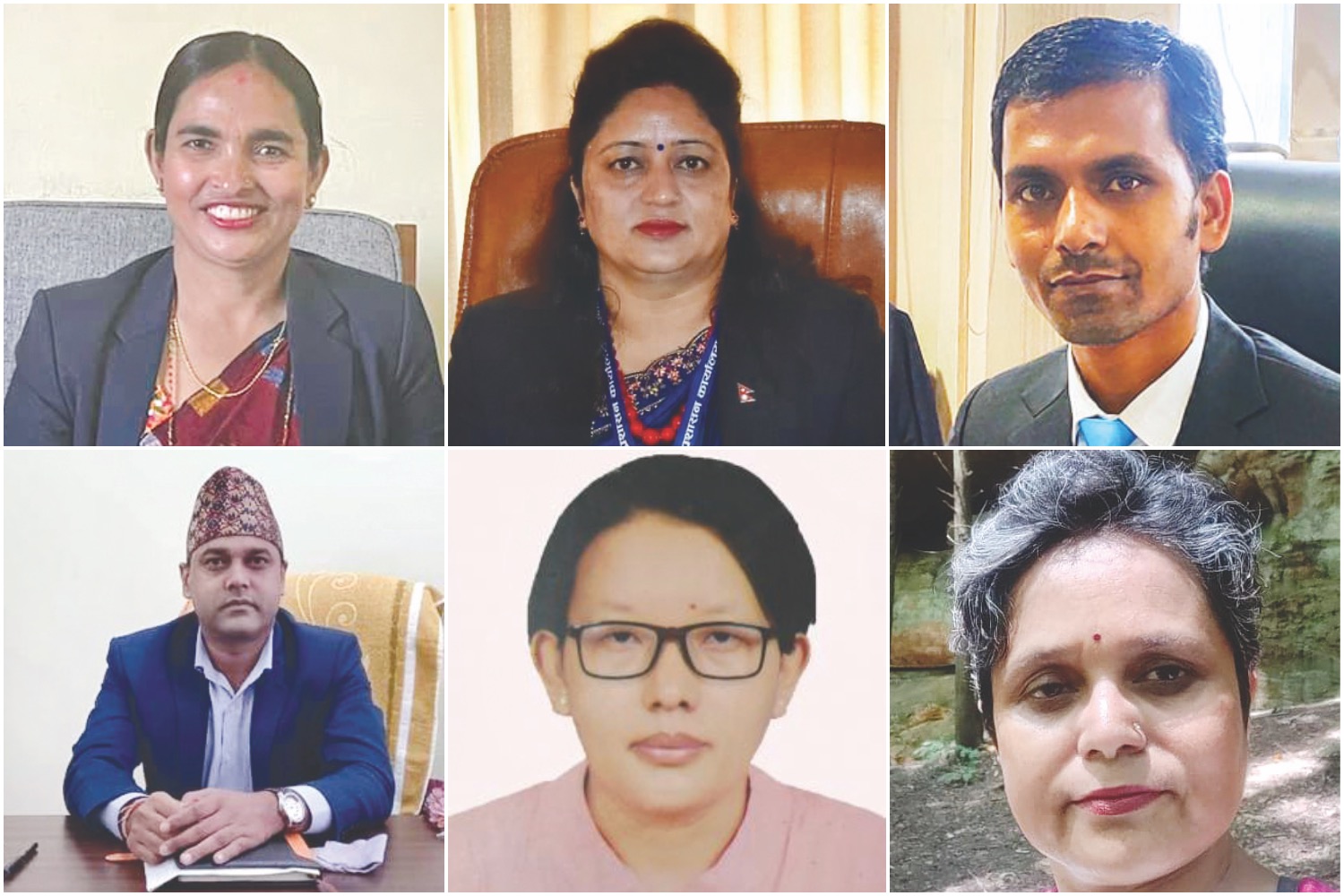
Take Manmaya Bhattarai Pangeni, who entered Nepal’s civil service as a junior branch officer in 2006. She rose up the ranks, serving as Chief District Officer (CDO) of Nawalparasi and is now secretary at the Gandaki Province Chief Minister's office.
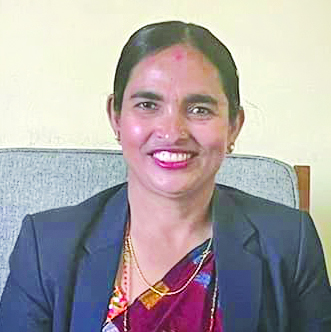
As CDO, Pangeni was committed to curbing illegal sand extraction and quarrying that worsened floods in the district. Serious crime, including violence against women, went down during her tenure. She completed stalled infrastructure projects.
“My experience has taught me that no matter what professional capacity we might work under, it is possible to change our society for the better if us civil servants are seriously committed to transformation,” says Pangeni, who was one of five civil servants to be honoured at the 'Integrity Icon Nepal 2021' last year.
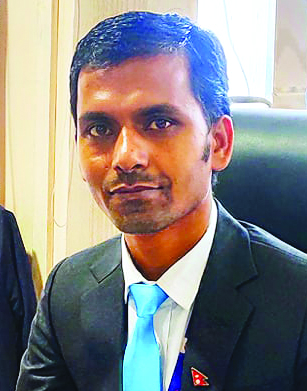
Indra Dev Yadav served as CDO of Sunsari and Rautahat, and was appointed a joint secretary under the Madhesi quota two years ago. Yadav was known in the districts for his boots-on-the-ground approach to get things done.
Under Yadav, Rautahat climbed from the 60th position to 19th (and first place within Madhes Province) in the annual district performance appraisal of the Home Ministry.
Read also: Power to the periphery, Sonia Awale
“You don’t know much about what people need just by sitting behind a desk,” Yadav says, “I engaged with communities to learn about their concerns like being cheated by manpower agencies, security issues, etc.”
Yadav is critical of Nepal’s bureaucracy, the red tape that makes it difficult for citizens to access services, and says he is determined to change that.
"The under-served and under-represented, including women and children, the elderly, the disabled, the Dalit community suffer disproportionately from an inefficient bureaucracy,” says Yadav. “It is our job to make the district administration more accountable to the people we are supposed to serve.”
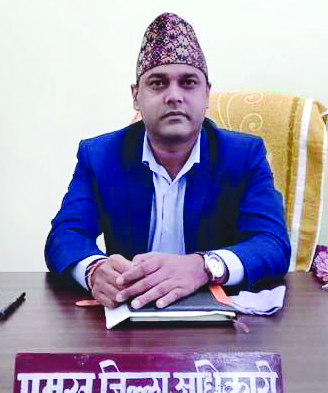
Pangeni and Yadav would not have risen up the ranks of the bureaucracy without quotas for women or Madhesis in the civil service. There are now many others like the two.
Read also: Think nationally, vote locally, Editorial
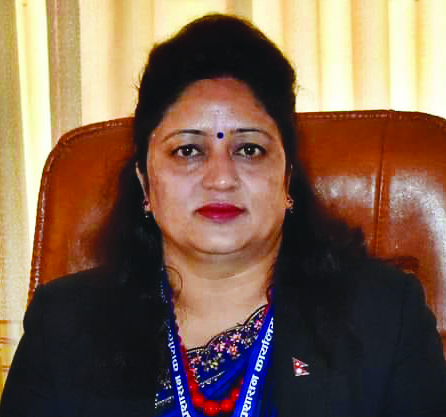
Quotas have ensured that there are increasing numbers of women, Dalit, Madhesi and indigenous people in the government service, and many of them proving their worth with decisions that reflect the priorities of hitherto excluded communities.
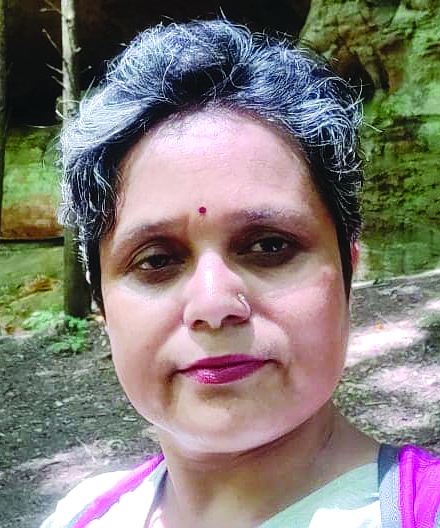
In Gulmi, CDO Rudradevi Sharma went house to house herself, to personally process the citizenship certificates of the elderly and the disabled. Gulmi ranked third among Nepal’s 77 districts in the Home Ministry’s performance evaluation. She is now CDO of Bhaktapur district.