
|
|
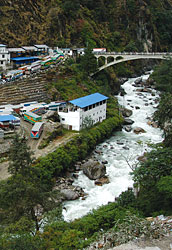
A trip to Tatopani can really open your eyes. It's a national highway where the laws of the land have been subcontracted to multiple players. The political parties are experimenting outsourcing of taxes, duties and fees. Now, they should also outsource revenue collection, at least the money would go to government coffers.
Across the border in China new buildings are springing up to house a population which has been expanding steadily for the past 20 years, alongside its growing congestion and garbage disposal problems. Rumour has it that a posting to the Chinese side of the border is a much sought-after experience, offering as its reward the potential for great personal economic uplift!
The entire stretch of highway from Dhulikhel to the Chinese border appears to exist for one reason only: to make money from the illicit transit of red sandalwood. The use of Nepali highways to smuggle this valuable timber from the forests of Karnataka to a buoyant market in Tibet has been going on for a while, ever since the Indian government allowed Tibetan refugees to settle in Bylakuppe in Karnataka's Mysore District in the early 1960s. Veerapan, the notorious dacoit who became a significant global player in the illicit sandalwood trade, was rumoured to be a regular visitor to Kathmandu.
Now the main players in this trade, once an exclusive, secretive club, are upset because the whole extortion racket has come to the public's attention. It is said that a disgruntled member of this elite band blew the whistle when the deal got messy during the tenure of the Maoist minister. Today everyone is involved, from large gangs of young men to the little old lady with her five-year-old grandson, each one of them seeking a piece of the valuable pie.