

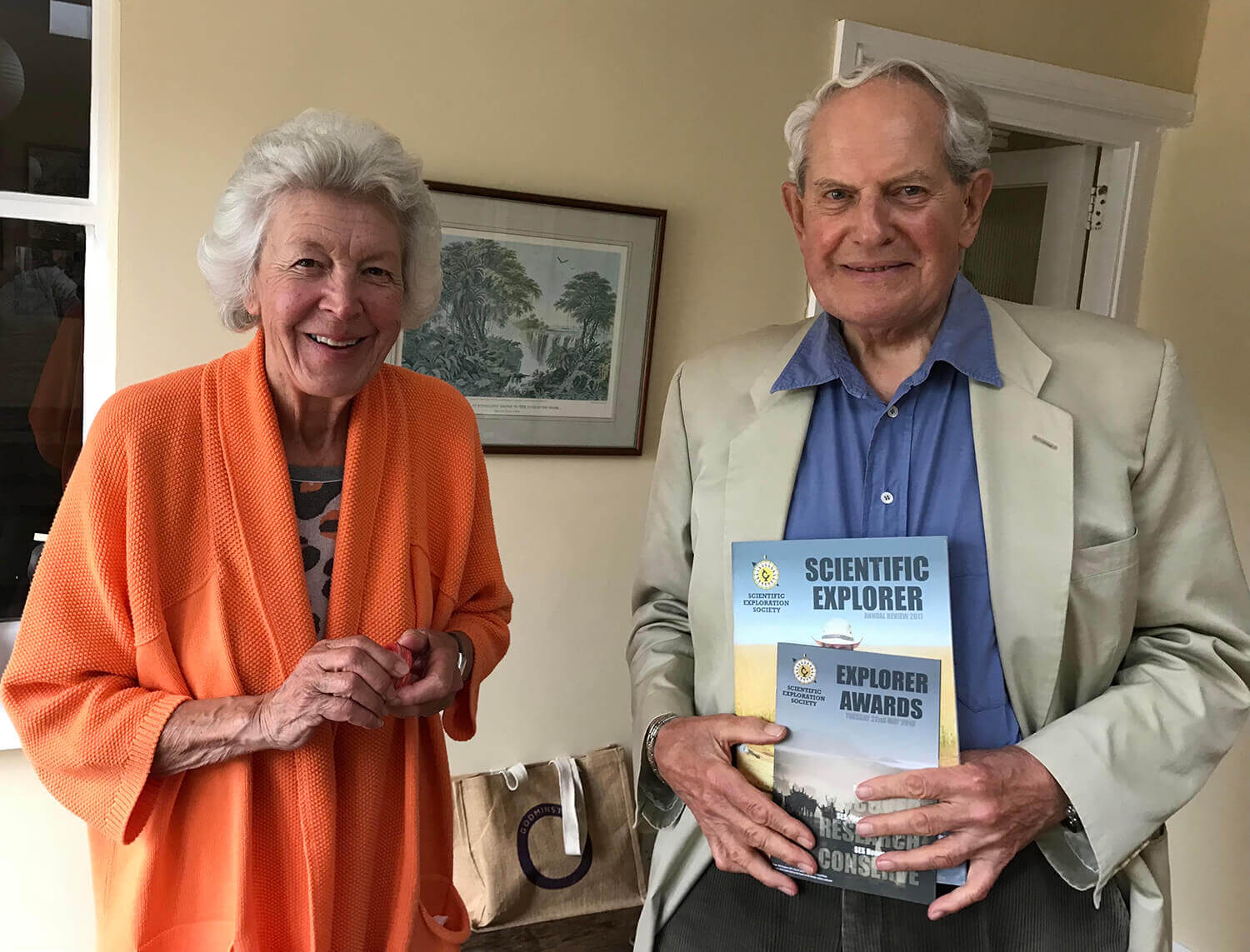
“With this amazing sunny weather, the garden would have been much better if the deer hadn’t eaten everything.” Judith smiled, unconcerned in a bright orange top, as I looked out at the scorched grass and flowerless beds, the trees shady with the green freshness of the early English summer.
We were sitting on a chintz window seat after lunch in the Dorset home of Judith and Colonel John Blashford-Snell, the army explorer and Nepal aficionado. I rested my coffee cup on a glass-topped cabinet that contained a bewildering jumble of JBS’s many expedition treasures – a tiger’s claw, a shark’s tooth, an old compass, glass beads, a mysterious paw.
“I once did a whole television program talking about bits in there,” remarked John, arms folded across a solid barrel chest. “Mementoes from our Operation Drake and Raleigh voyages as well as scientific excursions to various corners of the world.”
Last month to celebrate the 40th anniversary of these youth adventure training journeys, the brigantine-rigged tall ship, the Eye of the Wind, processed under full sail up the Thames with past trainees, staff and patron Prince Charles on board. I was not amongst them, but was keen to catch up with the aging JBS and had driven several hours to see them.
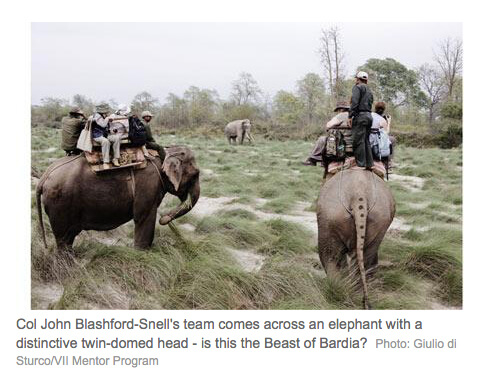
Other than a slight loss of hearing and a few more grey hairs, I need not have worried--Blashers was undiminished in energy and intent, his upright stance only slightly stooped. “I leave with a group next week for a scientific survey of northern Mongolia, and next spring we’ll see you back in Bardia.” JBS’s trips have investigated Karnali river dolphins, Tarai snakes and a suspected mammoth that was in fact a jungly elephant.
But next year will be without Judith. “These days I prefer to travel on my own,” she confides. “No one ever notices, but it’s no fun being on John’s jaunts unless one has a proper job to do. I’m not good at just being the wife.”
They have been coming to Nepal since the 1970s – back when the country’s unparalleled mountain, river and wildlife resources made it one of Asia’s first pioneer adventure tourism centres, an essential choice for those interested in active holidays. Today we take climbing, trekking, river running, paragliding, bird watching and wildlife safaris for granted as core Nepal attractions, but in those days tourists tended to be more sedate sightseers. Nepal was at the forefront of creating adventure travel and ecotourism, now an established global market.
JBS helped put us on the world map, and some of my more radical opportunities came courtesy of him. Taking a holiday break from Tiger Mountain, I was asked to recce remote northern Papua New Guinea for an Operation Drake voyage, assessing its potential with the Naval Defence Force and Robbie, the enthusiastic 21-year-old son of a major American sponsor.