
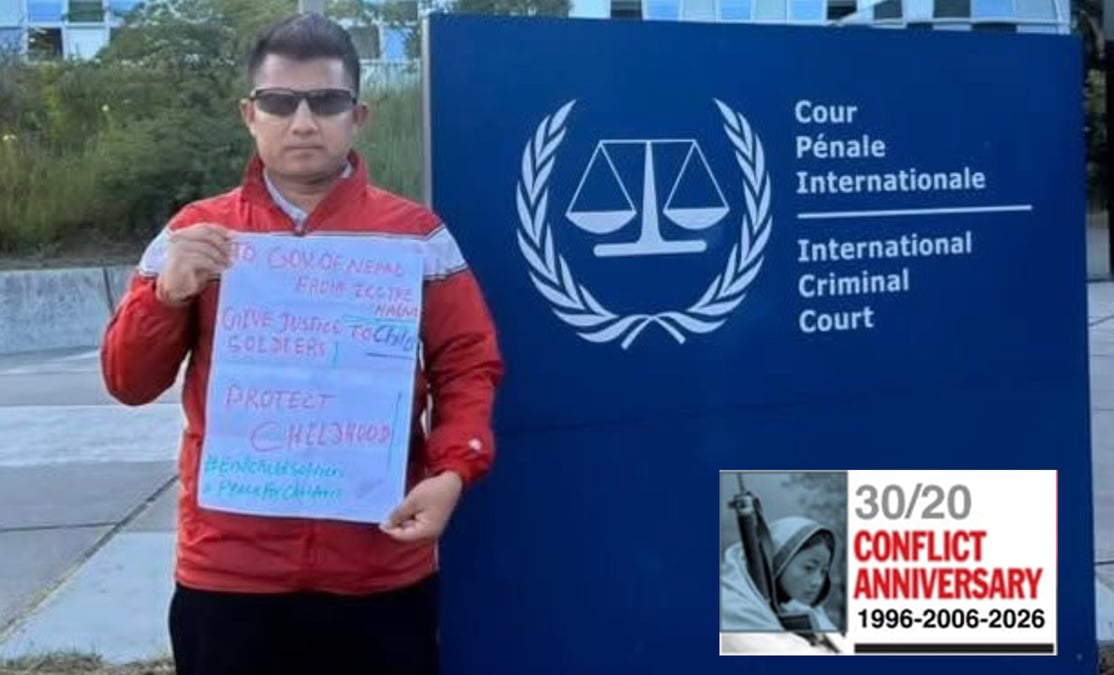
Lenin Bista was 12 years old in 2002 when Maoist guerrillas came to his school in Kavre district to recruit students into their militia. The students had to gather for an assembly and the troupe performed a revolutionary song.
Every household was forced to commit one person to join the militia. The young Bista was attracted by their pitch about taking up arms against injustice, exploitation and discrimination. Along with four other classmates, he decided to join the guerrillas even though (despite his name) he had no idea what Communism was.
Bista was assigned to an intelligence unit and worked as a spy, gathering information about army and police bases that the guerrillas planned to attack. Because he was a child, he could easily go undercover and no one suspected him. The students were trained to make improved explosive devices and use guns.
“We took part in two attacks on army bases,” Bista recalls. “It was a case of kill or be killed. Two of my classmates who had joined with me were killed.”
After the peace accord was signed in 2006, Maoist fighters including Bista were kept in United Nations supervised demobilisation camps for four years. But because they were minors during the verification process, Bista and nearly 3,000 other child soldiers were declared ‘disqualified’.
When he finally came home to his family, Bista was a young lad of 18. The label ‘disqualified’ stung him and he decided to fight for justice, setting up an organisation called Discharged People’s Liberation Army (D-PLAN).
By this time the Maoist party was elected to government, and it jailed him for one year for his activism. Once he was stopped at the airport and could not attend an international peace conference. With the government actively shutting him out and the UN having washed its hands, Bista filed a case in the Supreme Court on behalf of an estimated 4,000 other child soldiers.
JUSTICE DELAYED, NOT DENIED
On Friday, Nepal’s Supreme Court finally recognised the recruitment of child soldiers as a heinous war crime, and directed the government to retroactively make up for the injustice by providing adequate compensation, and by enacting laws criminalising child recruitment in conflict.
The Supreme Court issued the verdict in response to Lenin Bista’s writ petition filed three years ago against Maoist leaders and former prime ministers Pushpa Kamal Dahal and Baburam Bhattarai for the recruitment of child soldiers under their watch.
However, the Court refrained from ruling the two be held individually accountable for war crimes relating to the recruitment of child soldiers, leaving that decision to the two transitional justice Commissions.
The Supreme Court case had kept getting postponed, and the ruling finally came after Nepal’s GenZ protests led to the election of a new government. The Court has now directed the the matter be taken up by the Truth and Reconciliation Commission and the Commission of Investigation on Enforced Disappeared Persons that were formed as a part of the Comprehensive Peace Accord of 2006.
This year marks the 20th anniversary of the ceasefire and 30 years after the Maoist took up arms in 1996 against the monarchy. More than 17,000 people were killed in the decade-long war, nearly 1,400 people are still listed as missing, tens of thousands were wounded and millions displaced.
“The Supreme Court ruling is not just a victory for Nepal, but sets an excellent international precedent,” Bista told Nepali Times after the verdict. “It has been a long and hard battle to regain our lost childhood. We are happy that even though justice was delayed, it was not denied.”
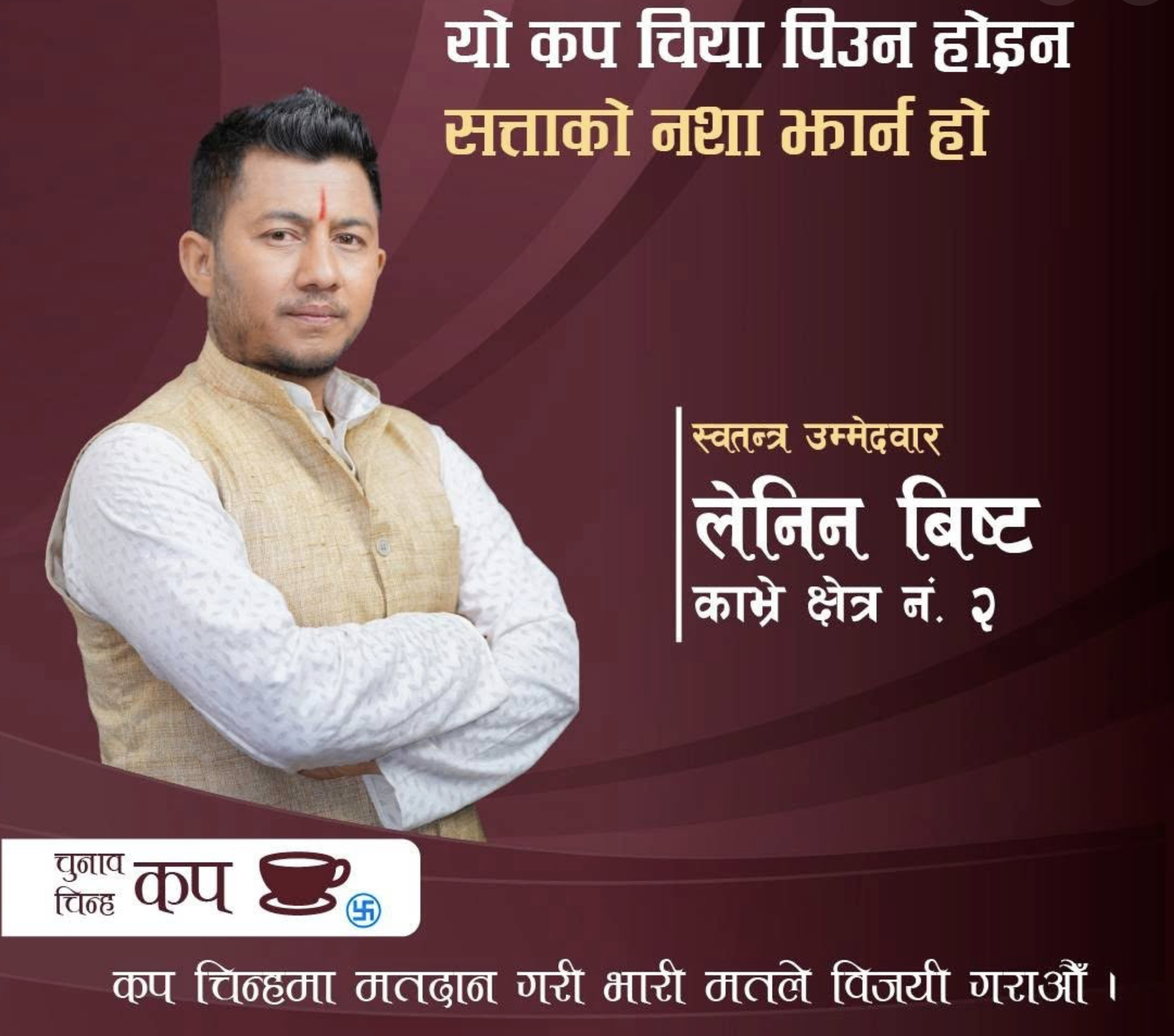
Bista, now 36 and married with two children, took part in the GenZ movement. He had been offered an election ticket by advisers to Prime Minister Balendra Shah. He declined, and decided to contest unsuccessfully as an independent candidate from Kavre. He is now enrolled in a MPhil course at Tribhuvan University’s History Department.
Bista says he is used to intimidating messages from former comrades for his activism, and after Friday’s Supreme Court rulings the threats have become more vicious with some using fake IDs warning that he will be beheaded for being a traitor to the Maoist cause.
The Supreme Court has also directed the transitional justice commissions to provide compensation at par with adult combatants who received Rs800,000 after being discharged from the UN camps. The child soldiers only received Rs10,000 at the time, and were promised another Rs100,000 which never materialised.
‘Many combatants suffer post-traumatic stress, the health and educational needs of the former child combatants must also be addressed, as well as societal stigma,’ the Supreme Court justices wrote in a summary of their verdict.
It added that derogatory terms ‘disqualified’ and ‘discharged’ that belittled their role in the conflict be no longer used in describing child soldiers.
Surveys conducted during the conflict estimated that up to 30% of the Maoist military consisted of minors, some of them known as ‘whole timers’ who were assigned spying or sentry duties. The security forces were also accused of torturing some of minors they captured, suspecting that they were Maoists.