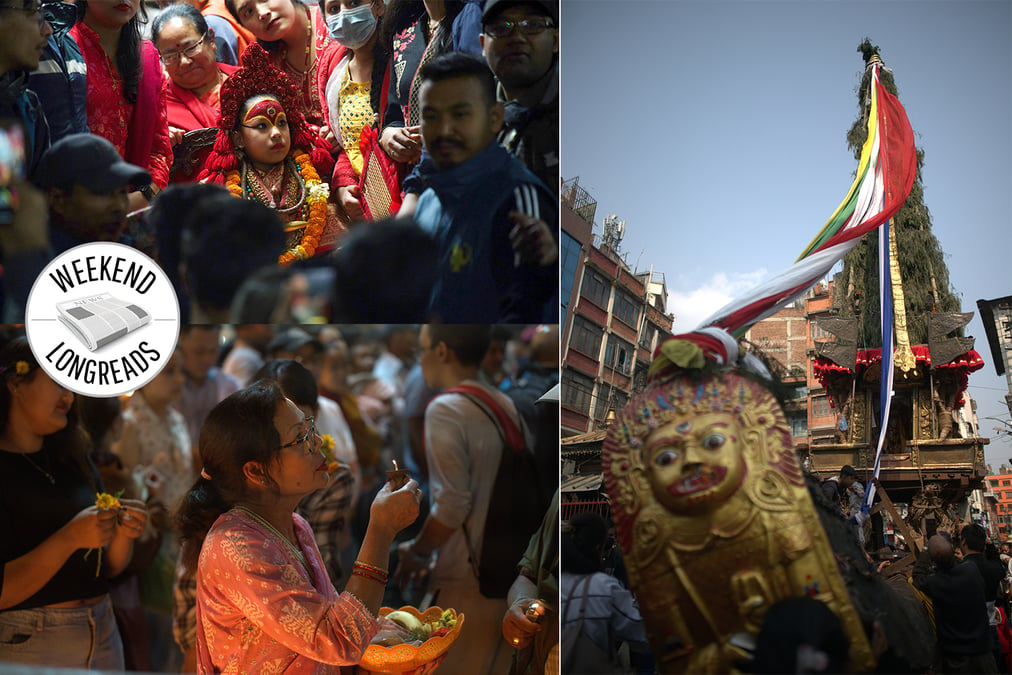
Midway along the stretch of the ancient trade route between Tibet and India lies the Kel Tol neighbourhood. The name is derived from the original Koligrām, and it is believed the Koli people, who were originally from Rāmagrām in present-day southern Nepal near the Indian border, settled here. The Koli were the maternal ancestors of none other than the Buddha.
Kel Tol is famous for the Buddhist monastic complex of Kanak Chaitya Mahāvihar, featuring the majestic two-tiered gilded temple of the white god Karunāmaya.
This elaborately decorated courtyard is a bustling centre of the Vajrayāna sect of Buddhism, practised widely by the indigenous Newā people of Kathmandu Valley.
Karunāmaya, also known as Ārya Avalokiteshwor, is defined in great detail in the 1st century CE Buddhist text Sadharmapundarikā where he liberates all sentient beings from suffering. He helps rid the eight external fears metaphorically equated with their equivalent internal states of mind: lions (pride), wild elephants (ignorance), fire (anger), snakes (jealousy), floods (attachment), imprisonment (miserliness), thieves (wrong views) and cannibals (doubt).
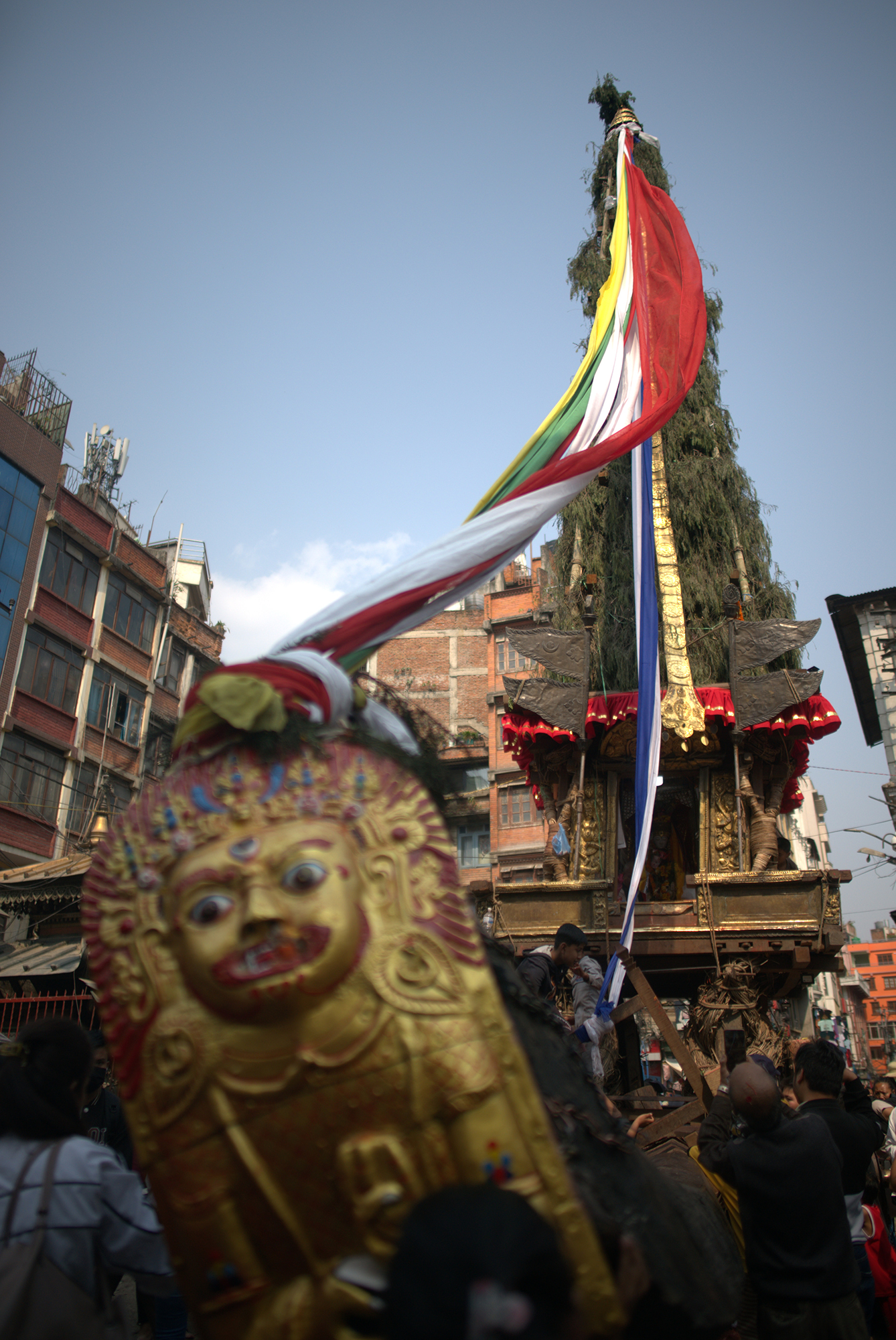
In the Pancha Rakshyā Sutra, a Buddhist scripture from 200 CE, Ārya Avalokiteshwor was counted among the eight major deities.
Followers of the Brāhminical god Shiva worship Ārya Avalokiteshwor as Seto Machhindranāth. For Shaivites, Machhindranāth is the Indian saint who founded the Nāth cult in the 10th century CE. He is the guru of saint Gorakhnāth.
During the reign of Yakshya Malla (1428–1482 CE), a beautiful image of Ārya Avalokiteshwor was dug up by a farmer in present-day Jamal, which was then a cultivated area outside the city. The farmer, known as a Jamami (meaning the one from Jamal) took the image home for safekeeping. That night, Ārya Avalokiteshwor appeared in the farmer’s dream and told him that the proper place for him to reside is at the confluence of two rivers.
The nearest confluence was at present-day Wongha (Indrachok) and the image was installed in the Kanak Chaitya Mahāvihar complex in Kel Tol near Wongha. This made it easier for city residents to pay homage to Ārya Avalokiteshwor and spread compassion.
Soon, the deity came to be revered highly as Jamaleshwor, the one found in Jamal. Eventually, the name got corrupted, as happens often in Nepāl Bhāsā, to Janabahā Dyo. The courtyard where his temple is located is now popularly known as Janabahā.
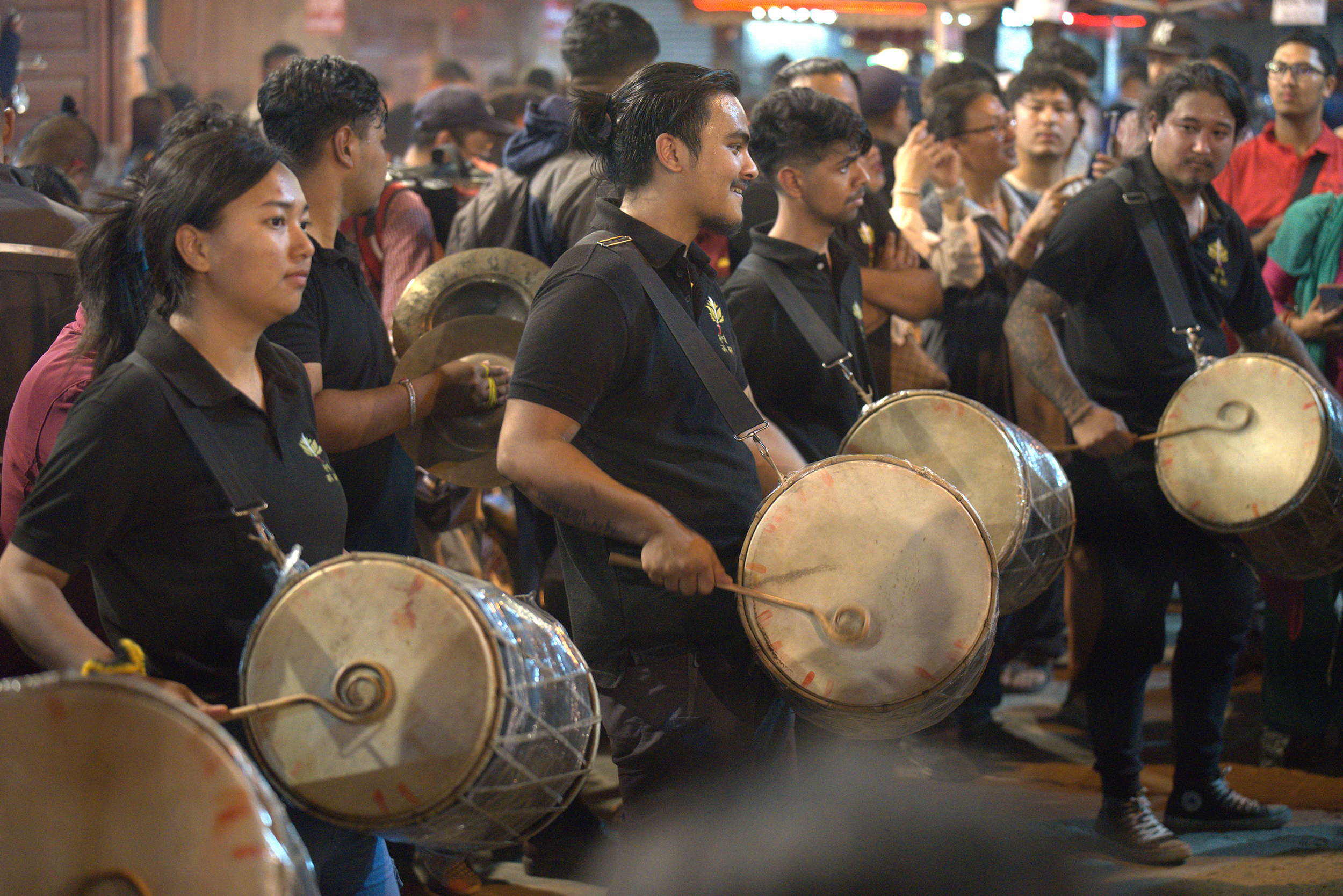
The gilded temple of Janabahā Dyo, first built in the early 16th century CE, is adorned with wooden and metal artefacts that symbolise 108 forms of Ārya Avalokiteshwor. It stands out as the most decorated temple of its kind in Kathmandu.
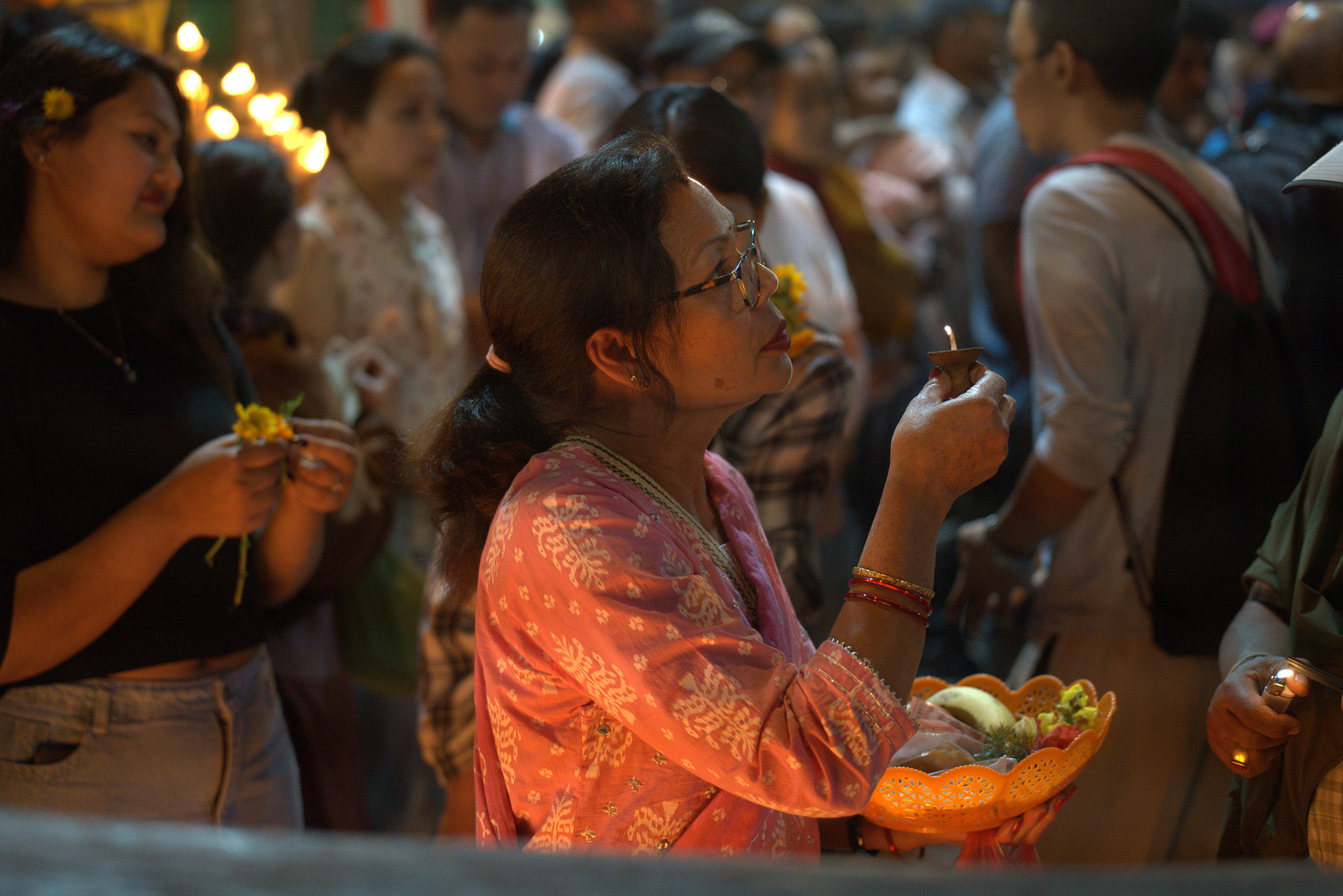
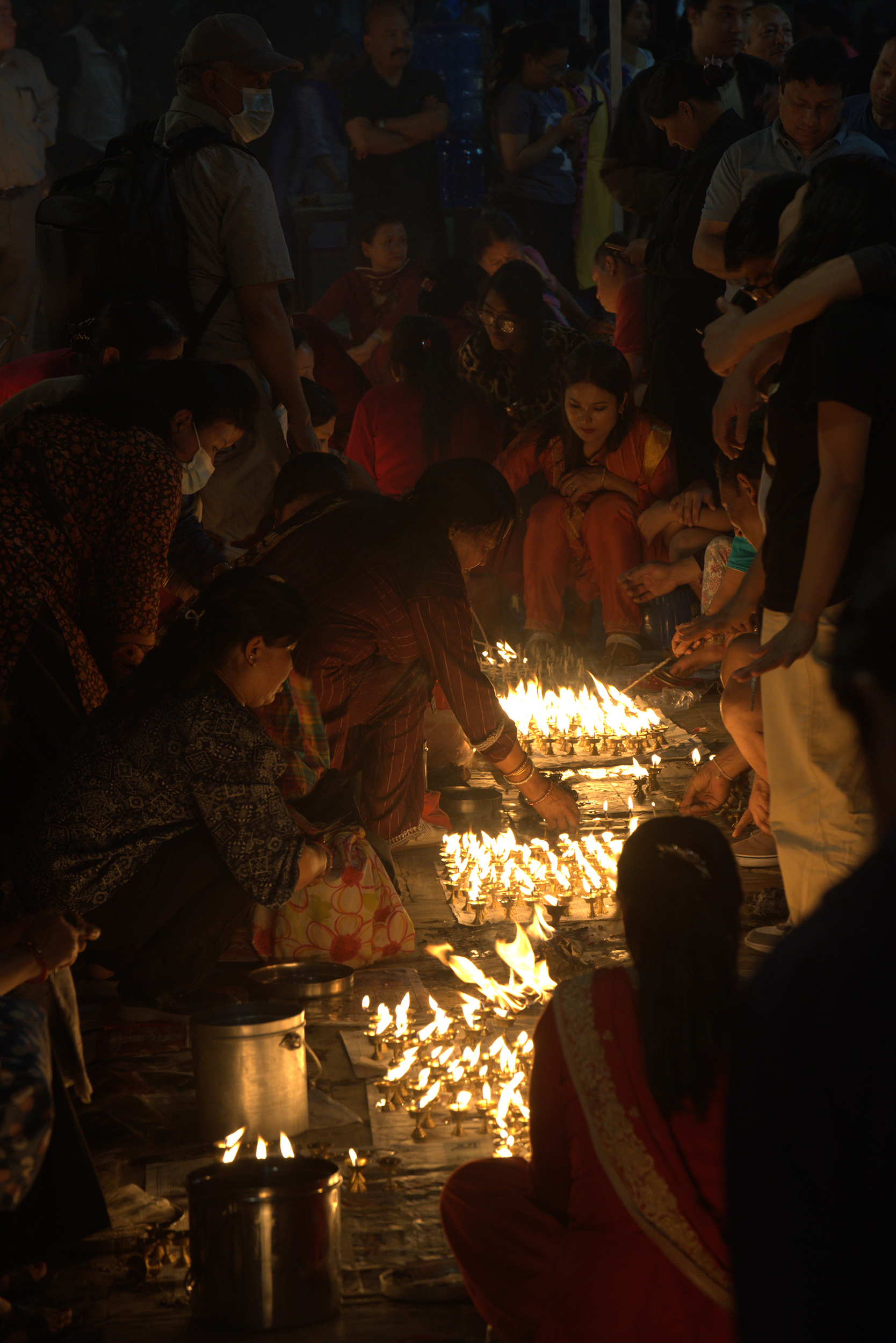
Today, Janabahā is a living heritage site where many ancient customs and rituals are widely practised as per Vajrayāna Buddhist tradition. Devotees throng the Janabahā Dyo shrine for daily worship and to receive Karunāmaya’s blessings.
Being the compassionate one, Ārya Avalokiteshwor goes around town every year in his tall wooden chariot to allow sick and physically disabled devotees to pay homage to him from the comfort of their homes. One could say it is a door-to-door visit by the Compassionate One.
For the pragmatic minded, the chariot festival is an annual renewal of communal harmony, validation of our ancient mathematical supremacy and demonstration of the need to keep practical skills alive, including the craft of building earthquake resilient houses.
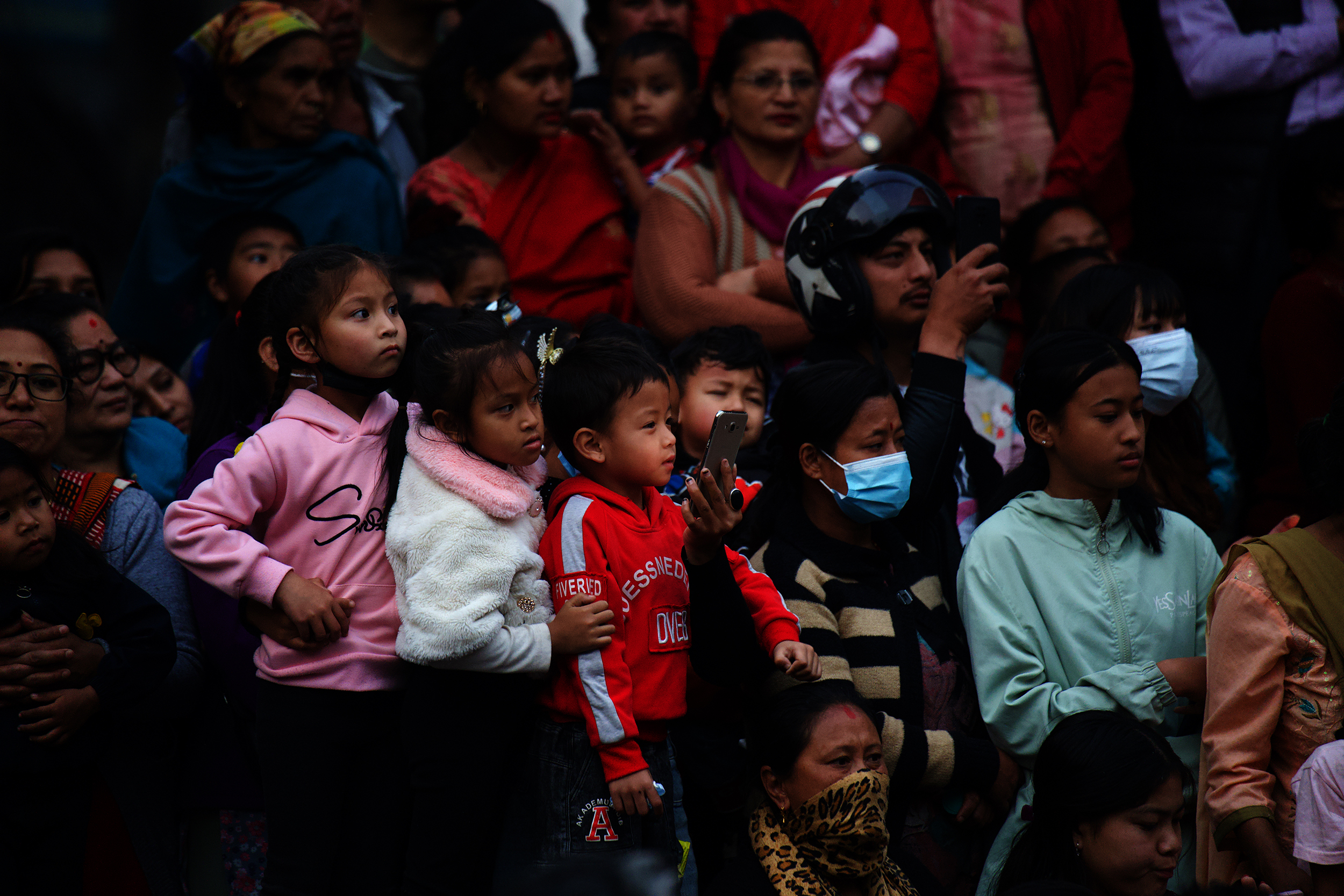
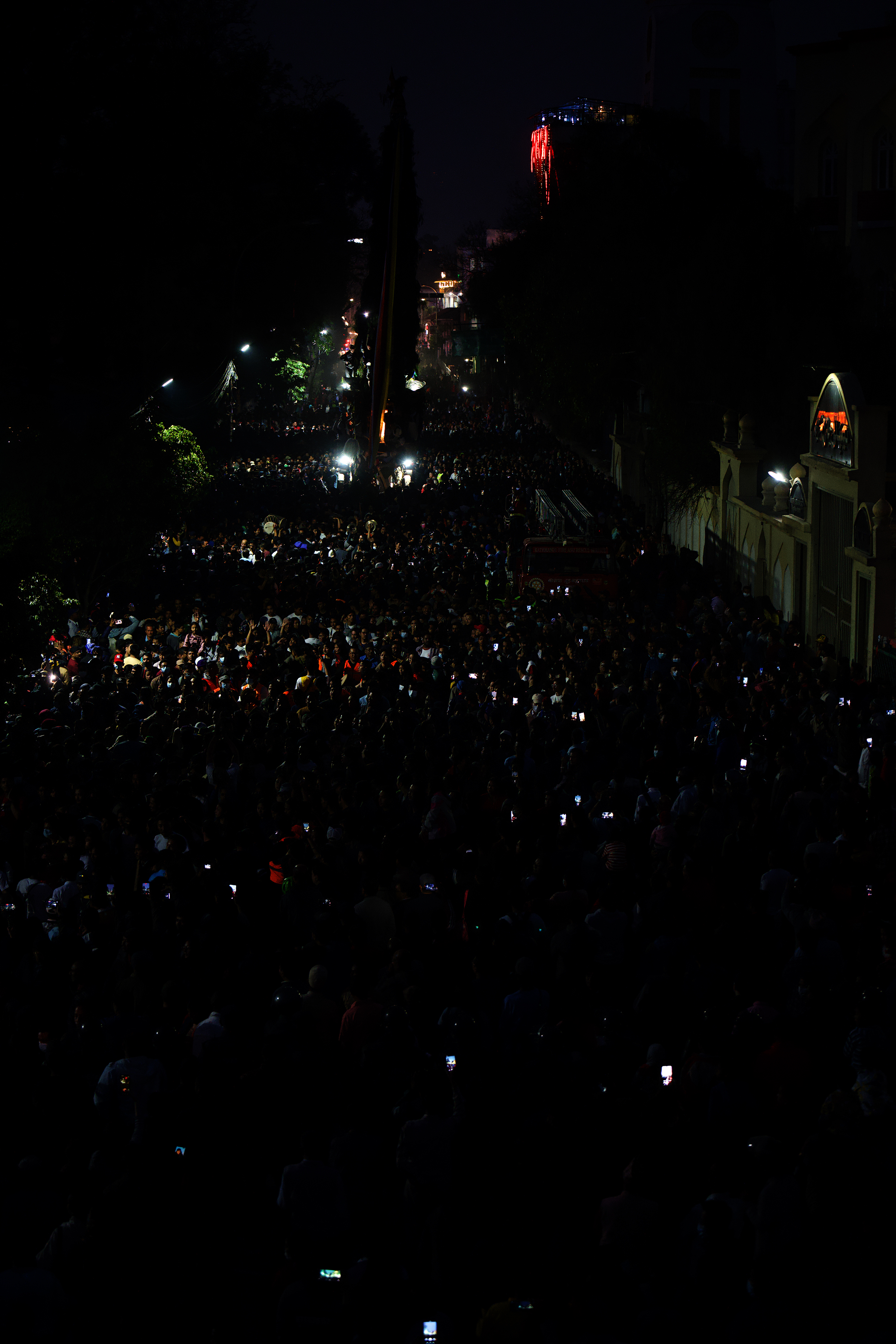
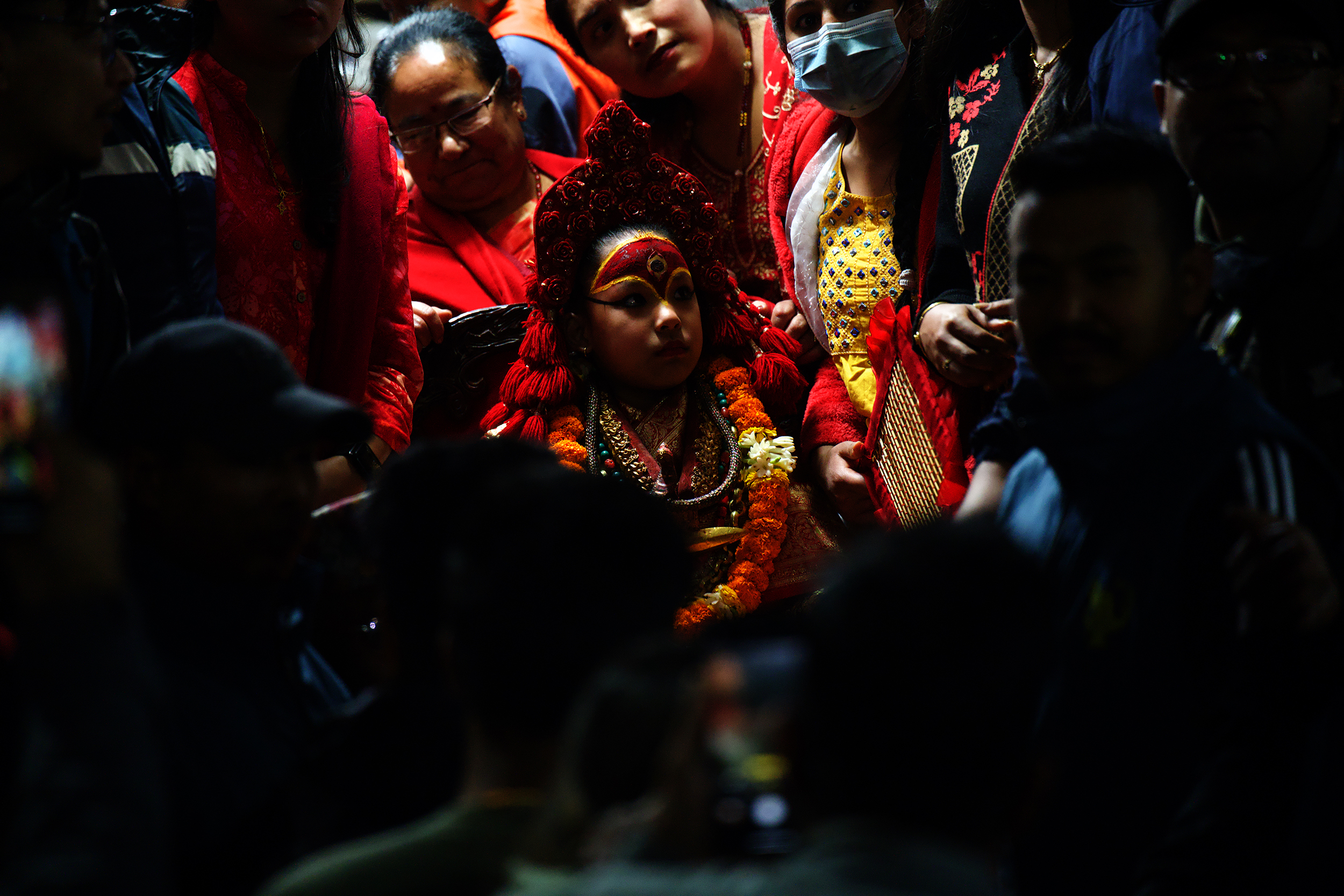
The Janabahā Dyo chariot is pulled from Jamal, where his image was found by the farmer, through the historic heart of Kathmandu in a gala parade every year. The procession, accompanied by folk music ensembles and revellers, starts on the eighth day of the bright half of the month of Chaitra, and lasts up to a week (ending on Saturday this year). Hundreds of devotees pull the chariot along the streets as a way of expressing their gratitude to lord Karunāmaya for blessing them with compassion and well-being.