
Nepal's tourism was in crisis long before the earthquake struck
'Build Back Better' has become a mantra for post-earthquake rehabilitation in Nepal. As a motto it strives for an ideal outcome: the reconstruction of roads, schools, homes, government buildings, hospitals, utilities should not just be physical rebuilding, but restructuring each area from the ground up.
Nepal was a disaster zone long before the earthquakes struck. Education was in a shamble because despite enrolment numbers being up, the quality was poor. The health sector was either over-commercialised or under-served, putting basic medical care out of reach of most of the population. Kathmandu's haphazard urbanisation and unsafe buildings make it a ticking timebomb that was not defused by the 7.8 quake on 25 April.
The root reason for all these problems has been poor governance, political unwillingness and a disturbing lack of accountability on the part of elected officials. The earthquake, therefore, has given us the chance for a paradigm shift not just in the 15 districts affected but in the rest of the country as well. And the constitution offers the vehicle to make politics more just and equitable.
Much has already been said in this space about maximising job-creation during the reconstruction process, and the National Planning Commission has taken the lead in ensuring that this happens. This would be the start of a longterm process of reversing the outflow of our desperate young men and women to work overseas in appalling conditions.
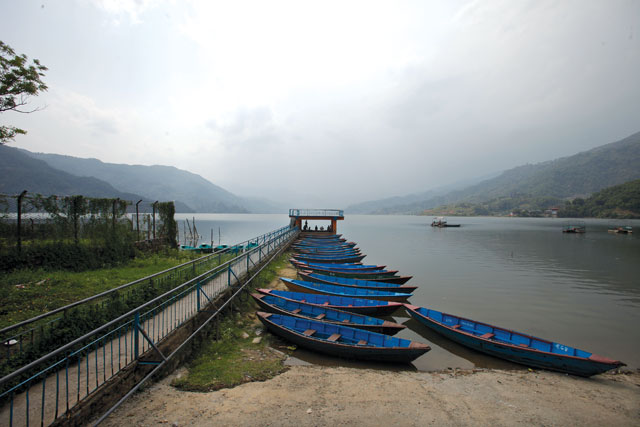
The other mainstay of Nepal's economy is tourism and this has taken a direct hit from the earthquake. Saturation coverage in the international media of the immediate aftermath has spread the perception that Nepal is completely destroyed. The fact that many tourist spots in Nepal like Pokhara, Chitwan, Lumbini, Muktinath or Mustang are not affected is not widely known.
In addition, alarmist travel advisories by some governments have frightened off potential visitors. Insurance companies take their cue from these blanket notices and the high premium has is further deterrence. Happily, as we write this, the United States, UK, New Zealand have relaxed their advisories and there are indications that they will be revised further as independent assessments of the Everest and Annapurna trekking trails and Kathmandu's heritage sites become available.
Nepal's tourism was also in crisis long before the earthquake. Visitor numbers were stagnant, spending per tourist was down, average duration of stay was getting shorter, repeat visitors were getting rarer.