
The 2015 earthquakes in Central Nepal that killed over 9,000 people had many lessons for us, most important of which was the need to be prepared for future disasters. After all, it was not a question of if there would be another quake, but when.
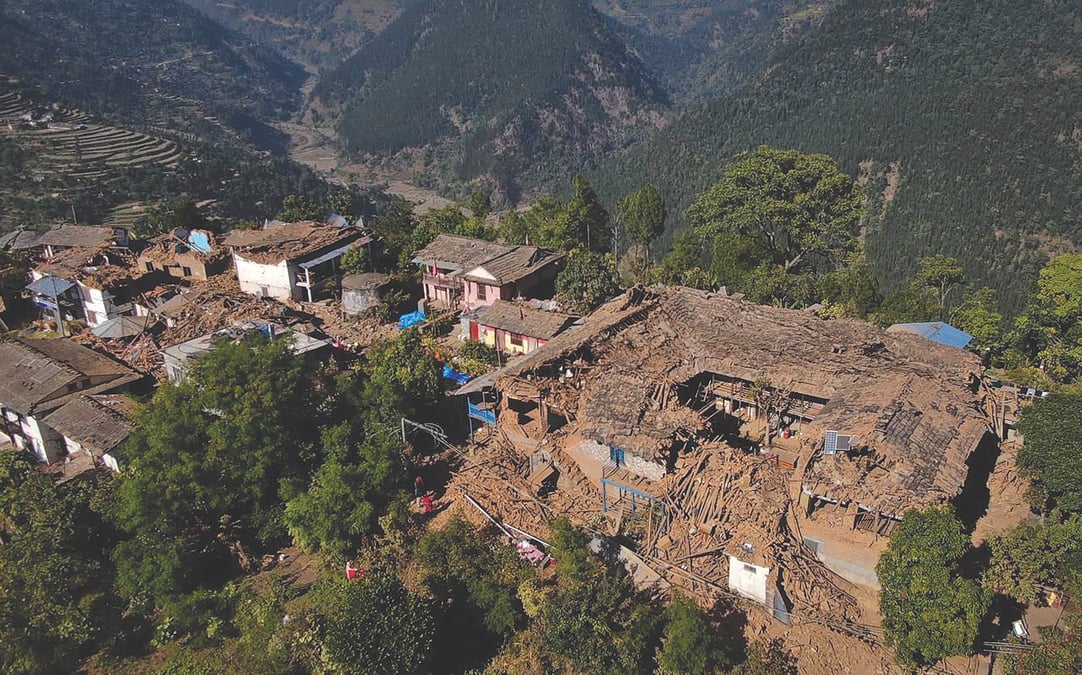
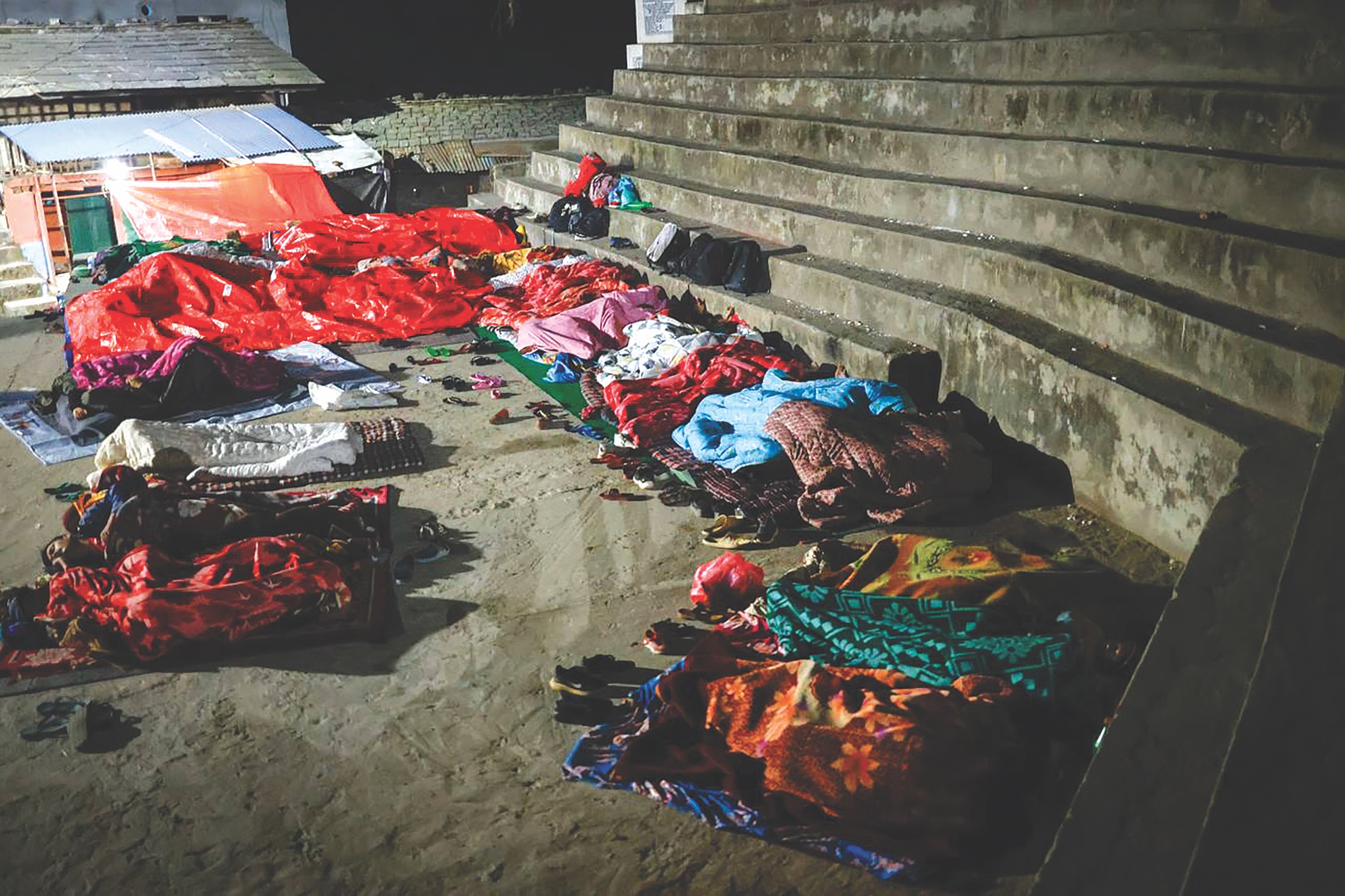
And sure enough, it came with the 6.4 Jajarkot earthquake of 3 November. At least 160 people were killed outright, buried under the rubble of their fragile homes. Dozens more have died of cold and diseases since.
After the 2015 disaster, there was a general consensus about putting safety measures into place: building seismic-resistant structures, retrofitting public buildings, and the need for emergency preparedness. Prior to this, there was no such understanding at the political level, within government or the public.
Another big lesson learned was how a separate institution, independent from the regular government structure, can more effectively carry out reconstruction, post-disaster.
Reconstruction was fraught with challenges, political interference being the foremost. But the National Reconstruction Authority (NRA) coordinated effectively between internal and external assistance, and helped to carry out the process successfully.
The NRA was also crucial in managing resources, setting guidelines, and developing a single goal-oriented approach that would incorporate everyone from the public to the Prime Minister.
Read also: Grief-stricken survivors are cold and hungry, Sagar Budathoki
But we did more than rebuild the houses. What was achieved was technology transfer on a massive scale, including knowledge about safe building even for mud-mortar, stone and wooden structures. It also showed us how to make cash distribution transparent and take it directly to the people with zero-tolerance for corruption.
We created a National Consultative Council for all the political parties to work together as well as the bureaucracy, private sector, and civil society. At the district level, a mechanism was put in place for MPs and representatives from all three levels to collaborate. There were vertical and horizontal links between all levels.
The NRA was superseded by the National Disaster Risk Reduction and Management Authority (NDRRMA) in 2019 which has since put forward plans to make Nepal a disaster resilient country by 2030. Blueprints, frameworks and maps have been created for earthquake and flood preparedness and relief.
They were submitted to the government, but it has been filed away with no action taken.
As soon as the reconstruction work was complete, it seems we forgot about disaster preparedness. And so, when the Jajarkot earthquake struck, we were unprepared again.
We cannot prevent or predict earthquakes, but we sure can prepare. Even so, all we seem to be capable of is to react after a disaster hits. More than 60,000 houses were partially or completely damaged in the Bajhang, Doti, and Jajarkot earthquakes that have struck in the past year. Most of the partially damaged houses have to be demolished.
Read also: In a disastrous state, Sonia Awale
The NDRRMA allocates Rs400,000 in subsidy for houses to be rebuilt in the mountains. This adds up to Rs24 billion, and if we add other expenses including technical assistance, technology transfer and others, the total comes to Rs30 billion.
But if we had followed the preparedness plan, we could have retrofitted and made houses across Nepal safer at a lower cost. They could have withstood a moderate earthquake like the one in Jajarkot and the casualties would have been much lighter.