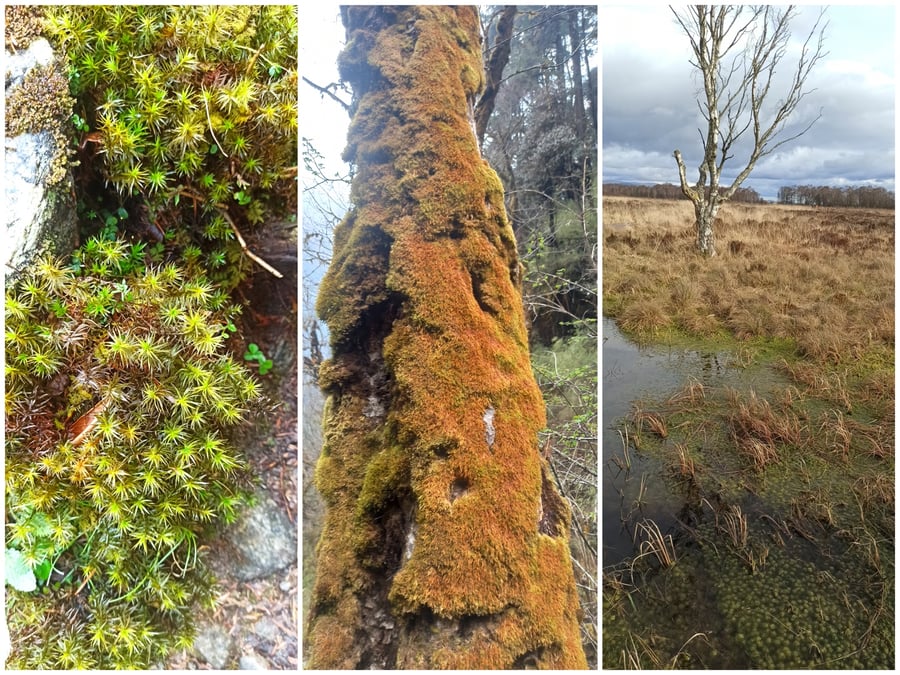
Large mammals and exotic plants get all the attention, and conservation efforts are often directed at protecting them. Who who protects our mosses?
This often-neglected group of non-vascular lower plants called bryophytes that include mosses, liverworts and hornworts help in decomposition, regulate nutrients and have high water retention capacity.
Bryophytes are called ‘amphibians' of the plant kingdom because they are often found at the intersection of land and water. Although they are technically plants, they do not have distinct roots, stems and leaves. And although they are entirely adapted to the land by their vegetative structure, they require water for fertilisation.
There are about 960 genera and 20,000 species of bryophytes globally, with more diversity in tropical climates. In Asia, neglected as it is, India has the maximum number of bryophytes followed by China.
Nepal has about 323 genera and 1,217 species, but there has not been a comprehensive study on bryoflora even though the plants are an integral part of the mountain ecosystem and show their dominance throughout the forest floor.
Read also: The Malayan rainforest and its rare flower, Hum Gurung
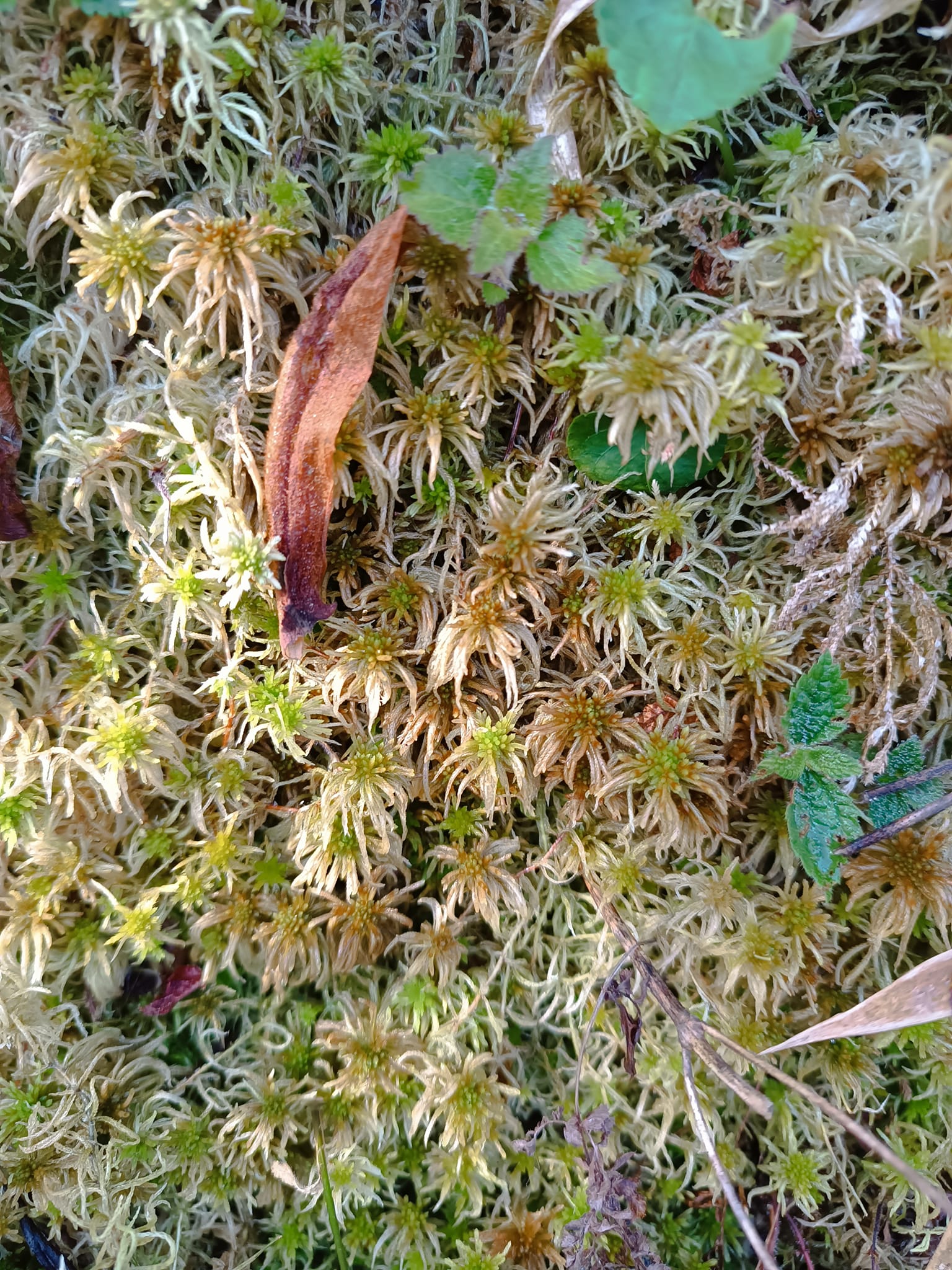
Bryophytes often act as primary colonisers and initiate succession in terrestrial ecosystems. Their extraordinary potential of water retention is more effective than that of trees and means that the world’s 25% organic carbon is locked up in the bog moss sphagnum in living and dead forms.
Nepal’s leading bryologist Nirmala Pradhan in her seminal 2011 study noted that the Sauteria spongiosa species had disappeared from Chandragiri. Indeed, we do not have a complete updated checklist of bryophyte flora in Nepal, and do not know their ecological status. The northern slopes in the temperate forests are considered especially rich in bryophytes.
There are many endemic bryophytes found only in Nepal such as Nordia nepalensis, Entodon nepalensis, Diplophyllum trollii and Sphagnum nepalensis. Ninety-two bryophyte species from Nepal have been on the Red List of the International Union for Conservation of Nature (IUCN) since 2000.
Bryophytes are threatened due to both anthropogenic deforestation and climatic causes. Unpredictable rainfall patterns, prolonged droughts, increasing temperature, changing land use, wildfires, forest fragmentation and urbanisation are all risk factors.
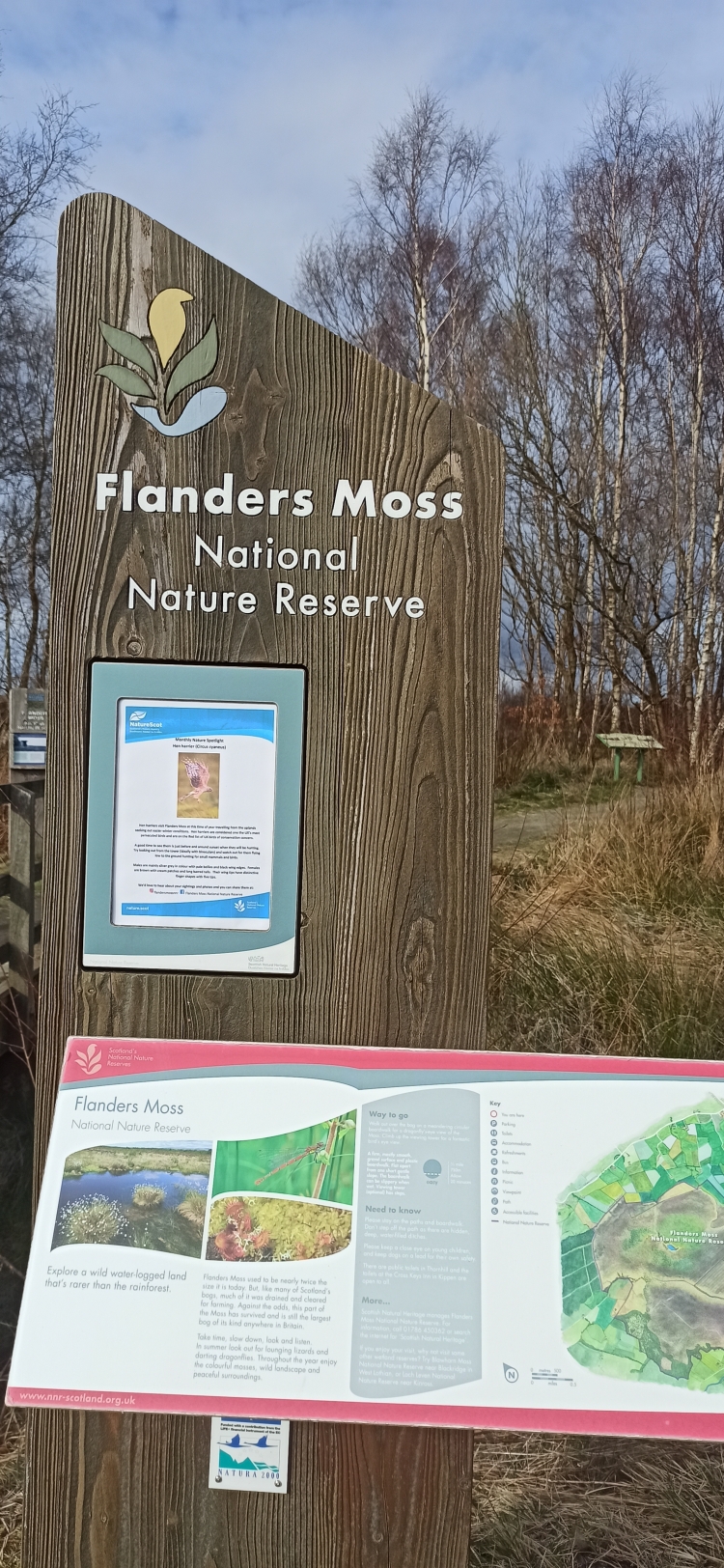
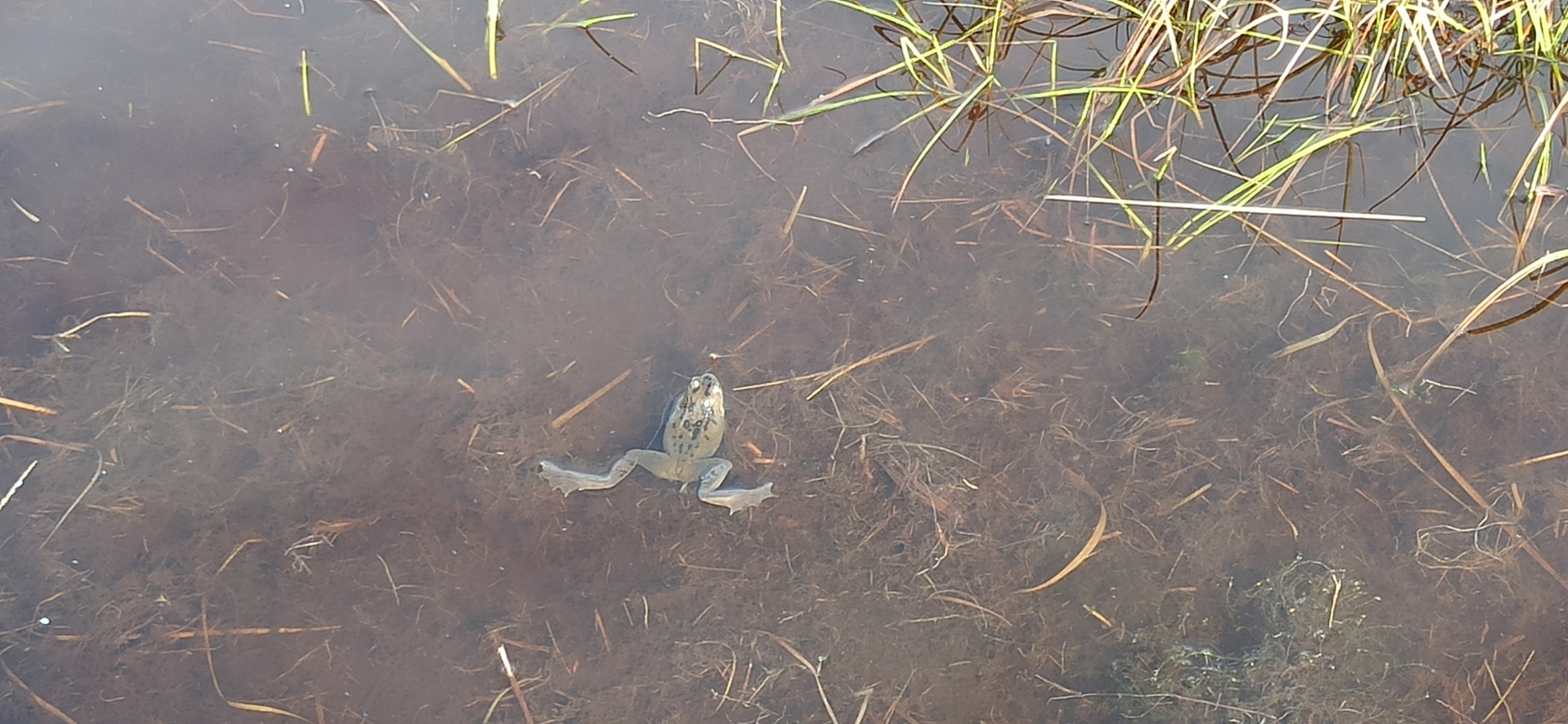
A visit to the Flanders Moss Nature Reserve in Scotland this year was a lesson in how bryophytes also need to be conserved, and is an internationally important habitat currently undergoing active restoration.