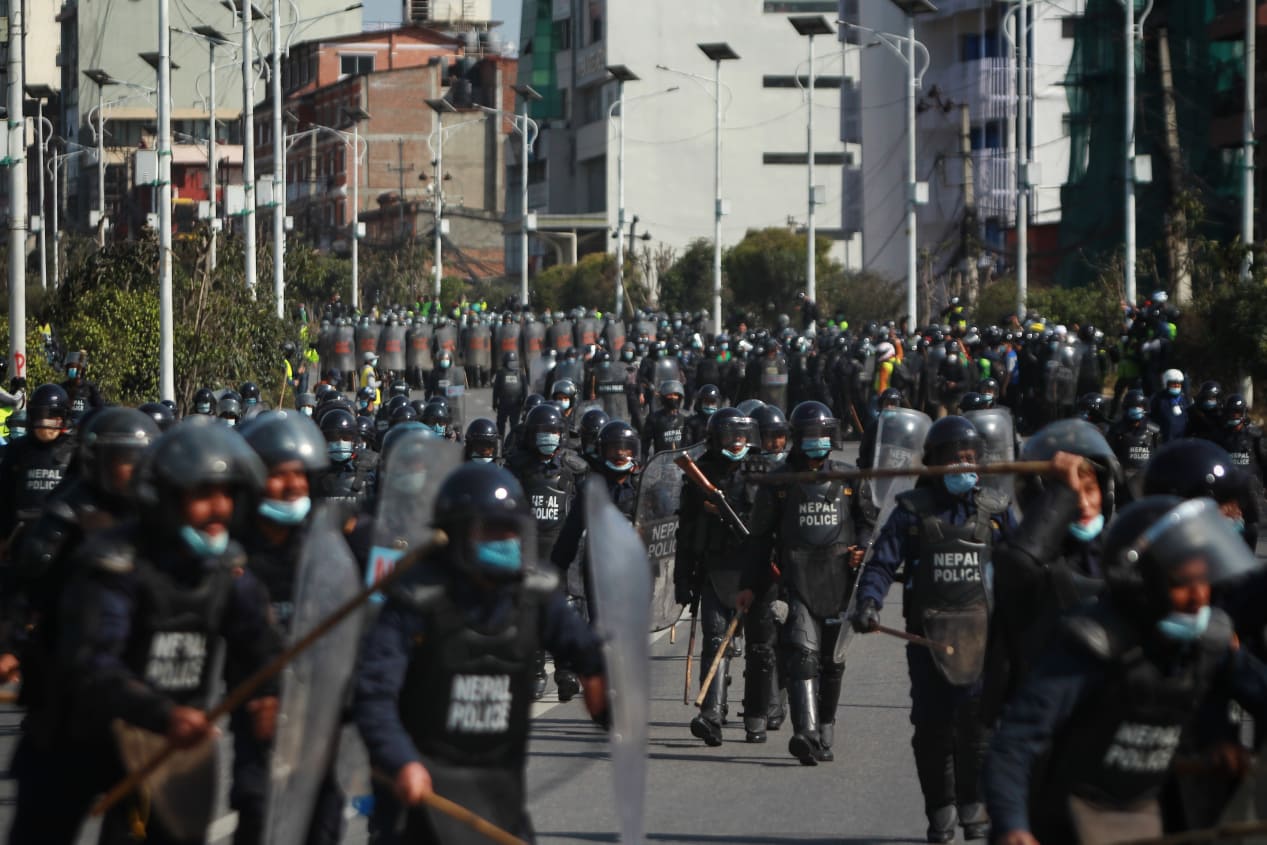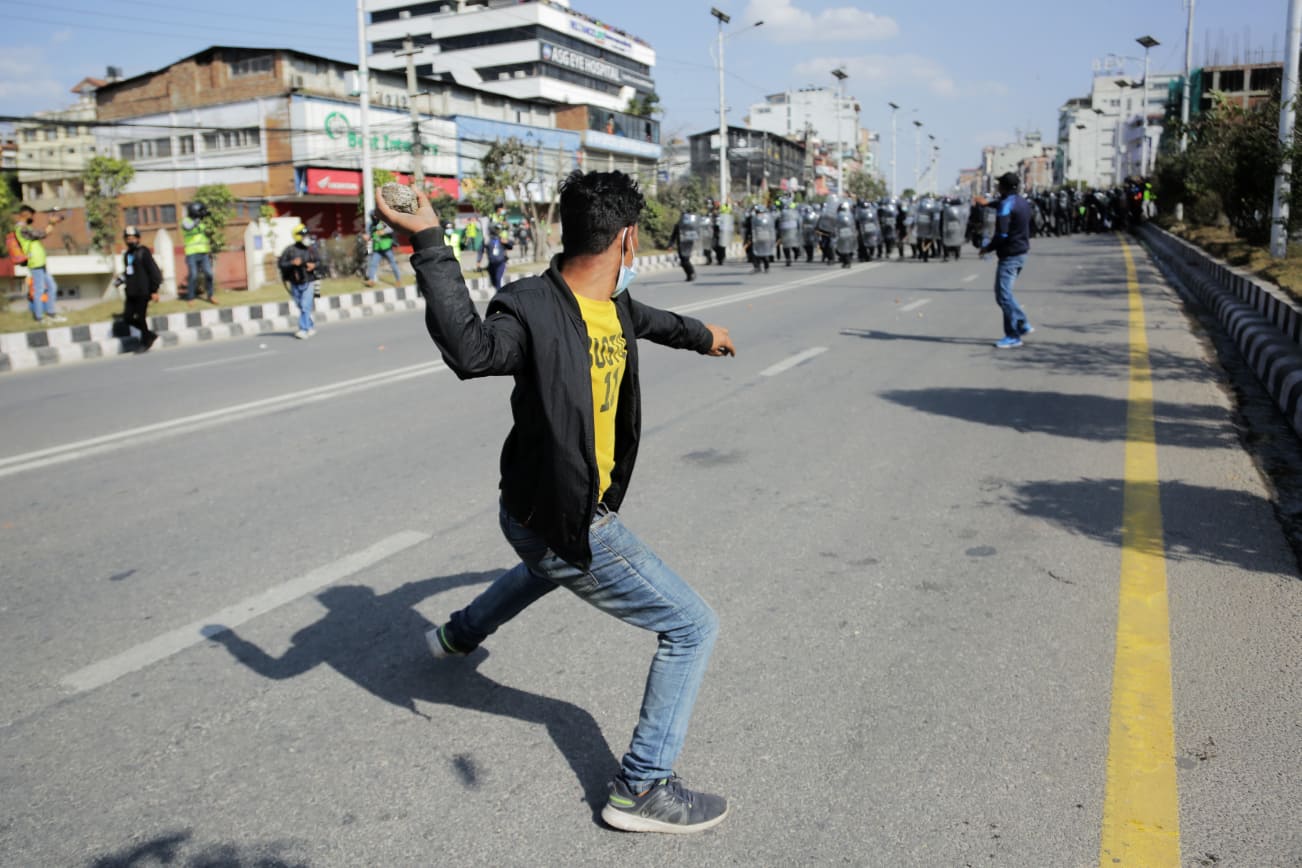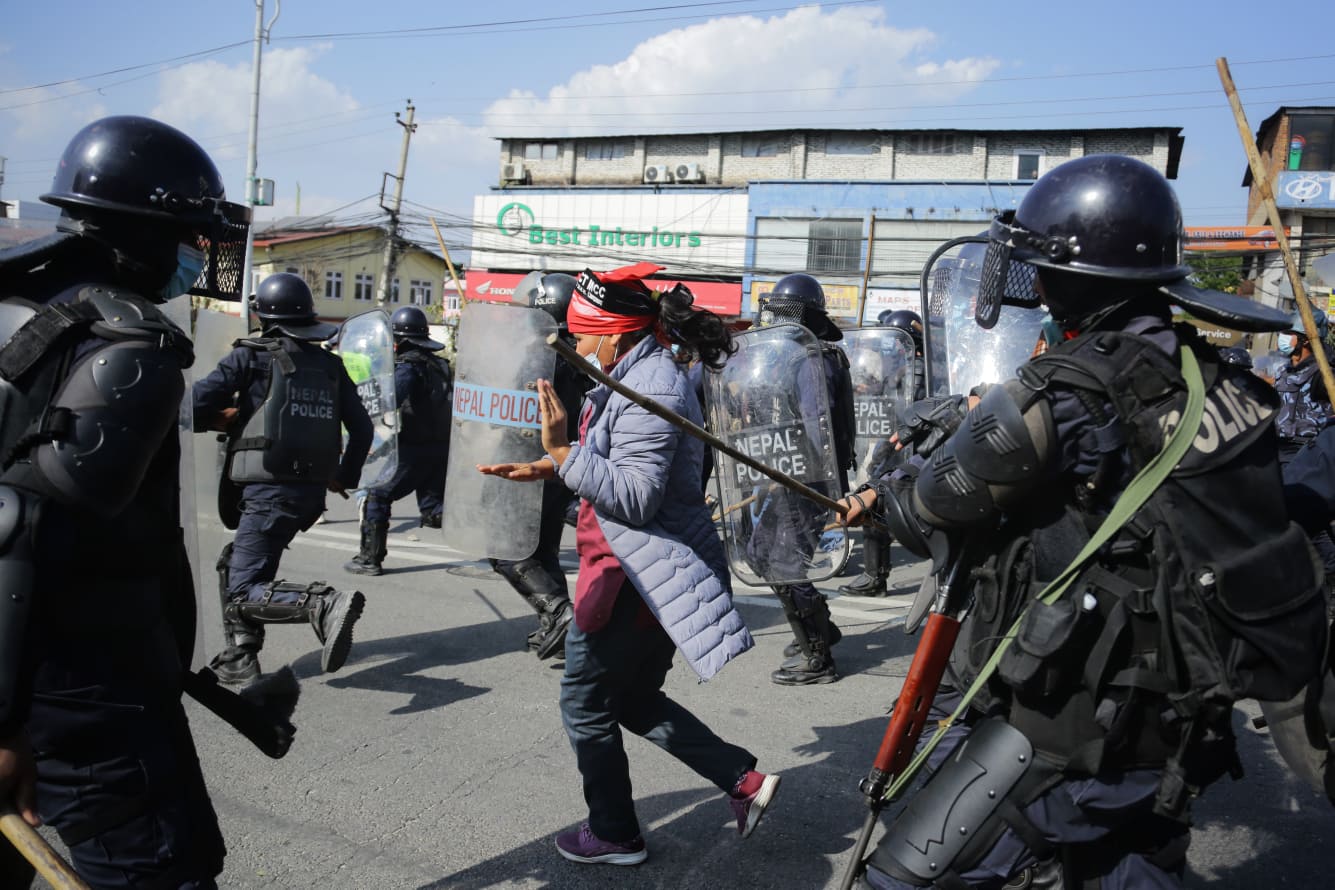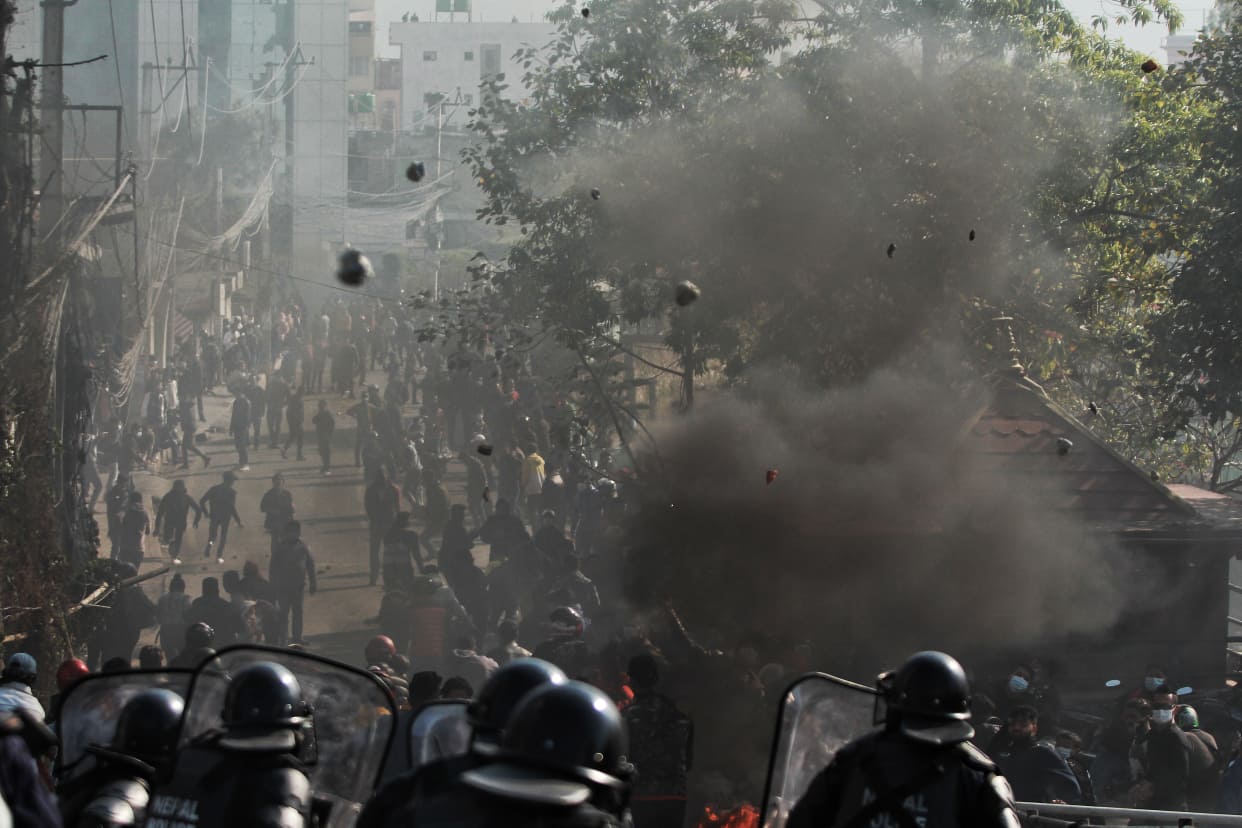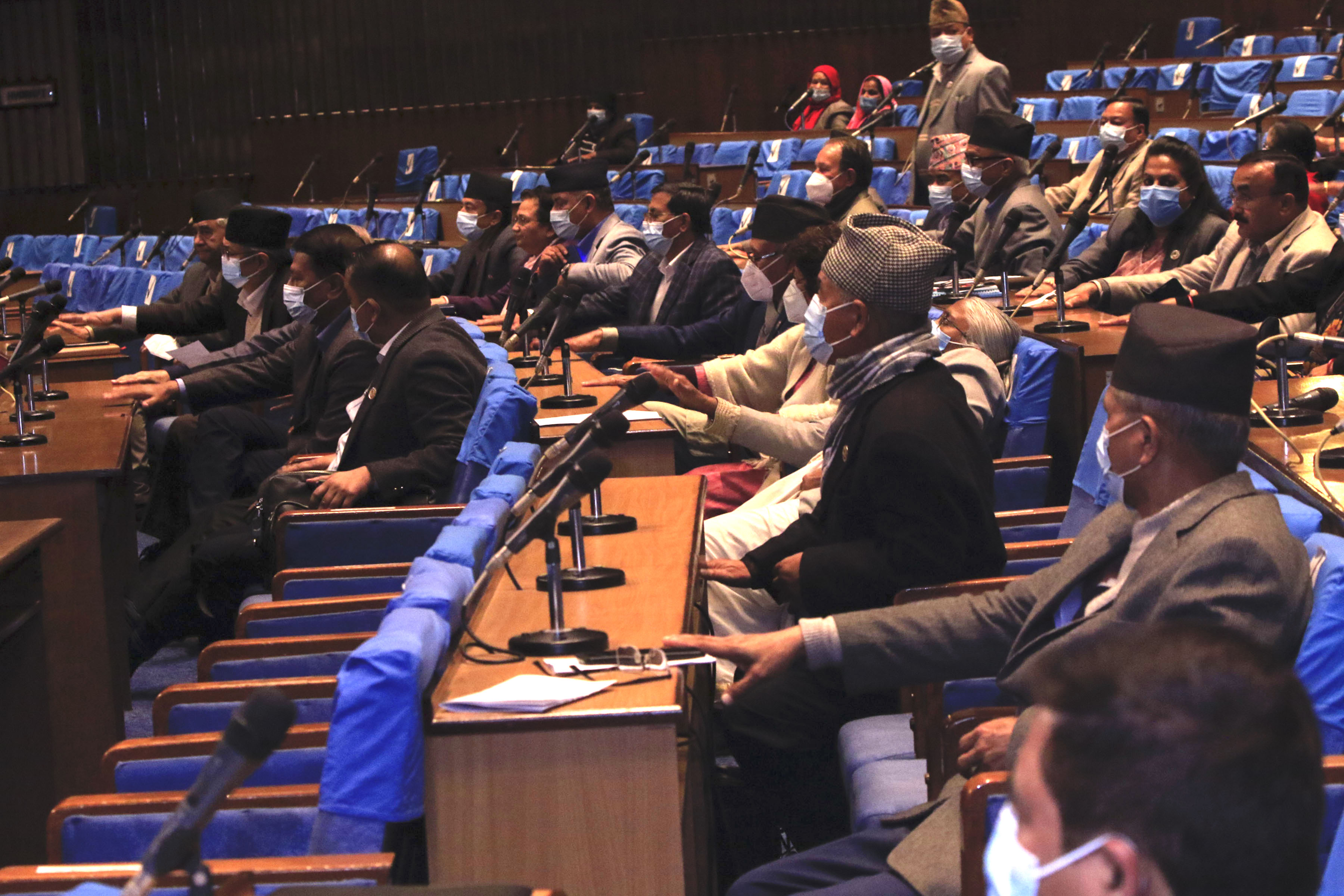
Five years after Nepal signed the US-funded Millennium Challenge Corporation (MCC) compact in 2017, Parliament on Sunday finally ratified the $500 million grant for much-needed transmission lines to distribute and export power.
Key leaders from the Maoists, including Narayan Kaji Shrestha, Giriraj Mani Pokhrel, Krishna Bahadur Mahara, Dev Gurung and Leela Mani Pokhrel maintained their opposition until the last minute, as did leaders like Jhala Nath Khanal from the Unified Socialists, who said he would not participate in the vote.
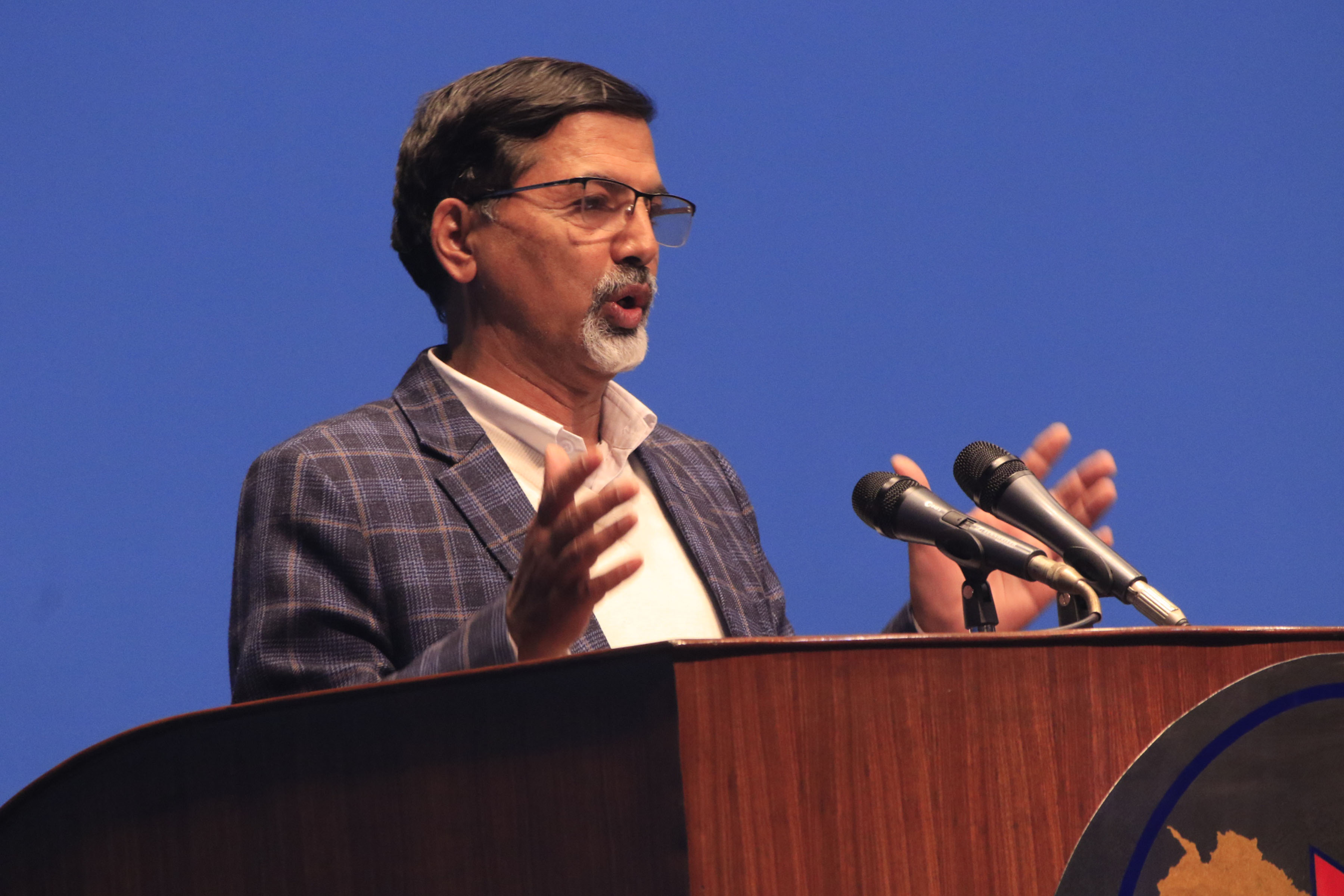
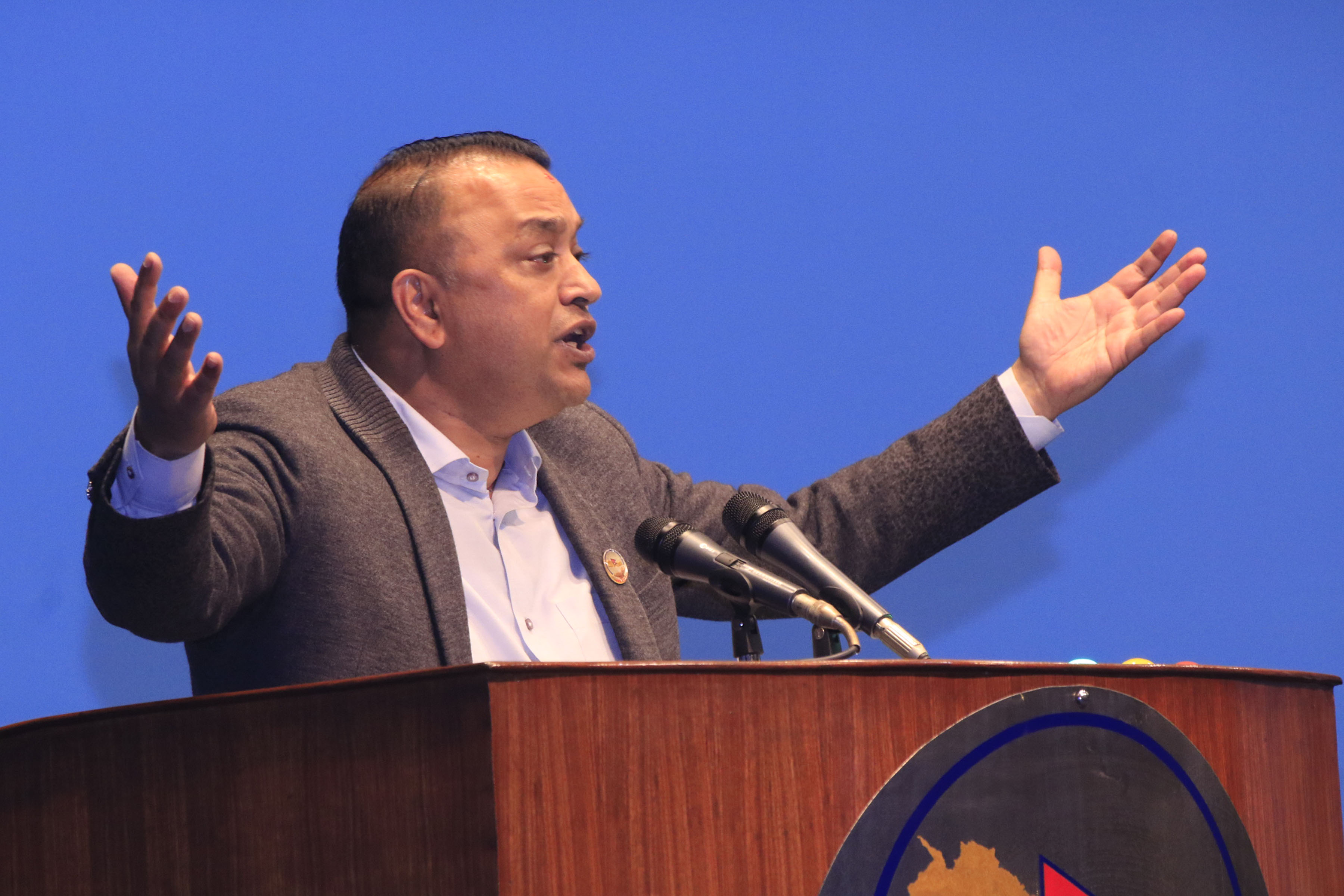
Gagan Thapa of the Nepali Congress in his address offered blistering criticism of those who were opposed to the project, calling out former prime ministers present in Parliament for their duplicity.
“Those who call us traitors for wanting to move forward with the project now need to point their fingers at themselves, and reflect on their own words and actions during their leadership,” said Thapa, alluding to leaders of Nepal’s Communist parties.
Janata Samajwadi Party (JSP) leader Baburam Bhattarai during his remarks also addressed opponents of the project, saying, “Those leaders should have the courage to admit they were wrong for opposing the project in the past, and then retire from politics."
Parliament vote followed a meeting of the five-party coalition held at the Prime Minister’s residence in Baluwatar on Sunday morning, which finally decided to endorse the agreement after months of back-and-forth mainly by the Maoist Centre and the Unified Socialists of the that had threatened to dismantle the governing alliance.
Party leaders Pushpa Kamal Dahal and Madhav Kumar Nepal agreed to support ratification on the condition that it be accompanied by an ‘interpretative declaration’ addressing concerns about the project.
Gagan Thapa, Maoist leader Shakti Basnet and Unified Socialist-affiliated lawyer Govinda Bandi were tasked to mediate and prepare the declaration.
Party insiders said that the Unified Socialists were forced to vote in favour of the compact after Prime Minister Sher Bahadur Deuba explored the possibility of forming an alliance with the UML to mobilise support for the project.
KP Oli of the opposition UML for his part had maintained that he would support the MCC only if the NC left the coalition, a demand that was critical for elections this year.
The interpretative declaration is meant to assuage the Maoists and Unified Socialists concerns about articles included in the Compact, which leaders of the two parties had repeatedly said is against Nepal’s national interest, and superseded Nepal’s laws, sovereignty, and the Constitution.
The interpretative deceleration addresses concerns of the Communists and was drafted by Thapa and will be appended to the ratification. It states that Nepal does not consider itself to be bound by any strategic, military or security alliance of the US, including its Indo-Pacific Strategy, and that Nepal is not obliged to comply with existing or future US laws or policies for any purpose other than the use of grants.
The declaration also states that project related activities will be regulated by the laws of Nepal, and that Nepal will own all intellectual, movable and immovable property created under the Compact.