
Purnaram Magar and his younger brother Surendra did not have big dreams. All they wanted was to clear their debt, build the family home, and support their parents.
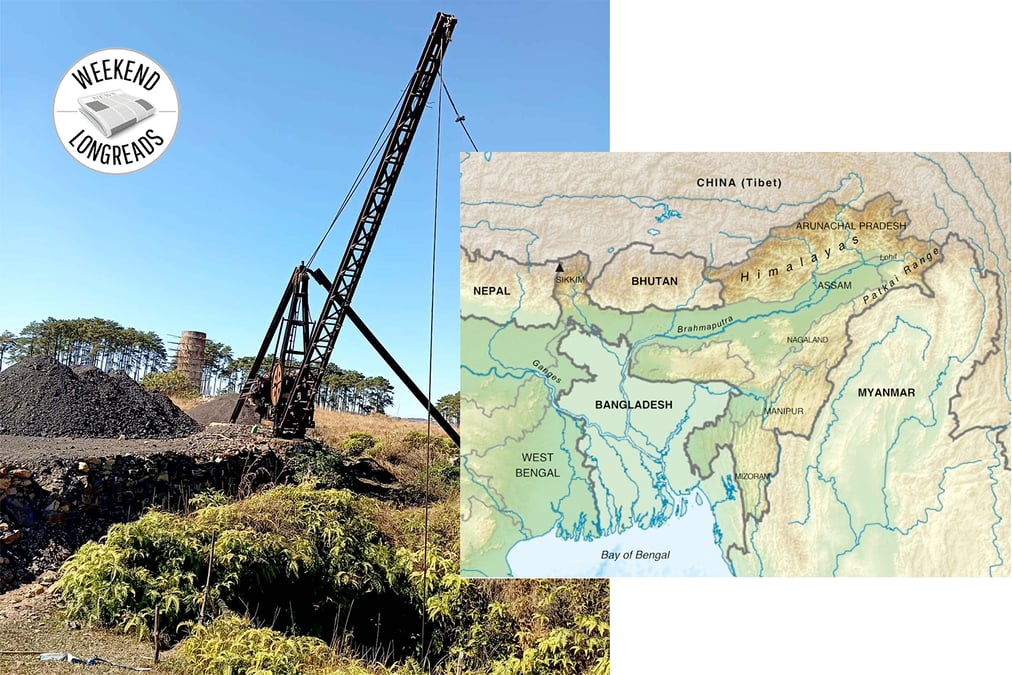
On 5 February 2026, as Nepal was gearing up for an election following the youth-led movement, the brothers were in Jaintia Hills in Meghalaya in northeast India digging for coal deep underground.
With them were other Nepalis also from Khotang district: Nara Bahadur Magar, 35 and Ratna Rai, 50. It was hot and dusty inside the illegal coal mine, the dark tunnel so narrow they could barely crawl through to shovel coal.
Suddenly, a dynamite explosion sent a cloud of fiery dust into the tunnel. All four were killed.
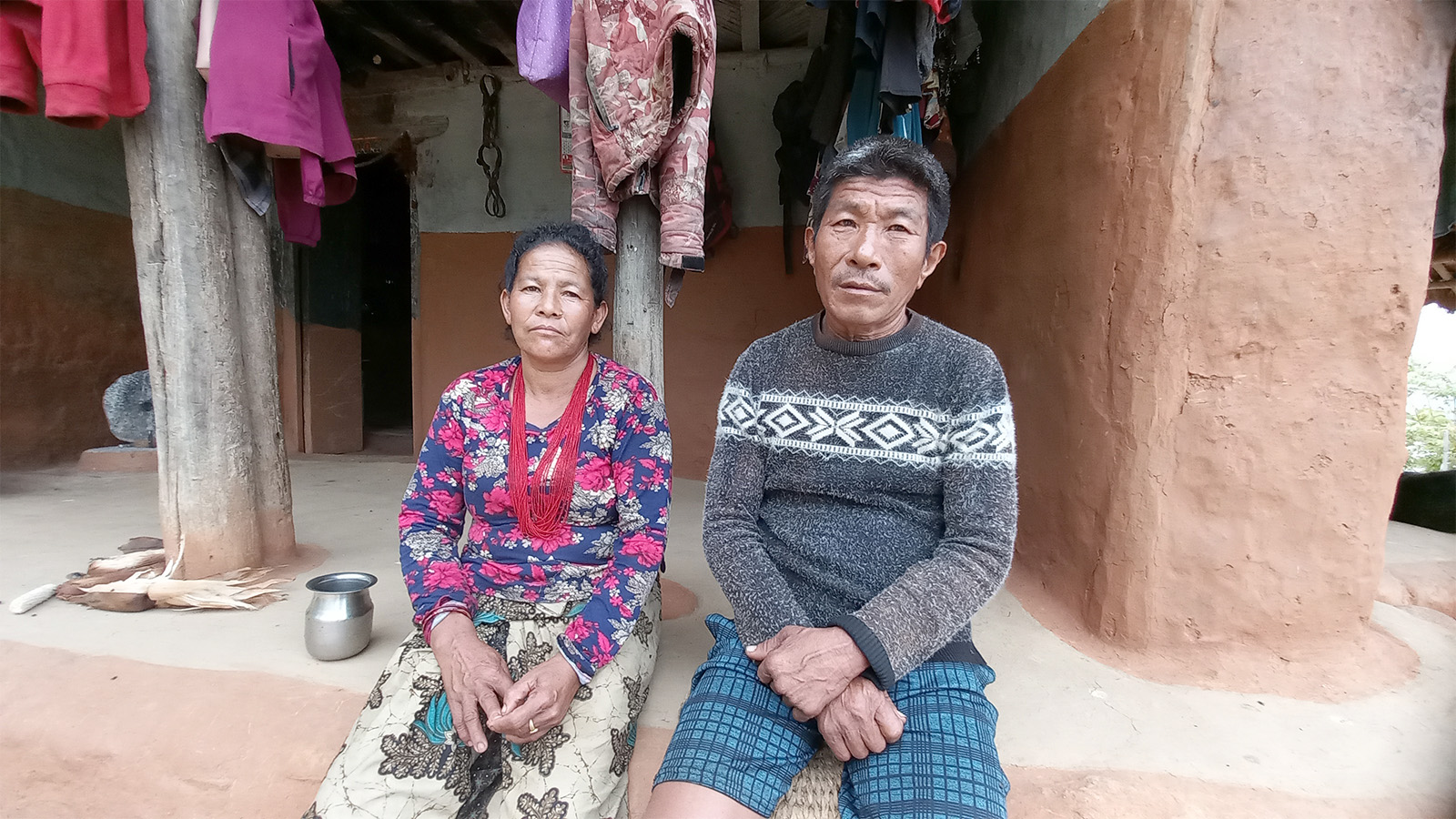
Five hundred kilometres away in Nepal, Khadga Bahadur Magar, 60, and his wife Tankakumari, 55, are still grieving their two sons. Their world has collapsed.
Purnaram had previously gone to Turkmenistan to alleviate the family’s financial hardship, but ended up in debt. He wanted to apply for another overseas stint, and to pay for that, he decided on this coal mining job in India. He took his brother along, and promised his parents they would both be back soon.
The parents could not even afford to bring back the bodies of their sons. “We had to leave them in a foreign land because we had no money,” a tearful Tankakumari told us at Khotang’s Barah Pokhari shrine.
The local municipality has given the parents Rs50,000 each in the name of the two deceased sons. The family is also trying to get some relief from the Indian government, but no luck so far. They live with their only surviving youngest son, who has a mental disability.
Nearby, the house of Nara Bahadur Magar is padlocked. He had gotten married just six months before leaving for Meghalaya. His wife has gone back to her parents’ home after becoming a widow.
DOUBLE TRAGEDY
The family of Ratna Rai, who was among the four killed in the Meghalaya coal mine five months ago, recently suffered another devastating tragedy: his 28-year-old son Kumar, died in a motorcycle crash. Ratna Rai was supporting his wife, two daughters and two younger sons.
Nepalis from the eastern mountains have been digging — and dying — mining coal in India for decades. Prem Mani Rai, 69, of Barah Pokhari himself went to Meghalaya in the 1990s.
“We were 28 of us from here, one died in the mine, and two are still missing,” Prem Rai recalls. “Almost everyone from our village has worked in those coal mines. Many have died or disappeared. Some never came back and now live in Meghalaya.”
In Okhaldhunga district, 70-year-old Rana Bahadur Rai says people from eastern districts have been leaving for Shillong, Nagaland, and Assam to work as porters, woodcutters, and orange pickers for centuries.
“I myself went east with my brother Kaila. He dug for coal, but I was claustrophobic and worked in an orange orchard instead,” he told us.
Bhogen Rai, a researcher from Khotang, says it was customary for locals to go for seasonal work in the coal mines in winter, and return for the paddy planting season. “But the coal mines have proven to be a tunnel of no return for many,” he adds. “My uncle went as a teenager 40 years ago and never came back. My 98-year-old grandmother is still waiting for her son.”
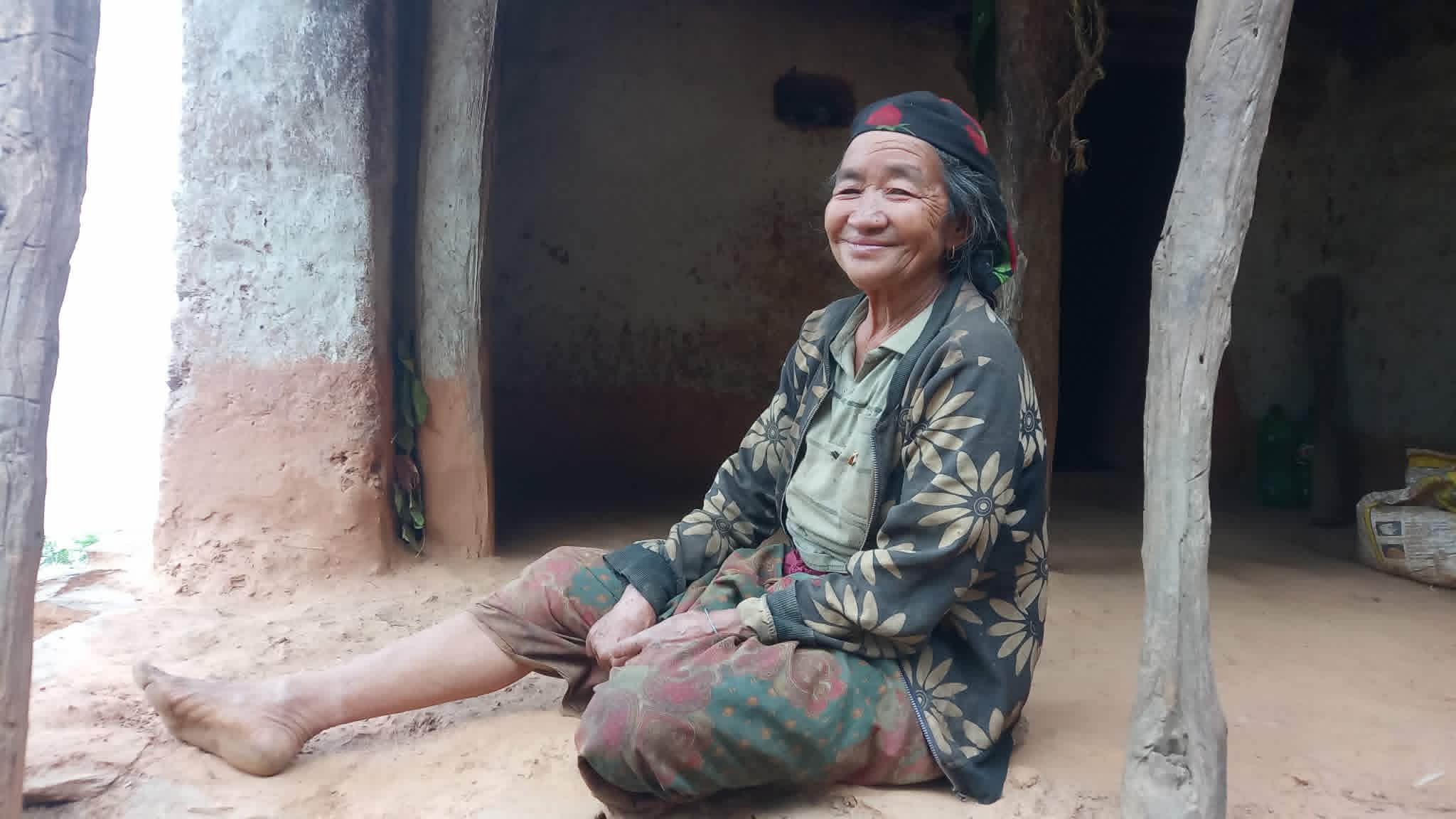
Padmasari Rai, 76, has also been waiting for her son for 25 years. She lives alone in her thatch roof house. Her only son, Kamal, went to the mines with relatives in 2001, at age 22. Everyone returned except him.
“I tell anyone who goes there to look for Kamal and bring him back, but no one has found him,” says Padmasari. “His father kept waiting for him until three years ago when he also left for god knows where. My son is not dead, he will return. And when he does, I can die in peace.”
RATHOLES
Increasingly, young Nepali men and women are now going much farther than Assam or Meghalaya for work. Ward Chair Dhak Bahadur Karki says only those who cannot afford to pay recruiters now go to work in the coal mines.
“There are still those who go, hoping to earn enough to pay manpower agencies to find them jobs overseas, but some die there, others never return,” adds Karki, who says the municipality is trying to dissuade people from risking their lives in India.
Meghalaya’s illegal coal mines are just holes in the ground. A vertical shaft 60-70m deep connects to narrow tunnels just a metre wide in the coal seam. Because drilling machines do not fit in the tight spaces, workers squeeze through like rodents, manually scooping coal into baskets and hauling them to the surface.
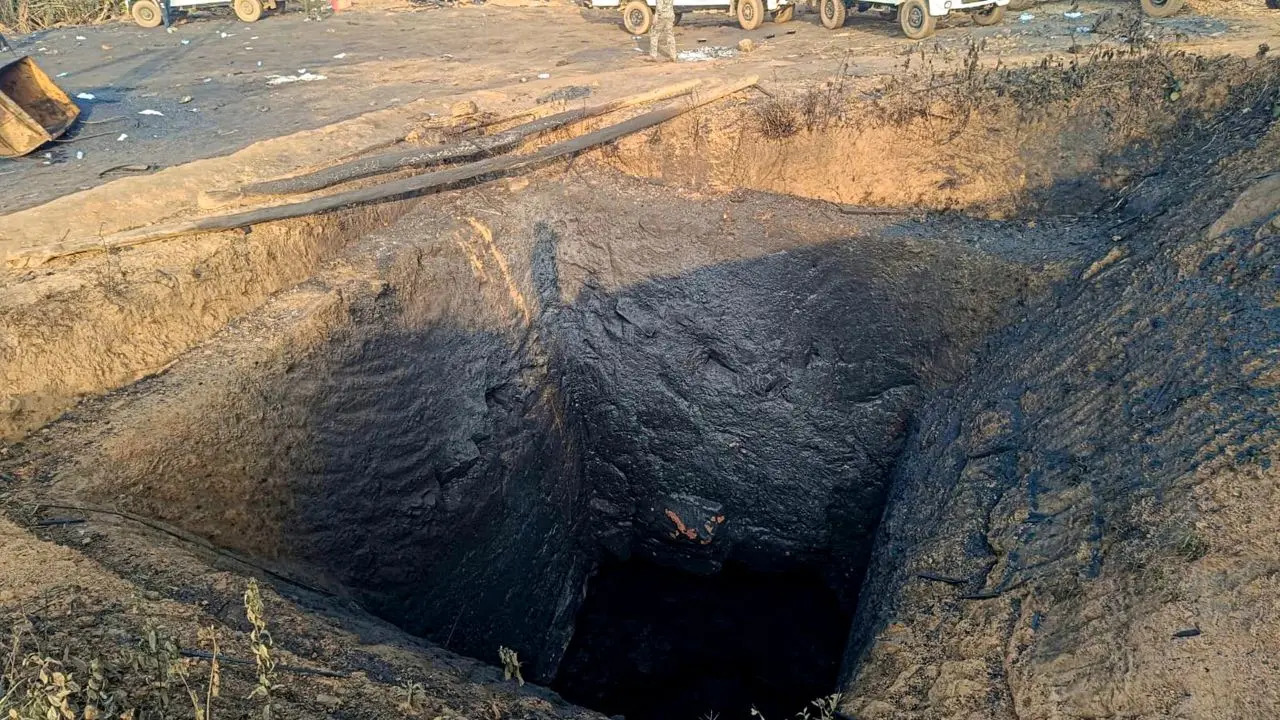
When it rains or if a spring bursts, the tunnels fill with water in an instant. There is no ventilation or emergency rescue system. The Indian government has banned such ‘rathole’ mines through the National Green Tribunal, citing their serious impact on the environment and human life.
But many illegal mines still operate in collusion with influential locals, politically protected mafia and government officials. Operators try to bury evidence when workers are killed — sometimes even with injured workers still inside. Families never receive any compensation or legal protection.
Karna Magar and Bam Magar were trapped inside a tunnel, and the operators tried to bury them in the mine instead of rescuing them. They were saved only because other Nepali workers protested.
Karna says the chief and the mine owner disappeared after the accident and he did not receive the rest of his payment. He and Bam were taken to hospital and treated with money donated by other Nepalis.
“There were 50 of us Nepalis, Indians, and Bangladeshis inside the mine when the accident happened, and about 30 of us died,” Karna adds. “The Nepalis were from Khotang, Bhojpur and Udayapur.”
The hard veins of coal have to be dynamited and workers inside must be informed beforehand for safety. Karna says there was no warning before the explosions.
“There was a big bang, a lot of vibration, then the coal caught fire and there was lots of smoke … I don’t know what happened after that. When I regained consciousness, I was in hospital. The two injured people in the bed next to me died,” he recalls.
-copy-1781003473.jpg)
Now, Karna has sleepless nights because of his wounds, he loses his voice while speaking, and forgets the context. Bam is similarly traumatised and borrows money for medications. Like many others from Khotang, he used to go to Meghalaya every winter to earn a few thousand rupees. This time, three of the five people who went with him died. He survived, but he is not sound, physically or mentally. And he has an elderly mother and three children at home to take care of.
Nepali workers are also exploited, discriminated against, and subjected to violence outside the mines. On 7 July 2024, four workers, three of them Nepalis (Ravi Rai, 23, Santkumar Rai, 30 and Rajesh Rai, 26), were found dead with their hands and feet tied and their throats slit in Meghalaya. Local media reported that the workers were victims of a conflict between illegal coal mine operators and the drug mafia.
According to the 2021 census, Khotang has a population of 175,340 – a 15% decline from the last count in 2011. More than 80% of the absentees are young men.
Another 11,200 people have left Khotang for foreign employment — 6,440 are in the Gulf and 1,020 in India. Researcher Bhogen Rai estimates that half of those in India might be in the coal mines.
Khotang’s literacy rate is 68.85%, but of the 55,461 students who did Grades 1-5, only 15,115 graduated high school. This means a large number of locals who enter the labour market are dropouts, and are forced to take on menial jobs or become seasonal migrants.
Another reason for increasing migration is the adverse impact on farming due to erratic rainfall caused by the climate crisis. Three decades of rainfall measurements from DHM stations in Okhaldhunga and Khotang show that the eastern hills have experienced regular cycles of excess rainfall and severe drought, destroying crops.
How the Nepali state with its new government will address the underlying issues that drives this desperation is the big question. The answer will be to create rural jobs so that young men and women do not have to migrate.
“All three levels of government should focus on creating employment or knowledge-based businesses that keep young people busy in their villages,” says economist and political analyst Hari Roka.
“If the financial resources needed to start new jobs or knowledge were to flow from the banking and financial sectors, the rapid migration from the mountains would also be stopped to a large extent. But we need concrete policies, plans, and programs for that to happen.”
Reported with support from the Centre for Investigative Journalism-Nepal.