When I was first offered the opportunity to play in a Nepali club, I had no idea where Nepal was.
The deal that I was offered was lucrative. I had to play for two weeks to demonstrate my footballing skills, and if the club liked my performance, I could stay on with a work permit, and would be paid €5,000 a month.
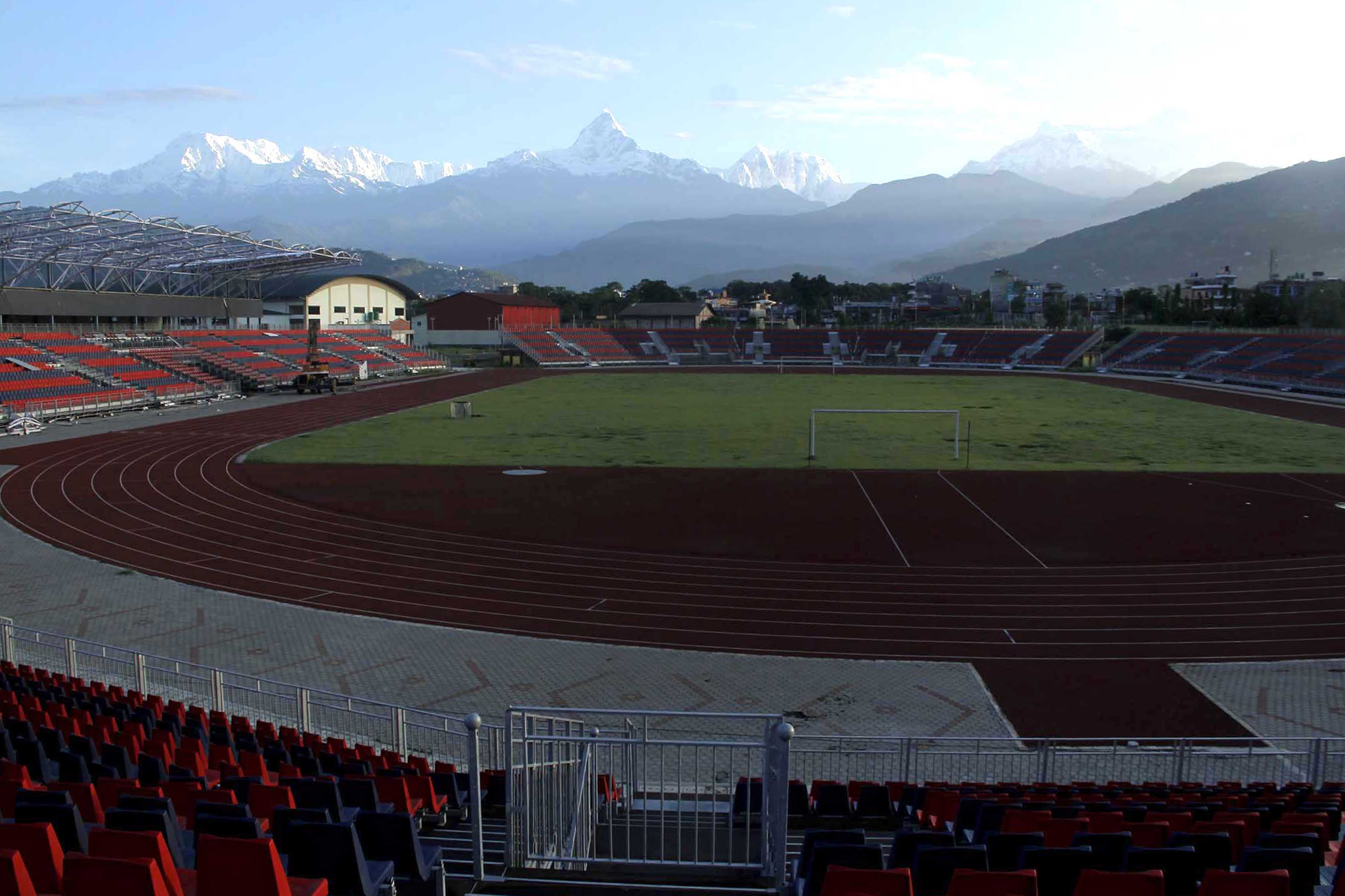
After reading up on the country online and seeing the beautiful pictures of mountains, I was convinced that it was a good offer.
It was only after I arrived at Kathmandu airport in late 2015 that I realised I was duped by Nepali and African ‘managers’. There was no one to pick me up at the airport, an early indication that I would deeply regret what I had signed up for.
I had to figure my way around, which was difficult especially because I did not even speak English back then. Relying on a kind taxi driver, I somehow managed to make it to a hotel.
It was only on my third day here, after many follow up calls that the ‘manager' showed up in person. The first thing he asked me was to pay him €1,000 in cash. This was absurd — why was I paying money to play when they should be the ones paying me?
I knew football is a lucrative business in which agents exaggerate and even lie about the attractiveness of the deals to draw young players who want to desperately make it big in football.
But I would soon learn from players from other African countries I met in Nepal that it is very common to pay agents exorbitant cuts, something I was unwilling to do. I also soon learnt that no one earns €5,000 a month here, not even the best national players.
Since the 2015 earthquake, there had apparently not been any league tournaments in Nepal. However, even though I refused to pay the agent, I managed to get some opportunities to play in tournaments with different teams here and there, mostly outside the capital.
The pay was only about Rs10,000 a match and once people watch you score well, you get more calls to play for various teams in other tournaments. Sometimes, you can demand more pay when the managers are especially insistent.
Often I have to take public buses, journeying for hours outside the capital, and am expected to play the same day. Sometimes hotels are so low grade that I am unable to get a good night’s sleep, affecting my performance on the field.
In these past few years, I have gone home several times and also played or coached in clubs in various European, Asian and Gulf countries. Even though my experience in Nepal to play football has been disappointing, I have found myself returning to the country frequently.