If and when there is a European peacekeeping force in Ukraine, the British Army’s Gurkha soldiers deployed there could be in a theatre of war in which fellow Nepalis have been fighting for both sides.
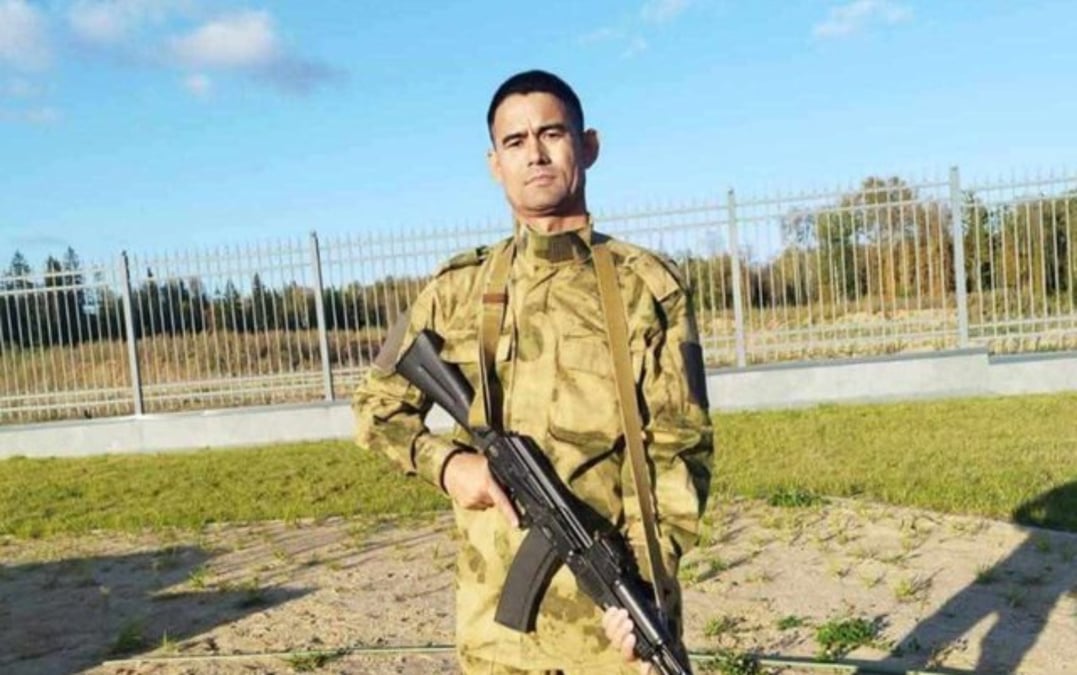
Three years into the conflict, there are at least 1,000 Nepali mercenaries in the Russian Army and a few on the Ukrainian side. About 70 of them have been killed, 180 injured are being treated in hospitals in Russia, dozens have deserted, and there are four prisoners of war captured by the Ukrainians.
Reports in the British press last week quoted Defence Secretary John Healy announcing the formation of a 500-strong Gurkha Artillery regiment to be sent to Ukraine in the event of a peace deal. European defence ministers met last week in Paris to decide on a ‘force generation’ as part of a 20-nation ‘security and stabilisation’ operation in Ukraine.
There are currently just over 4,127 Nepali nationals in the British Army, most of them in the infantry. Media reports said the new artillery unit would be deployed in surveillance and reconnaissance roles attached to anti-aircraft missile systems.
Back in January, The Telegraph even floated the idea of establishing a Ukrainian equivalent of the Brigade of Gurkhas, a permanent, volunteer unit of Ukrainian nationals as part of the British Army as a symbol of the European military alliance.
Meanwhile, fighting has intensified even as US-brokered peace talks take place in Saudi Arabia. Russia and Ukraine have been hitting cities deep into each other’s territories with missiles and long-range drones. And Russia seems to be gaining ground to retake the Kursk region.
Read also: What does ‘Defending Europe’ mean?
Casualties on both sides are high, and both sides are running out of manpower. Ukraine is feeling the shortage of recruits more acutely, while the Russian Army has been getting conscripts from the hinterland as well as mercenaries from Ethiopia, India and Nepal.
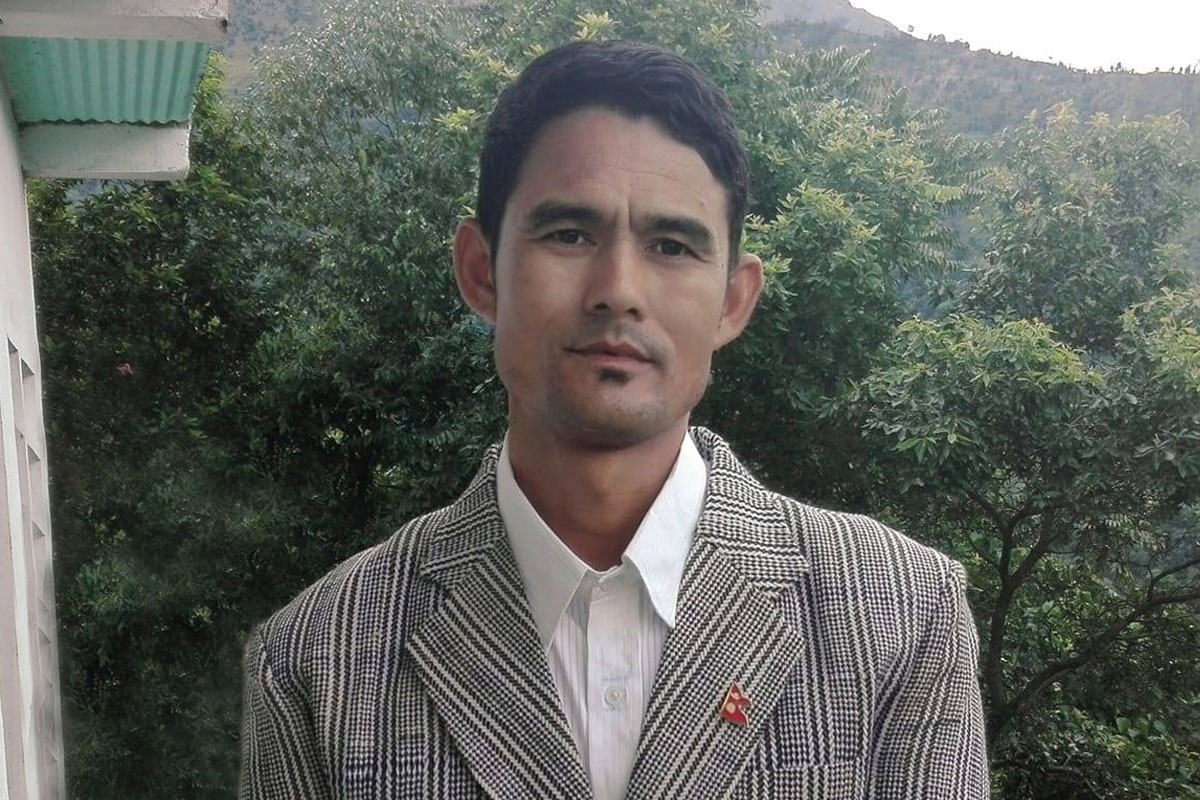
Tilak Budathoki from Rolpa paid a Nepali intermediary from Dang recruiting for the Russian Army Rs 1million to get him a military job. He was promised Rs300,000 a month salary for a ‘support job’ in the army, and Russian citizenship.
Budathoki had served three years in the Nepal Army, but he resigned after the Maoists threatened his family. With his military experience, he felt he could handle a military job.
He was flown to Moscow via New Delhi despite a Nepal government ban on mercenaries joining the Russian Army. After a few weeks training, he was sent off to the front, although the agent had said the Nepalis would be in kitchen duty or be back-up while Russian soldiers did the fighting.
But the reality was different. He was sent off to the Donestsk front where the fighting was fierce. The soldiers were constantly hungry and cold in the icy trenches. While the Nepalis foraged for food in nearby bunkers, they would be subject to relentless Ukrainian drone attacks.
Read also: Ukraine's lessons for sandwiched nations like Nepal, Bhaskar Koirala