
 MIN RATNA BAJRACHARYA |
Breaking the lifelong tradition of celebrating Dasain at home in Tarai, my parents expressed desire to travel beyond the Himalaya this year on a pilgrimage. But the journey to Muktinath in Mustang last week was an eye opener, and a different kind of pilgrimage for me.
All along the route, passengers complained about being fleeced by extortionist bus fares. The festival rates were up to 30 per cent more than what the transporters normally charge. Across Nepal we saw old men and women, families travelling with children and students quarrelling with drivers and conductors about fares. There are no police raids or ministers parachuting in for a spot check. The looters were looting with abandon.
Which is why it was such a populist move for the new prime minister to say he was going to crack down on price gougers. He didn't have to go after everyone. As long as the few bus conductors arrested for overcharging appeared on evening tv news, it gave the impression he was tackling the problem.
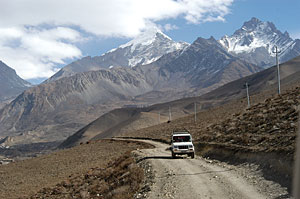
Ticket prices for buses in Nepal are bizarre and ad hoc. At the ticket counter in Ghasa, three foreigners paid Rs 500 each for a 45 minute ride Rupse Chhango while Nepalis had to pay Rs 300. It looks like the two-tier ticketing to enter Bhaktapur and get on a domestic flight applies here too. The road to Jomsom was muddy and dangerously slippery due to the protracted monsoon. Our Mustang lurched from side to side as we crossed over into Mustang. An elderly couple chided us for risking our young lives. "We are old and have lived our lives in full, why are you here?" they asked.
Josmom was jam-packed with touriss and there wasn't a hotel room empty—unless you were willing to pay the "Dasain Rate". The same price anarchy of the bus companies was rife at the lodges. The only compensation was the spectacular view of Nilgiri which took away all the fatigue and for the first time in months the lungs breathed in clean air. Up the Kali Gandaki Valley in Kagbeni the next day, the menu prices looked scary, and we decided to settle for the porters' dal bhat available in shops behind the tourist lodges.