The contrast between Nepal’s human rights promises and reality on the ground is glaring, but indications are that the country will be elected to a new term on the United Nations (UN) Human Rights Council (HRC) in Geneva in October.
Rights groups have accused the ruling Nepal Communist Party (NCP) is out to scuttle the transitional justice process, its failure to effectively investigate and prosecute violence against women and Dalits, the introduction of new bills designed to limit freedom of expression, including of the media, and proposals that further threaten the independence of the National Human Rights Commission (NHRC).
Nepal’s rivals for one of four HRC seats for the Asia-Pacific region for the council’s 2021-23 term are China, Pakistan, Saudi Arabia and Uzbekistan. And Nepal’s human right’s record is the best of that lot.
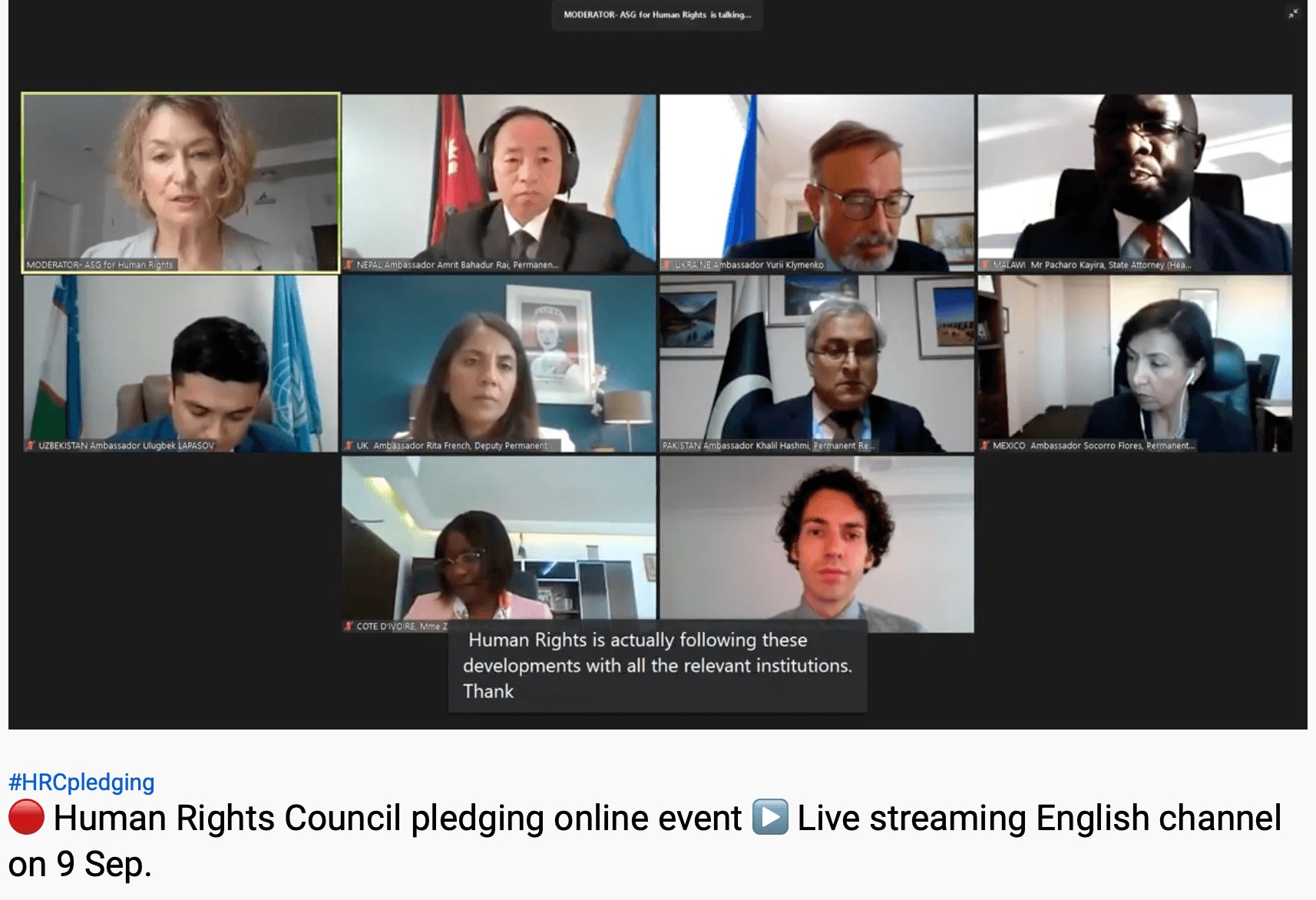
On Wednesday, China and Saudi Arabia were no-shows for an online, civil society
at the UN in New York to quiz contenders. Amrit Bahadur Rai, Nepal’s Permanent Representative to the UN in New York, did attend and repeated promises on human rights, including LGBTQI rights.“The Government of Nepal is committed to resolving the issues related to transitional justice based on the victims concerns, the Supreme Court’s directives of 2015, the various instruments to which Nepal is a party, the Comprehensive Peace Accord and the ground realities,” Rai told the online event.
“I’d like to assure all that there will be no blanket amnesty in cases of severe human rights violations committed during the conflict period,” he added during the event organised by Amnesty International and the International Society for Human Rights (ISHR).
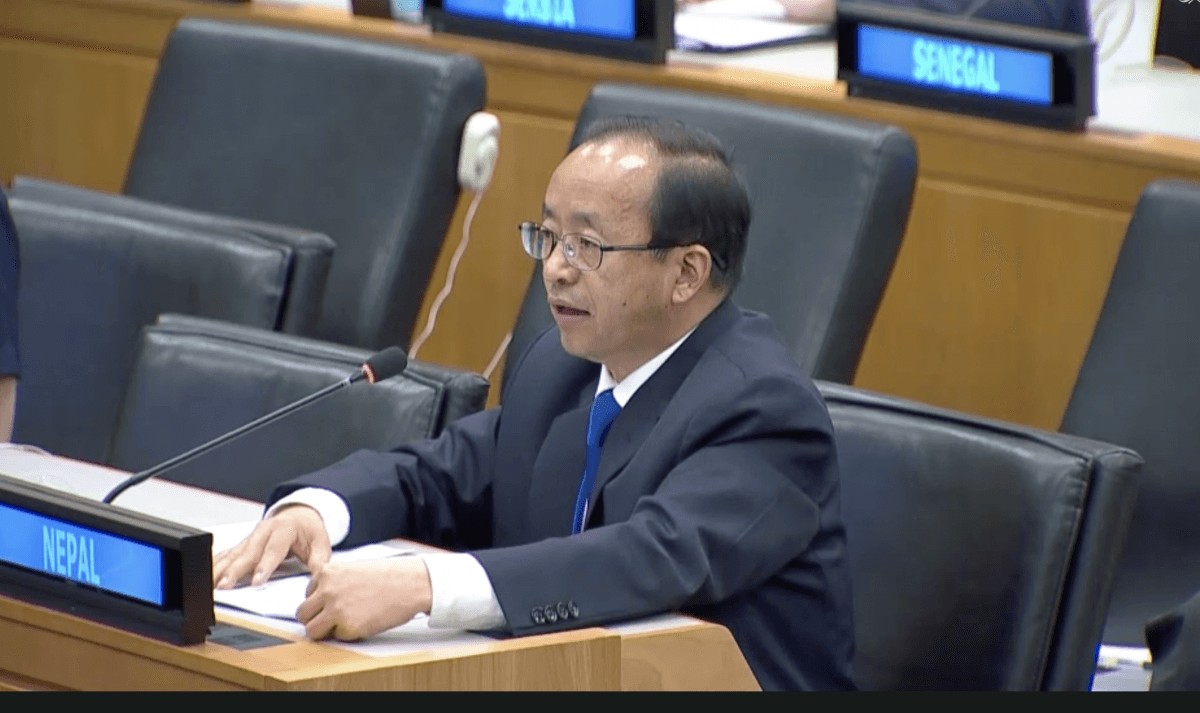
Rai said Nepal’s citizenship act is being amended to include a third gender, ‘Other’, and that people claiming it will not have to produce medical evidence of a change in gender. He added: “I would emphasise that we need to change our value set, our perception and our mindset, and the Government of Nepal will do more in promoting rights and protecting the rights of the LGBTIQ community.”
According to a scorecard produced by ISHR, Nepal got 9/18 human rights benchmarks while its closest competitor, Uzbekistan, reached 6/18.
Nepal loses points is in its dealings with ‘special procedures’, human rights experts devoted to specific issues, like torture or child rights. According to the scorecard, Nepal has not:
- issued a standing invitation to special procedures to visit the country
- responded positively to country visit requests (with fewer than five such requests outstanding)
- sent a substantive reply to more than 80% of communications received from special procedures
Earlier this year, ISHR New York Director Eleanor Openshaw told Nepali Times that cooperating with the experts is a sign that a country is serious about improving human rights, both at home and globally. “If you don’t cooperate that is unacceptable,” she said.
This week, Openshaw added: “Nepal faces influential challengers. However, it is a current member of the Council seeking a second term. When first elected in 2017, Nepal received the highest number of votes for regional candidates. I would be surprised if Nepal were not re-elected.”
None of the western governments known to take an interest in human rights in Nepal contacted by Nepali Times earlier this year would reveal if they planned to support the government’s candidacy. However, it is rumoured that voting decisions are based on broader geo-political interests of UN member states, and the country groupings that they belong to.
Along with the scorecard, ISHR worked with Nepal’s Advocacy Forum, Blue Diamond Society and Collective Campaign for Peace to develop recommendations for Nepal. They include:
- Protecting the constitutional right of freedom of expression, and allow journalists to carry out their work freely and independently.