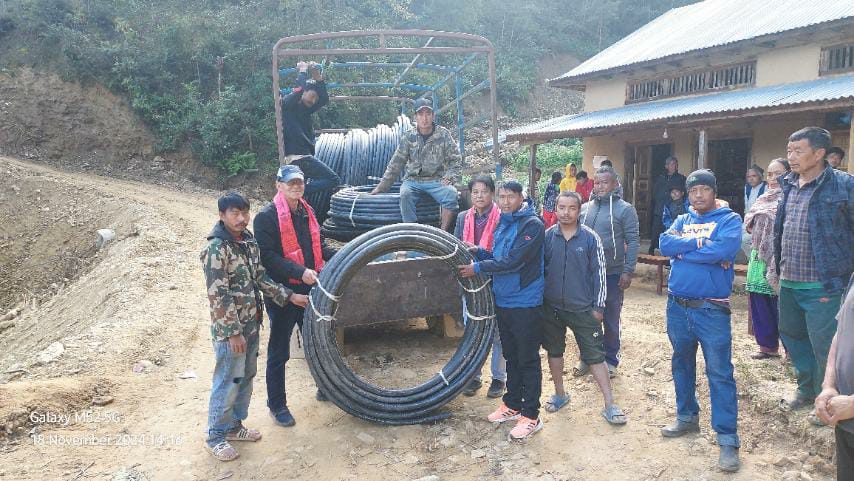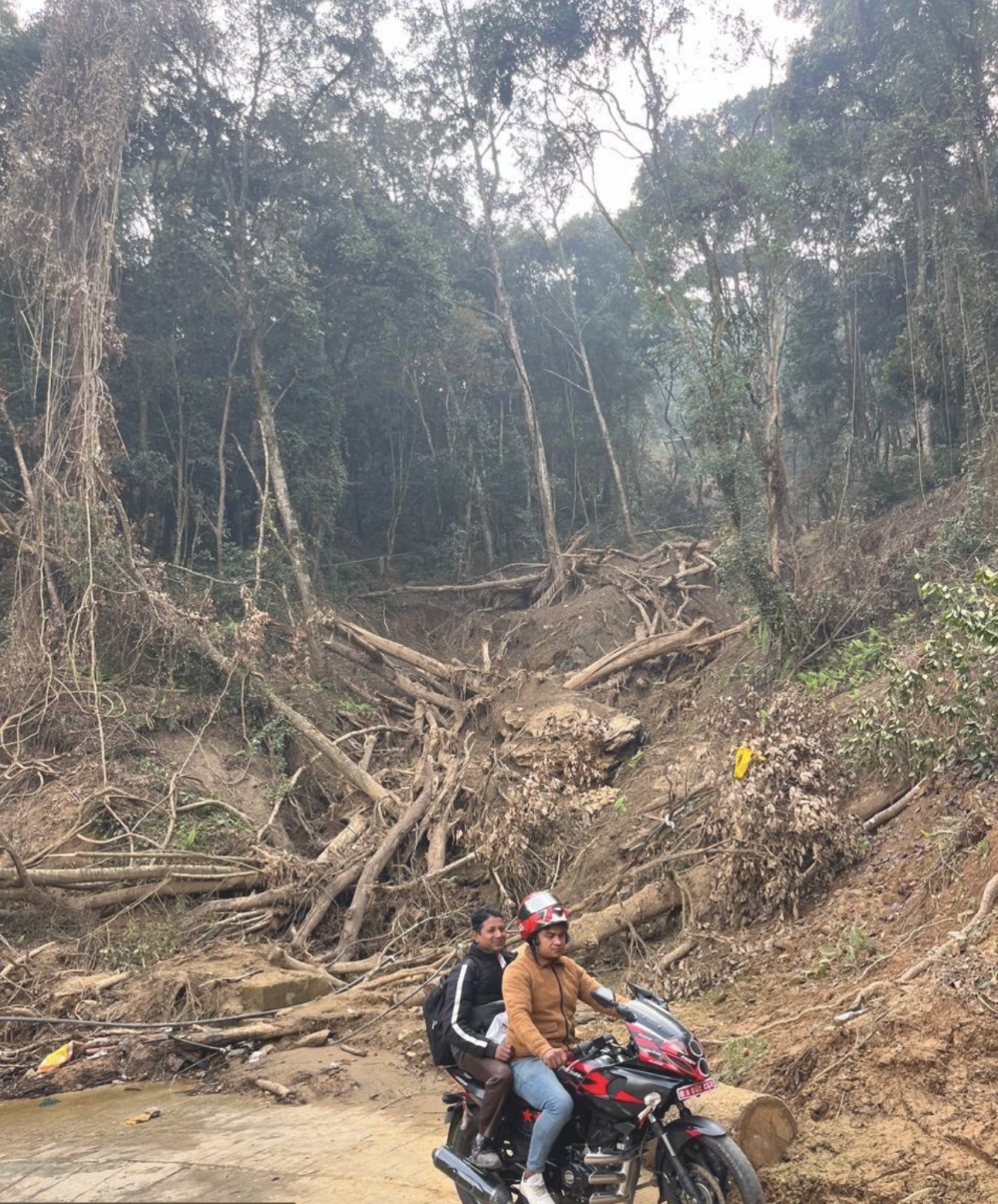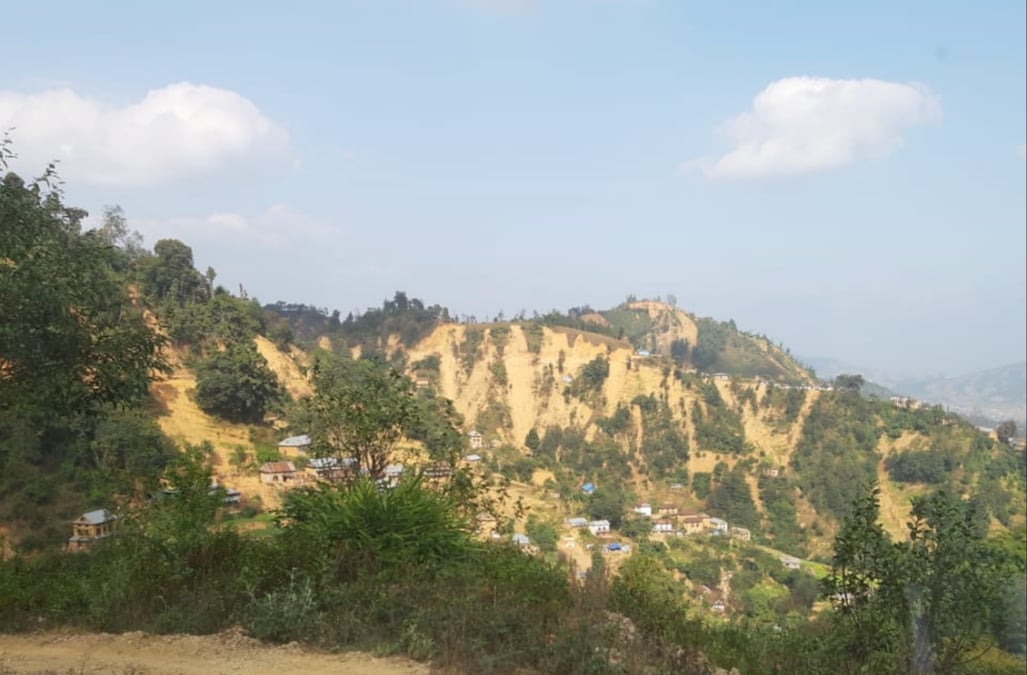
Six weeks after unprecedented floods ravaged the Rosi Khola valley east of Kathmandu, what little relief has reached the survivors is from charities and volunteers.
More than 60 of the 250 people killed in the floods in Central Nepal were here in Kavre district, where the Rosi turned into a deadly mudflow from dozens quarries and crusher units upstream. Some 36 of the dead were children.
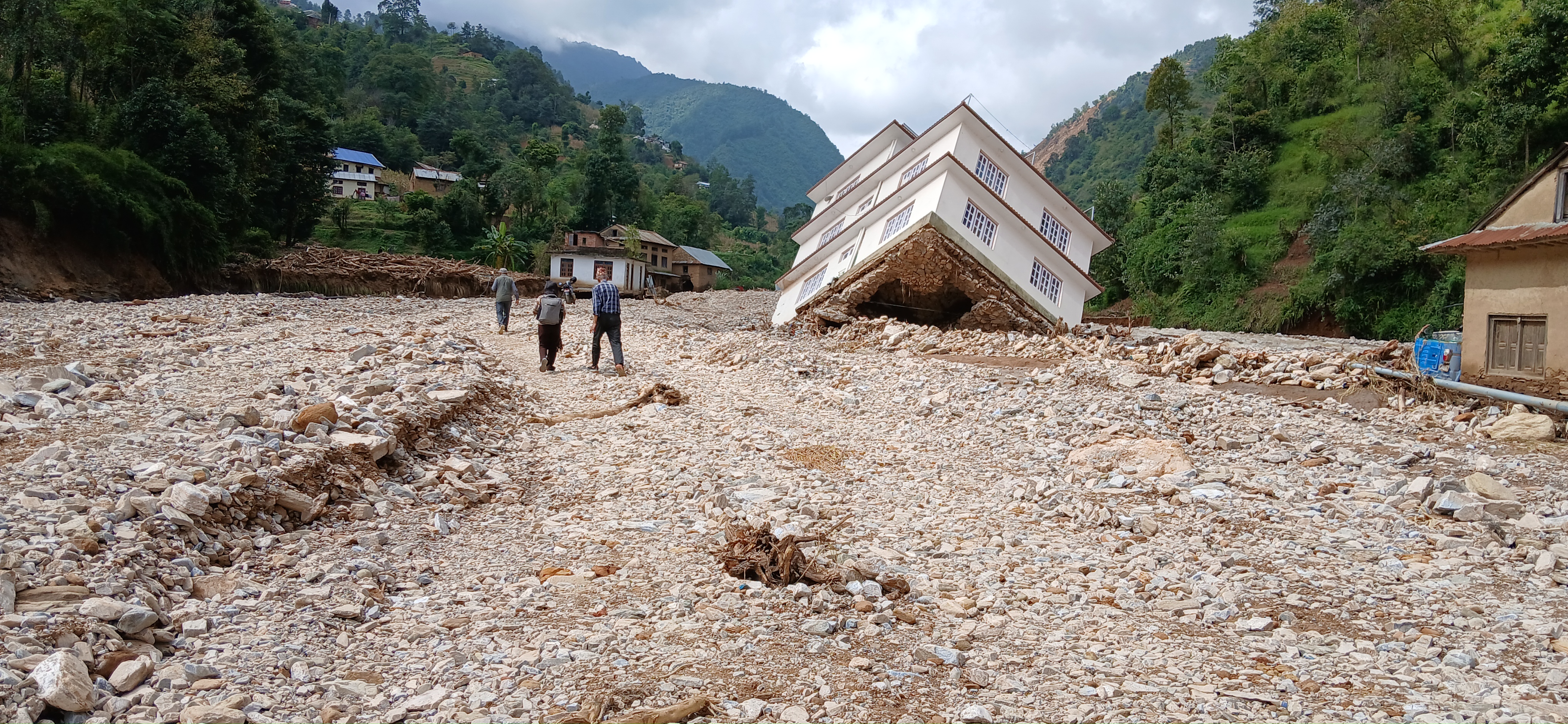
The record breaking rain turned even more destructive because it swept debris down from the sand and stone mining operations in the catchment area of the Rosi. Sand and boulder removal by contractors along the river bed over the past decade also meant that the river was flowing at extra high velocity.
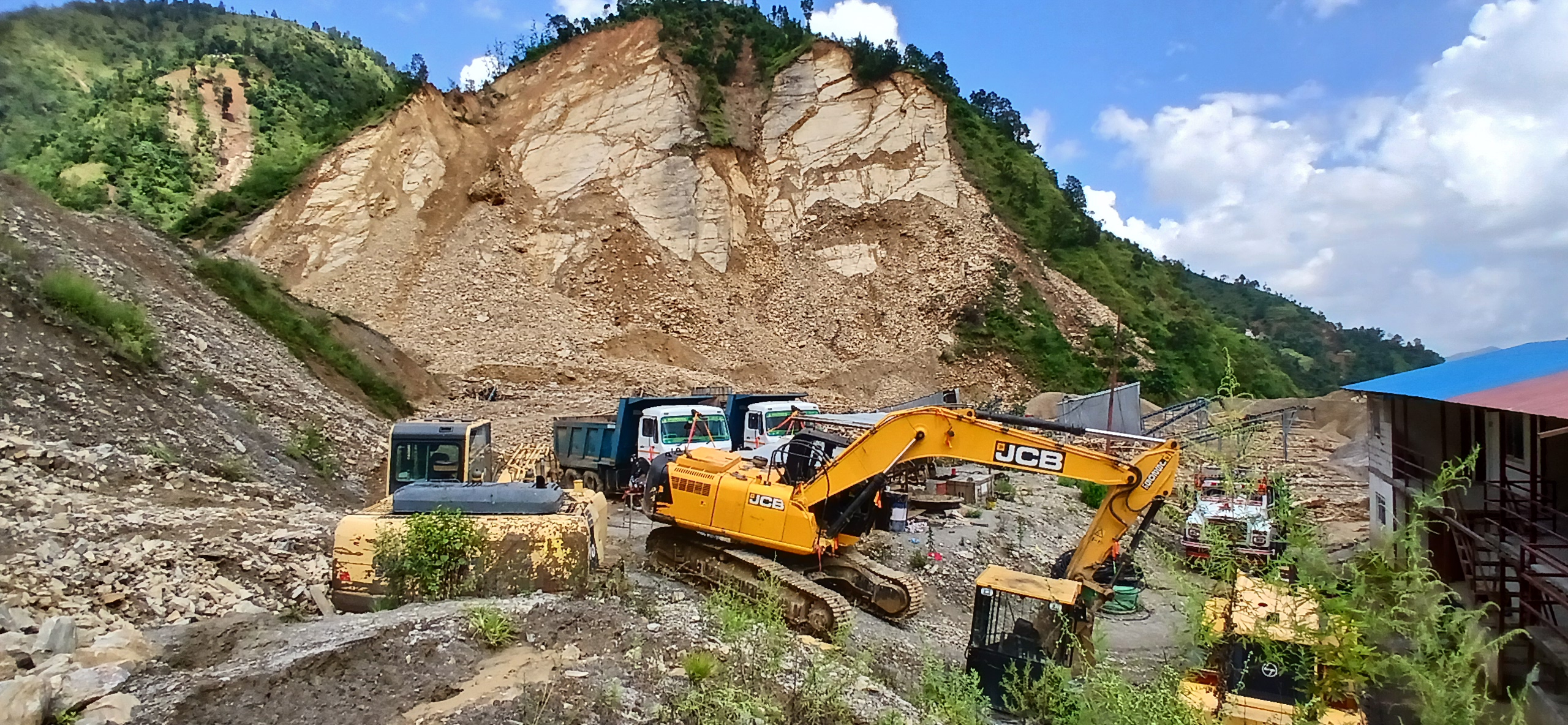
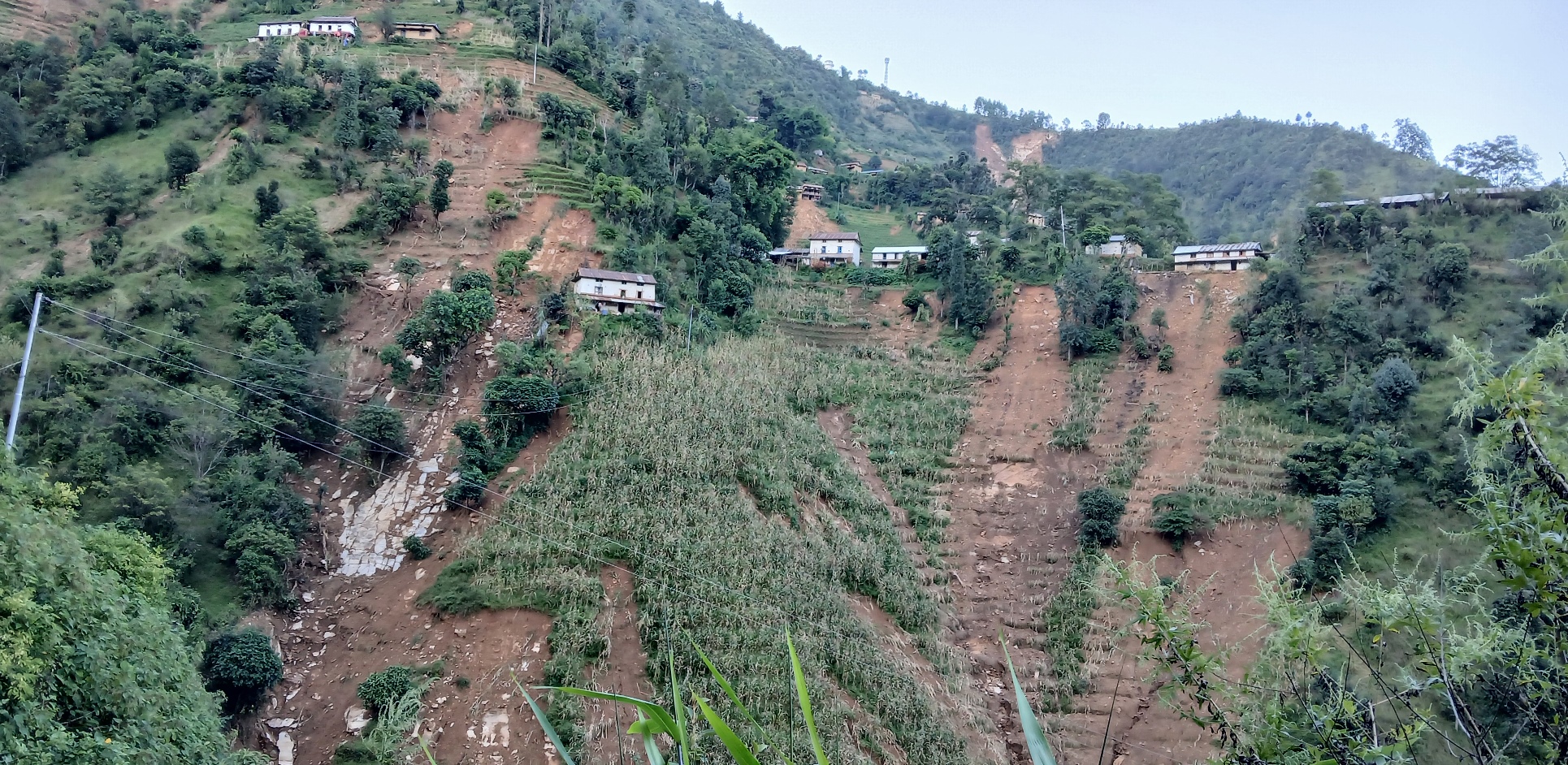
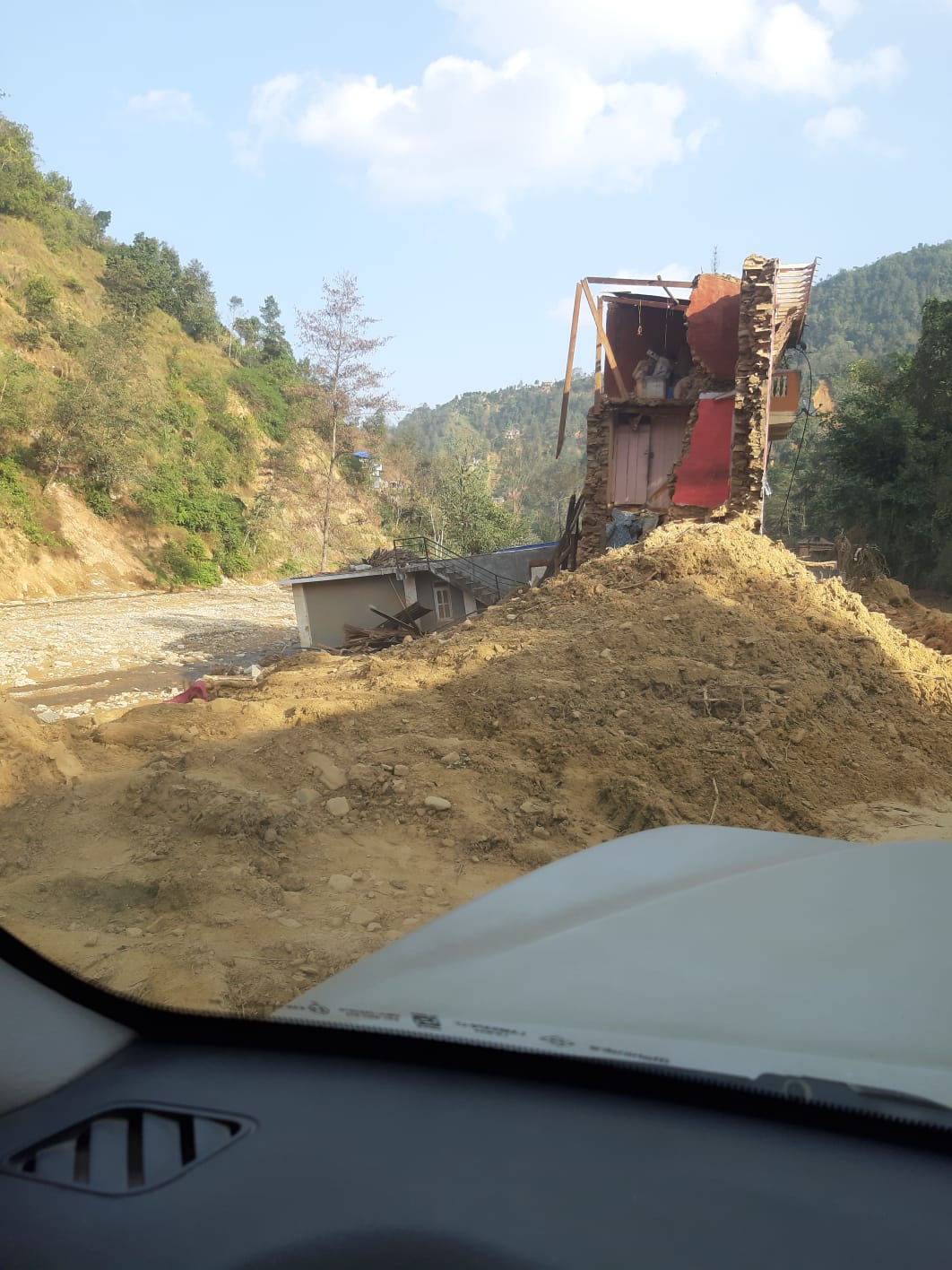
‘Khola’ in Nepal means ‘stream’, but the Rosi on the day of the deluge on 28 September looked like an angry river of mud that burst its banks and entered settlements, taking away homes, roads, bridges and a 200m portion of the BP Highway linking Kathmandu to the eastern Tarai. The damage to highways alone is Rs 2.5 billion according to the National Disaster Reduction and Risk Management Authority (NDRRMA).
The Highway has still not been repaired, and a rough bypass track along the river bank has been opened for traffic. A Himalkhabar/Nepali Times investigation last week found out that many of the owners of crushers mining the mountains to feed Kathmandu’s construction boom are local politicians who awarded front companies contracts.
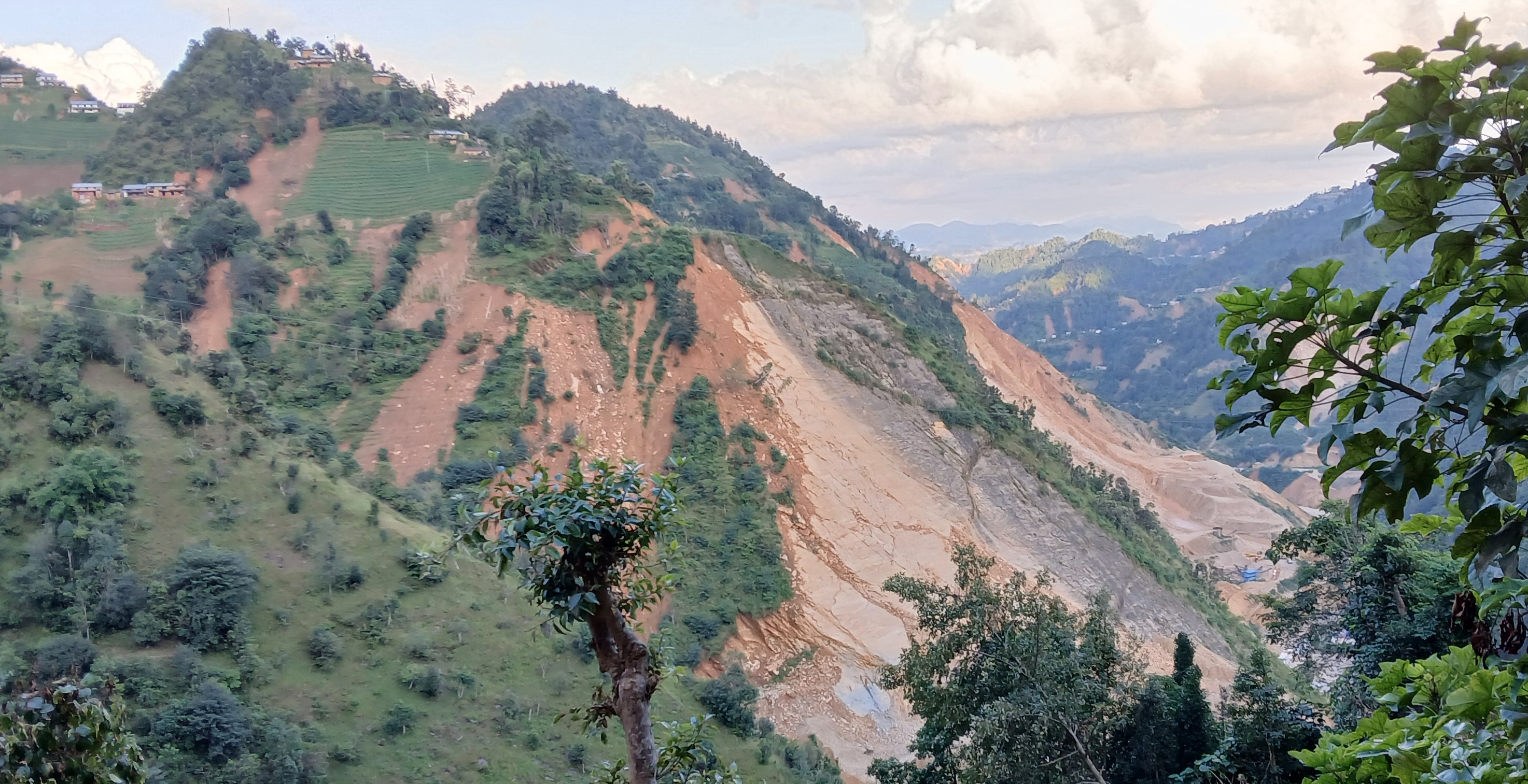
Besides floods, the historic rainfall that dumped half a year’s rainfall in less than two days triggered massive landslides all over the district. The rain was so heavy that even heavily forested mountains are scarred by slope failures.