
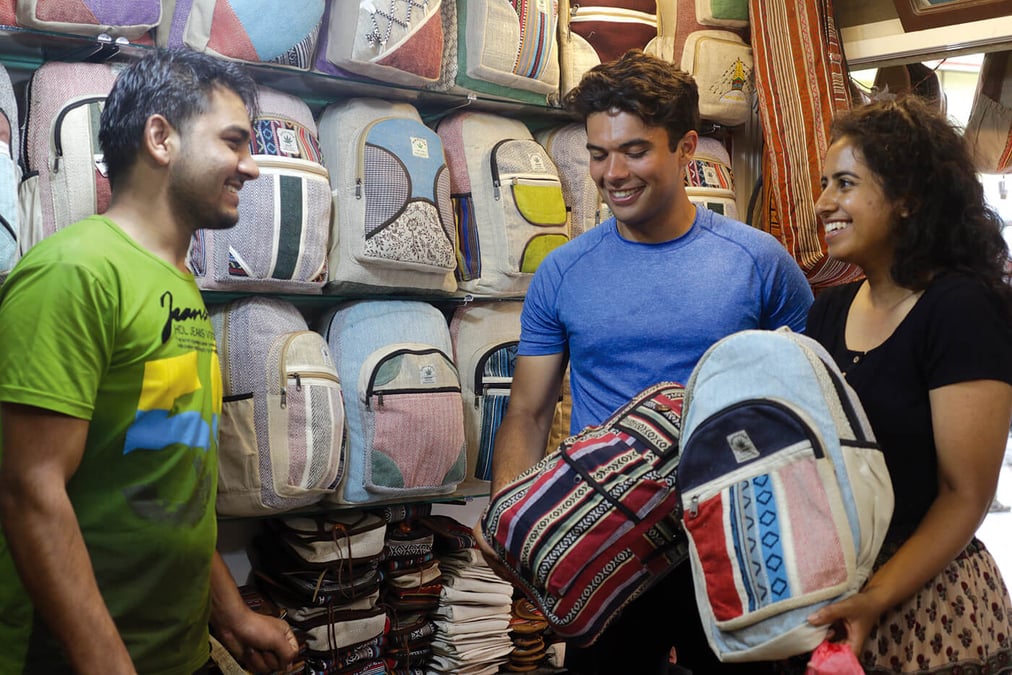
Thamel shops are doing a roaring business selling cannabis. The weed may be illegal in Nepal and cultivation of cannabis is still limited, but cute backpacks, laptop bags, sustainable, cruelty-free shirts and dresses are flying off the shelves this summer.
As hemp gains popularity among tourists and Nepalis alike, local manufacturers have redesigned quality products made from the fabric. One of the more versatile company is Boho Nepal with a range of popular bags for every occasion and profession.
Founded by Reyan Ghimire and Rafi Hussain, Boho Nepal sources its products from manufacturers in Kathmandu with an emphasis on practical designs suited to daily use rather than tourist-focused souvenirs.

“We ask our manufacturers to make custom products and design the products specifically for us,” says Ghimire, adding that while the business started only four months ago, the team began marketing Boho Nepal a year ago and has already attracted a growing customer base.
Hussain’s family background in business has helped the company expand in the right directions, with vibrant social media marketing, and prioritised products designed for local customers who recognise quality and style.
This approach has helped the brand build visibility early on, especially among consumers looking for alternatives to mass-produced bags and accessories.
Ghimire says quality consistency of the raw material is a challenge, but the versatility of hemp sells itself. The fabric is naturally antibacterial, dries easily after washing and becomes softer with use, making it suitable for everyday items that are used frequently and need to be more durable.
Boho Nepal’s recently launched hemp socks, for example, became popular among customers because they do not develop odour as quickly as regular socks when worn for long hours.
Boho Nepal plans to expand its product line and eventually manufacture them itself. Bringing production closer to the brand would give the company greater control over design, quality and supply.
Meanwhile, a shift toward more liberal government policies could create space for local businesses built around hemp, says Ghimire: “Hemp is easily accessible and requires less investment and time to produce. A more liberal policy regarding hemp cultivation could pave the way for businesses like ours to grow.”
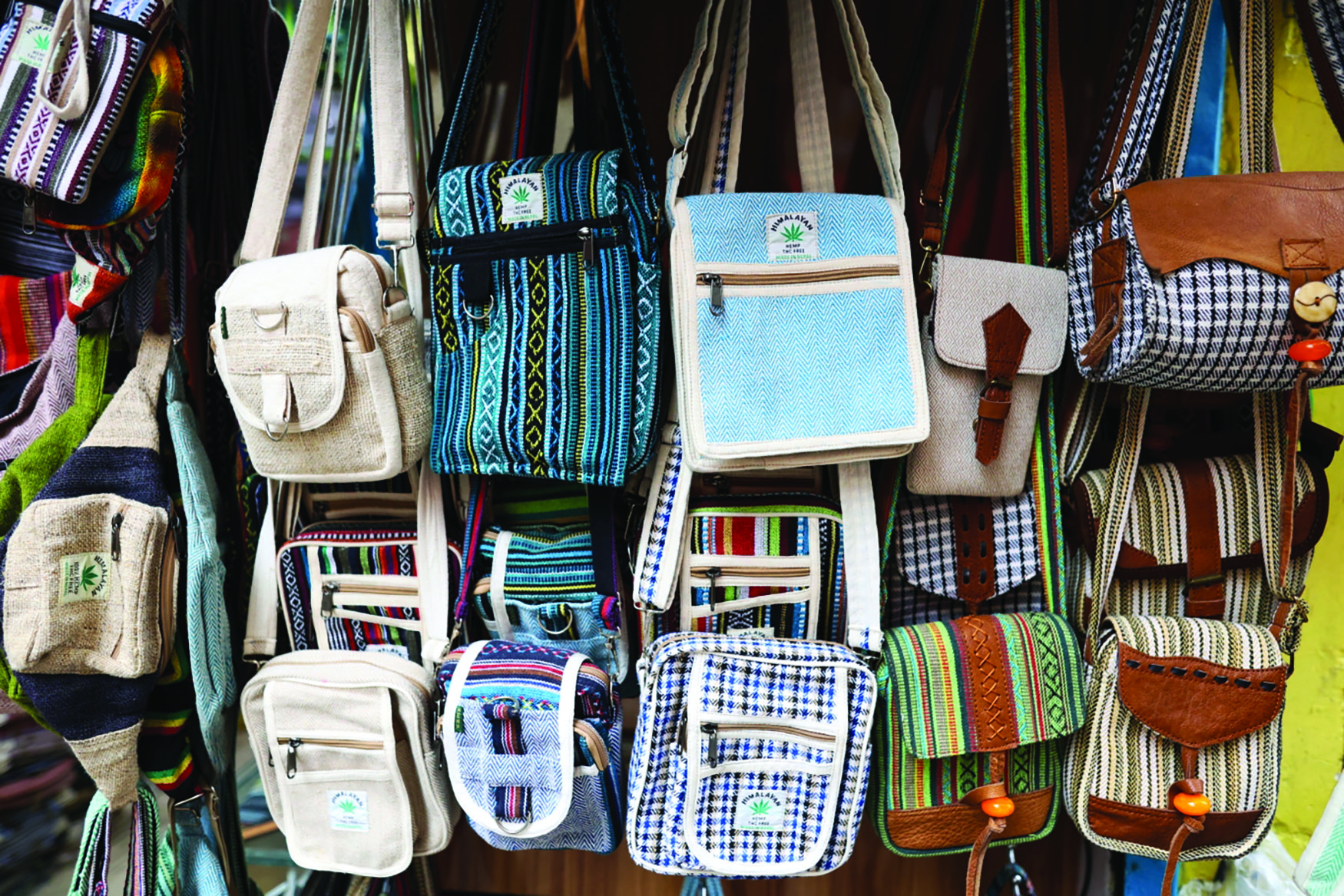
HEMP HOUSE
A company that has been in this business longer is Hemp House Nepal, and it manufactures products according to client orders, using raw materials sourced from farmers in the western mountains of Nepal.
“We buy the fabric from farmers in Bajura, Bajhang and Rolpa,” says Dipendra Dahal of Hemp House Nepal. “We contact local agents who understand the area and then visit to assess the quality of the hemp.”
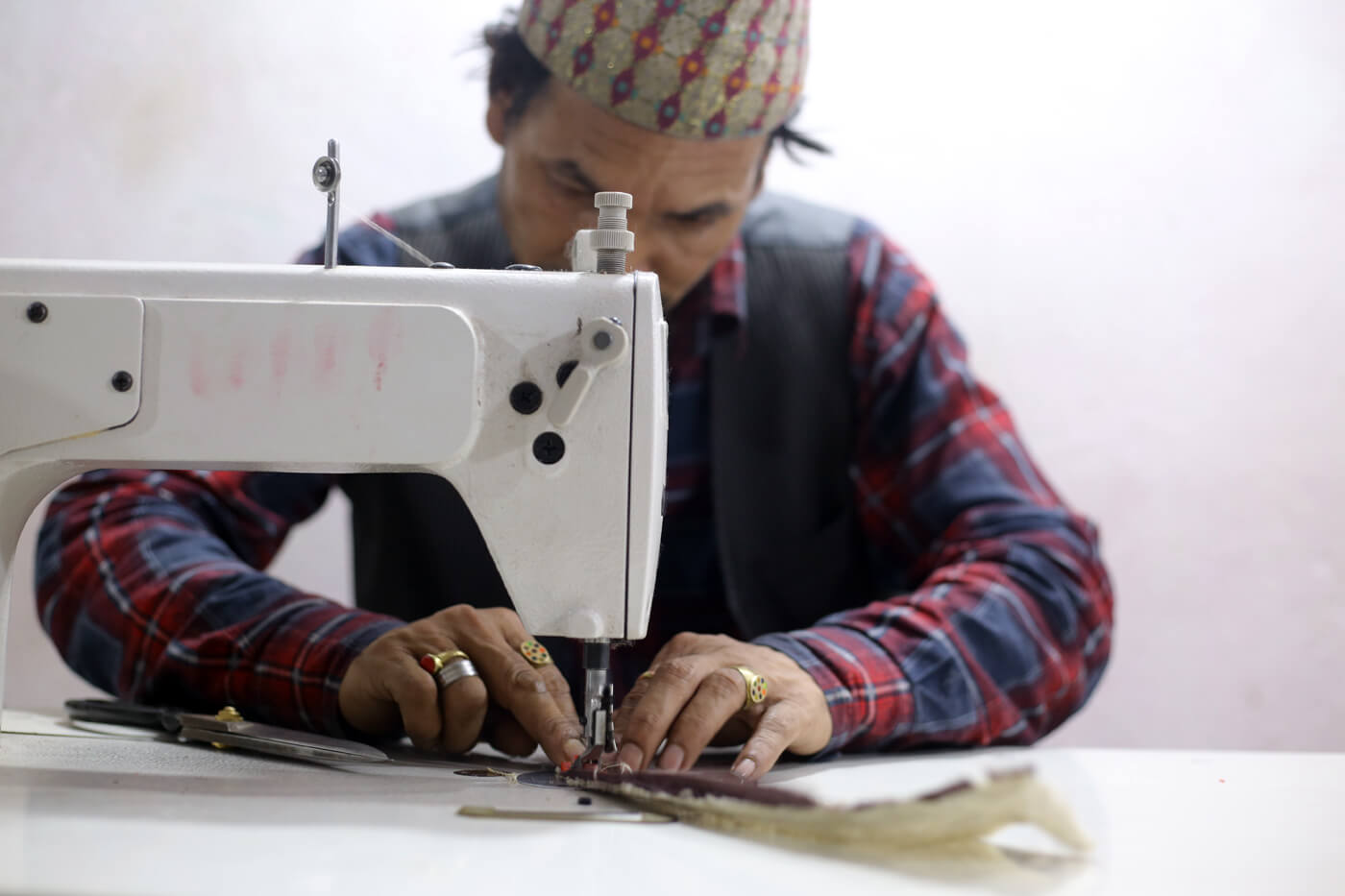
At the company’s processing facilities in Kathmandu, workers knit the threads into 100% hemp-based bags, shirts, socks, trousers, pants and purses. It also blends hemp with dhaka and cotton fabrics for export to retailers in the US and Europe.
Hemp can be used to make a variety of products, including soap, oil and cosmetics. It can also be turned into hemp bricks for environment-friendly houses, a practice that has taken root in Australia and Thailand.
Hemp is also relatively easy to cultivate. Its seeds can be planted on hillsides and barren cliffs, where the plants can grow with limited inputs, fixing nitrogen in the soil to improve fertility.
Although hemp cultivation is largely limited in Nepal, there have been ongoing efforts at both local and federal levels to legalise the crop.
“Local governments must take the initiative to promote hemp cultivation and encourage farmers,” says Dahal. “If a proper market is established, farmers and manufacturers alike will be encouraged to expand their businesses.”
Thailand and Indonesia have developed markets around hemp products under more open legal frameworks. In Nepal, some political figures in previous governments have expressed support for hemp farming, but so far only Gandaki Province has moved forward with a bill for its legalisation.
“The government can supervise plantations and issue licenses to those dealing in such products,” adds Dahal. “Solutions and opportunities exist; we just have to learn to tap into them.”
However, challenges remain in formulating and implementing clear policies for cultivation and sales. With limited interest from concerned institutions and government agencies, the market potential of hemp remains largely unexplored.