
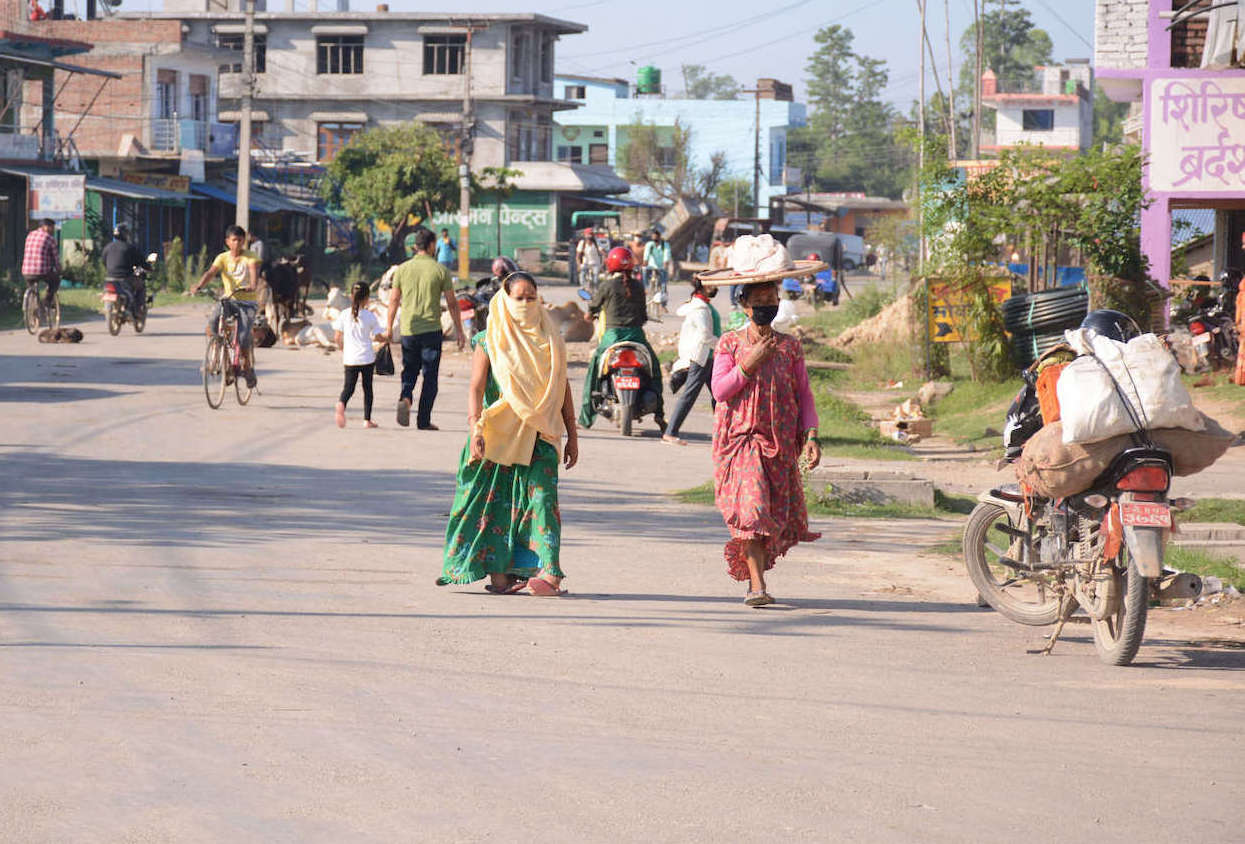
Like many cities around the world, Kathmandu is struggling to find ways through the ever-shifting coronavirus landscape.
Business and residents need, and want, to get back to normal. But in Nepal and across neighbouring India, COVID-19 cases are increasing, not dropping.
Nepal’s health planners may want to look to the experience of states in the United States, many of them where Nepalis also live in large numbers. Cities there show that, as much as it might seem that virus is really ‘no big deal’, there is a real danger to opening up too fast.
The virus is as deceptive and relentless as ever. Case numbers can explode in a matter of days, and set back the return to normal by months.
Joplin in the state of Missouri sits right in the middle of the USA, between California and New York and between Minnesota and Texas. Earlier this spring, in lockdown to prevent coronavirus, the small city closed businesses and schools.
After a month, thinking that the pandemic had come and gone, it reopened earlier than other cities. Life returned to normal, it seemed. Residents relaxed. Then the storm hit, this time for real.
COVID-19 is especially dangerous because it moves silently, invisibly. And without physical distancing and masks, it moves fast. In just a few weeks, cases in Joplin jumped 20 times -- from 60 to 1,200. It is now one of the hottest areas in one of America's fastest growing coronavirus ‘hot spots’. The storm is hitting hard, and despite the extra time to prepare, the city is not ready.
Kathmandu, take note.
A few coronavirus cases were detected in March in Joplin, a city of 50,000 people. The city ‘battened down the hatches’ for a big outbreak. Hospitals set up special sections for coronavirus cases. They postponed non-essential surgeries. Health workers braced for trouble. In early April, Missouri's governor shut down schools, closed businesses, and banned events and meetings across the state. Joplin's residents had to stay at home.
But then little happened. The number of case numbers dropped. Hospitals saw no surge. That was good news, of course. The stay-at-home orders and other preventions worked.
But people misunderstood, and reached the wrong conclusions. They began to think that all the health warnings were exaggerated -- "overhyped" according to one observer. The dreaded pandemic, the Washington Post reported, seemed ‘more rumour than reality’.
“It seemed like the wave was gone. It had passed us by,” said Rob McNab director of the coronavirus centre at one of Joplin’s two hospitals. McNab started considering closing down his hospital's special COVID-19 isolation unit.
On 4 May, after a month long shutdown, Missouri's governor reopened the state. Residents jumped into normal life. Businesses opened. People flocked to bars and restaurants.
In June, after a few weeksof silent spread, new coronavirus cases multiplied. A factory saw a huge outbreak, almost 400 cases. A home for seniors was hit hard. Broad community transmission started.
The disease spread without people realising it, many did not develop symptoms right away. Some never do, but they can spread the disease nonetheless. That's what makes COVID-19 so tricky, so dangerous.
Joplin's hospitals are now close to overflowing. New cases show up faster than ever. Freeman Hospital has tripled the size of its coronavirus unit. They will soon enter uncharted waters, near capacity. "We’ve never been in a situation where we can’t meet the needs of the community.” says McNab.