

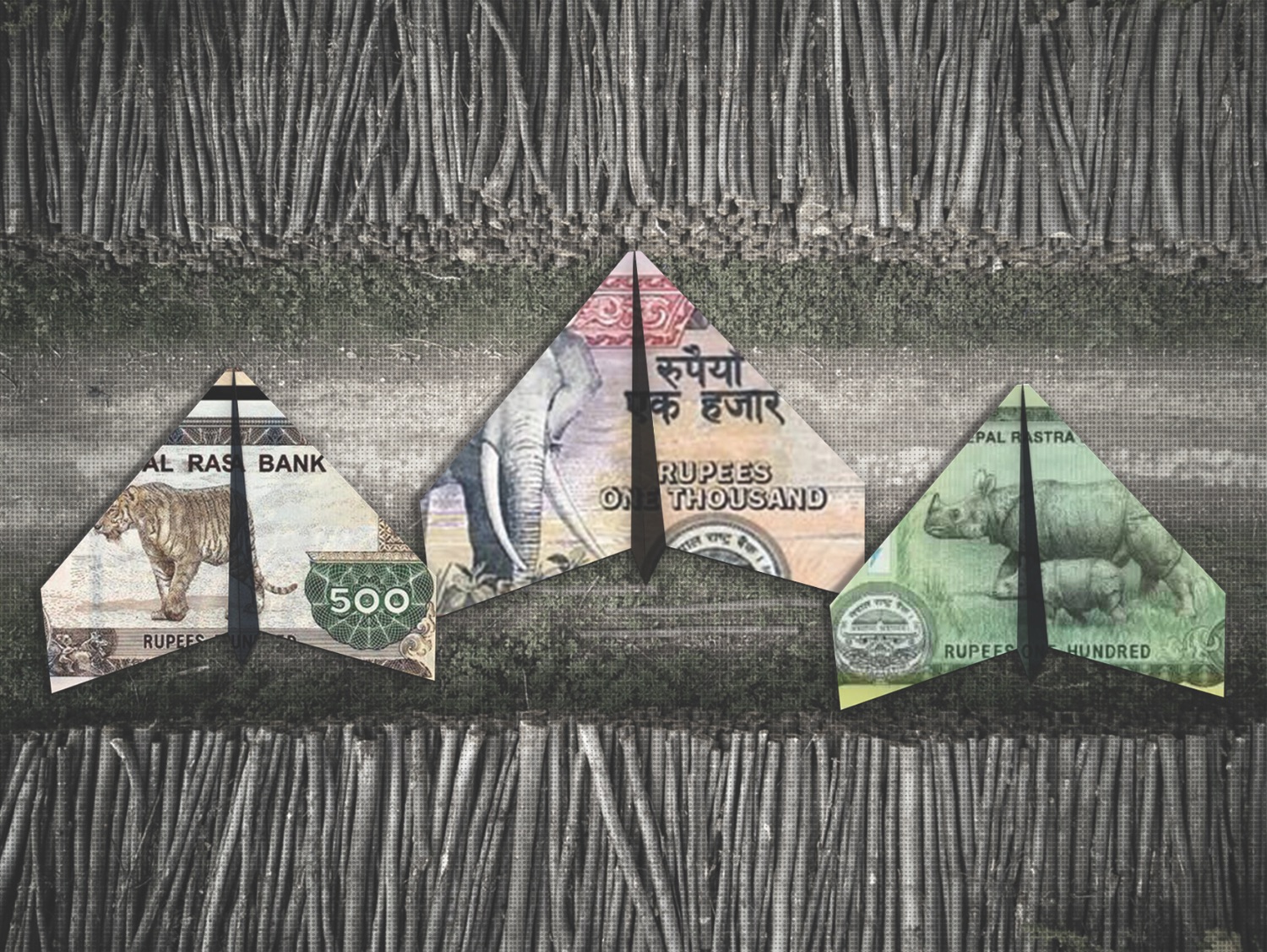
As the 4th most vulnerable country in the world to the impact of the climate crisis, Nepal has emerged as a bellwether at international climate and conservation events.
Outside of the poles, the Himalaya is the largest storehouse of fresh water, and the mountains are one of the most biologically-diverse regions on Earth.
Nepal is a compelling story for international development partners who have invested vast resources into its conservation effort for decades, and not without some success.
But how accountable are these partners if their resources are awarded to the very actors perpetuating the ecological disasters that their funds are meant to prevent?
Nepal entered 2021 with a winter drought that resulted in barren mountains and raging wildfires. In February it saw high profile donor-funded events, including a visit by the British MP and President of COP26, Alok Sharma, who announced a combined $7.4 billion Green Recovery Support package for Nepal.
However, none of the donors seemed concerned that the government plans to clear-cut Nijgad Forest, the last remaining tract of native hardwood jungle in Nepal’s eastern plains.
The forest is a corridor for nature areas in India and Nepal and is home to tigers, rhinos, elephants and pangolins. To understand the importance of Nijgad Forest, one simply has to read the detailed documents Nepal has submitted to agencies like UKAid, USAID and World Bank to qualify for funding that goes into protecting forests and endangered species.
The government and the international community already agree that destroying Nijgad Forest would be devastating for Nepal.
Yet, as Nepal’s political leadership openly pushes plans to clear-cut Nijgad, the international community is set to award it with additional billions of dollars and a massive green-washing opportunity.
It is to address this devastating contradiction that today I am launching the campaign SaveNijgadh.org, and demand that Nepal’s development partners condition conservation aid on the government’s commitment to protecting Nijgad Forest by the time COP26 Climate Summit takes place in Glasgow in November.
The Nepal government's plan to build an international airport by logging Nijgad's trees amounts to perhaps the largest organised ecological crime in the country in recent times. It is enormous in scale, audacity and the amount of money that will change hands.
For most of 2020, Nepal’s Cabinet cited an agreement with Zurich Airport International as the justification to start chopping down trees worth millions of dollars even though no such agreement existed. (See nepalitimes.com 18 September, 2020).
In May, the former Minister of Civil Aviation and Tourism Yogesh Bhattarai invoked that imaginary agreement to defy a standing Supreme Court order that barred cutting of any trees for the project. He ordered the felling of 4,000 trees, and in September announced plans to cut down tens of thousands more by end-2020.