Nepal’s Prime Minister K P Oli and heads of state and governments from over 64 countries have committed to reverse nature loss by the end of the decade to fulfil the United Nation’s Sustainable Development Goals (SDGs).
Countries endorsing the pledge represent more than 1.3 billion people and more than a quarter of global GDP, and comes after the World Wildlife Fund Living Planet Report 2020 released earlier this month.
That report revealed that there has been a two-thirds decline in the global populations of mammals, birds, amphibians, reptiles and fish in the past 50 years.
Nepal has been praised internationally as a model for nature conservation, and its ability to manage people and parks relatively well despite problems of poverty, population growth and pressure on land.
But despite past achievements, experts say Nepal cannot afford to be complacent and the government commitment will renew conservation efforts, especially to curb recent surge in wildlife poaching during of Covid-19 lockdown.
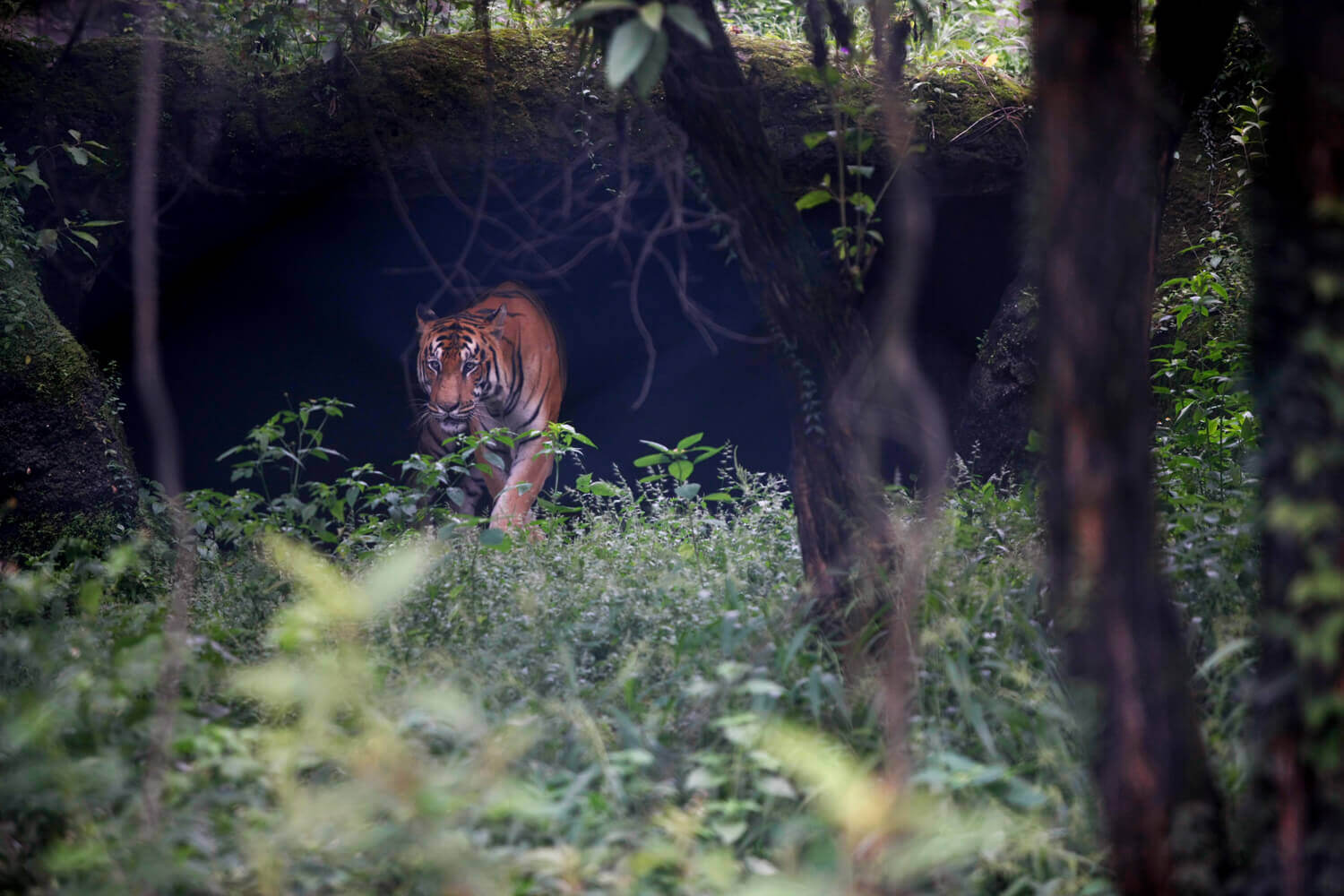
Six musk deer were found killed in traps in Sagarmatha National Park in April. There was a seizure of tiger and leopard pelts as well as bones this week in western Nepal from poachers who were taking them to China.
Earlier this month in Chitwan National park, a dead rhino was found with a bullet hole in its head, and a tiger was found dead in Bardia on Saturday. Nepal had marked its fourth year with zero rhino poaching recently.
Announced just few days ahead of the UN Summit on Biodiversity, The Leaders’ Pledge for Nature: United to reverse biodiversity loss by 2030 for Sustainable Development will send a united signal that the world must step up ambition to halt and reverse nature loss for the benefit of people and nature and to help tackle climate change.
“Pandemics, wildfires, wildlife decline and climate change are all symptoms of our dangerously unbalanced relationship with the natural world. We can’t ignore it any longer, and we must act decisively,” says Marco Lambertini, Director General of WWF-International.