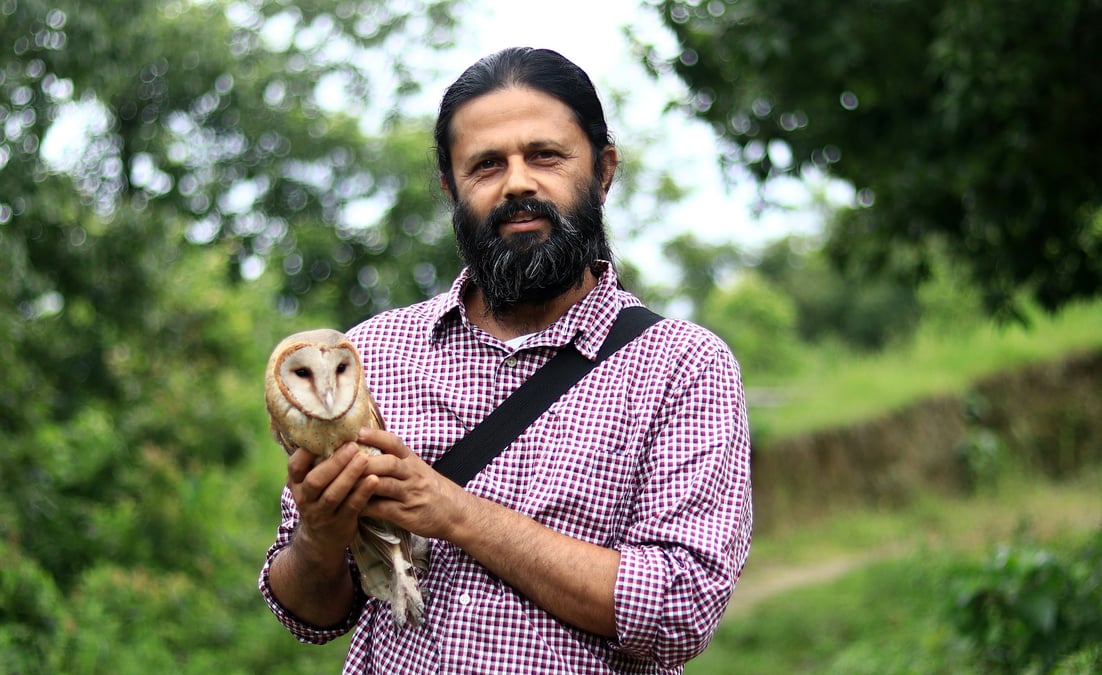
Raju Acharya from Nepal is one of the winners of the Whitley Award to protect owls in central Nepal after spearheading a government-backed ten-year plan to safeguard the birds which had been overlooked from conservation efforts.
Acharya is the founder of Friends of Nature, a Kathmandu-based environmental group and was instrumental in driving The Owl Conservation Action Plan in 2020 which addresses threats to owls from hunting, illegal trade, and habitat loss.
The Whitley Award funding will help boost initiatives in central Nepal, home to the greatest density of birds and 19 of the country’s 23 owl species.
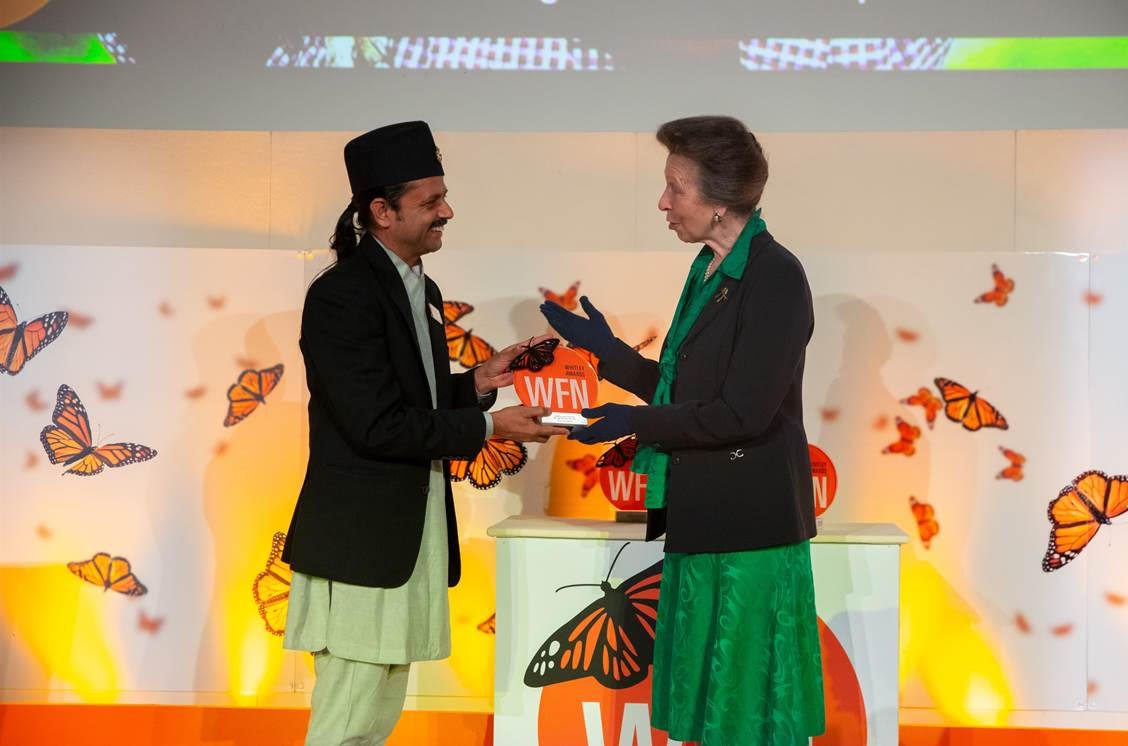
Acharya received the award on 1 May at the Royal Geographical Society in a ceremony that marks three decades since the very first Whitley Award was presented.
Sir David Attenborough, WFN Ambassador and a long-term supporter of the charity, said the growing network of winners represents some of the best conservation leaders in the world: “Whitley Award winners combine knowing how to respond to crises yet also bring communities and wider audiences with them."
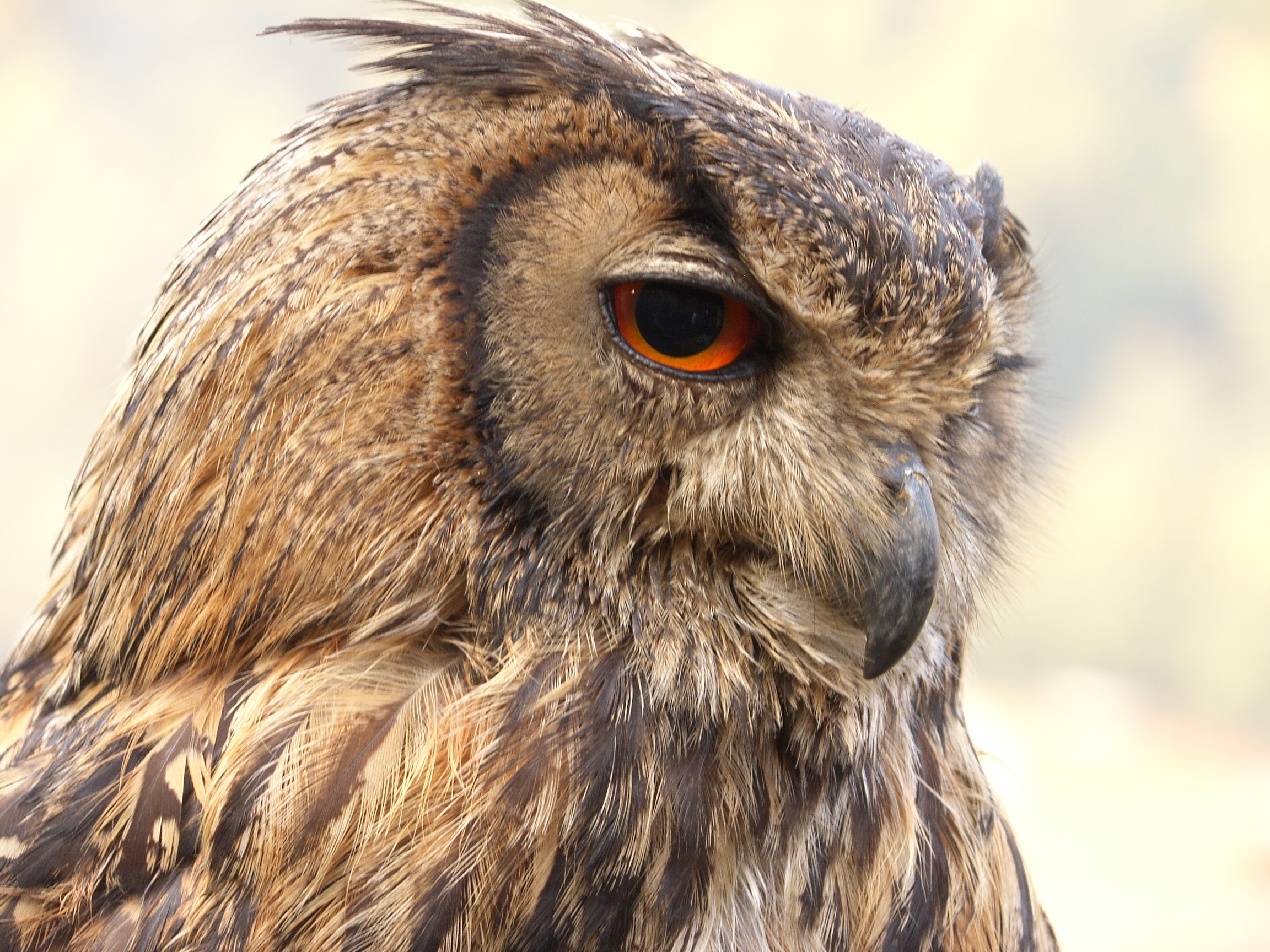
Raju has spent decades shoring up support for Nepal’s owls which include the jungle owlet, rock eagle owl and Eurasian eagle owl – all of which are currently listed as Least Concern or Data Deficient under the International Union for Conservation of Nature’s Red List.
Raju’s work addresses the danger of focusing conservation efforts solely on highly threatened flagship species. Threats to the owls are significant: the birds are the subject of an illicit trade in central Nepal, with 1,500 owls hunted or traded each year in Nepal.
Owls represent good or bad omens in central Nepal, with s Some people associate them with death, while in other areas, owl feathers are regarded as sacred objects that can ward off evil.
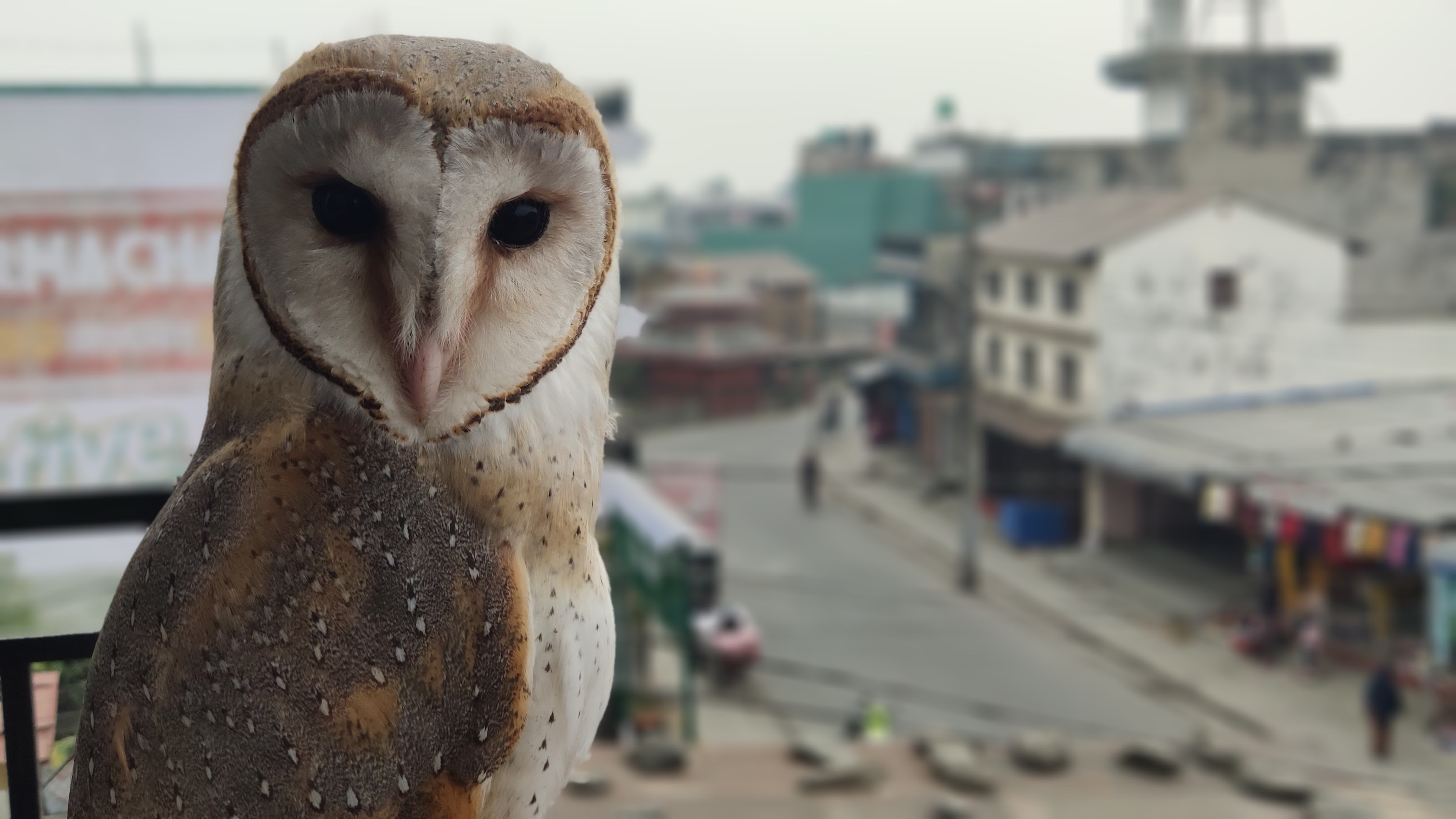
Hunting by teenagers using catapults and habitat loss are other threats to the owls amid the felling of old trees whose cavities are crucial nesting sites for the birds. Forest makes up one-third of this region. Older trees also act as roosting, den or hibernation sites for owls which struggle to find nesting locations in semi-urban areas.
Acharya’s project aims to build on Nepal’s success in conservation which has harnessed the proactive participation of communities. He aims to foster collaboration between the ethnic groups to foster a broader understanding of owls to reduce the use of catapults, discourage the consumption of owl meat and advocate for adherence to the government regulations which protect the birds.