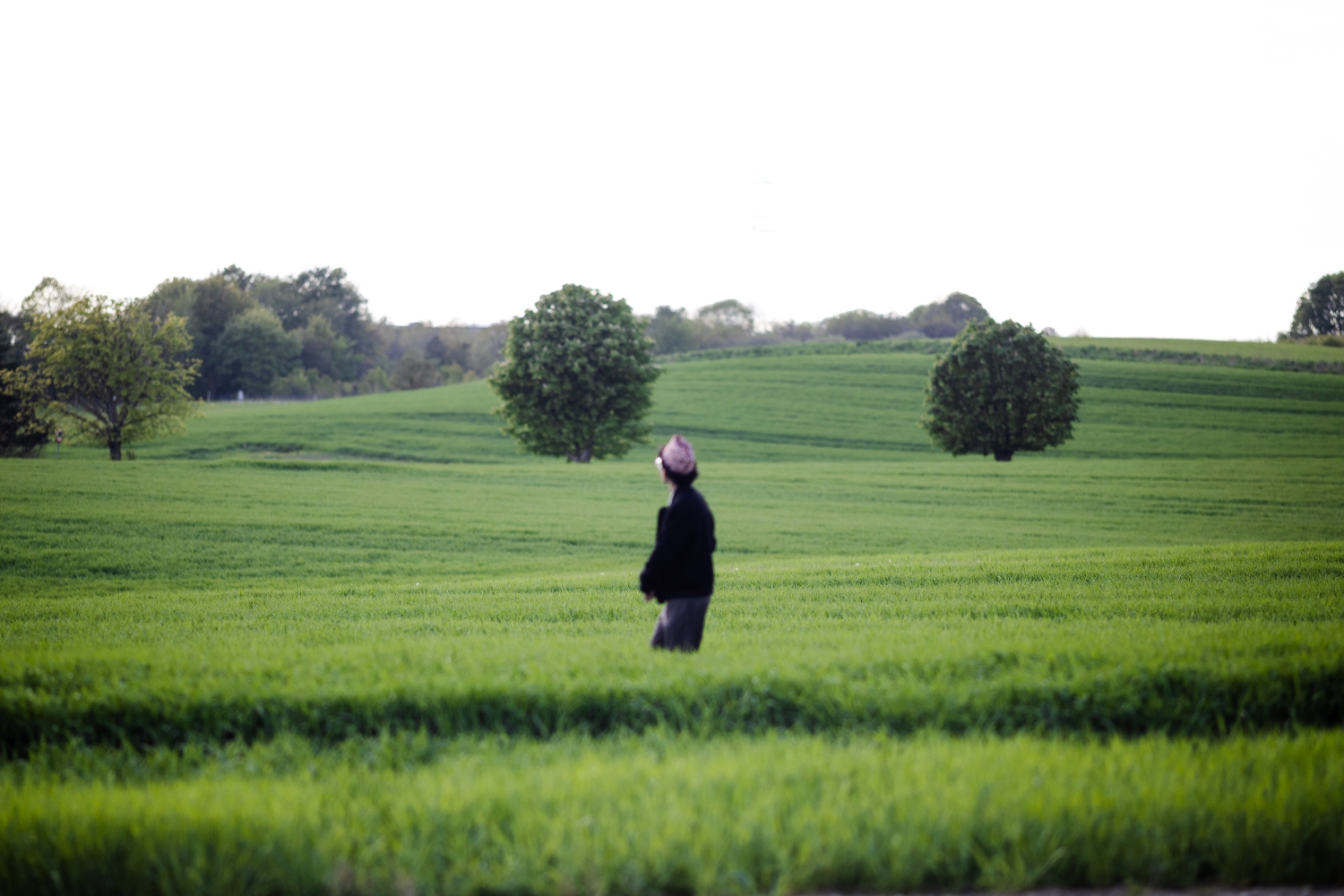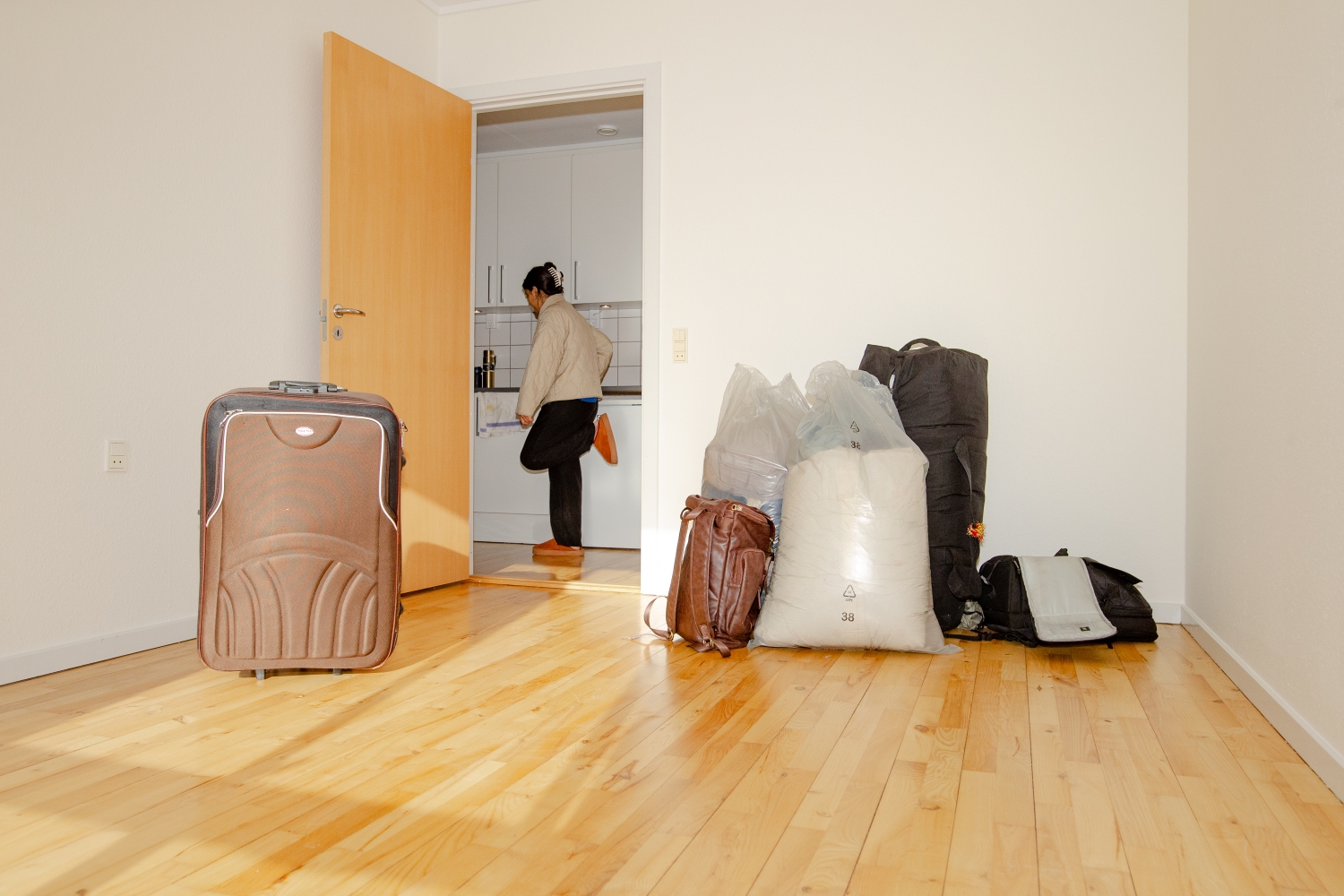
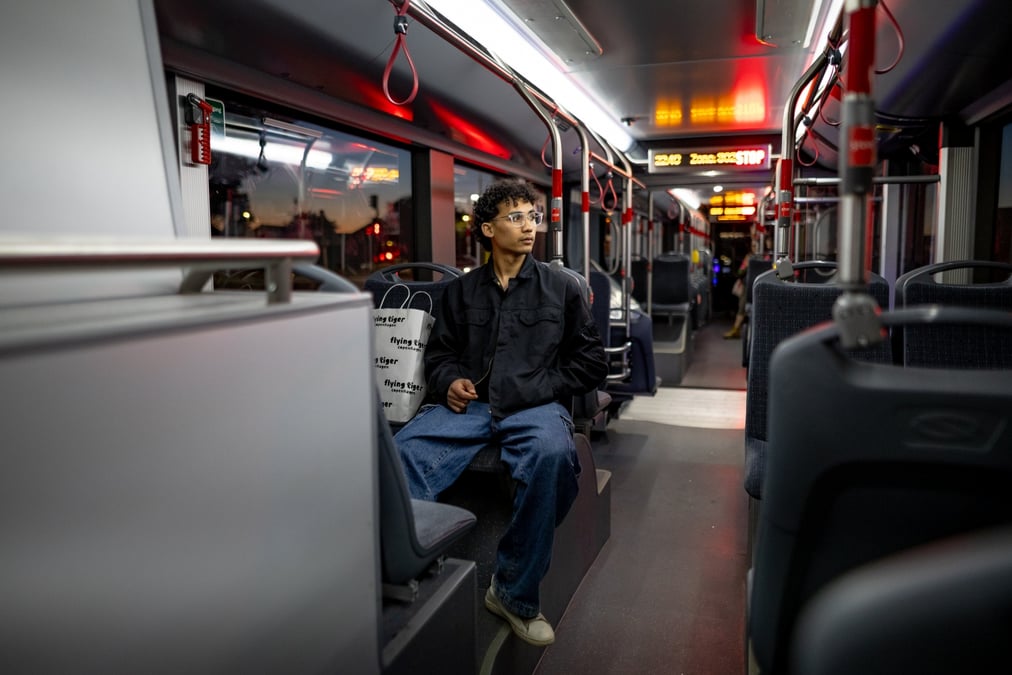
The alarm goes off exactly at six in the morning. Outside, the seaside town of Aarhus in central Denmark is pitch black, a deep, impenetrable darkness that a Scandinavian winter brings.
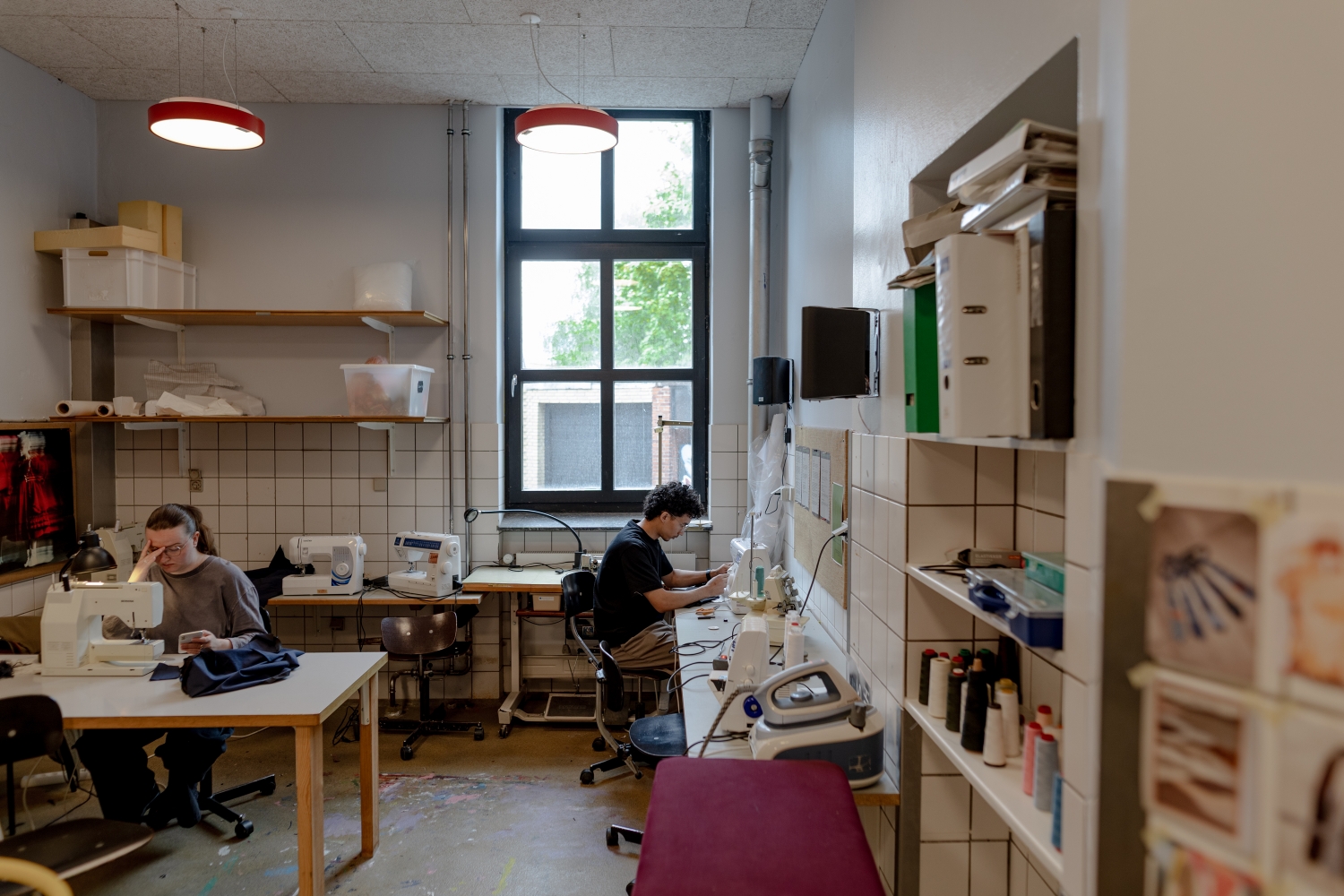
Prabesh pulls on his jacket, laces his shoes, and heads into the cold. There is a shift to complete, and later, a lecture to attend. He is far from Nepal, away from his mother's cooking, and far from the sunny winter afternoons when the whole family would gather in the roof terrace.
Karan's mornings look different but feel the same. He found work in Aarhus, not in Kolding where his university is. So every day he boards a train and travels three hours each way to attend classes.
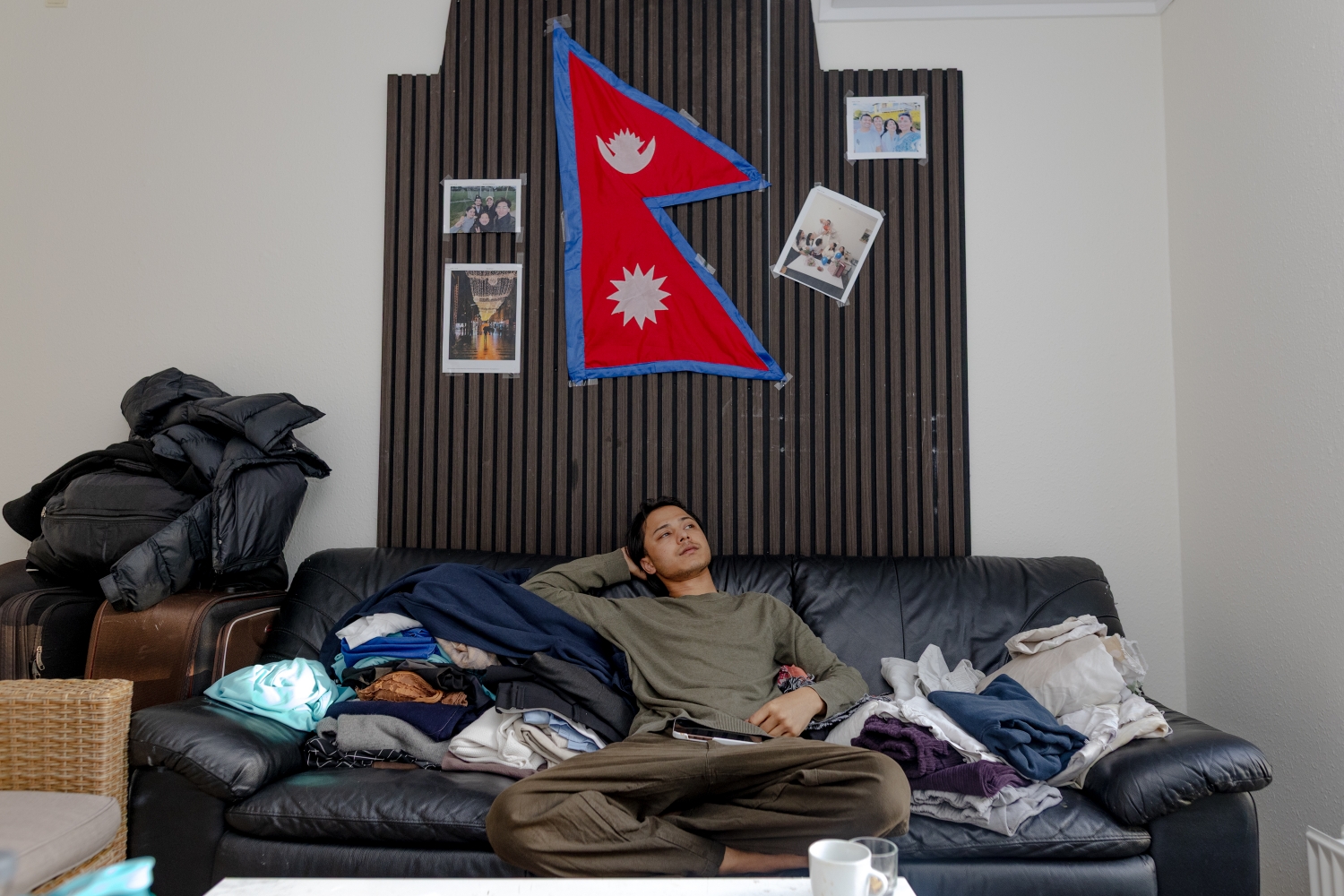
He took out a loan to come to Denmark two years ago. The debt travels with him on every commute.
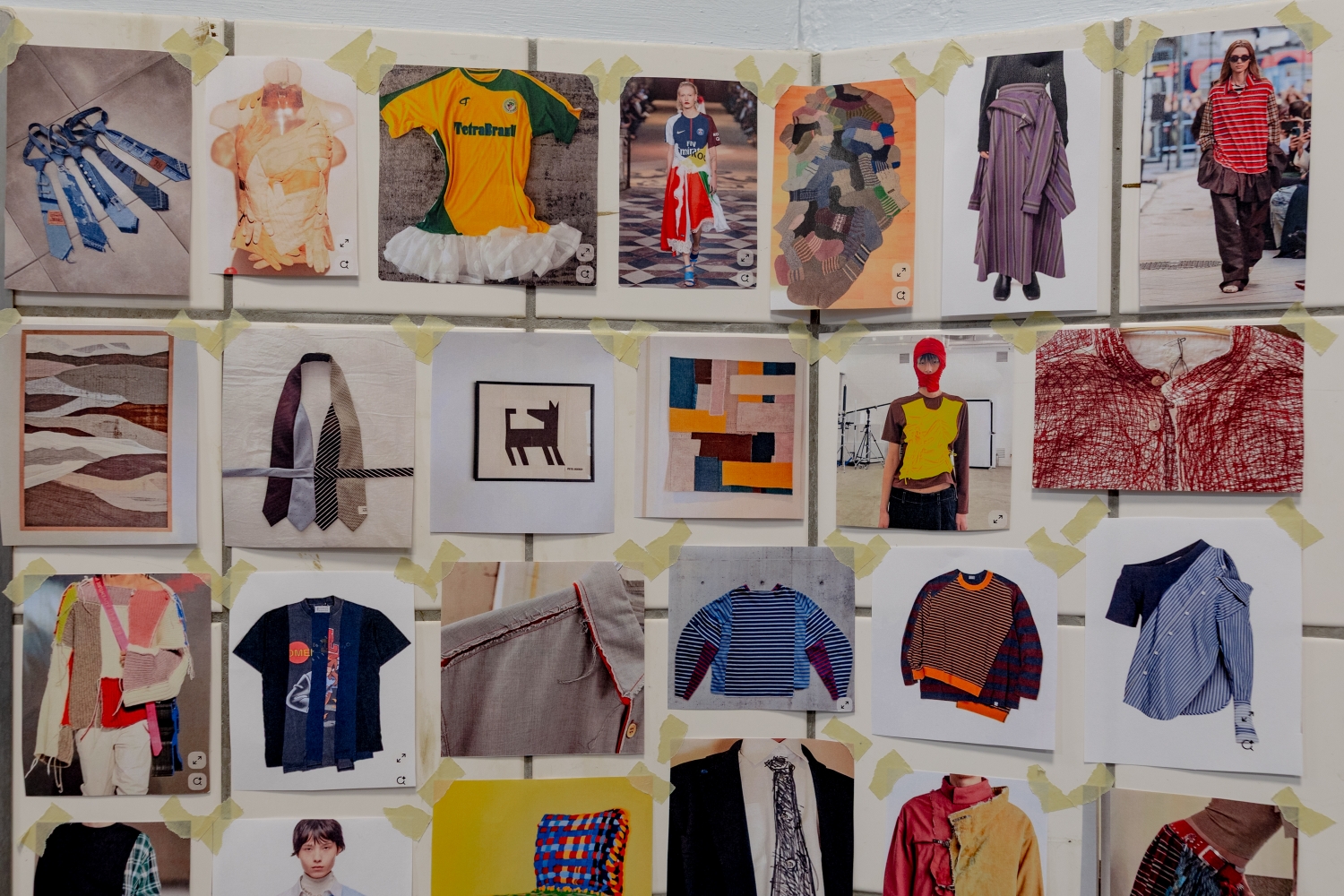
Prabesh arrived in 2022. Karan followed in 2024. Both came with the same quiet conviction that a degree from a Danish university would open their career doors. Prabesh studies fashion design. Karan is pursuing business. Both are chasing happiness.
On holidays, Karan is up by seven and back home by 11 at night. During the week, it is the same rotation of early mornings, long shifts, and exhausted evenings.
Money is tight and calling home has become difficult. It is not that they do not want to speak to their parents, but the conversation always drifts to the question: How are they managing? And the honest answer is hard to say out loud.
“If it were not for responsibility, I would never have come to a foreign land,” Prabesh now admits. “I want to make my family proud and happy, I want to be able to repay them for everything they have done.”
In Nepal, the decision to send a child abroad is a family investment: financially and emotionally. Savings are pooled, money borrowed, property sold. The unspoken contract is clear: go, succeed, come back and make it worth it.
That weight did not end when the plane landed in Copenhagen, that is when the clock started ticking. Every euro saved counts.
Denmark is not an easy country for first-timers. Winters are long, dark and cold. The language is difficult to master. The culture can feel alienating in the beginning. There are days when the city feels exotic and alien in equal measure.
Karan misses home food the most, specifically the taste only his mother can make. It is a kind of flavour that no Nepali restaurant in Aarhus can replicate. “We miss home,” says Prabesh, with a wistful look.
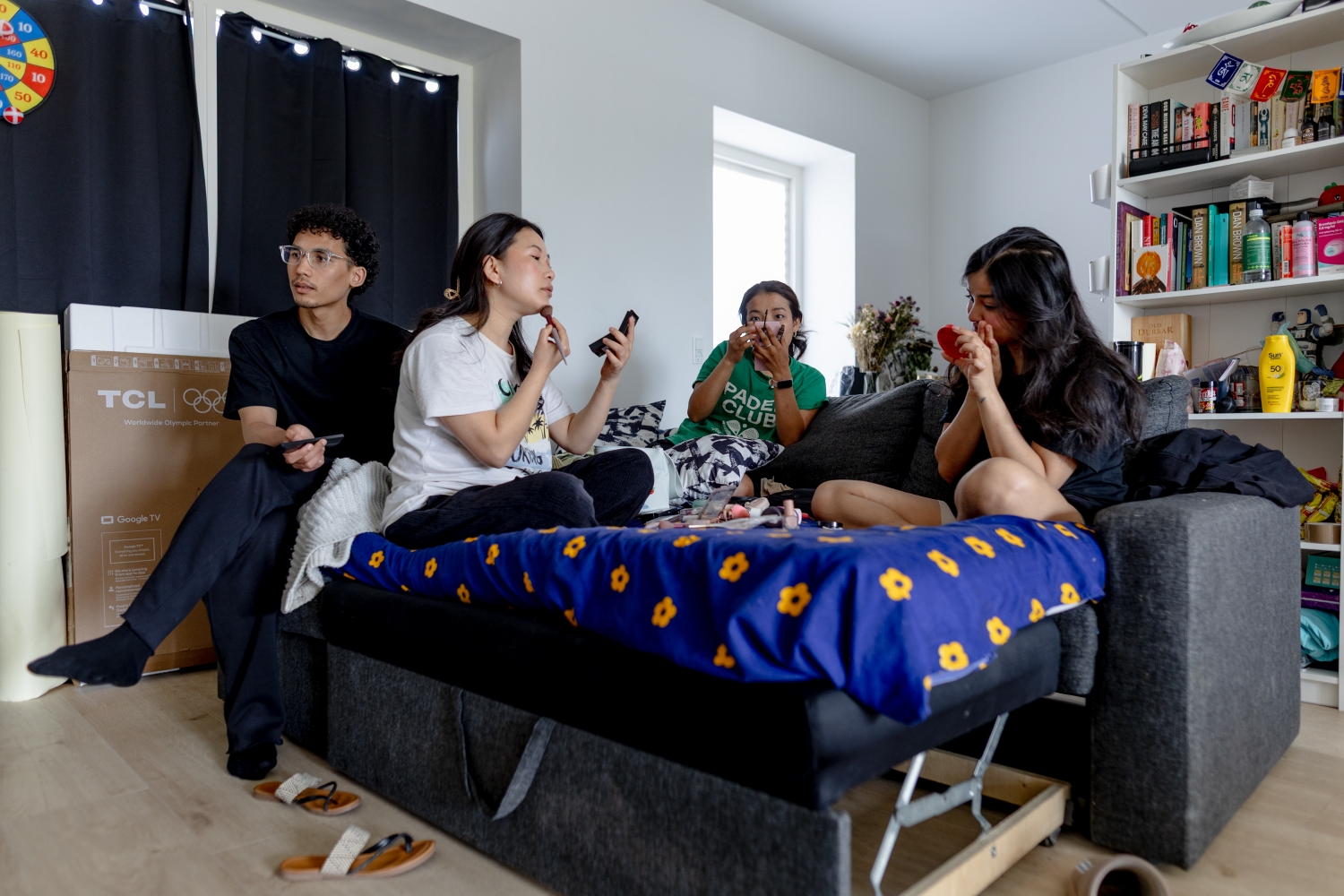
SHARED DREAMS
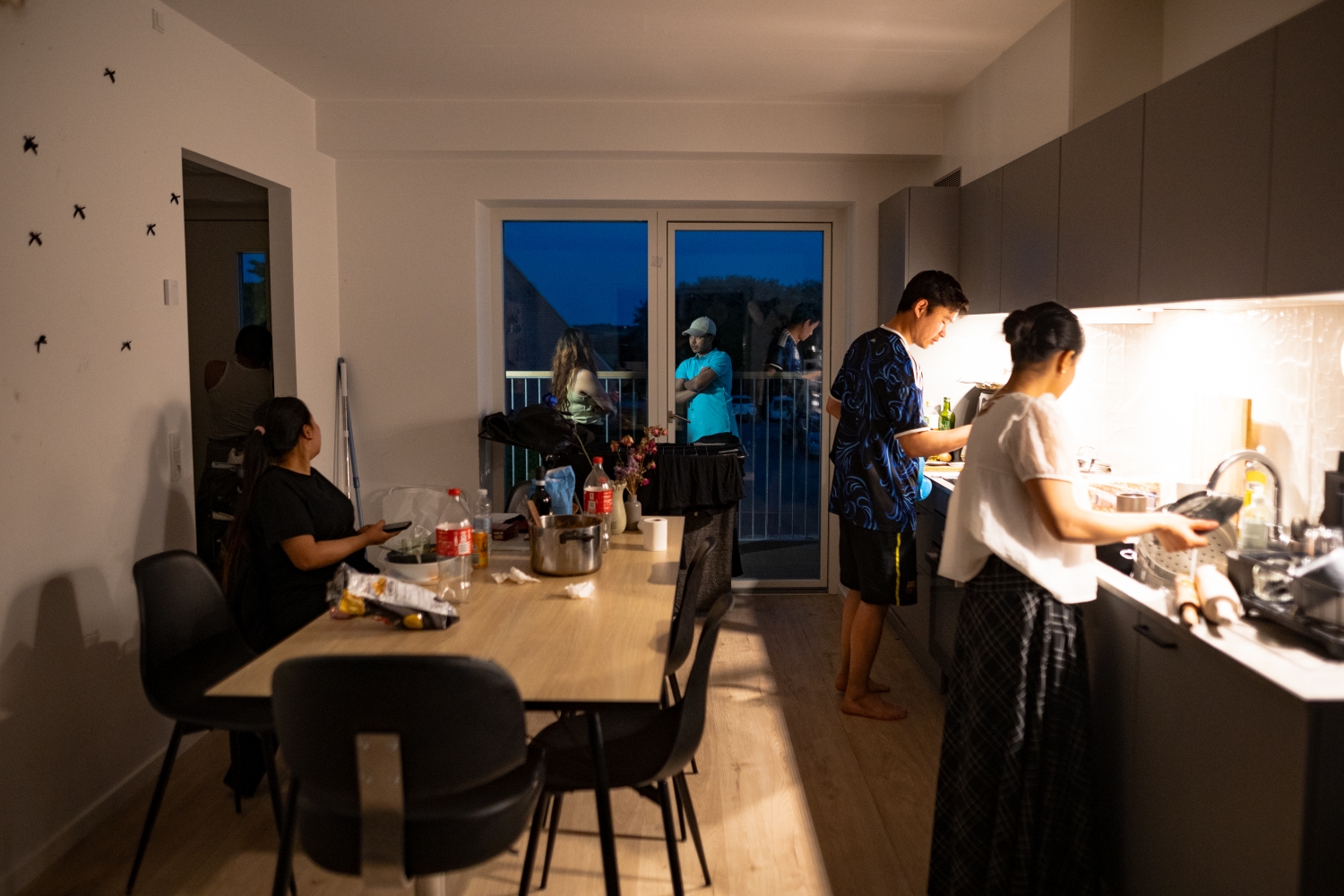
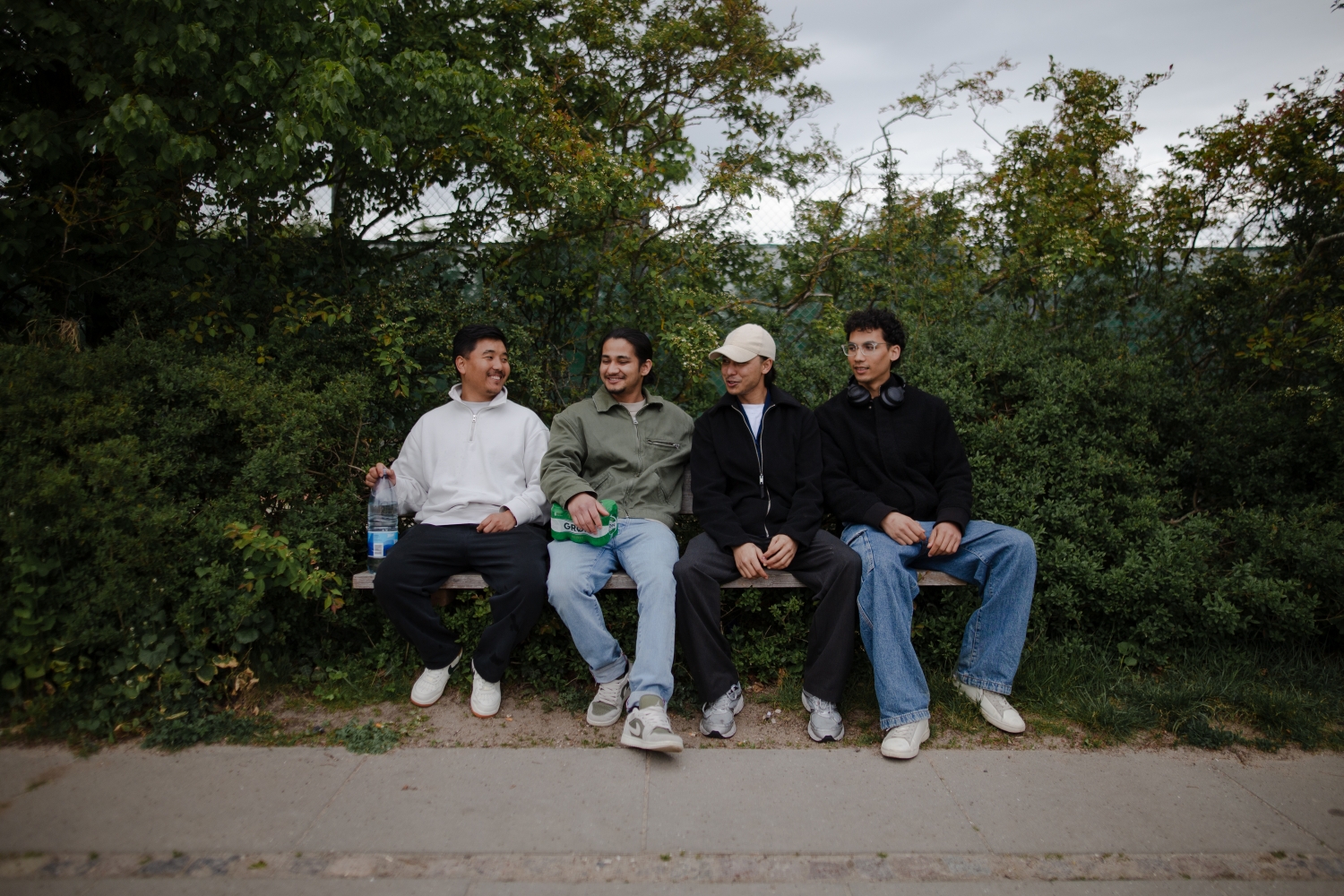
What keeps them going, in part, is each other. Prabesh and Karan met in Denmark: two strangers from the same country, now family. They celebrate Nepali festivals together, sharing the small, practical details of how to survive in a place not built for them. The Nepali community scattered across Aarhus and Kolding functions as a second home, it is imperfect, improvised, but real.
Meanwhile, the Danish government recently announced new measures aimed at international students from outside the EU. Tighter verification of foreign educational qualifications, stricter monitoring of academic activity, and restricting family members. This is a direct response to rising student numbers from Nepal and Bangladesh, and concerns that some are using their student visas to gain work permits.
The number of Nepali study permits in Denmark jumped from 152 in 2023 to 487 in 2024. Prabesh and Karan are not abusing the system, they are building something from almost nothing for themselves and providing less expensive labour for the host country.
The Nepalis here work because they must, Denmark needs calibrated induction of foreign migrants for its economy to run. Prabesh and Karan study because that was the whole point. They stay because going back now would mean unfulfilled dreams. Night falls quickly here. Karan is back from another exhausting train ride, and Prabesh calls his parents in Nepal. They set their alarms for six.