Bikalpa Art Centre (BAC) in Pulchok is an interdisciplinary space onto itself. A cosy complex cloistered by low-hanging trees, it has a cafe, workstations, a music stage and a rectangular gallery where the latest pop-up exhibition Monsoon Hymn is underway.
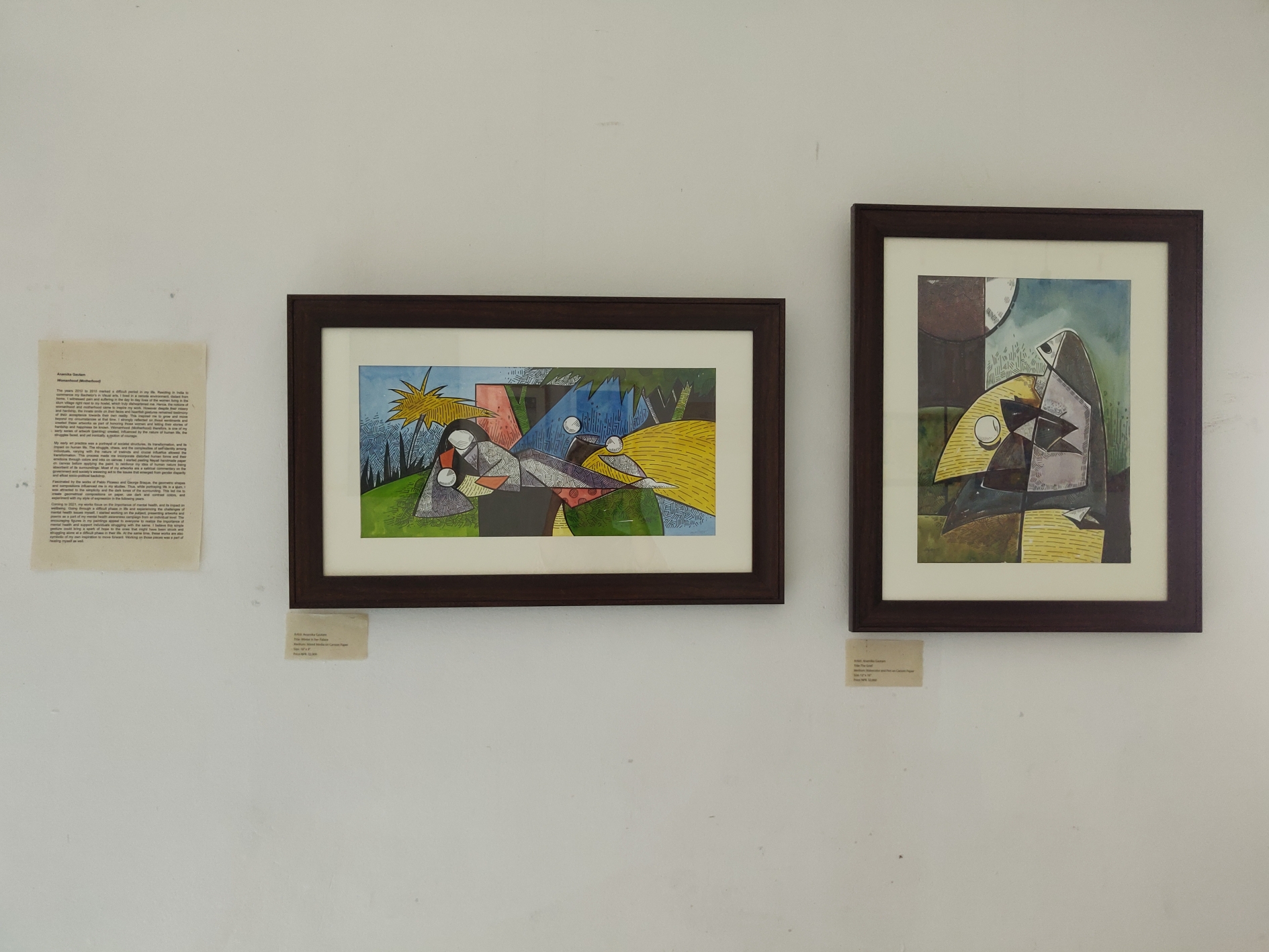
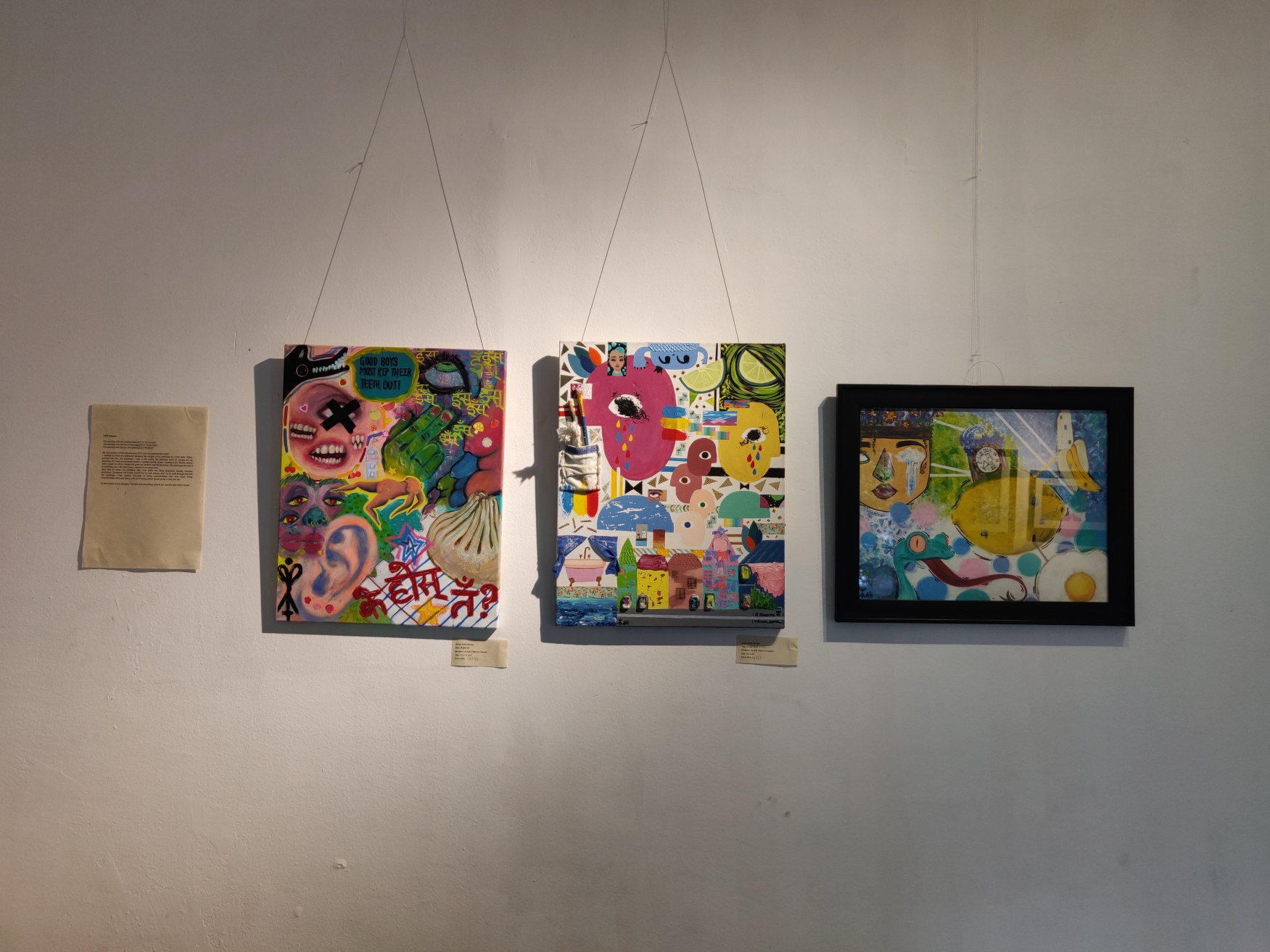
Bikalpa means 'alternative' in Nepali, and the gallery features works by artists Aashma Dangol, Sundar Lama, Aditi Sherpa, Anamika Gautam, Devina Joshi, Katyani Rai and Priyanka Singh Maharjan. The exhibition explores the essence of growing up and youth culture in Nepal, alongside documenting their multifaceted inner lives and their surroundings, through photographs, paintings and poetry.
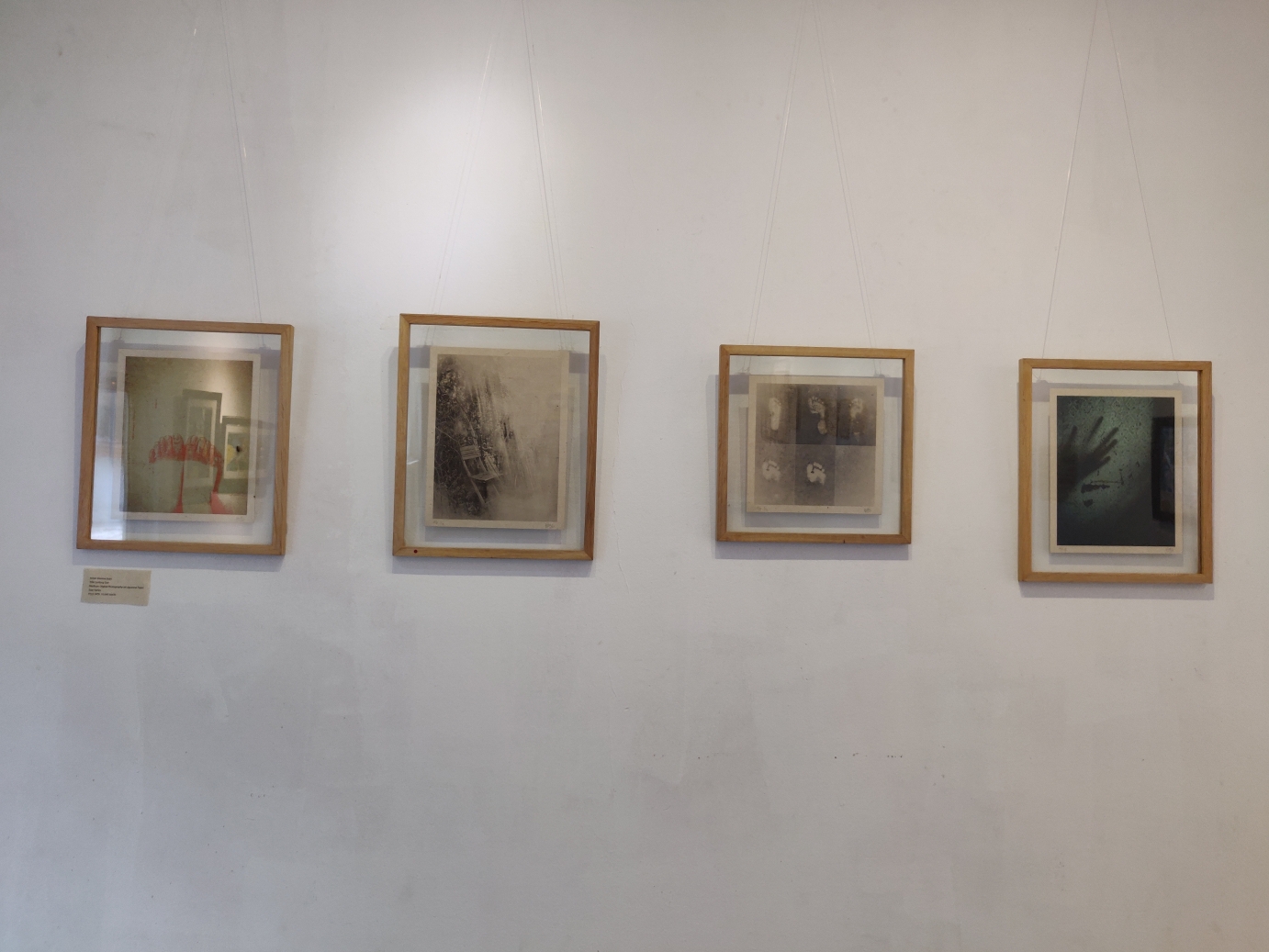
Among the striking works is ‘Letting Out’, a photographic journey by Devina Joshi through a period of mental exhaustion, looking to find spiritual, emotional and creative outlet for her thoughts and feelings.
The picture of feet decorated with ala (red pigment) turns the lens towards the inner child emulating the Kumari. The divine feminine resides in every girl, believes Joshi, and the picture represents a search for the goddess within.
Next to it is a photograph of a chair – washed-up, almost, in sepia tones, exuding a profound sense of loneliness and immobility. Pictures speak a thousand words – and this is the case with the other artworks on display as well – and here, the four-legged furniture waits: for company, perhaps, or for meaning. The edges look frayed and fading, and there is also a sense of time trickling away.
But even then, the outward motion of expressing or releasing reflects back to one’s interior. Joshi relates life and time in her photographs, and ultimately finds a connection to herself. This act of healing is immediately relatable to the viewer, whether in the solitary chair or in fading footsteps.
Healing is indeed a large part of the monsoon, as rains can symbolise the washing down of one’s sorrows and plights. And the many artworks in the exhibition have that quality about them, even when what they represent or depict appear at the outset intimidating and violent.
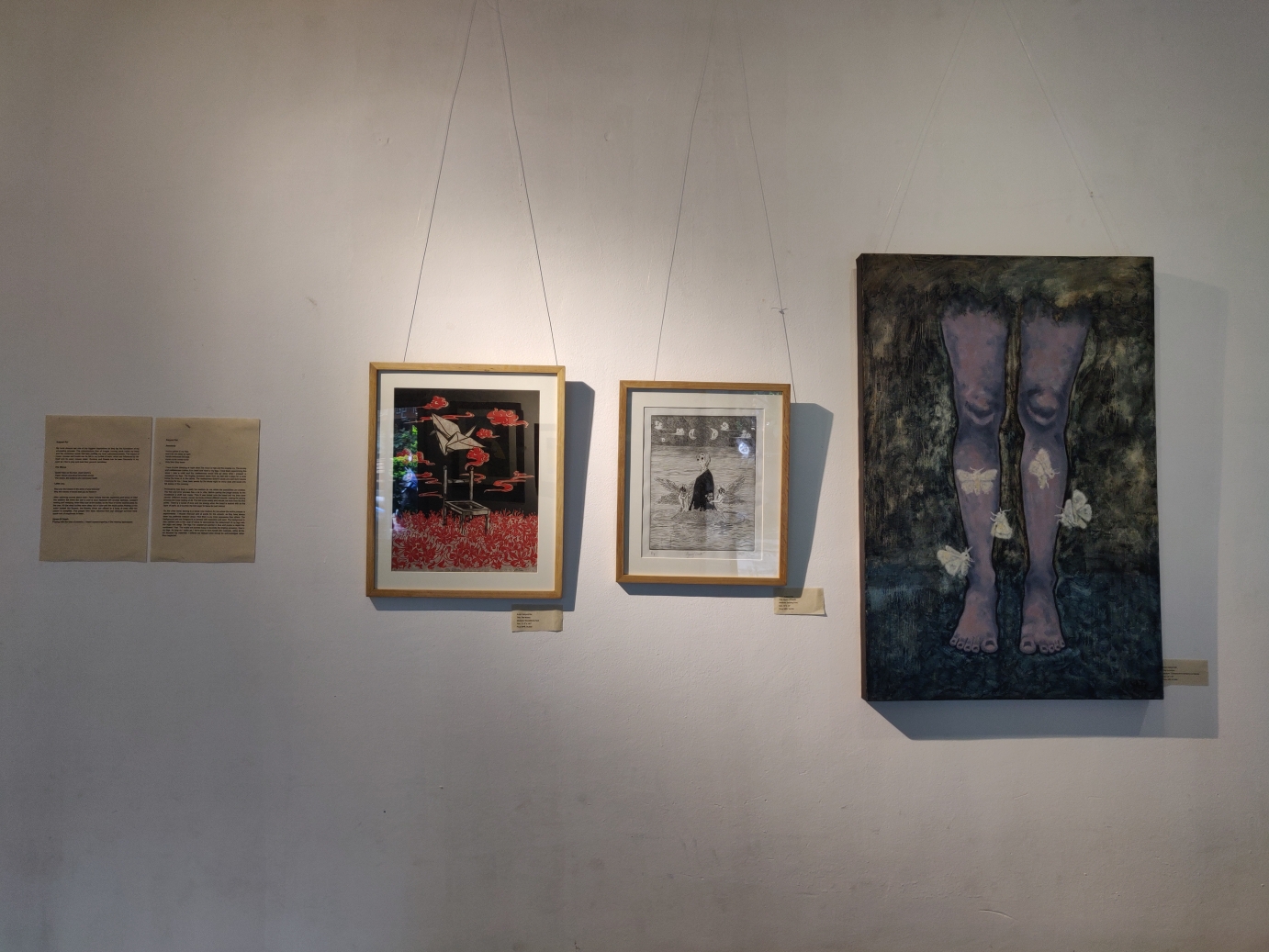
For example: Katyani Rai’s ‘The Waves’, ‘Hymn of Death’ and ‘Insomnia’, that form a sequence of varied media where dreams and dismay peek with engaging looks from across the frames. Finding inspiration in her insomnia, Rai experiments with printmaking, charcoal and pain to tell cohesive stories of war-torn realities in deep red, beaked angels of death in black and white, and anxious feet soothed by silvery moths.
Elsewhere Aashma Dangol’s triptych ‘Coming of Age’ depicts the creation of self and body autonomy through the classic American bacon and eggs breakfast, each frame zooming into the image of vulnerability that comes with breaking open one’s shell and turning to face the world.
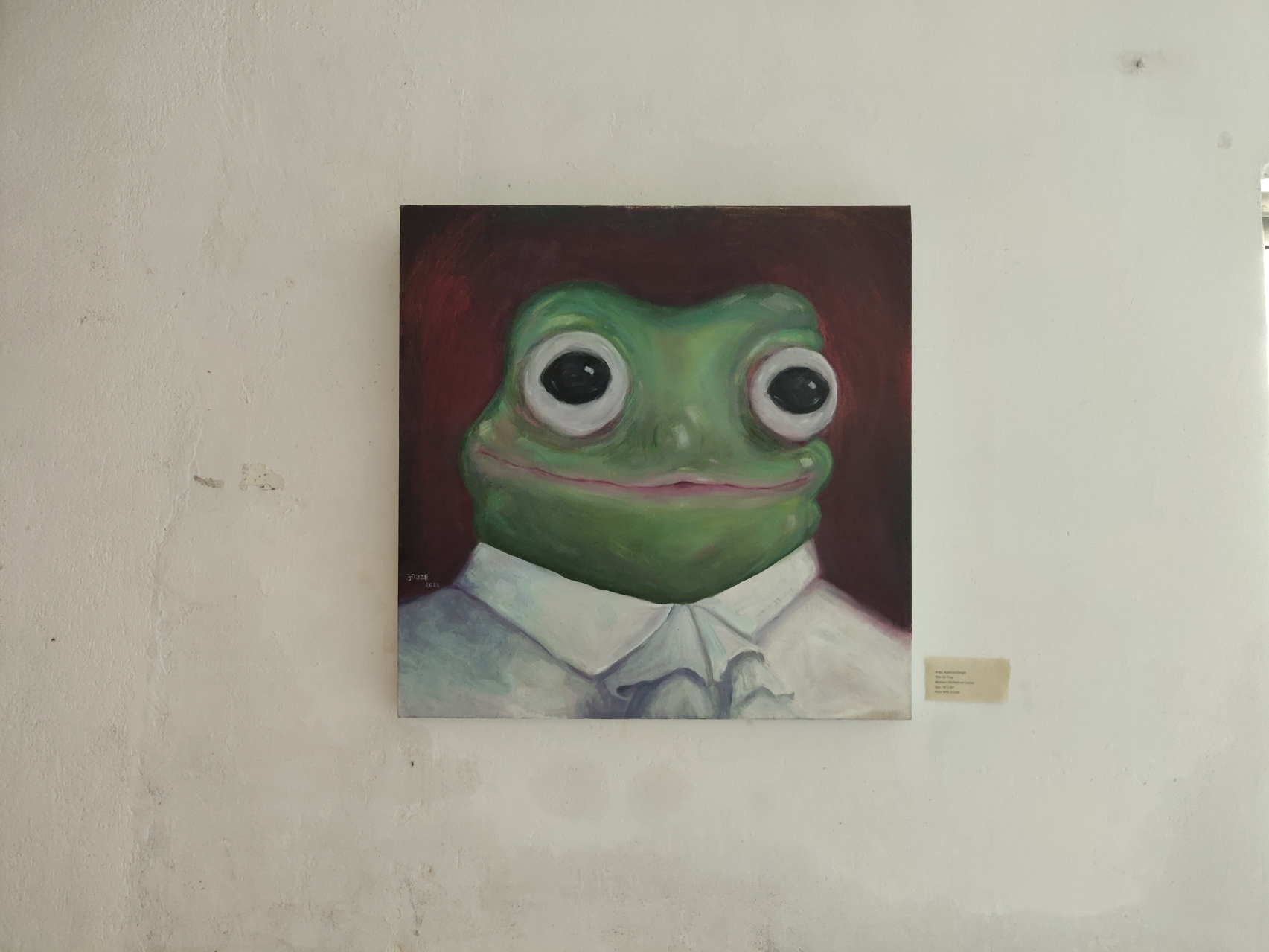
Next to it sits the ‘Sir Frog’, its wide eyes and smile – slightly flirtatious and immensely comforting – drawn in the style of portraits of important people. Perhaps this painting is the most obvious connection to monsoon, reminding one of the integral roles the amphibian plays in an agrarian ecosystem such as Nepal’s.