
.jpg)
Nepal recently amended its Public Procurement Act, replacing the long-criticised lowest-bid rule with an average-bid evaluation system. The reform was overdue, and its intent is sound: to stop the race to the bottom that allowed contractors to underprice projects, cut corners, and recover costs through delays, variations, and quietly compromised construction.
Last year in Syangja, I came across a problem that suggests the issue is larger than any single procurement rule can fix. The road had been widened outward toward the cliff edge instead of being cut into the slope above. The pavement had already cracked in places. Heavy gabion walls held up the outer edge, but the entire stretch looked less like a finished road and more like a structure fighting gravity.
Residents told me the safer option had been obvious from the beginning: a modest cut into the hillside would have been simpler, cheaper and more stable. They had raised concerns when construction began, but the widening proceeded. The contractor had made a financially convenient choice, an engineer had supplied a justification after the fact. Nobody was held accountable.
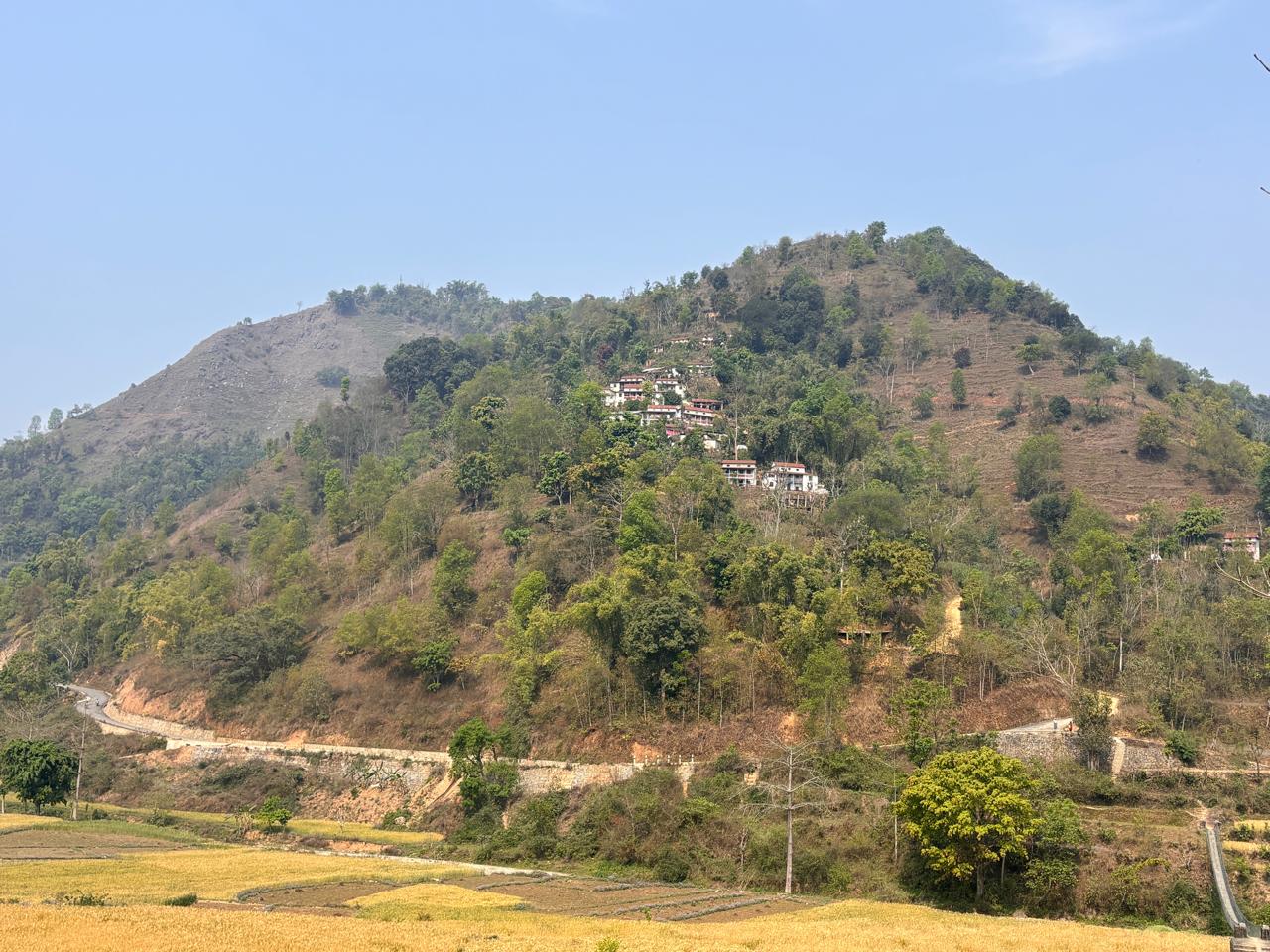
The amendment to the procurement law might have changed how that contract was awarded. It would not, on its own, have changed what got built.
Nepal's mountain roads are among the most visible signs of government presence and one of the largest recipients of public capital spending. They connect villages, reduce travel time, and symbolise recognition from the state. But too often, roads are planned and built for visibility before elections rather than for durability after the monsoon.
Nepal has made undeniable progress in expanding road access over the past three decades. Communities that were once days away from markets, schools and health services are now just minutes or hours away. But are we building roads that remain safe, functional and resilient over their full life cycle?
RIBBON CUTTING
Roads are powerful electoral currency. A new alignment can be announced, photographed and inaugurated within a political term. Maintenance, drainage, slope stabilisation, and long-term resilience are less visible and carry no votes. The incentive is therefore to build quickly, extend reach and show immediate results. The cost arrives later, when the monsoon exposes what was ignored during design and construction.
Engineering standards exist for a reason. Decisions about slope cutting, retaining structures, drainage and alignment should be guided by terrain, hydrology and long-term stability. In practice, those decisions are shaped by competing pressures from contractors, elected representatives, administrative timelines and fragmented oversight. Municipal engineers frequently understand the risks, but they often lack the institutional authority or support to insist on better choices.
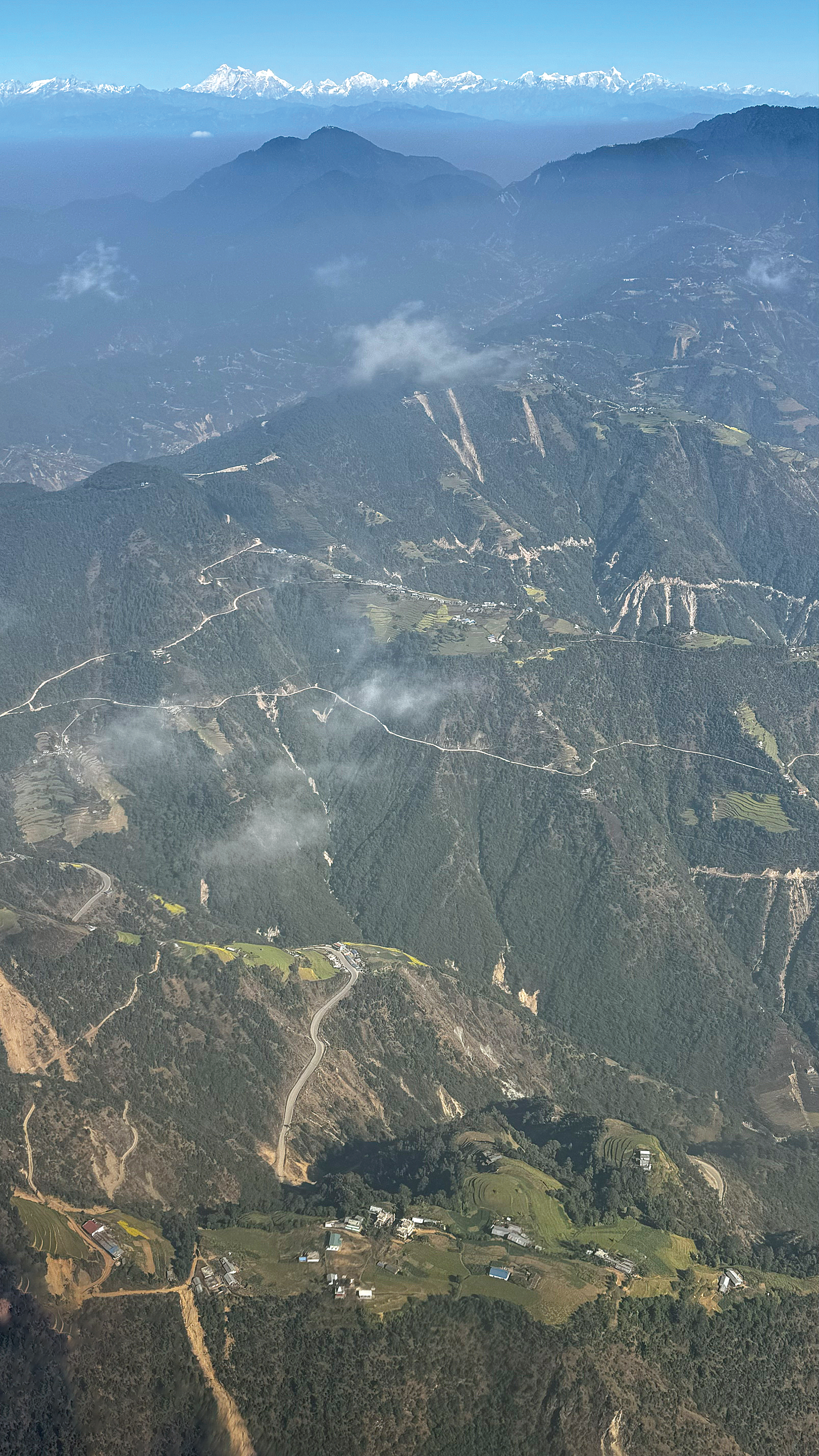
What is later described as a technical failure is almost always a governance failure first. Cracks appear on the road surface, but the problem begins much earlier in procurement decisions, design compromises, weak supervision and unclear accountability.
The procurement amendment must be matched by stronger project preparation, independent supervision and clearer accountability through the full life cycle of every project from site assessment to post-monsoon review. Changing the bidding formula without fixing these foundations risks producing the same roads under a different rule.
Municipal finance officers know the cycle well. Roads deteriorate during the monsoon. Emergency repairs consume budgets that could have funded proper planning or more resilient construction. Municipalities end up building, repairing and rebuilding the same infrastructure while the underlying incentives remain unchanged.
Federal restructuring has made accountability more complicated. Many local roads are financed by provincial or federal sources, implemented by municipalities, supervised by multiple agencies and constructed by contractors operating across political networks.
When a road fails, responsibility becomes diffuse. The municipality points to the contractor. The contractor points to the design. The funding agency points to implementation. Communities which bear the direct cost are left with damaged infrastructure and little recourse.
NOT NATURAL
The environmental consequences are not accidents. Landslides triggered by poor slope cutting, subsidence caused by unstable fills, blocked drainage and undersized culverts are routinely treated as ‘natural' disasters. They are not, they are governance outcomes.
As rainfall becomes more intense and unpredictable, every shortcut is more expensive. A road that might have survived under older rainfall patterns may now fail under heavier monsoon events. What appears in the news as a sudden disaster is often the delayed result of choices made years earlier in a budget meeting, a design office or an election campaign. Climate does not create weak roads. It reveals weak decisions.
Nepal does not lack capable engineers or technical knowhow. What it lacks is a governance environment where technical judgment, fiscal planning and climate risk outweigh short-term political incentives.
Procurement reform is necessary but insufficient. It must be matched by stronger project preparation, independent supervision, clearer accountability across all tiers of government and meaningful community participation before construction begins.
Above all, climate risk must be treated as a fundamental design requirement, not a box to be checked after the alignment has already been decided. In fragile mountain terrain, resilience is not an optional upgrade. It is the condition for whether public infrastructure remains useful at all.
As another subnational election cycle approaches, roads will once again dominate speeches, banners and budget promises. The real test of political leadership is no longer how many kilometres are inaugurated before polling day. It is whether those roads remain standing after the ribbon-cutting, after the votes are counted and before the next monsoon arrives.
Roads rarely fail simply because it rains. They fail because decisions made years earlier ignored the realities of the landscape they were meant to serve.
Ranjan Bhatta is a researcher in climate governance and resilient infrastructure. The views expressed are the author’s own and do not represent that of their employer or its funders.