
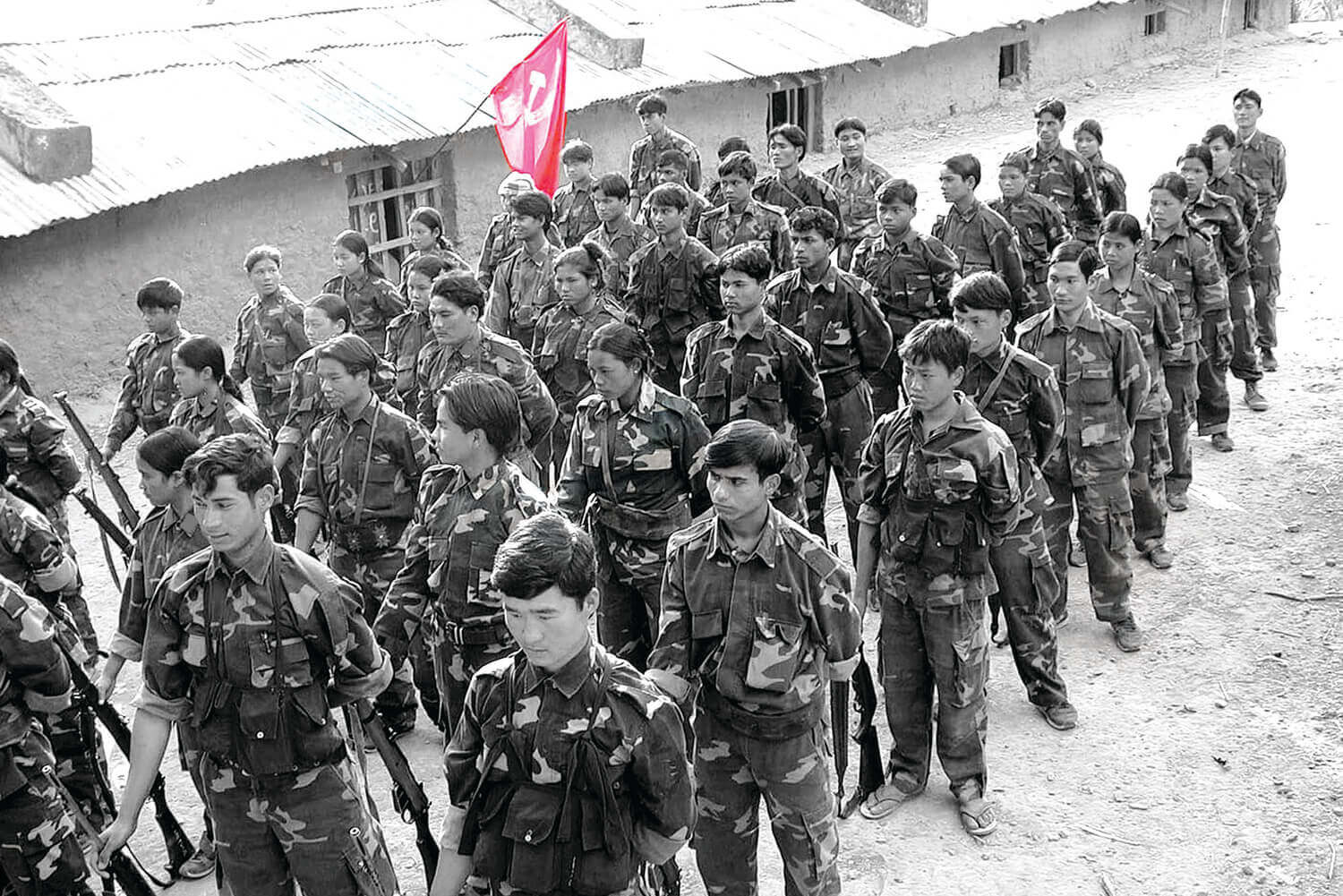
Sixteen years after the war everyone in Nepal still needs Transitional Justice.
In November October 2006, the Comprehensive Peace Agreement (CPA) promised us truth and justice about what had gone on in the previous decade. But nothing has happened.
Perhaps most shocking, the promise that the whereabouts of the disappeared would be revealed within 60 days has been completely ignored, and their families have been badly betrayed.
The only real outcome of the CPA has been the creation of myths and false promises around transitional justice for survivors.
Certainly, the victims, survivors, families, and friends all are central to the process and they must be the first to be consulted. Their priorities and demands fit neatly into what is now an established international tradition of transitional justice after conflict. Four main elements are key: truth, justice, reparations and non-recurrence.
Read also: Nepal runs out of excuses to address war crimes,Tufan Neupane
But we must be clear that while reparations and memorialisation are primarily for victims, truth, justice and non-repetition affect every Nepali— all the people who lived through the conflict had their lives changed, mostly in a negative way, even if only at the basic economic level. Some lost land, others were badly treated, many lived in fear, were displaced, lost jobs, income and opportunities. Everyone has the right to know the truth, to know what happened, and why.
As a society, we also need to know what it is to be like to wait for your loved one for years not knowing their fate. What is to suffer in silence following a gang rape? How does it feel to live without a limb and with the trauma of witnessing the beheading of your near and dear people? What is it like to not have closure?
As a nation, we all need to know what led to the war that cost so many lives to prevent a similar situation in future.
All of those old enough to remember the period before conflict will recall how badly the state served them. How awful the police and army were, how hopeless, expensive and slow the justice system was, how the political patronage destroyed the public institution. Finding the truth of the conflict, unpacking the basis of such conflicts, and the experiences of survivors will help us understand how it affects our daily life today and what needs to be done.
Not many people feel that the police force protects and serves us all as it claims. Not many understand why the army is still so big, and why it is such an important economic actor.
Read also: Toothless Commissions, Editorial
Not many people realise why law does not treat everyone equally, why they still have very limited access to justice unless they are rich or have good connections. A truth process about the conflict will shed a lot of light on these issues and our system which is often difficult to understand and analyse.