In the early 1990s, Bhutan's royal regime forced out nearly 75,000 of its Nepali-speaking Lhotshampa people, and with the help of the Indian authorities dumped them in Nepal’s Jhapa district.
The refugees were housed in seven camps in Jhapa and Morang districts and spent the next two decades there until they were repatriated to third countries after Bhutan refused to take them back.
Bhutan evicted one-sixth of its population, and this is regarded as the largest expulsion in recent history of a people by any country in terms of the size of the original population.
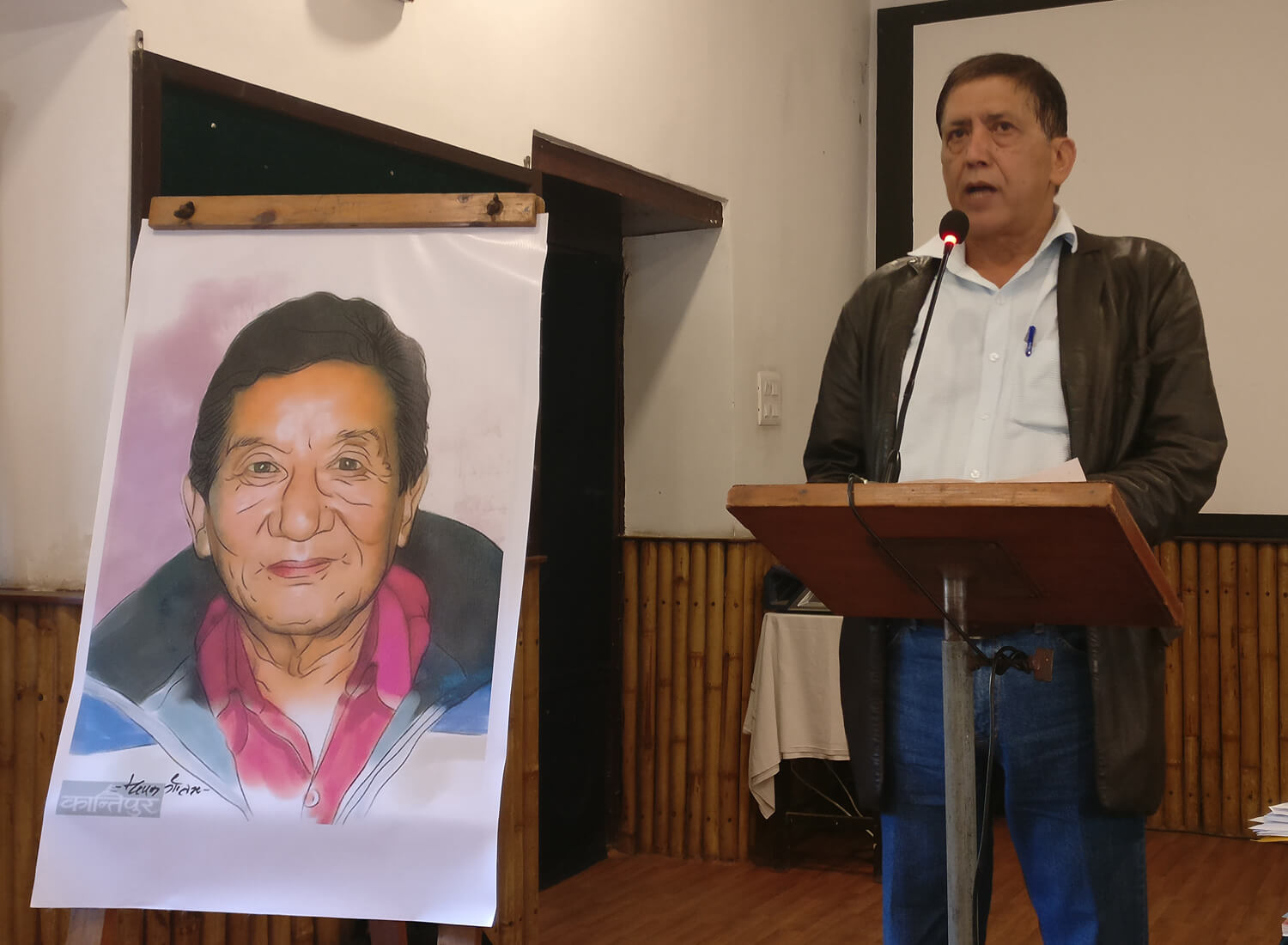
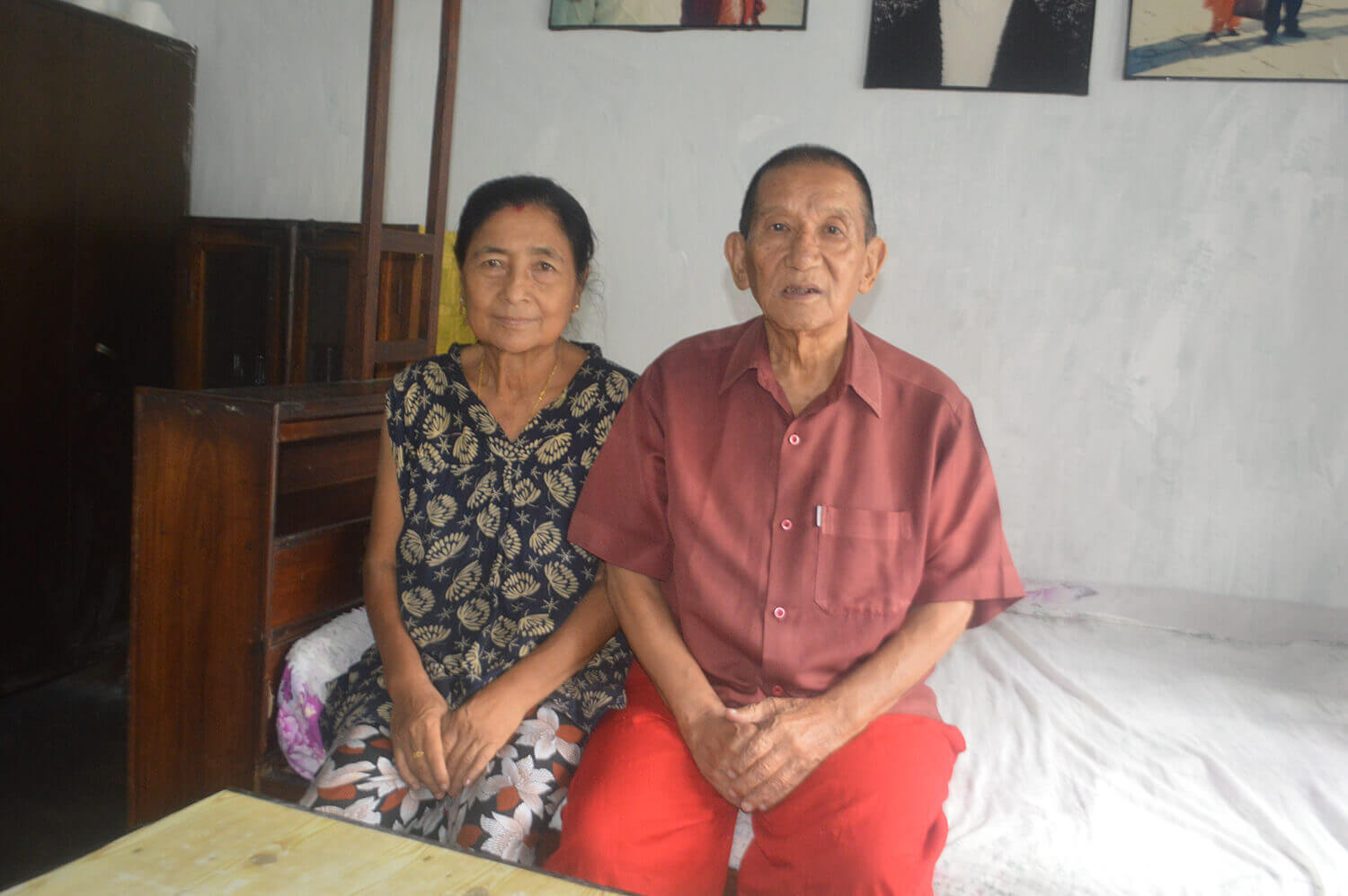
Bhampa Rai's family formed part of that massive refugee population. However, unlike other refugees, he was not hounded out of Bhutan. He joined the exodus because he could not bear the pain inflicted upon his people by the Bhutanese government.
Rai was the royal family physician in Thimphu, and the Bhutan government asked him not to leave. But he refused to stay back, saying he was needed more by the refugees in the camps than by the royal family.
After spending a few months in West Bengal, Bhutanese refugees were chased away by India as well. They first lived in makeshift camps along the Mechi River where they battled with hunger, wildlife attacks and disease outbreaks. Rai did all he could to save ailing refugees, providing free treatment and medicines for them.
Later, when they were shifted to the seven camps supported by the UN High Commission for Refugees (UNHCR), Rai set up a clinic in Damak and continued to provide free health care not just for Bhutanese refugees but also for poor Nepalis. He turned down all lucrative job offers, dedicating his life to the people his country had made stateless.
Most of the refugees for whom Rai sacrificed his life have now been resettled down in the United States, Europe and Australia. Some 6,000 older refugees remain, hoping some day to be allowed back to their homeland. The UNHCR is closing down its last remaining camp.