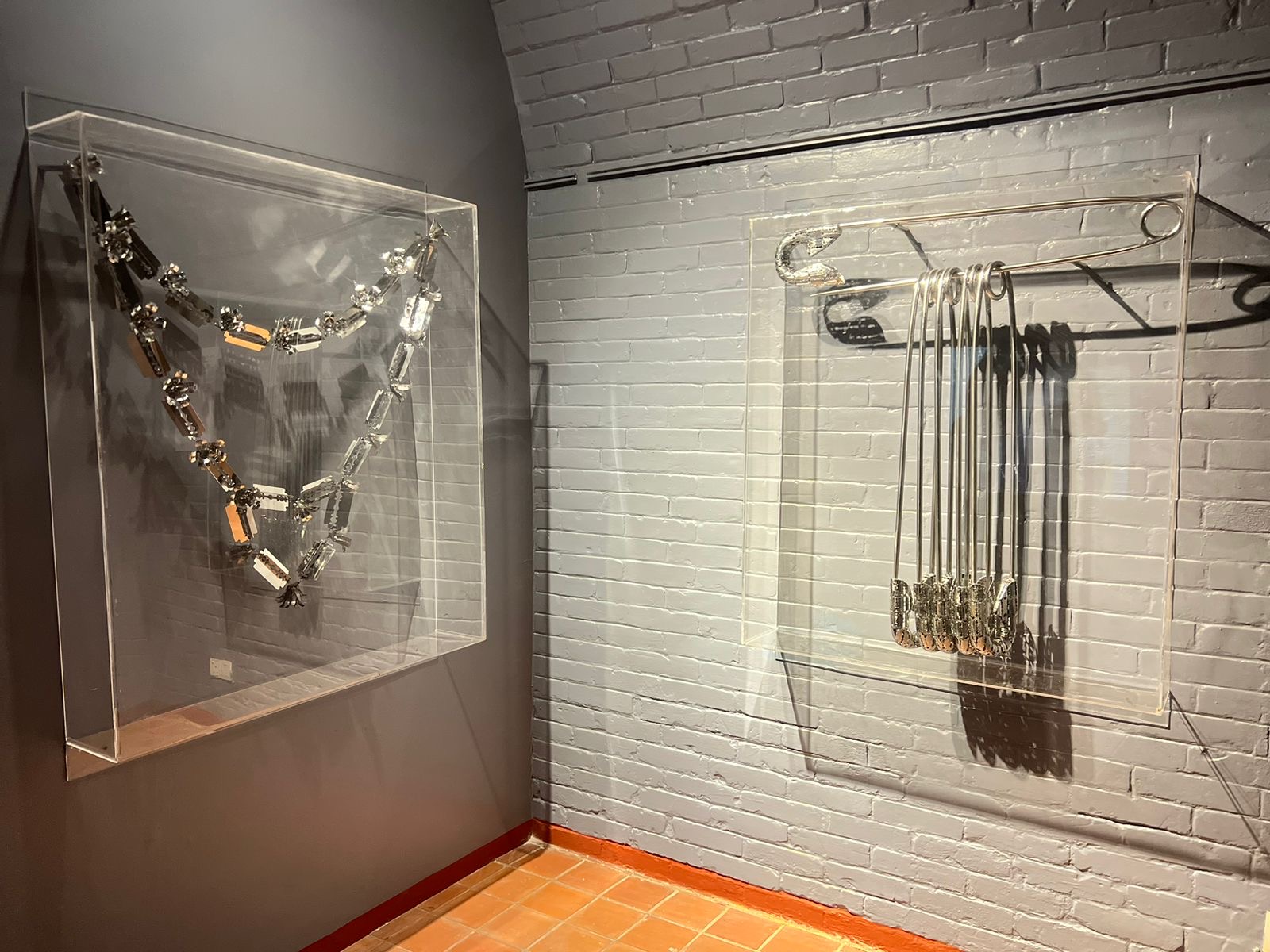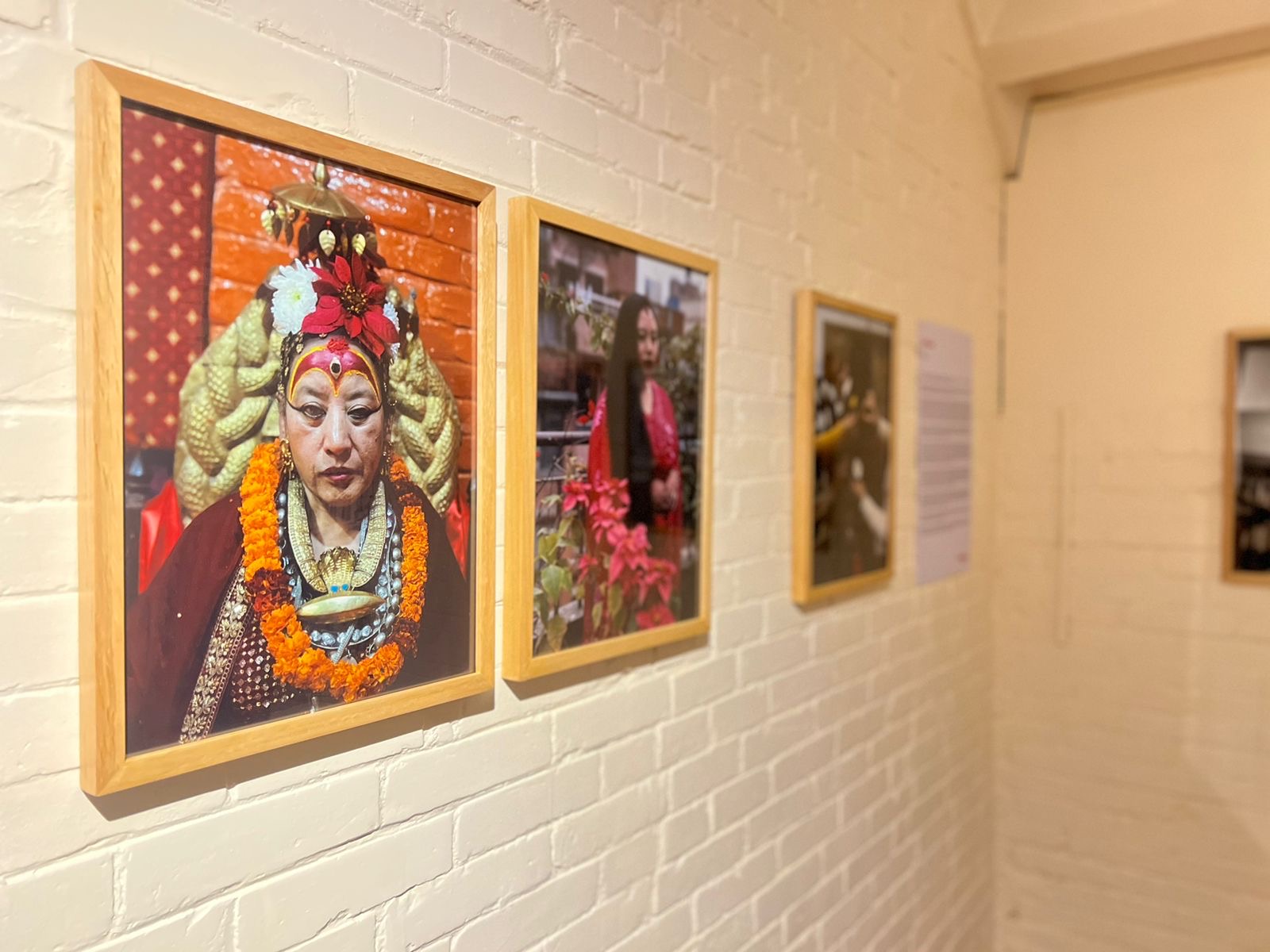
Gender, diversity, equity and inclusion have deliberately been turned into slurs, as the world’s most powerful nation silences activists at home and abroad. It is therefore audacious and reassuring that an art exhibition titled Feminist Futures is being held in Kathmandu.
Nepal is one of the few remaining safe spaces in South Asia for open-minded discussion on balancing the scales of social justice, and Taragaon Next has curated an exhibition with artists from Nepal, India, Bangladesh, Sri Lanka and Pakistan.
South Asia is not safe for women, New Delhi has one of the highest numbers of sexual violence cases against women in the world. Horrific crimes against women frequently make it to the headlines in Nepal.
Feminist Futures: Art, Activism, and South Asian Womanhood attempts to highlight this through the transformative power of art to express experiences and aspirations tied to womanhood and feminism.
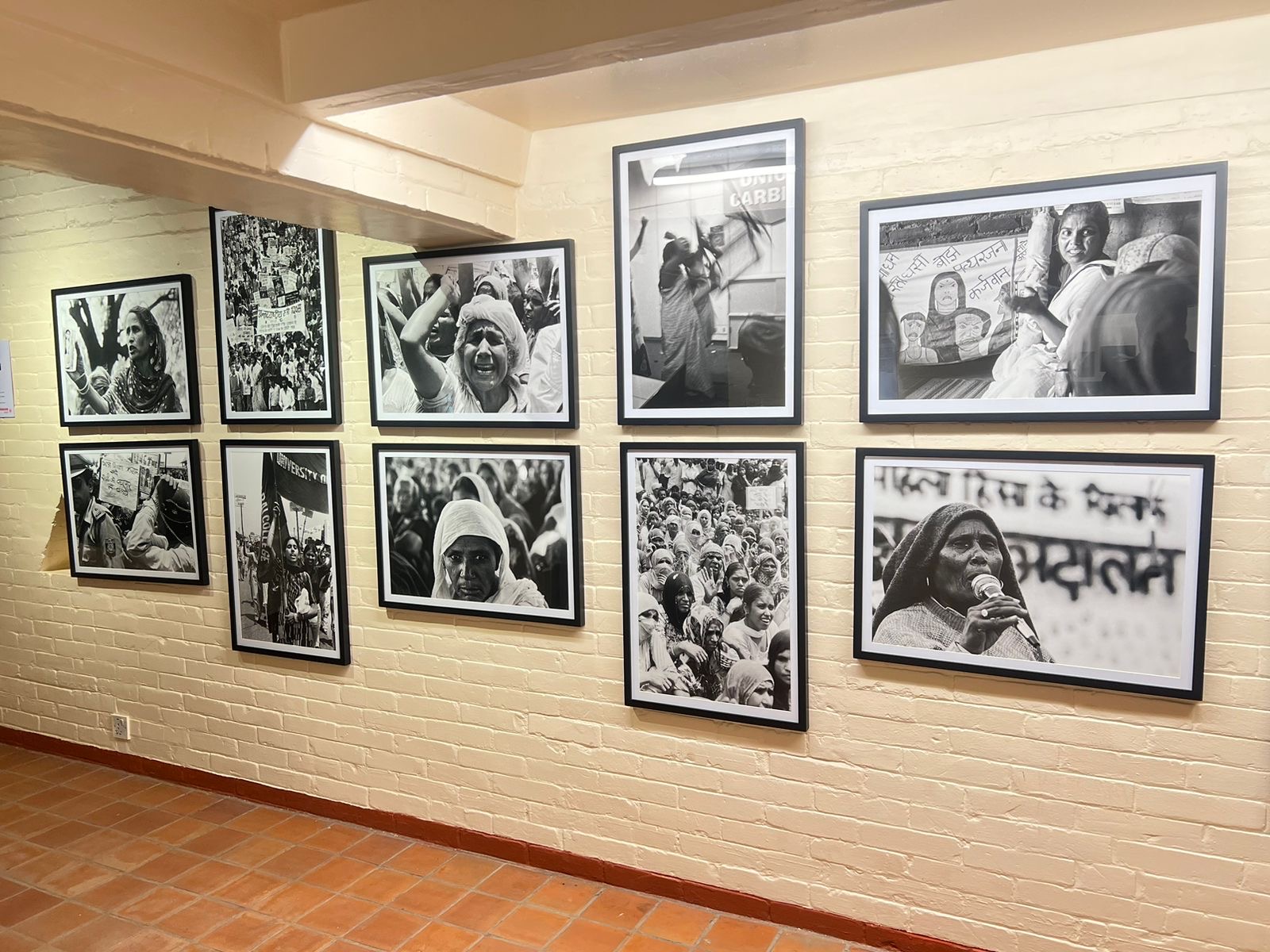
“We wanted to bring this region together for a common cause,” explains Namita Saraf of Taragaon Next. “We wanted to give visitors something to reflect on and be inspired by. Art expresses emotions, and its intensity is what can bring change.”
The exhibition is spread over Taragaon Next’s tubular brick structures and includes paintings, photographs, installations and videos from artists Anita Dube, Anoli Perera, Ashmina Ranjit, Bidhata KC, Mithu Sen, Naiza Khan, Pushpamala N, Sheba Chhachhi, Tayeba Begum Lipi, and Uma Bista. It is curated by Arshiya Lokhandwala.
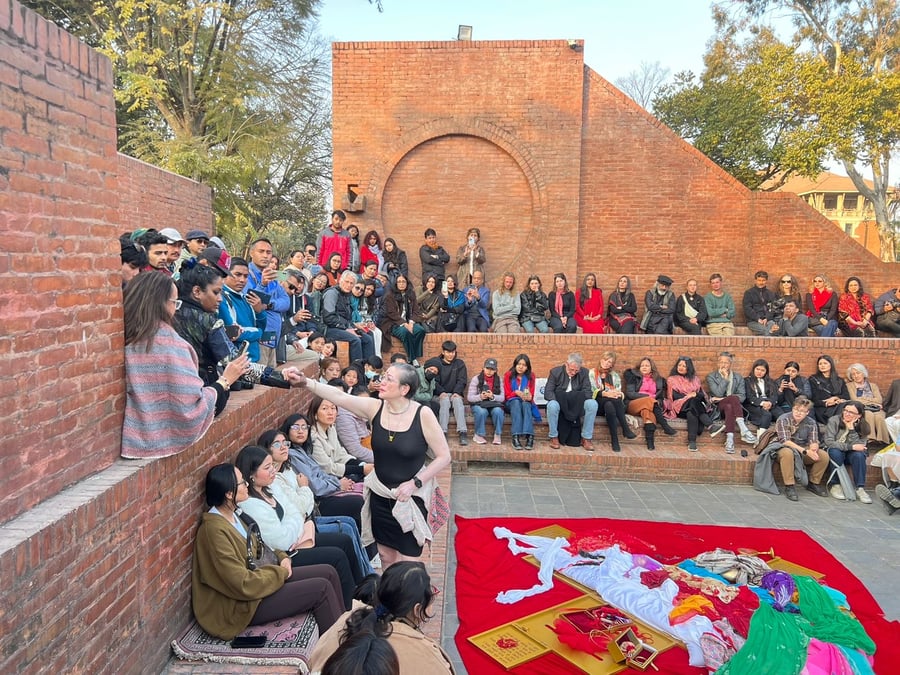
Nepali artist Ashmina Ranjit at the launch event on 25 January performed Sita! An Ideal Wife depicting the difficulties and injustices women face when they get married (pictured, above).
“Patriarchy treats women as objects and does not give women the rights of ‘ansa’ and ‘bansa’,” Ranjit tells Nepali Times, using the rhyming Nepali words for ‘inheritance’ and ‘ancestry’. Nepali activists have been struggling for equal inheritance rights and citizenship for the children of single mothers for decades, with little progress.
While a seemingly subtle force, art has the potential to spread awareness and catalyse reform. However, the true power and impact of art lies in its ability to connect with the community. When art resonates deeply with people, inviting them to interpret, reflect, and react, it is transformed from being just personal expression into collective action.