Nepal may be one of the most liberal countries in the region in safeguarding rights of transgender people, but it is yet to legalise same-sex marriage. New legal provisions have made it even more difficult for transgender couples to get legal status, and live in dignity.
Nepal's new Civil Code Act that came into effect in August has not criminalised same-sex marriage, but it defines marriage as an act of two opposite-sex people above 20 years of age accepting each other as husband and wife.
This provision, according to senior advocate Satish Krishna Kharel, has not just denied the existence of transgender people, it also means same-sex couples cannot get married legally, and they cannot live-in without fear.
Read also: Night and day, Upasana Khadka
This is one step forward, two steps back. After the Supreme Court ruled in 2007 that citizens can choose their gender identity based on 'self-feeling', Nepal's Lesbian, Gay, Bisexual and Transgender (LGBT) community has won a series of battles for equal rights. They can now register as a third gender for citizenship, passport, voter ID and even in the census.
But Nepal's reputation as a tolerant, forward-thinking country in terms of the LGBT rights is now in danger not just because the Civil Code accepts only opposite-sex marriage, but also because this new Act contains several discriminatory provisions like only son or daughter (and not a third gender) are entitled to inheritance.
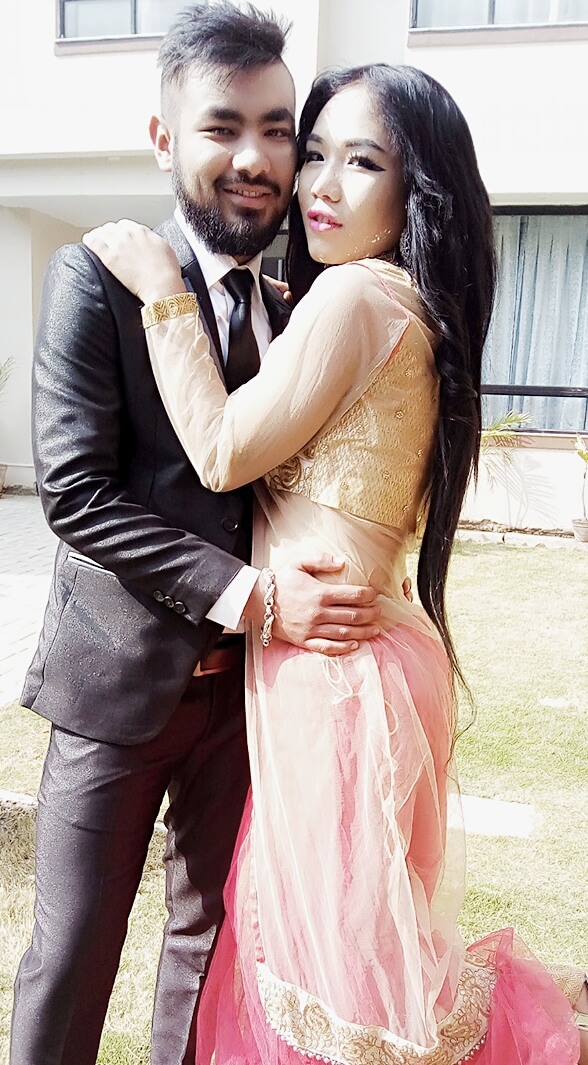
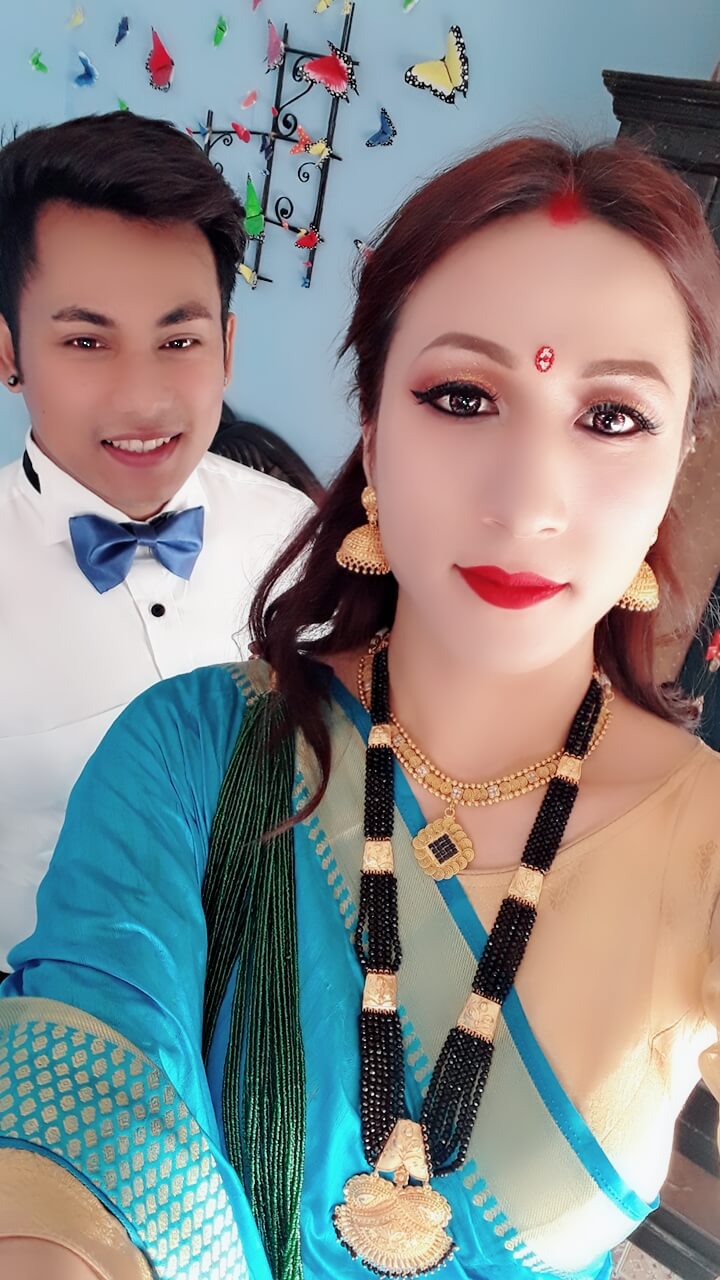
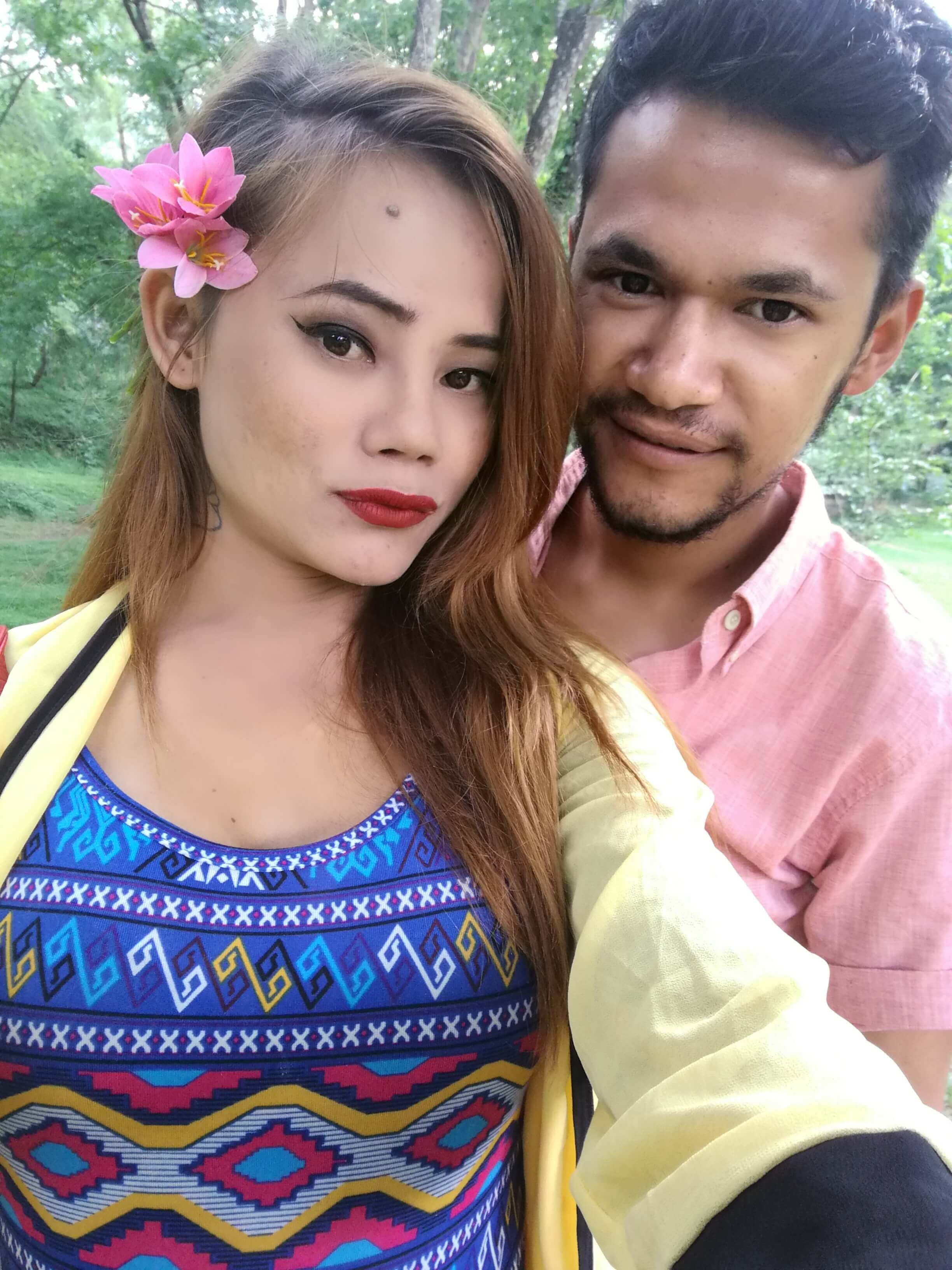
Nepali Times caught up with three transgender couples to find out how the newly-enacted civil code has shattered their dreams, and is affecting their everyday lives.
Anjel Lama and Saurabh Shrestha
Anjel Lama, 19, was born as a boy, but she always felt and behaved like a girl. Her name was Sabin Lama in the birth certificate. She has been living together with Saurabh Shrestha, 20, in Kathmandu for the last two years. Saurabh and Anjel want to move to Australia as husband and wife, but they cannot get a marriage certificate because the new law only allows opposite-sex marriage.