
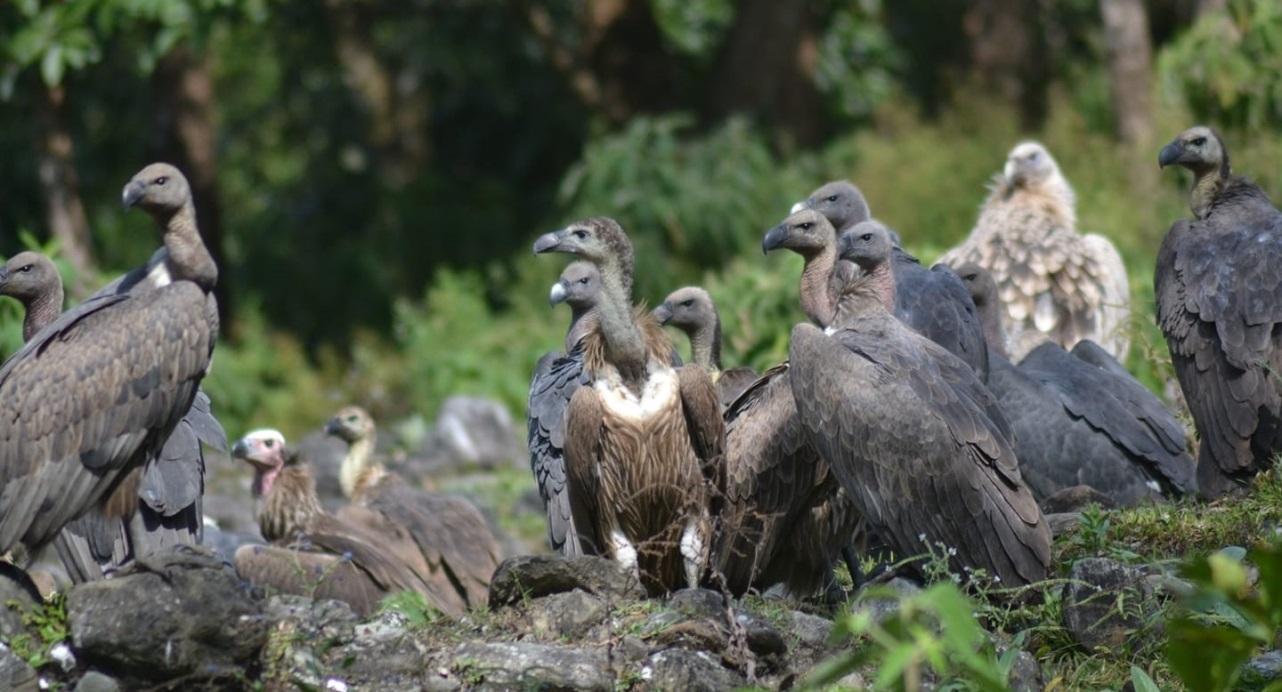
A day after the inauguration of Pokhara International Airport, writer Ganesh Poudel remarked on Facebook that the vultures displaced by the new airport had relocated to his farm house.
“Possibly they are making a night stop after being displaced," he wrote. “Like us, they too will also be evicted from this valley.”
Poudel’s family had lived for generations in the area where the new airport was built. Many farms and homes were taken over by the government 40 years ago when the idea of the new airport was first mooted.
“Thousands of people were forced to move out, destroying our social and cultural relations. Now, the airport has even disrupted the lives of the many birds and the entire ecosystems,” he added. “They have turned birds and humans into refugees."
While people whose land was occupied for the construction of the airport have received compensation and relocated, many birds including the raptors that used to inhabit the area have been driven out because of the danger they cause to planes flying in and out.
The approach flight path to the overflies the habitat of vultures and eagles, which like Pokhara Valley's topographic extremes that allow the buildup of thermals. Even before the completion of the airport, conservationists had raised concerns about the safety of endangered birds and the risk of potential bird strikes at the new airport.
Vultures and eagles also congregated at the landfill site near the airport's eastern edge, and the local government that was tasked with relocating the landfill site failed to do so.
Every winter flocks of birds migrate to Pokhara, travelling thousands of kilometres from the Tibetan Plateau and even as far away as Mongolia, for its warmer climate, lakes, wetlands, overall greenery and open spaces.
Indigenous birds also like Pokhara's habitat because of its many lakes and wetlands. Even when the noise from the more than 100 flights a day to Pokhara's two airports has not deterred them.
“Many birds, including vultures, have spent their entire life-cycles here,” says Manshant Ghimire of Pokhara Bird Society. “Just as it is difficult for a person to leave the place where they were born and raised, and grew old, it is the same for the birds.”
Prior to building the airport, the area was a large pasture for cattle. In addition, the nearby landfill site was perfect for vultures to fly, forage and flourish.
According to journalist Krishna Mani Baral, when horses, donkey and other animals that grazed in the fields of Pokhara died, the vultures would scavenge on their carcass. For years, many birds, including the Himalayan Griffon vulture, Egyptian vultures and small gray vultures, have made the landfill site their home due to the abundance of food there.
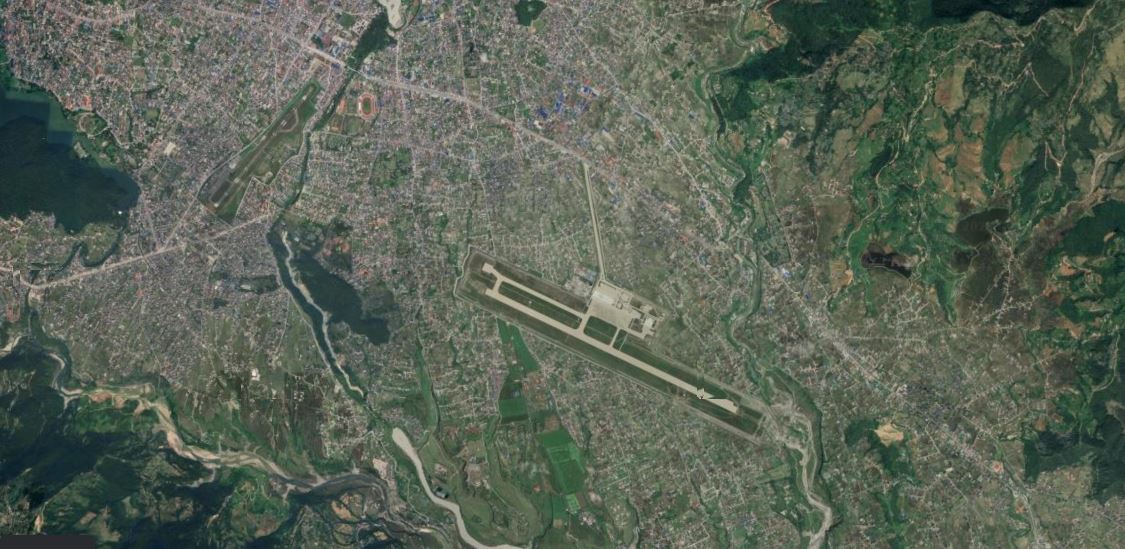
For the past five years, bird conservationists have routinely asked the authorities to move the landfill site before the inauguration of the international airport to conserve the endangered species before it is too late, as well as for aviation safety.