
Rivers have been the lifelines of civilisations with their dynamic ecosystems providing vital services for human survival and ecological balance through the ages.
But accelerating anthropocentric footprints are causing severe, and often irreversible, damage to river systems across the world, including those across High Asia, a region that sustains nearly a fourth of the global population downstream.
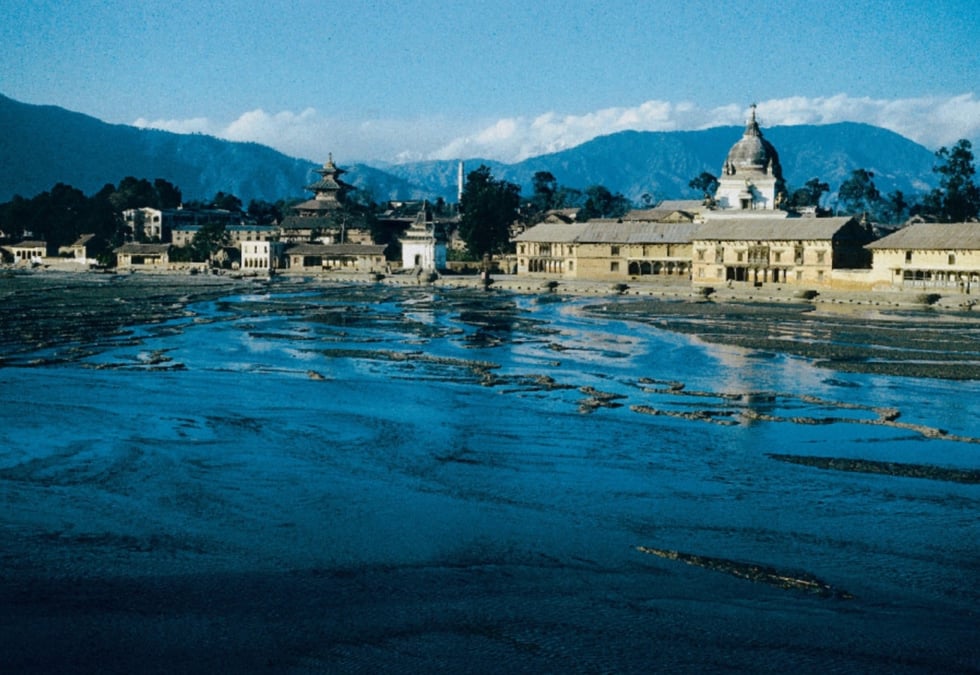
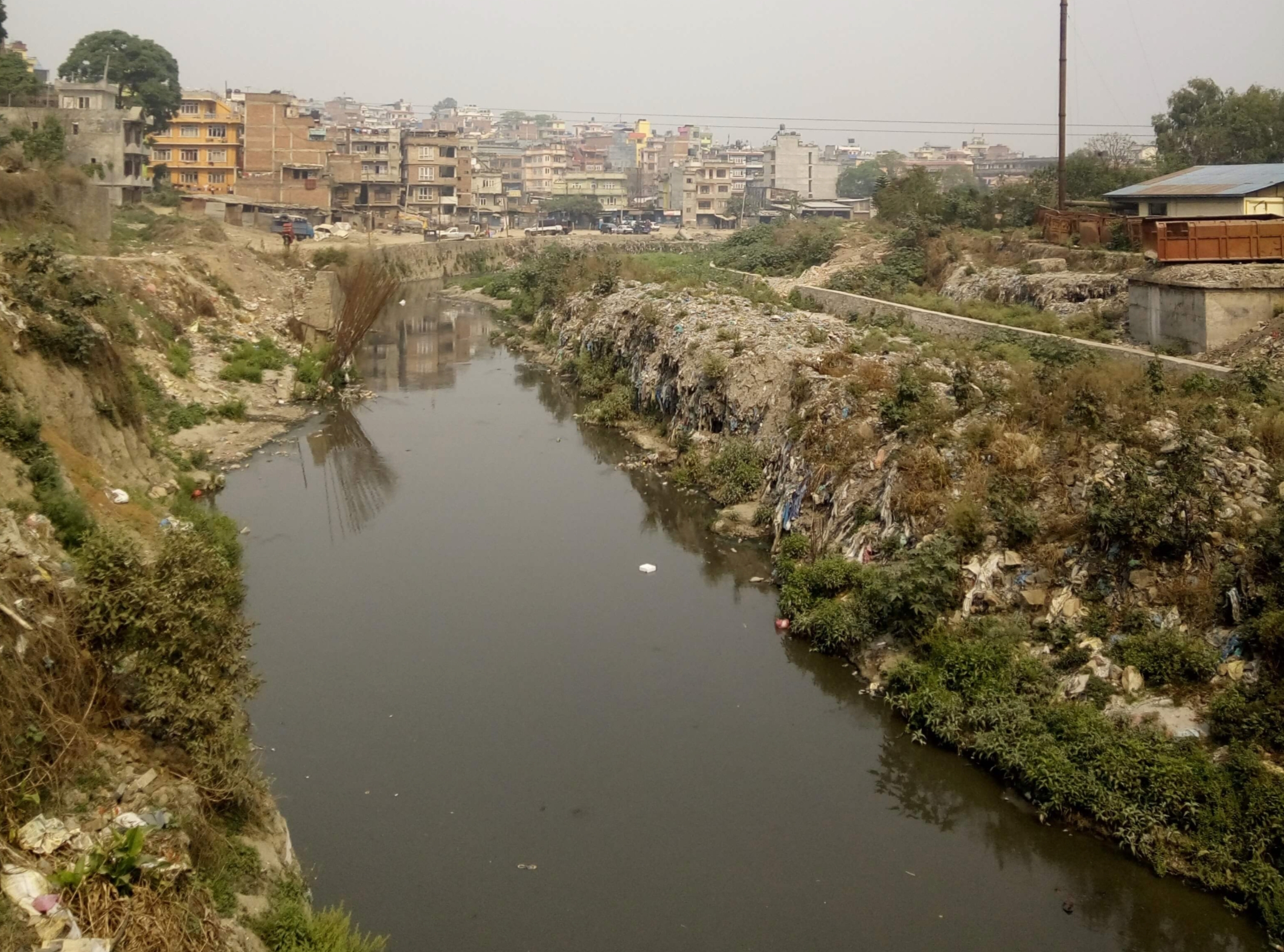
An example is the Bagmati River that courses through Kathmandu, crosses the Himalayan foothills to join the Ganga in India. A river that once shaped the Kathmandu Valley Civilisation is now a polluted and biologically dead water body constricted by urban sprawl, choked by construction debris, chemical waste and untreated sewage.
The loss of a sacred river is tragic enough, but its hazards related to health, life and livelihoods are not limited to the Valley, nor is its enormity fully gauged by the metrics of fatality, income loss, flood return periods, runoffs, embankment failure.
It is a systemic collapse of ecological integrity, socio-economic stability and cultural heritage, affecting its downstream users as well. The death of Bagmati is a peril for a population size way bigger than circa 5 million residents of Kathmandu Valley.
The degradation started in the 1980s and has accelerated. Why has not enough been done to save this iconic river that runs through Nepal’s capital?
The Bagmati River Basin Improvement Project (BRBIP) was designed to make headway in restoring the river with a sewage treatment plant, dams for storing water to support dry-season runoff, recharge groundwater, creation of green biodiversity corridors along the river bank to also serve as recreation areas, reduce the urban heat island effect, and also provide cultural continuity.
The project also envisages collection of hydrological data for managing Bagmati multipurposewater systems and providing flood forecasts and early warnings aimed at protecting lives and property, among other things.
Most importantly, the project takes the integrated water resource management approach, which, in principle, is a holistic and collaborative way of managing all elements of the water cycle to ensure water security, public and environmental health and amenity.
This should pave the way for managing a river as a connected ecological, social, and economic system by enabling coordination across agencies and disciplines, stimulating technological innovation and financial investment.
The success of this approach depends on long-term political will and commitment that transcend political cycles, but also needs strong community and civil society in defining issues and proposing solutions, creating and sharing knowledge, taking independent action to inform practice, monitoring and evaluating policies, and participating in public decision-making.
Civil society, especially, in making the revival of the Bagmati River a pressing governance issue. The Bagmati Action Plan 2009, a precursor to the BRBIP, was designed in response to lawsuits filed in 2000 and 2004 by an independent legal practitioner of Kathmandu against waste dumping in the river.
It took him almost two decades of legal battle for Nepal’s Supreme Court to pass orders for mandatory septic tanks in all homes in Kathmandu Valley, relocation of squatters from Bagmati river banks to government-built houses, and embargo on dumping and burying garbage on the banks of the river and its tributaries.
Despite court orders, however, actual results have been unsatisfactory. Restoration of Bagmati barely made it to any political debate or electoral manifesto this time. Treatment plants have not been operational for years, yet no one is held accountable. The population ignores waste segregation or single-use plastic rules to check littering.
The current condition of the river therefore seems to have more to do with the lack of public awareness and behaviour change than the failure of various master plans.
Why does the deep danger of a dead river fail to arouse widespread civil society concern, let alone action? The apathy is perhaps underlined by an innately anthropocentric understanding of the river as a mere resource to be exploited, rather than the backbone of existence.
Such a paradigm shift is possible when river or river systems are understood to be necessary for a harmonious coexistence with human populations. The more pertinent question is not whether a dead river can be restored because there are many examples from around the world where that has been successfully achieved.
It is whether we choose to restore our rivers for intergenerational equity. This would require a holistic perspective and political will to revive reverence for a river system so that its symbiotic relationship with human settlements can be restored.
Roshni Gurung is Research Assistant, River Basins at the International Centre for Integrated Mountain Development (ICIMOD).