
Petrol, diesel, electricity, hybrids. They are various forms of engines automobiles used to propel them forward. Few know that the first cars 150 years ago were actually battery-powered, but the Ford Model T overtook them.
Ever since the first vehicles were carried over Chitlang pass to their Rana owners in Kathmandu in the early 1920s, Nepalis have been fascinated by the traditional internal combustion engine that burns some form of liquid fuel.
But in the past five years, there has been a switch to battery-powered electric vehicles (BEVs). Better range and lower cost due to tax rebates made Nepal the second country after Norway last year to adopt EVs.
But there is another option for Nepal that predates the recent popularity of electric vehicles: hybrids.
Early on, electric vehicles also faced a monumental challenge in Nepal to gain acceptance. Skepticism behind the technology was by far the biggest hurdle for the industry. People were not ready to adopt it and even if they did, it was a gamble because only a few knew how to maintain and repair such vehicles. Furthermore, there was zero charging infrastructure, and it was not feasible to travel long distances.
It was the excise tax cuts that made EVs affordable, and while the taxes have crept up over the years they still remain below that of traditional internal combustion engines. Newly-elected MP Swarnim Wagle, who is being touted as the RSP’s new finance minister said last week he wanted to bring down the taxes on petrol cars too.
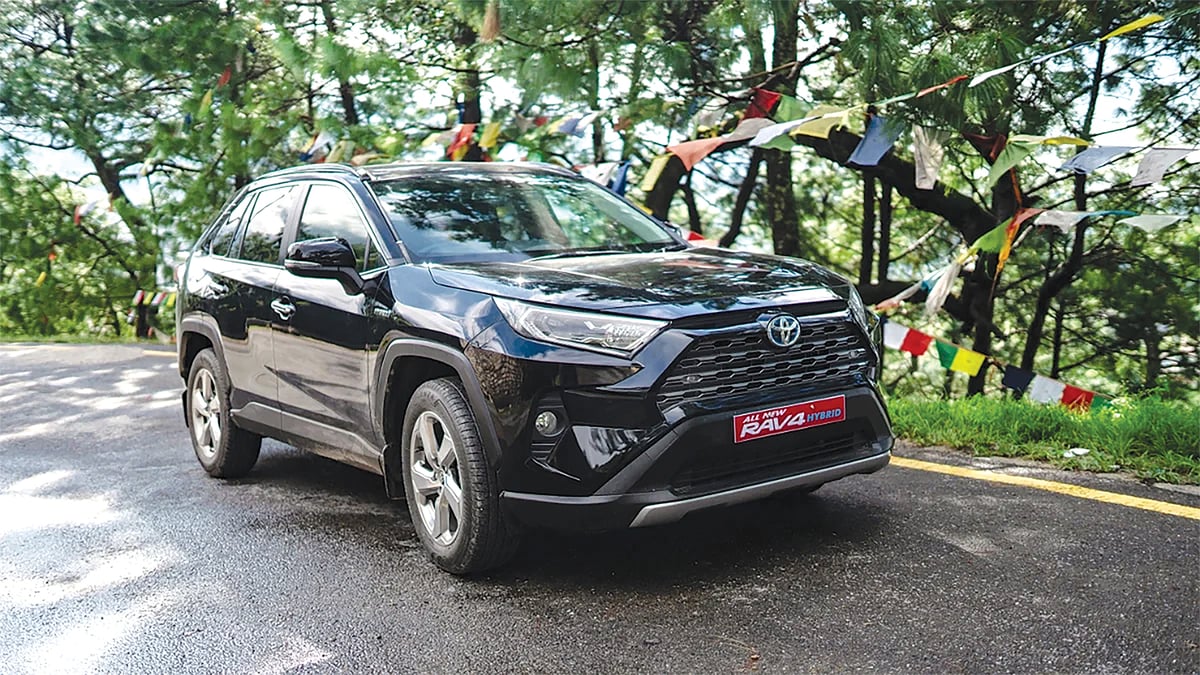
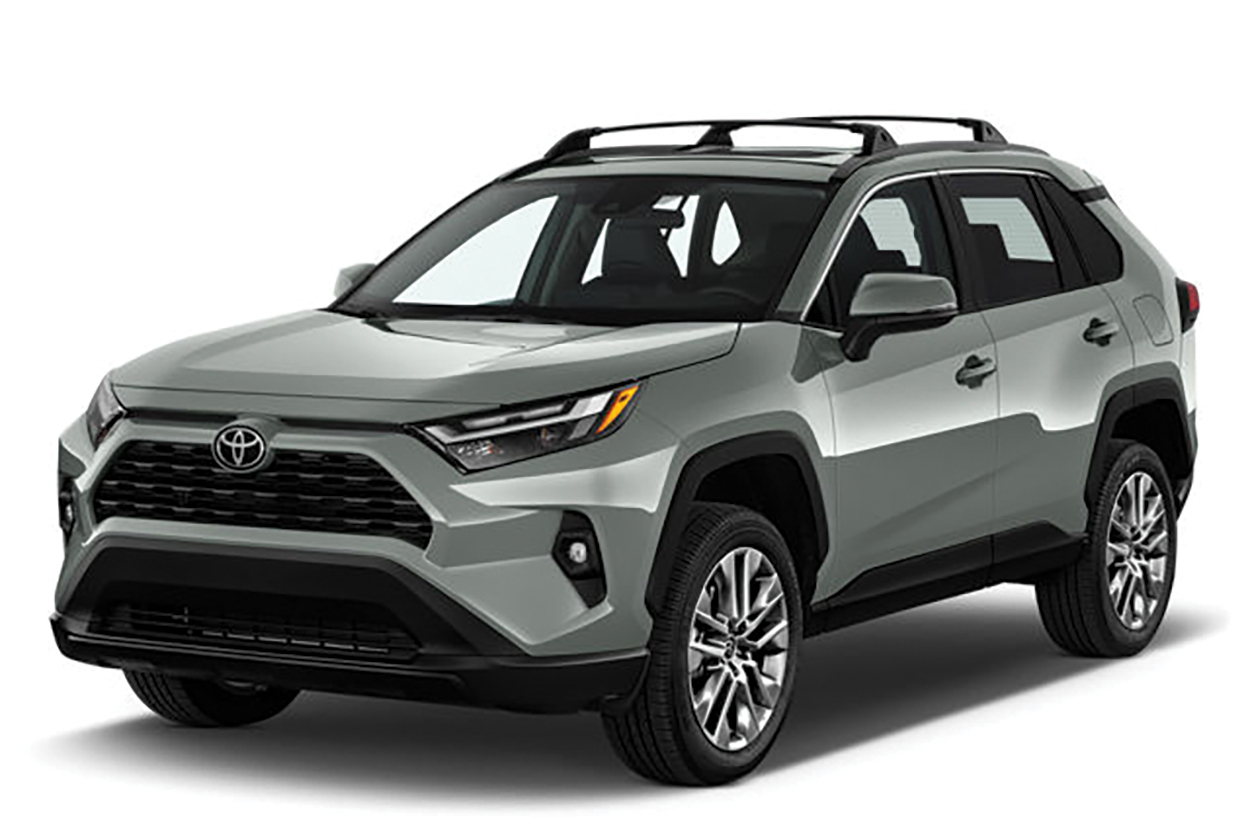
However, the taxes never came down for hybrid cars even though they position themselves as an alternative to petrol. The tax structure for hybrids is similar to traditional gasoline vehicles. As a result, most hybrids available command a steep starting price above Rs10 million. The smallest Toyota hybrid, the Yaris Cross, comes at Rs12.9 million. Toyota also sells the Corolla Cross and Rav4 hybrid.
To be sure, hybrids have been around for 20 years, and this paper actually test-drove and reviewed the Honda Insight and the Toyota Prius in 2013.
Toyota brought an early gen Prius model back in 2007, and its owner Suryansh Vaidya of Toyota Nepal says the car is still running smoothly with over 85% battery health after all these years.
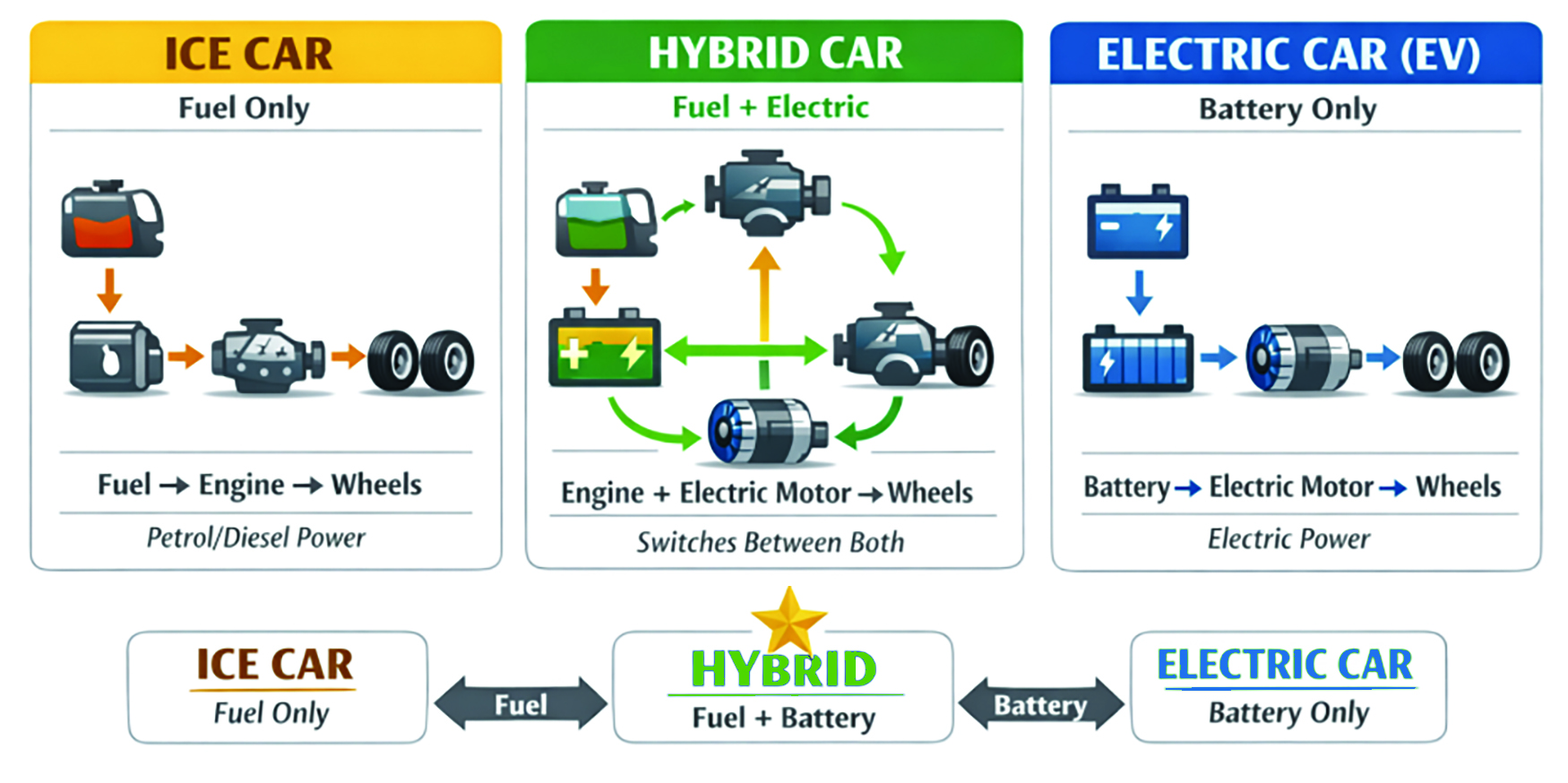
Unlike internal combustion engines that solely rely on the combustion of a fuel to move the crankshaft and propel the car forward, or BEVs that solely rely on batteries to spin electric motors that then spin the wheels, hybrids usually have both. They mostly come equipped with a smaller sized battery pack and motor that is integrated into the output of a traditional gas engine.
Over the years, hybrids have evolved and provide a number of advantages to traditional petrol and diesel cars such as better mileage and smoother ride handling as the tiny battery and electric motor. At lower speeds (and traffic) hybrids fully utilise its electric half, thereby saving fuel and providing better pickup.
Hybrids have evolved in size and shape and have come to replace the much favoured gasoline engine vehicle in many countries globally. The market remains robust in Japan where nearly 30% of vehicles are hybrids and even USA has seen 7 million hybrids till date. There has been a wave of adoption hitting some European markets such as Switzerland and the Netherlands.
ELECTRIC NEPAL
However, Nepal has taken the EV road. And although this reduces the country’s petroleum imports, EV battery packs contain a lot of rare earth and other metals that if disposed haphazardly can be toxic. Most EV distributors claim their batteries will easily last a decade (or more) and provide an industry standard of eight years warranty. Both BYD and Deepal, among the top-selling EVs in Nepal, even provide extended warranties up to 10 and 11 years.
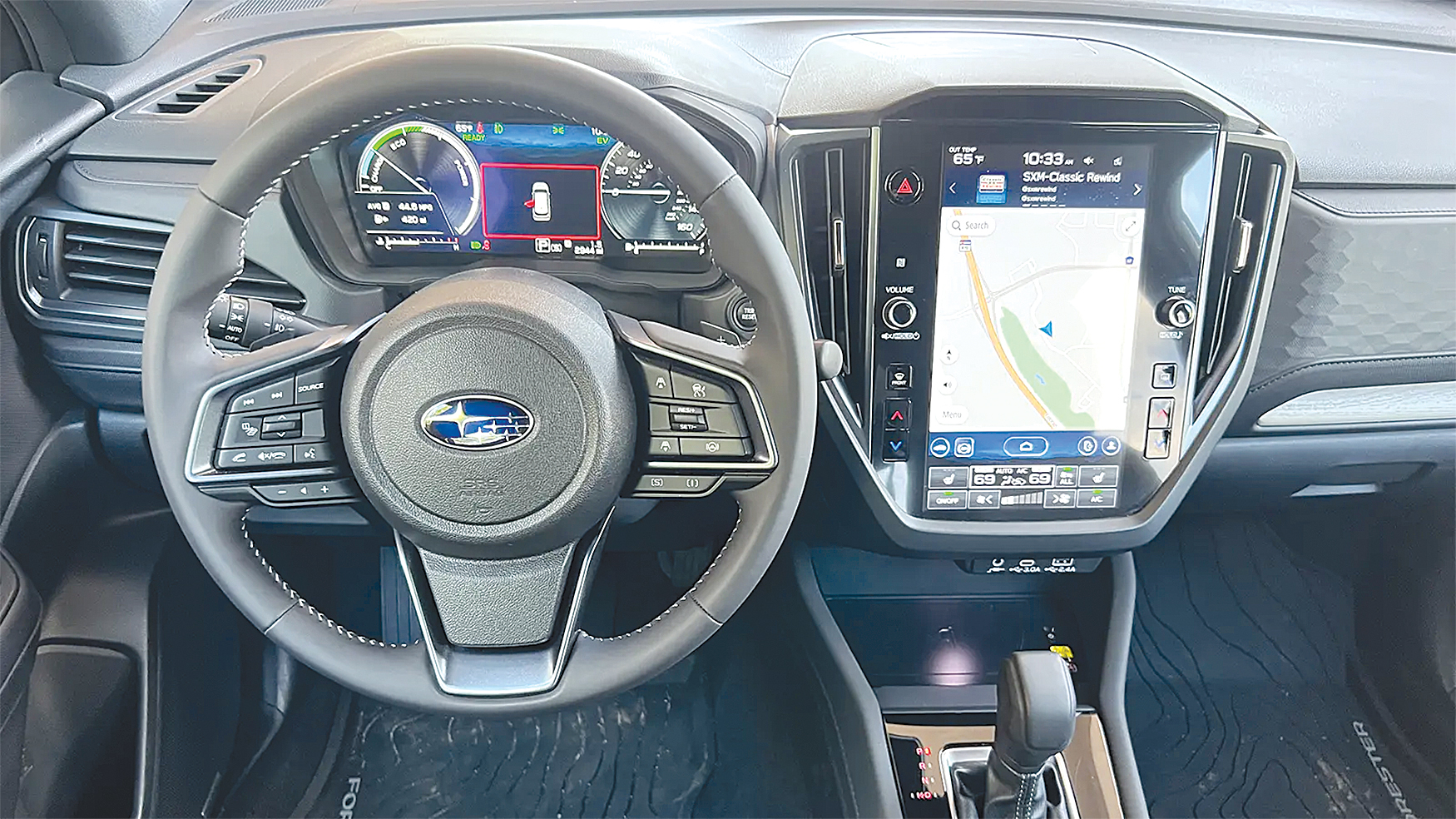
Annie Gardner Vaidya from Vijay Motors, the importer of Subaru says the smaller hybrid batteries tend to last longer: up to 15 years. And this generally seems to be the case as unlike in EVs the on-board hybrid batteries rarely fully charge or fully drain and constantly operate in a safe middle-ground, dramatically reducing wear.
Both the 2,000cc Subaru Forester and Crosstrek deliver between 14-16 km per litre with moderate driving. Whereas the 1,496cc Toyota Yaris Cross hybrid with a smaller engine claims a slightly higher mileage of 18-20kpl.
“What hybrids gives you is almost unlimited range within Nepal with a much lower fuel cost with models that have a proven record in rough terrain,” says Annie Gardner Vaidya from Vijay Motors.
In most countries, the general trend is that gasoline vehicles are the cheapest to purchase as they are easiest to mass produce and simplest in technology. Hybrids are the middle ground as they have both an engine and a battery, making their drivetrain slightly more complex. Hybrids are still cheaper than most EVs because the battery pack is much smaller.
But EVs are the most expensive of the three, as the large battery pack contains expensive rare earth minerals. However, this chronology is not followed in Nepal. EVs vehicles are the cheapest, followed by traditional petrol and diesel cars, with hybrids generally being the most expensive.
Taxes are to blame. Better, more favourable taxes and subsidies for the hybrids, just like their EV counterparts, would have been beneficial for the country in reducing petroleum imports as well as air pollution.
“Where investments on the EV charging infrastructure had to start from scratch, hybrid technology would not have needed any because all they require is fueling up at any existing gas station,” explains Suryansh Vaidya at Toyota. “In fact, hybrids did not even have a learning curve from traditional petrol or diesel cars, unlike EV’s that need to be driven differently to maximise range and efficiency.”
Despite being well acknowledged and proven worldwide, hybrids never found momentum in Nepal largely due to pricing, policy and timing. While hybrids arrived carrying the cost burden of both expensive petrol cars added to a complex electric drivetrain, government incentives quickly began to overwhelmingly favour battery-powered electric vehicles after the Covid pandemic.
Import duties on EV fell sharply, making them dramatically affordable and offering better value for money for everyday consumers. Why spend 10 million when you could get a sleek EV for half that? Rising fuel prices and aggressive improvements and the rapid spread of charging infrastructure paved the way for quicker adoption. Slowly but surely, public perception in favour of EVs was building up.
This left hybrids too expensive to compete with not just EVs, but against petrol cars. In Nepal’s context for cleaner and smarter mobility, hybrids did not fail due to weak technology, but because the market moved faster than their value proposition could keep up.
As of 2026, besides Subaru and Toyota hybrids, cars like the BMW X5 (plug-in hybrid), BYD Shark (plug-in hybrid), GWM Tank 300 (hybrid), GWM Tank 500 (hybrid), Mitsubishi Outlander (plug-in hybrid), Nissan X-trail E-Power (series hybrid) and Suzuki’s Grand Vitara (hybrid) and Victoris (hybrid) are also available.
But unless the new government changes the tax structure, all these names remain largely absent in Nepal.
Hybrid types
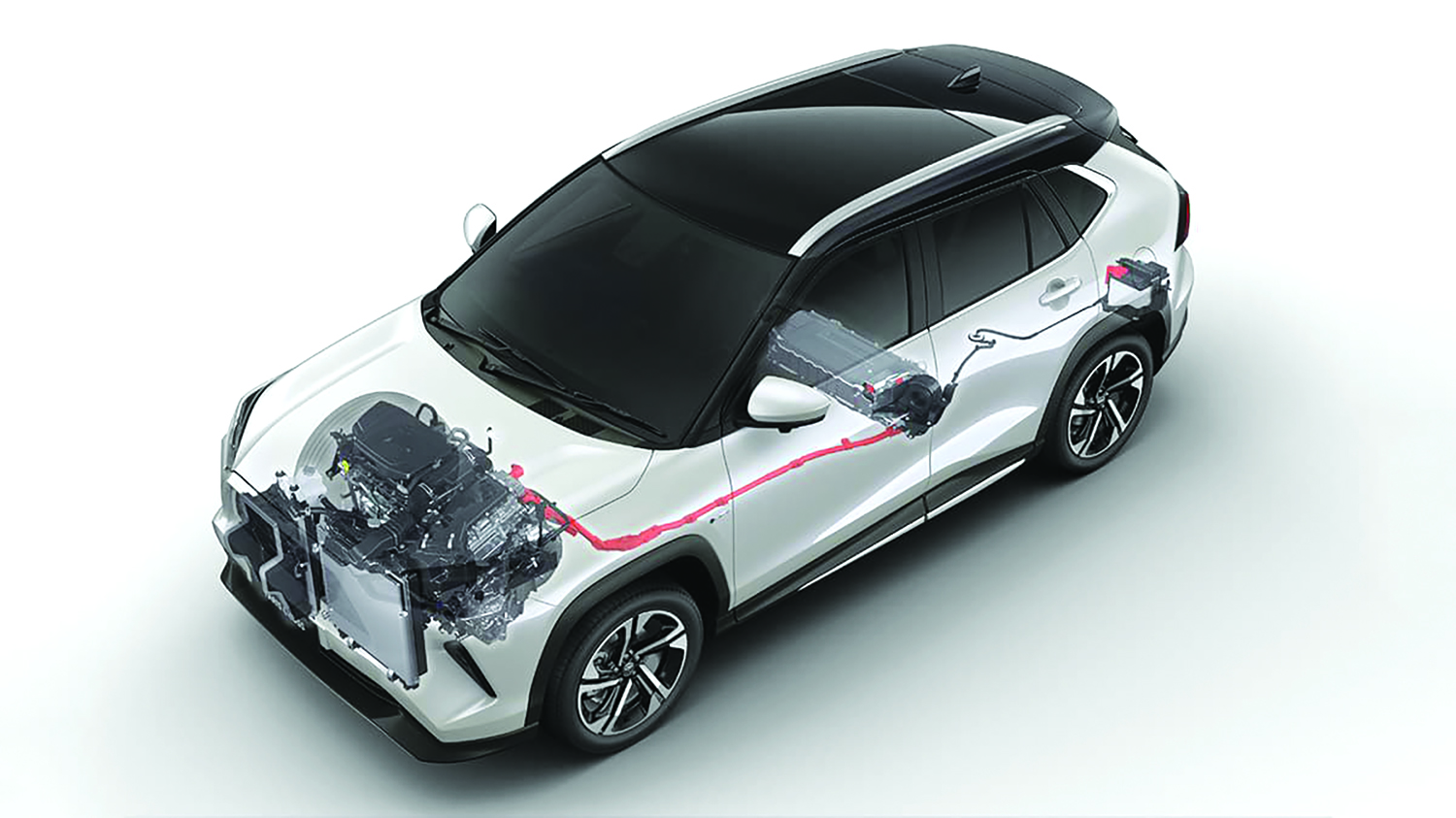
A full hybrid contains both a gas engine and electric motor with a sizable battery that can alone drive the car. The battery is charged internally when the vehicle is in motion.
A plug-in hybrid is just like a full hybrid with the only difference that you can actually plug the battery to charge it.
A mild hybrid again follows the same principle of using both motor and battery, but due to the smaller size of the battery, it alone cannot drive the vehicle.
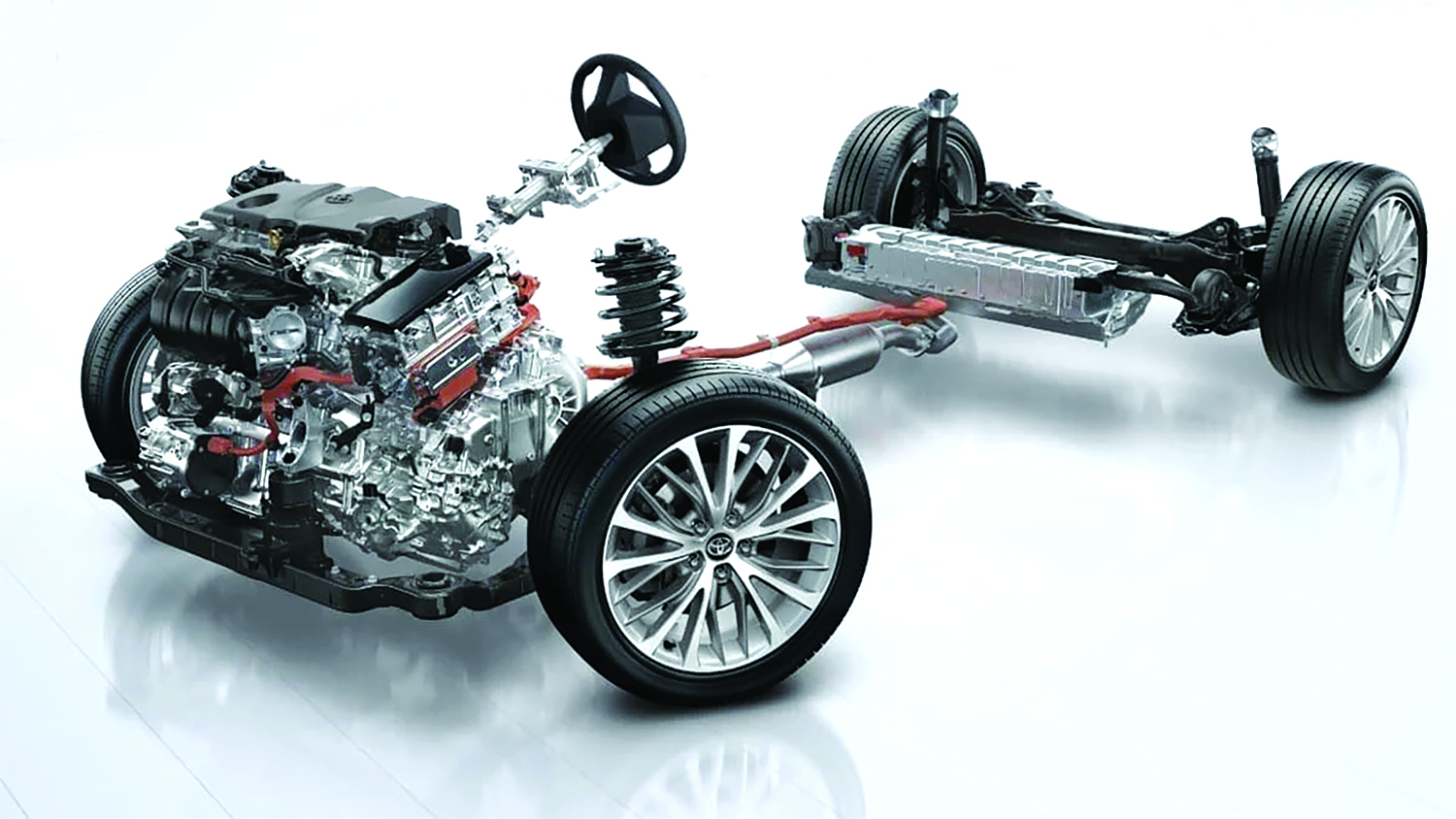
And then there are other variations to the system called series hybrid where petrol is actually used to operate an in-house generator that produces electricity, which then in return powers the car such as the newest generation of Nissan X-Trail in the Nepali market.
And then finally come micro-hybrids that assist during ignition (auto on/off in traffic) and have some form of regenerative braking that captures the vehicle’s kinetic energy during deceleration to charge the on-board battery.
Arnav Upadhyay is a content creator who reviews automobiles and promotes road safety on Youtube, Tiktok and IG under the handle Casually Annoyed Driver. This is his regular Drive Line column in Nepali Times.