

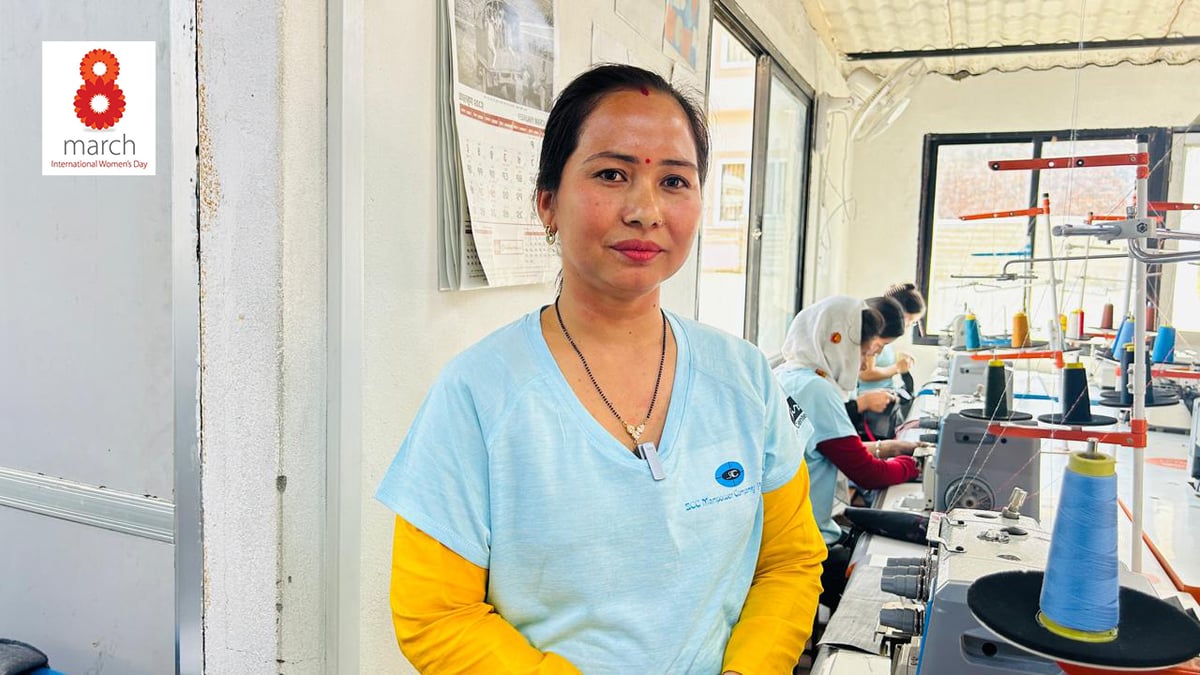
To mark International Women’s Day on 8 March right after the election, we had planned a Diaspora Diaries series focusing on female migrants. What are their aspirations? What challenges or opportunities are unique to them as female migrants? And, what are their expectations from the new government?
The stories would also draw attention to one group we could not manage to speak with at the airport: domestic workers.
Why? Because the government has banned domestic work in the Gulf.
You will not find them at the airport, at least not with a labour permit for domestic work. They are mostly traveling through the India, migrating but without required documents, adequate pre-departure skills and orientation training. They remain invisible in government records, and are left to fend for themselves.
This has been one of the most persistent failures of multiple governments despite evidence that such bans amplify the very abuses that they are designed to address.
But while working on the profiles of female migrants, war broke out in West Asia. Millions of workers are at risk, including the domestic workers.
Crises expose cracks in our system and policies. During Covid-19, for example, repatriation efforts revealed gaps in data and coordination, particularly concerning domestic workers. Precisely when the government needed to know how many Nepalis were overseas, where they were located, and how to assist them, they were absent in records, lacked documentation and were ineligible for welfare services that required valid labour permits.
Labour permits are important because they are tied to the government’s data management system, and are critical for record-keeping. They are issued only after workers complete pre-departure training tailored to their sector and contribute to the welfare fund which provides various services during crises. But we have failed to learn lessons from past failures.
WAR FEARS
Nepalis in the Gulf have told us they are safe so far, although there is an atmosphere of fear and anxiety. The explosions are frightening, especially for children. Attacks are not confined to base camps, but airports, oil refineries and embassies have also not been spared, fuelling further fear.
If regional tensions escalate and evacuation becomes necessary, it would be an enormous challenge given the size of the diaspora in the Gulf. Female domestic workers would be especially vulnerable, partly given the nature of their work but also because our emigration system contributed to it.
The task of collecting information of all migrants whether they are documented or not through an online registration system should already begin, says Krishna Panthi of the Non-resident Nepalese Association (NRNA) in Qatar.
One consistent theme in conversations with migrants is the need to have more effective Nepal embassies abroad. Crises like this magnify the weaknesses of our embassies or labour diplomacy.
Migrant workers frequently cite Philippine embassies as good examples of taking care of its overseas workers. They are also significantly better resourced and staffed than Nepal’s embassies.
How diplomats are appointed needs to be reformed, embassies must have sufficient resources for the size of the population they serve, they must build relationships with the destination country and back home, and they should be held accountable.
This crisis is a reminder for the incoming government to allocate adequate resources from the budget to the foreign employment sector. This means increasing staffing and strengthening our diplomatic missions while holding them accountable for their primary task — address the needs of overseas Nepalis.
But the West Asia war is happening now. We make the best of what we have in an all hands on deck way. Leveraging diaspora groups will be critical in supporting migrants to cast the net widely. A recent letter from the NRNA-International Coordination Council urged the government to prepare and coordinate effectively, immediately mobilising volunteers.
Another consistent theme among migrants is that the new government create jobs with liveable wages in Nepal itself so they do not have to leave. Even those who earned adequate wages in Nepal said they were just one crisis away from indebtedness because of a health shock in the family or a household emergency. Political party manifestos all mention job creation, but how this will be realised in practice is what actually matters.
Many Nepalis may now be compelled to return or not leave in the first place because of wars, pandemics or other economic or geopolitical shocks. Whether returns are planned or unplanned, meaningful jobs back home, an environment to run successful businesses and good remigration options allowing migrants to build on previous experiences need to be prioritised.
This crisis has again proven that lack of diversification in destination countries makes Nepalis more vulnerable. Concerns about the lack of diversification also emerged when Malaysia, another major destination country, closed its doors to foreign workers for almost two years. It is important to invest in labour mobility partnerships such as those with Korea, Japan and the UAE. A pilot agreement with the UAE for domestic workers is yet to be implemented.
Overseas demand will continue, as destruction on this scale will inevitably be followed by reconstruction. Demographic change and the need for migrants in essential job categories are critical to keeping societies functioning.
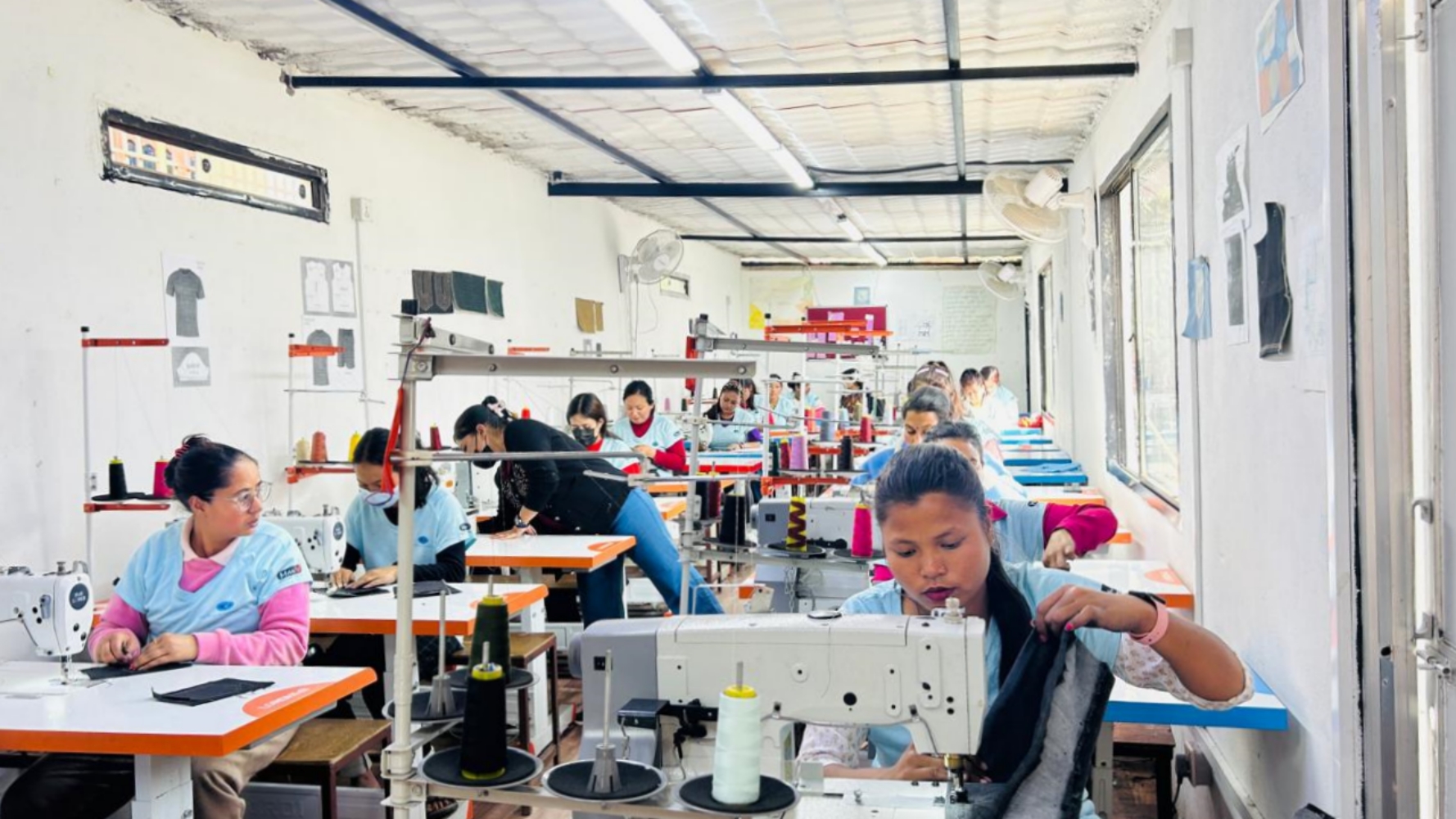
A Jordan-Nepal agreement for garment workers with support from International Labor Organization (ILO), for example, has opened up opportunities for thousands of women for garment jobs linked to multinational brands who are recruited ethically without having to pay fees.
Rita Choudhury from Rautahat who was at SCC Manpower that manages deployment of garment workers to Jordan told us, “We are benefiting from free training in tailoring before we migrate for free to Jordan. I will earn money working for a few years and can continue the same work once I am back and create jobs in my village for those who are unemployed.”
Of all the migrant workers who left last year, 12.9% were female with over half of them migrating just to three countries: UAE, Qatar and Kuwait.
From tracking what candidates are up to in this week’s election, Nepalis have now switched focus on monitoring the situation in the Gulf. With every refresh, there is a new missile intercepted or a debris that has hit some building.
Workers in office jobs have moved to remote work, outdoor work is restricted, and other jobs, such as those in the service sector, have reduced personnel. Many workers are confined to their rooms including those evacuated from American military bases.
A Nepali from Gorkha, Diwas Shrestha, who worked as a security guard was among those killed in the UAE on 1 March. Social media posts show some narrowly escaping falling debris of intercepted missiles while many are stranded at airports.
Even though the West Asia war has diverted our attention, now more than ever we need bold, visionary leadership that we can actually count on. To collectively heal from our internal crisis borne out of frustration and distrust with the system that came at a huge cost including young lives lost on 8 September — some of whom were in Kathmandu waiting to fly out for overseas jobs.
The government has also constantly overlooked Nepalis abroad who cannot vote. This includes 2 million of them in West Asia, in the middle of a crisis that threatens their safety and livelihoods.
As this election shows, the diaspora maybe disenfranchised but it is not disengaged. Nepalis overseas are campaigning through calls, letters, posters on suitcases and social media. Many are leaving Nepal and voting with their feet because the safe job overseas is more important than any ballot. Others are returning because the ballot is more important than the job.
Many Nepalis who were flying home this week to cast their vote are stranded in Dubai, Doha and Kuwait, and may not make it on time. Migrants who were on their way out are stuck at home, and many have returned to their villages to vote as they wait for flights to resume.
What struck us most in our interviews on elections and migration these past couple of months was the urgency with which many migrants approached this election. Many traveled home convinced that their individual vote mattered because the stakes are just so high.
Will the new government reciprocate to this disenfranchised population and deliver with the same sense of urgency?
Upasana Khadka heads Migration Lab, a social enterprise aimed at making migration outcomes better for workers and their families. Labour Mobility is a regular column in Nepali Times.