The RSP and its prime minister are being sworn in this week after gaining an unprecedented election victory. This is a welcome change for many Nepalis who see it as a remedy to decades of coalition instability.
Yet Nepal’s political history suggests otherwise. No majority government has ever completed its full term. This reveals a deeper structural problem: weakly institutionalised parties dominated by personalities rather than ideas.
1951: Dissatisfaction with the oppressive Rana regime among the educated elite led to the creation of political parties like the Nepali Congress (NC), Praja Parishad (later merged into the Nepali Congress), Gorkha Parishad, and the Nepal Communist Party.
They emerged secretly, mainly in India during the height of that country’s independence. They organised a successful armed uprising against the Rana rule.
1959: The NC won a two-thirds supermajority in the first general election. Within a year, King Mahendra staged a coup and established the partyless absolute monarchy called the Panchayat system.
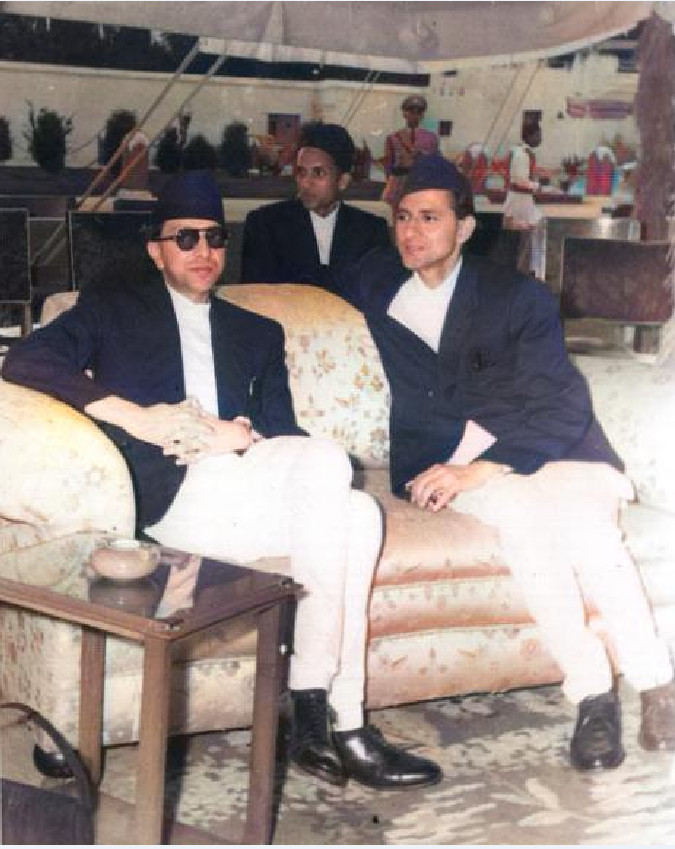
1991: After the People’s Movement, the ban on parties was lifted and Nepal became a constitutional monarchy. Elections were held under a new Constitution and the NC won 110 out of 205 seats, joining the United Leftist Front which functioned as a loose coalition.
Prime Minister Girija Prasad Koirala’s first term ended with his resignation due to infighting, particularly with Ganesh Man Singh, who accused him of “emerging as a dictator, downgrading democratic norms and values, and even selling out national interests.” Parliament was dissolved and the NC ended up losing the ensuing elections.
1994: Following the NC’s defeat, a hung parliament emerged with the UML forming a minority government that lasted only nine months before collapsing after a no-confidence vote, allowing a NC-led coalition to return to power.
1999: Voters gave the NC a second chance and the party won 111 out of 205 seats. The party was divided between supporters of Koirala and Krishna Prasad Bhattarai, who became prime minister. The internal NC power struggle intensified and Koirala became prime minister again only to face bribery scandals, the Maoist insurgency, and the royal massacre.
In 2001, under growing pressure from both the public and the party, Koirala was forced to resign to be replaced by Sher Bahadur Deuba. The party eventually split into Koirala’s NC and Deuba’s NC (Democratic). In this chaos, king Gyanendra dissolved the parliament and assumed executive powers.
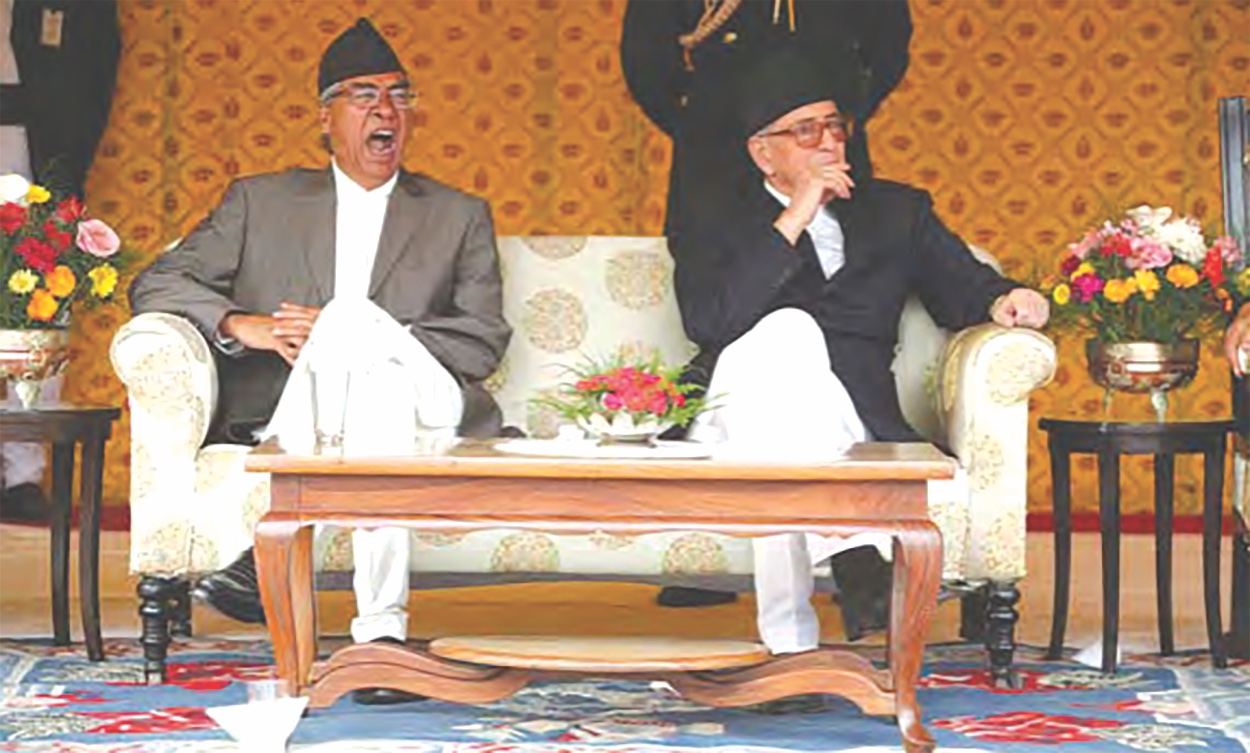
2017: This was the first election under the federal constitution. The UML and Maoists created a surprise pre-electoral alliance, breaking the Maoist coalition with the NC. The left alliance won a massive victory with the UML winning 121 seats and the Maoists 53 seats. Prime Minister K P Oli fell out with Pushpa Kamal Dahal of the Maoists. The House was dissolved, with the UML itself breaking into factions. What followed was seven shaky coalition governments in eight years.
2022: The RSP was formed only four months prior to elections, but managed to become the fourth-largest party. In this month’s election, the RSP won a commanding parliamentary majority by presenting itself to the electorate as different from the discredited old parties.
The RSP leadership structure is largely personality-driven and opaque. Party leader Rabi Lamichhane joined the governing coalition with the Maoists and UML securing four ministerial positions. Lamichhane became Home Minister and Deputy Prime Minister, using his swing vote to be the kingmaker party in the coalition. Lamichhane was embroiled in various scandals which he blamed on political vendetta. There was internal dissent within the party and among supporters who felt the coalition betrayed RSP’s founding ideals.
Lamichhane reportedly bypassed the party’s internal mechanisms, unilaterally deciding to pull out of the government without broad consultation.
The youth-led September protests gave the RSP an opportunity to represent GenZ aspirations, and its popularity was cemented after Balendra Shah joined the party as a prime ministerial candidate.
With its dramatic election victory, there is a question whether the party can separate itself from its two leaders, and have internal democracy. Or will it just be a vessel for new political elites to continue staying in power?
‘BALEN PARTY’
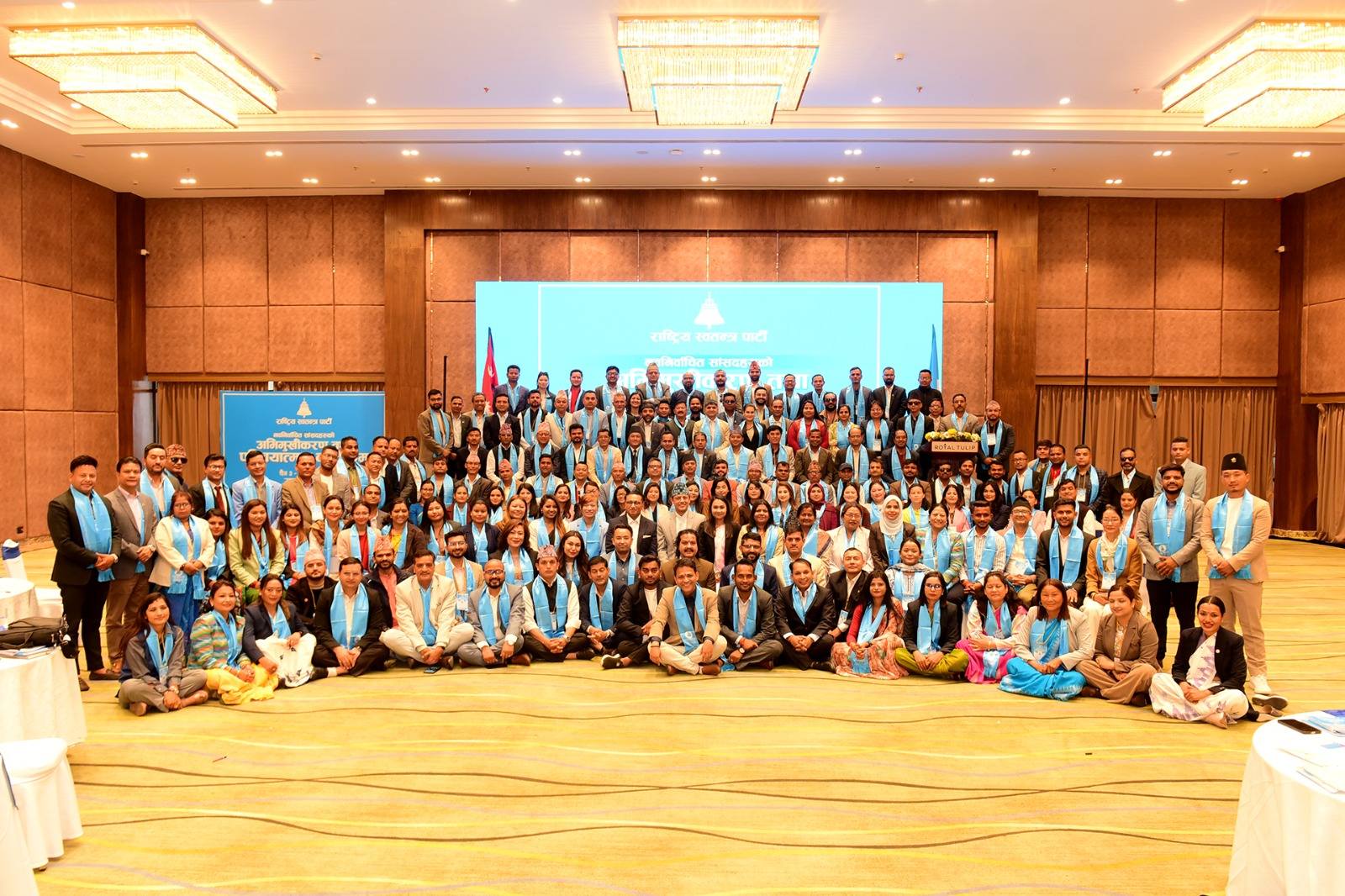
The RSP has increasingly relied on the same tactics that the NC once used in its heyday. Backed by Balendra Shah’s meteoric rise to fame, the RSP is called ‘The Balen Party’. RSP’s PR list includes celebrities, actors, singers, pageant winners, business personalities, and athletes to maximise visibility and public appeal. Many of these soon-to-be MPs have little to no experience working in government, or together as a team. Which is perhaps why they needed a two-day orientation last week.
In today’s attention economy, political currency depends on visibility. This is why the RSP’s strategy to harness Shah’s popularity was necessary to secure victory, while Shah needed a political platform for the election.
Political parties are essential for a democracy, but when they revolve around one dominant leader, internal institutions become weak, and decision-making becomes centralised in the leader rather than in party committees, rules, or ideological platforms.