The Rosi River today flows serenely through the sacred 13th century town of Panauti, nestled amidst green hills east of Kathamandu. But on 28 September it was a disaster zone.
Rainfall of biblical proportions lashed the valley for three straight days, and the angry brown water of the Rosi bulldozed through the town. Climate breakdown played a part, but the destruction was magnified by unregulated stone and sand mining upstream that fed Kathmandu’s demand for construction material. Across central Nepal, 250 were killed, 25 in Panauti alone.
Encroachment of rivers here in Panauti and elsewhere is not new. Gwancha Deula, 70, would know. He used to catch up to 15kg of fish in a single day from the Rosi. He proudly remembers once lifting a Bam Macha nearly a metre long. But garbage dumping and contamination with insecticides has killed the river.
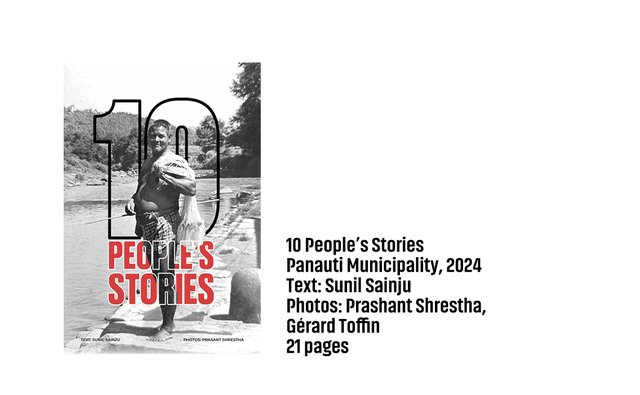
‘Let alone those cold water trout, even the insects have disappeared,’ Deula tells photographer Prashant Shrestha in his new book 10 People’s Stories -- a compilation of photo stories and archival images of inspirational Panauti people.
Read also: The revenge of the rivers, Shamshad Ahmad in Kavre
Shrestha’s own grandfather, Narayandas Shrestha, ran a local watermill when he was 16 and served the community. Then, the construction of a Soviet-aid hydropower plant generating electricity for Kathmandu, urban encroachment, and availability of processed food made his profession obsolete.
‘The stream died,’ Shrestha writes, “and traditional watermills evolved into the modern mills.’
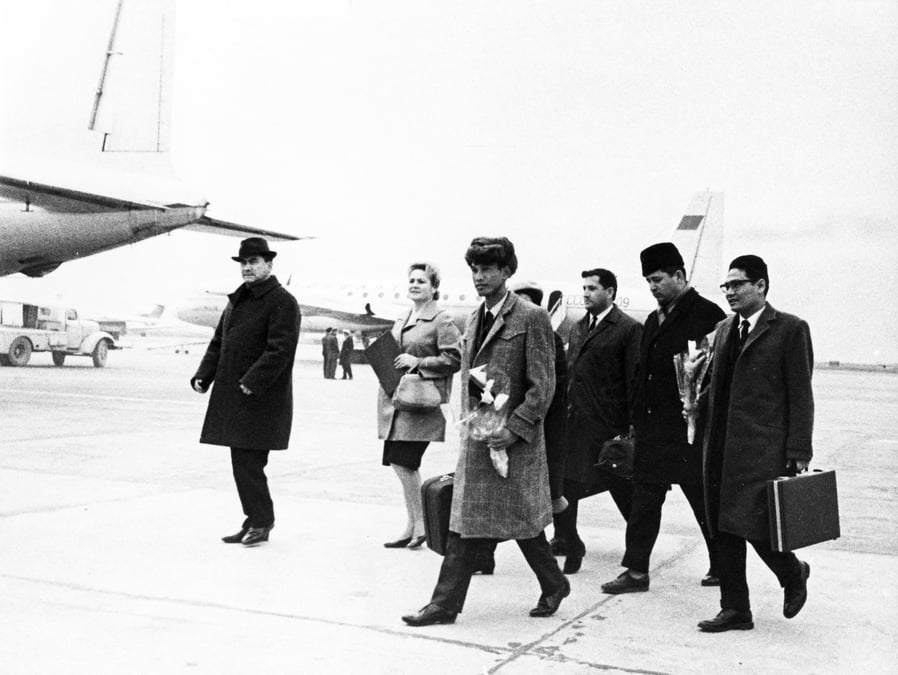
Two chapters about local political activists speak of a bygone era when idealism was still held in high esteem. One is a lifelong Kangresi and the other a Soviet-returnee Communist.
‘Physically, he limps, but his spirit has never faltered in his 78 years of life,’ writes Sunil Sainju, who wrote the text for the book, of Madhav Narayan Pasache, who started his political activism during the Rana regime and remains dedicated to the Nepali Congress.