For decades, water scarcity, subsistence farming and debt had been driving farmers away from the village of Aathrai in this district of eastern Nepal. The elderly here tell the true story of one lot of people who decades ago were on their seasonal migration down to Jhapa in the plains.
In their four-day trek south, they were spending the first night under a tree by the banks of the Tamor River. As night fell, they heard a crowd of people with their livestock, coming down the path. They held flaming torches, talked loudly and their laughter carried across the river.
The travellers thought they were seeing ghosts, and watched warily. The people on the opposite side filled their brass jars with water, the cows drank their fill, then they climbed slowly back up the steep path along which they had descended.
The migrants watched the torches until they reached the top of the ridge and disappeared into Terathum district. The next morning they found out those were villagers who came down every night with their cattle to collect water because springs up the mountain had gone dry.
That is when the people from Terathum realised that their home villages had it much better because the villagers of their district did not have to make nightly water ferry trips up and down the mountain.
More, but still not enough
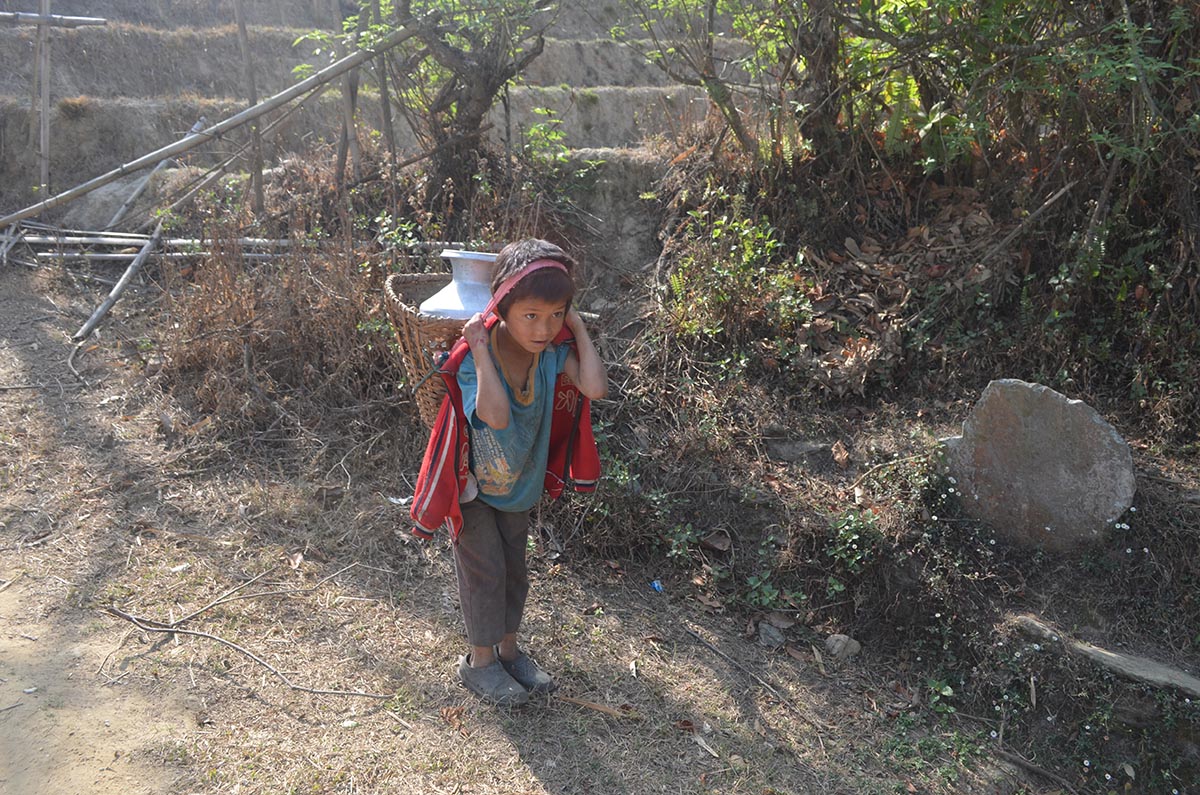
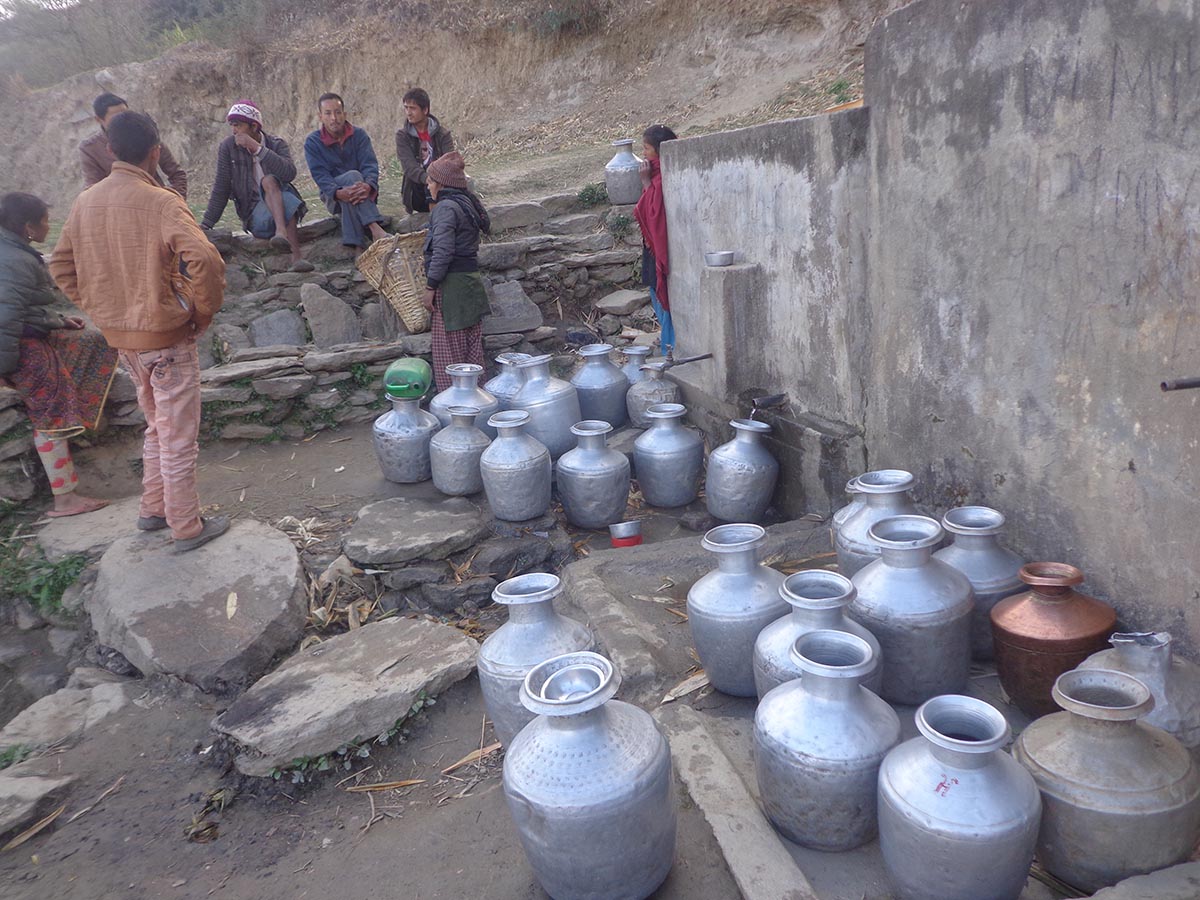
Till recently, wards in Chhathar village in Terathum used to have such a severe water shortage that families had to borrow water like they borrowed money. The nearest spring was two hours walk away, and there would already be up to 60 jars in the queue. It was the job of women to fetch water, and they would trudge home with two jars in baskets on their backs and two plastic containers in their hands.
“This added to the drudgery of women, would delay the preparation of meals for the family and sending children to school, there was no time to clean the house, the livestock were always thirsty and would give less milk,” explains Tara Kharel Dhakal, deputy chair of Chhathar Rural Municipality.
She adds: “There are settlements where water shortage is still acute, but we have managed to pipe drinking water to 90% of the households.”
Ward 3 Chair Deuman Limbu agrees that drinking water is less of an issue now, but says lack of water is still affecting dairy and vegetable farming which would have improved nutrition and increased cash income of villagers.
Chhathar’s water shortage was alleviated by building a channel from a stream 14km away. There are cliffs along the way where pipes have been laid, but these are often damaged by landslides, wildfires, and maintenance is difficult.
In large parts of Nepal, including here in the east, the main reason people migrate out is because of the lack of drinking water. And although most people here remember the water crisis being much more serious in the past, there is still not enough in the dry season.
There used to be a tradition in Nepal’s mountains that travellers could get free food and lodging for the night from villagers along the way, and this would be reciprocated when they themselves needed to stop for the night. It was the same with water: those walking along foot trails would be offered water for free since people believed it would earn them merit in heaven.
But not in villages like Thoklung today, where travellers know how precious water is, and offer to pay for a drink.
Springs are going dry across Nepal’s mid-mountains from east to west, partly due to erratic rainfall caused by the climate crisis but also because of over-extraction. Spring water used to be mainly for household use and the extra water would flow down the mountain, seep into the soil and recharge groundwater. These days, farmers pipe water to their homes from nearby springs to irrigate cash crops like cardamom or vegetables.
“New roads drain water away, preventing recharge,” explains watershed expert Madhukar Upadhyay. “Paddy terraces used to store water that slowly seeped into the slopes, but with outmigration there is less rice being planted which in turn has affected the water table.”
Read Also: Climate crisis → drought → food deficit → migration, Mohan Mainali
Power to pump water
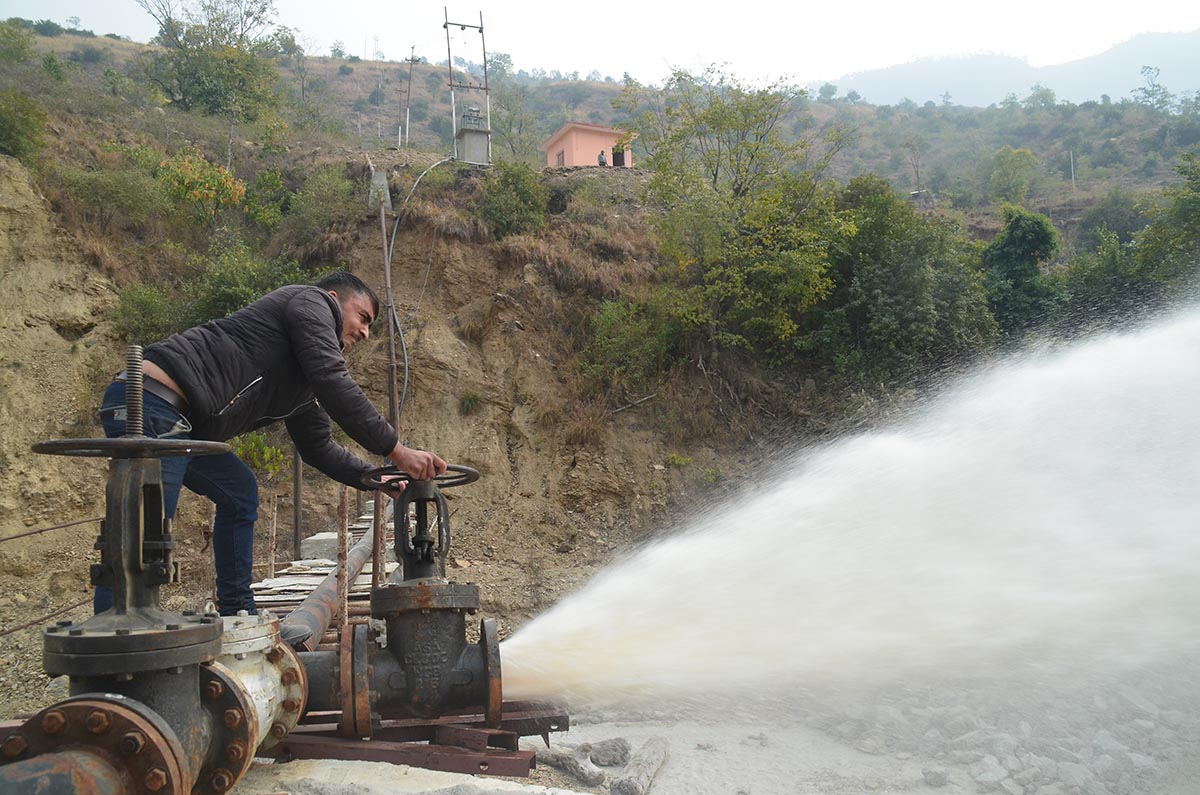
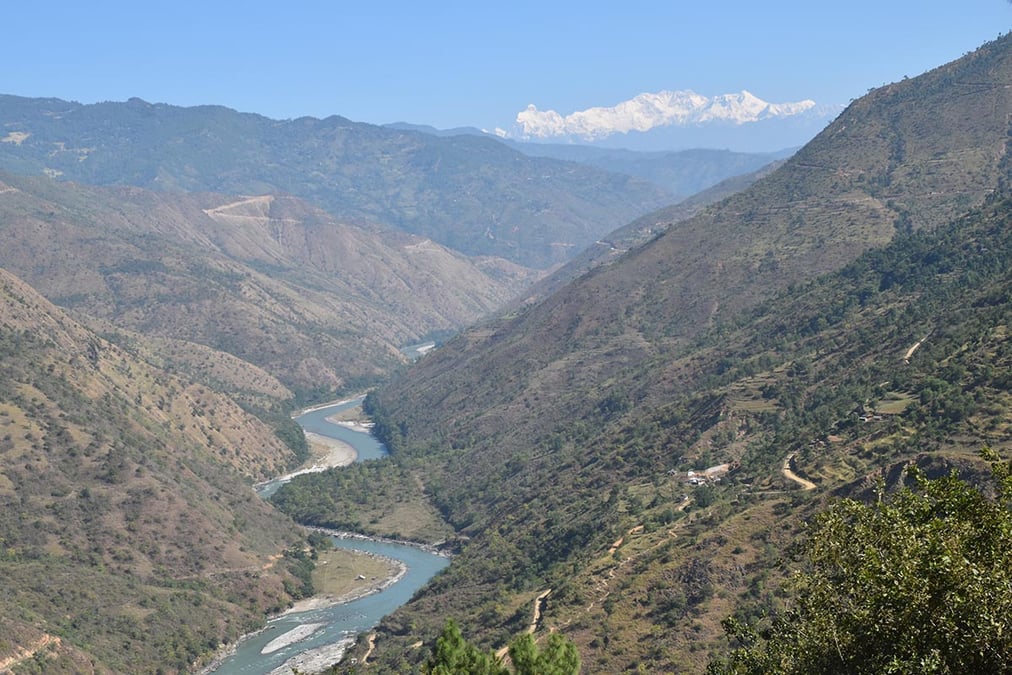
Necessity is the mother of invention, so desperate villages in eastern Nepal have adopted innovative new ways to ensure water supply. Thirsty families in the parched Kummayak village of Panchthar used to look down longingly at the blue-green waters of the glacier-fed Tamor River.
They decided that instead of migrating to the Tarai, they might as well try to pump the water to their village. Nine years ago, they launched a project to dig a well near the river and pump the water up the mountain and distribute drinking water to 2,000 of the 3,200 households in Kummayak.
But chronic drought has reduced the dry season flow in the Tamor, and villagers had to divert the river’s channel closer to the well to maintain water supply. The Tamor Drinking Water Pumping Project is now digging another well at a cost of Rs10 million to augment supply.
Learning from Kummayak, 11 other projects are planned to pump Tamor water up to mountain villages. Some villages that would have benefited, like Aathrai, have just heard the bad news that the federal government does not have the budget to fund their Rs20 million well and pumping station.