
 HELSINKI - We are used to having election observers come to Nepal to see if our voting is free and fair. They come from democracy watchdogs, the European Union, or the neighbouring SAARC country, and inspect voting procedures.
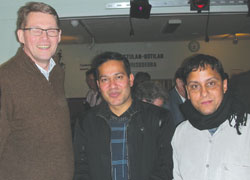
But here we were, Nepali journalists monitoring the general elections in Finland for a change. This was what voting in a mature democracy was like, we thought, and it couldn't be more different than elections back home.
It's been eight years since our last elections, so our memories of them are a bit hazy. But we recall the notoriously unstable years of Nepal's coalition politics, having 12 governments in 11 years and four elections in a decade.
The biggest attitudinal difference between politics in Finland and Nepal is that Finnish voters weren't terribly worried that the contending parties didn't win an absolute majority. In fact, they seemed to prefer it that way.
The Centre Party won 51 percent of the seats in the 200-member parliament, the National Coalition Party got 50, and the Social Democrats 45. The Leftwing Alliance (17) and Green League (15) trailed, and other smaller parties totalled 22 seats. Forty-six percent of the seats went to women, making Finland second only to Sweden in the number of women in parliament.
Campaigning was also completely different. There weren't any rallies along the main streets that caused traffic snarls in the city centre as party supporters marched for aam sabhas. No posters on walls and tempos with loudspeakers. Candidates stood outside department stores distributing stickers. "I was born here," said one candidate in a Helsinki suburb, "I know almost everyone by name."
Finnish electoral laws are liberal and everyone obeys them. Parties have to present their statement of account as soon as polling is finished. Even MPs are taxed 38 percent on their salaries. Property, earnings and campaign financing are transparent.