
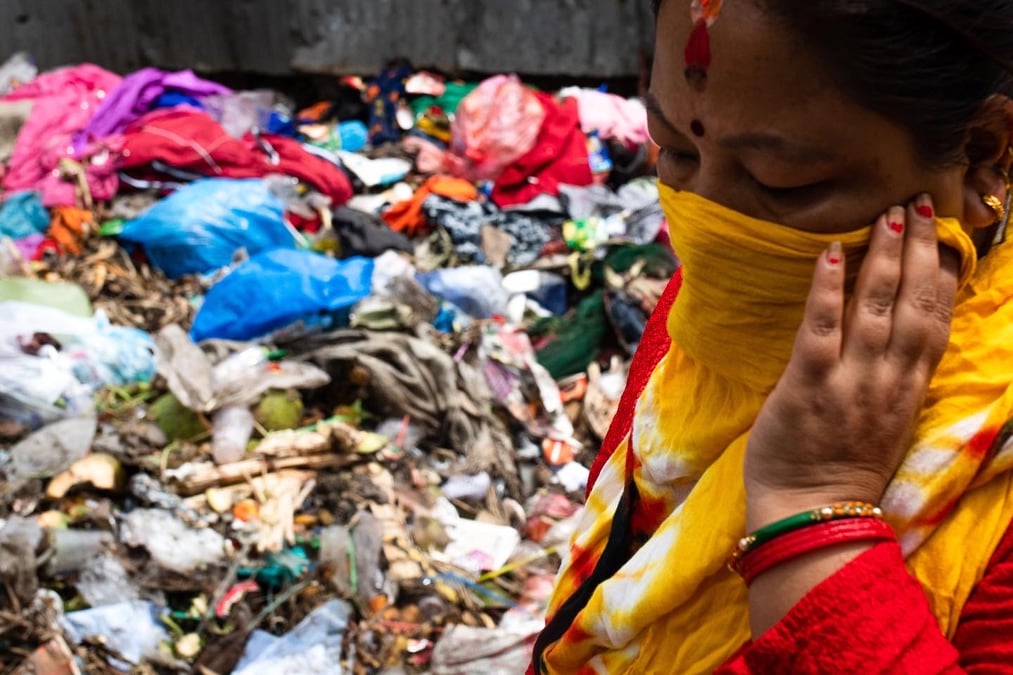
The health of Nepalis is being seriously affected by air pollution, contaminated water, plastic garbage and the impact of the climate crisis on weather, water supply and agriculture.
These are a result of neglect by the state, which means we have it in our power to remedy them. All it needs is political will.
The new budget presented to Parliament on Monday, however, was one step forward two steps back. It decreased the tax on electric SUVs, and increased it for battery-powered public utility vans and smaller e-cars -- which goes against the government's stated decarbonisation targets.
The budget reiterated the commitment to promote paper and cloth bags and replace plastic. That is timely because #BeatPlasticPollution is also the theme of World Environment Day on 5 June.
Read also: Things are up in the air, Sonia Awale
This is not the first time a government has banned plastic bags. In 2011, it announced a complete ban on the production, import, sale, distribution, and use of plastic bags thinner than 20 microns. But political lobbying by plastic pellet importers was too strong to enforce it.
So, the government later made a symbolic gesture of prohibiting plastic bags within Singha Darbar. That could not even be implemented within the central government secretariat in Kathmandu.
Since plastics are so convenient to use, an immediate and outright ban will not work. But there is nothing stopping us from recycling, reducing and removing them.
Kathmandu Mayor Balendra Shah's electoral platform included solving the capital’s garbage problem by making citizens segregate trash at source. More than a year later, there has been no move to sort trash.
Read also: Refuse, recycle, reuse, repurpose plastic, Aria Shree Parasai
Seventy percent of Kathmandu’s waste is biodegradable, and can be turned into compost. The rest is mostly plastic, paper, metal and glass which are already collected by informal waste workers for recycling.
Also on World Environment Day, let us commit to protecting the Chure Hills where indiscriminate mining and quarrying by corrupt contractors will inundate the Tarai and the plains of Bihar.