This is the 22nd instalment of Diaspora Diaries, a regular series in Nepali Times with stories of Nepalis living and working abroad.
I was sitting on the terrace of a building that was under construction in Doha. Night had fallen, but it was still hot.
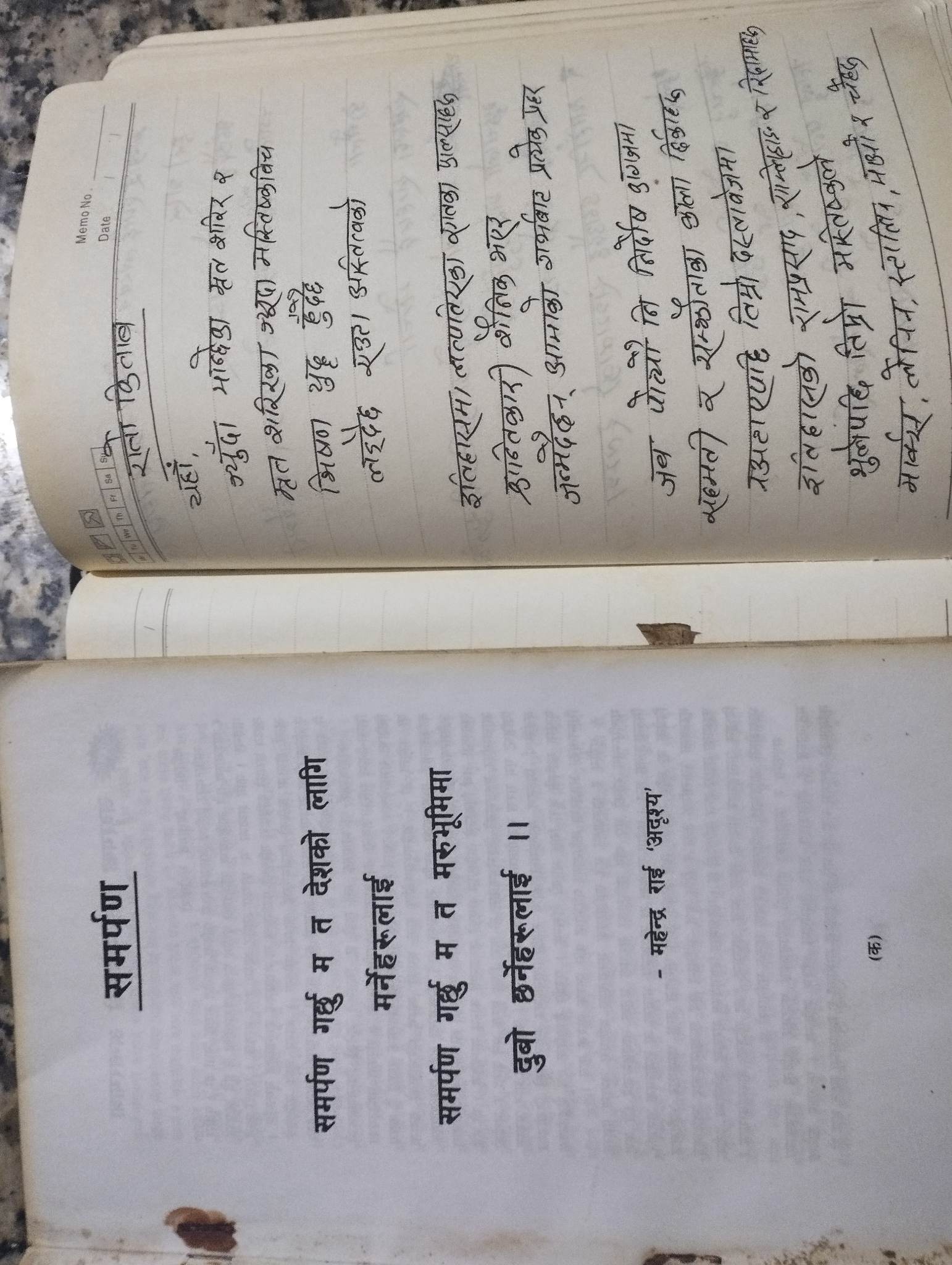
Beads of sweat dropped on the page of my diary in which I was writing a poem, making the words illegible. Illegible but indelible. I still have that poem with me.
Words are all I have. I have gone three times to the Gulf to work. I have composed poetry at construction sites, under a lamppost in my labour camp, or in a crowded room with 11 other Nepalis.
Read also: Proud to give back to Nepal
After a hard 12-hour day in the outdoor heat, being humiliated by an overbearing supervisor, it did not matter that there were 11 other people in my noisy and crowded room. I became oblivious to my surroundings, when my heart ached and venting in my diary was my only escape.
People talk of foreign employment as a compulsion and not a choice for Nepalis. For me, writing poems also feels like a compulsion. When I see the failures in our society that disproportionately impact the weakest, I have to get it out of my system through verse. Only then can I sit still, get a good night’s sleep.
I see power in words, in books, in literature. Growing up in a remote village near Dharan, my friends and I had started a भित्ते wall newspaper. We used to buy large drawing papers and hand-write news, copying the style of publications that did not make it to our village.
There was no photocopy service then, so we had to copy everything by hand from the master copy. It was difficult, but we loved it, and assigned beats for village news, interviews and literature to the news team.
Read also: Saving to save my sister
I was in charge of the literature section, and sought contributions from the community. We stuck the newspaper on a wall in the busy part of town so as many people as possible could read it.
Indeed, people would swarm around after every edition came out. Seeing the popularity of the paper, people made stands so the paper could be protected from the rain. Sometimes, when available, we used to paste original photos of the contributors or interviewees to illustrate the content. This would create quite the buzz, and inspire others to contribute as well. We had quite a fan following, and could influence village discussions on social issues.

When I migrated overseas for work, this desire to inculcate a reading habit among others followed me. It was not easy when access to books or newspapers was limited.
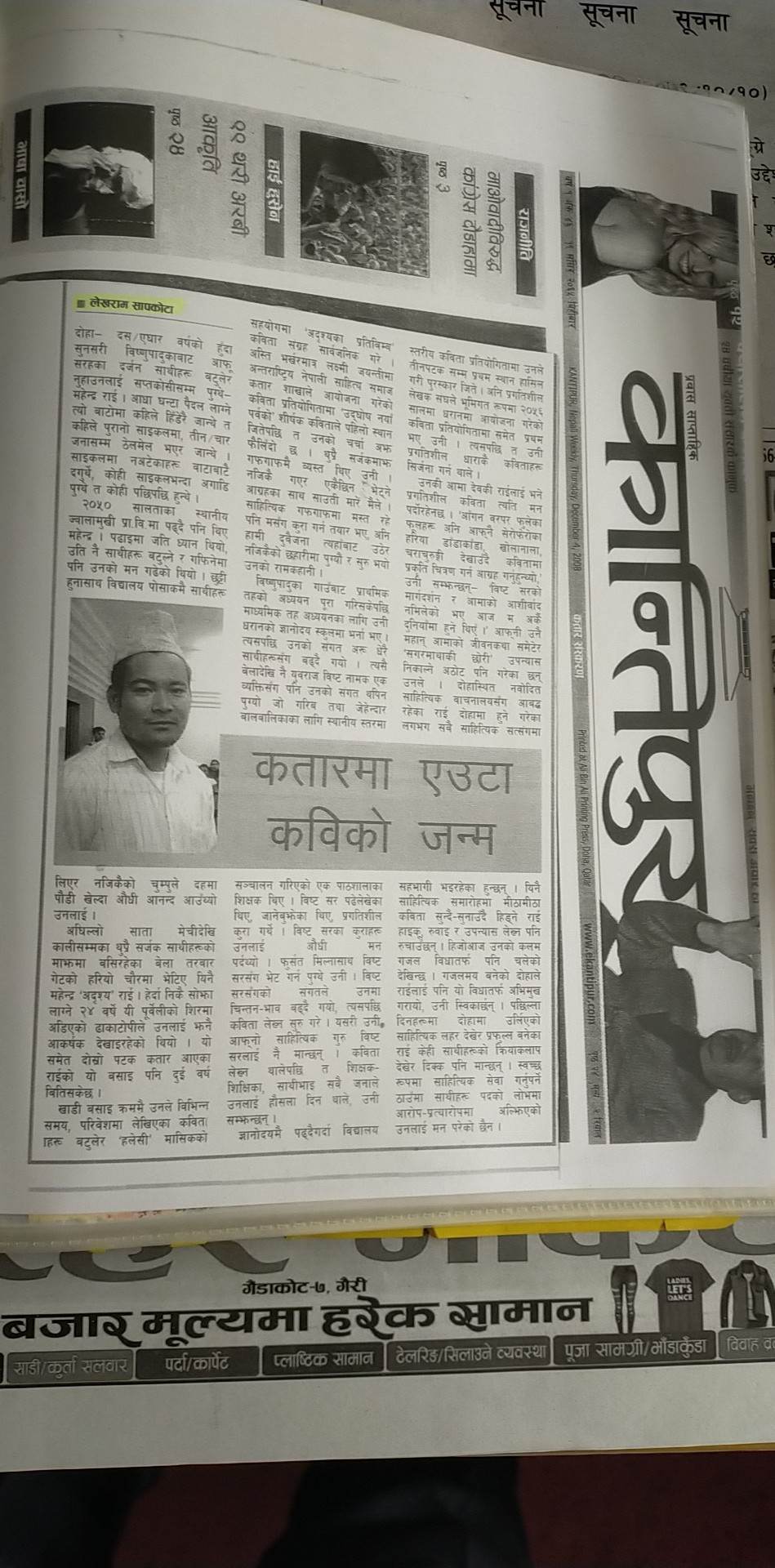
In Qatar in 2004, news from Nepal was not readily available to us migrants. When people came from Nepal carrying gifts like pickles, they used to be wrapped in newspapers. Sometimes the news in those pages would be more valuable than the pickle itself.

We would read those strips of paper, and share it among ourselves. It did not matter if the news was outdated, or if the paper was crumpled — it was still a valuable connection to our homes, and sometimes the only link with Nepal we had.
We would save these clippings under our pillows and reread them anytime we were bored or homesick. We would read them so many times that we could recite the contents from memory.
We would even know the obituaries by heart, with random details like the date when they died, or the names of their family members. When fellow Nepali visitors came to our camps, they would be in for a treat when we presented them with pieces of paper with Devnagari writing.
Things were very different in 2008 when I returned to Qatar for my second overseas stint. We were no longer just foreign workers, but part of a well developed Nepali community that prized Nepali food, literature and entertainment.
The Internet was taking over, and papers like Rajdhani and Kantipur had made it there. We visited other labour camps with Nepali books in our bags that we collected as donations from fellow Nepalis. We also brought more books from Nepal based on reviews they had read online.
Read also: For better or verse in the Gulf, Dalbir Singh Baraili
We encouraged fellow Nepalis to hold book discussions. This was also how we identified the hidden writers and poets across Qatar. Soon, by convincing local Nepali businessmen to finance our work, we also had a small library.
In Saudi Arabia where I later worked in 2016, I was unable to access other camps due to unsuitable work hours, or location that made travelling difficult. But by then, social media offered a good alternative, and we had poem recitals on group video calls and Facebook messenger groups with members from across the world with whom we shared our writings.
I was one of those migrant workers who carried more books than clothes when traveling overseas. I hope that one day I will be able to start a library in Dharan in my mother’s memory. She died of cancer when I was away.
I could not return for her last rites because my status was irregular, and I had to wait for the next amnesty to leave the country without spending time in detention. Before she passed, relatives told me tears would roll down her face for me, even though she could not speak, for her youngest son. Her undocumented son.