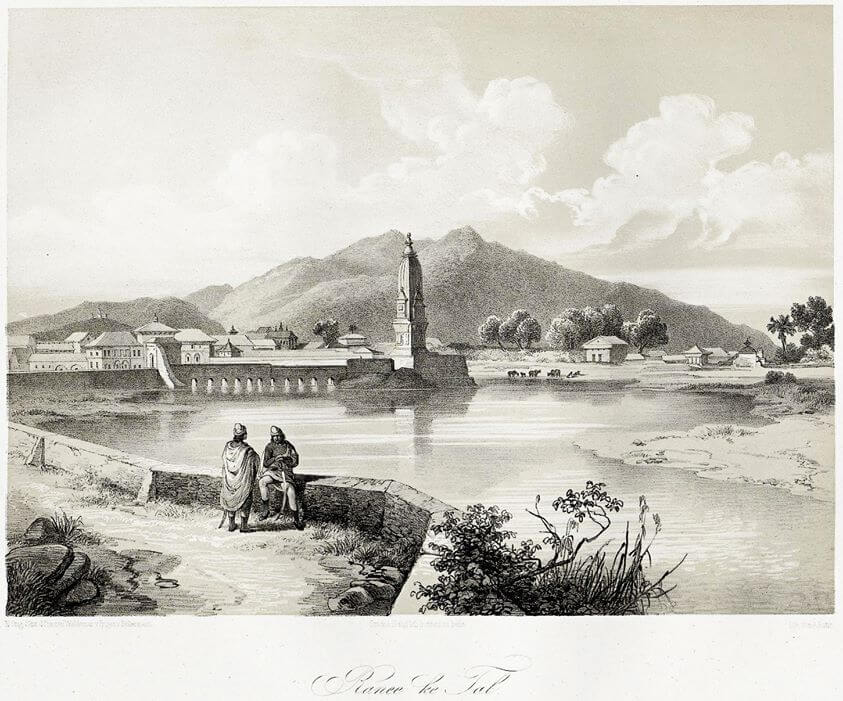
King Pratap Malla built Nhu Pukhoo, the ‘new pond’ on the northern outskirts of Kathmandu in the 17thcentury CE to console his grieving wife. To sanctify Rani Pokhari, as the pond was eventually called, he toiled four years to bring water from 51 holy rivers, ponds and oceans of the subcontinent.
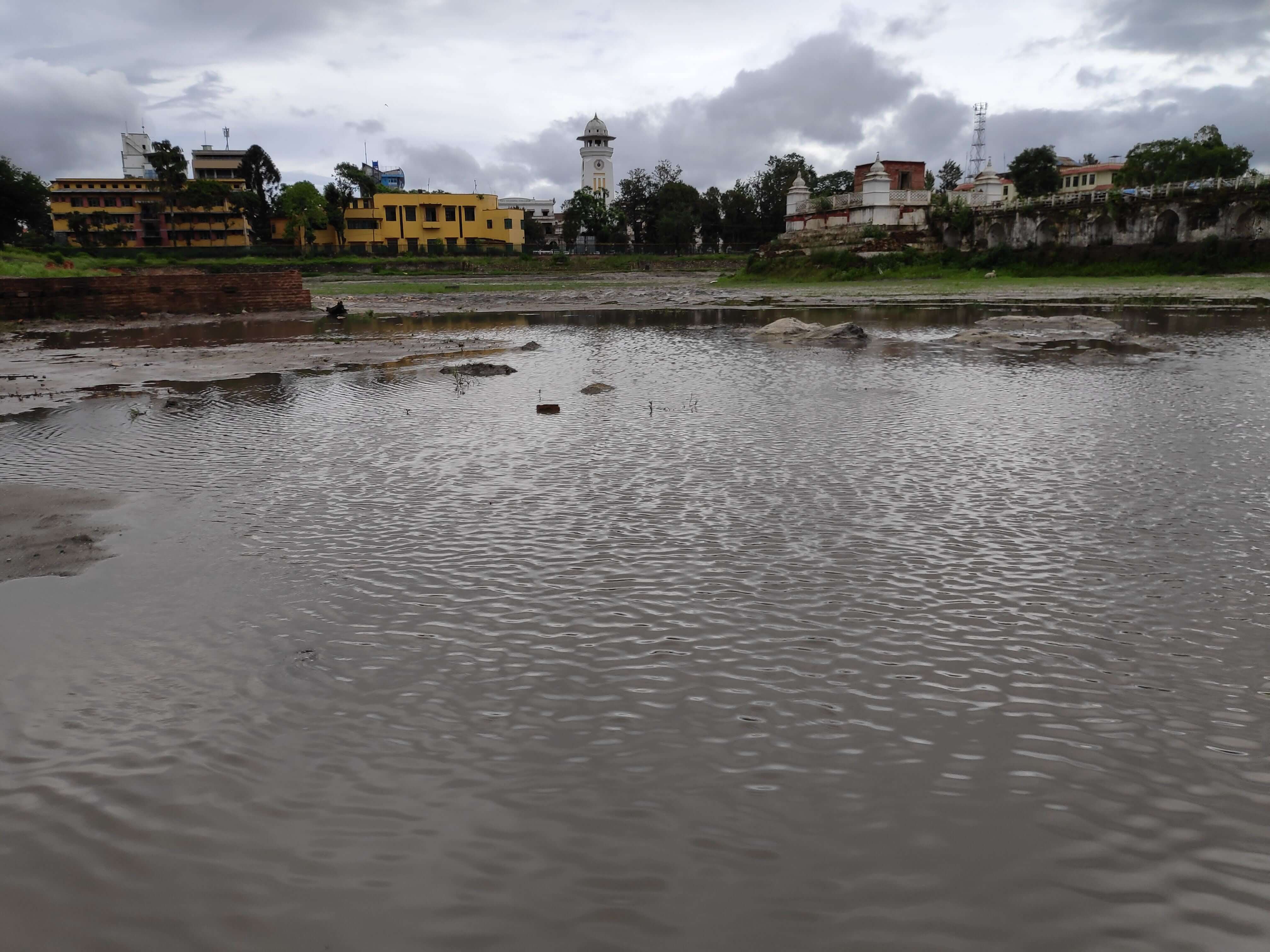
Now, more than four years after the desecration of Ranipokhari by Kathmandu Metropolitan City (KMC) in the name of ‘beautification’, the pond remains unfilled. All is not lost, however. The ongoing rebuilding process of Rani Pokhari is to some extent fulfilling.
The 2015 earthquake damaged the Bal Gopaleswor Temple in the middle of the pond. The water body itself and the embankment walls remained intact, but the KMC misguidedly drained all the water, demolished the centuries-old brick embankment and replaced it with reinforced concrete in an effort to ‘modernise’ the pond.
Read also: Deconstructing Reconstruction, Alok Tuladhar
Despite public uproar over the vandalism of this holy site, Mayor Bidya Sundar Shakya refused to back down from the project, vowing to build a coffee shop and recreation facilities in and around Rani Pokhari. Outraged activists finally threw the construction workers out and locked the premises in December 2017. Mayor Shakya was forced to remove the concrete he had poured.
The National Reconstruction Authority (NRA) stepped in, taking responsibility for the reconstruction. It formed a local group to oversee the process and manage funds, and enlisted the technical expertise of Bhaktapur Municipality, which had recently revived several ponds on its lands that had dried up.
Read also: Reconstruction of Rani Pokhari halted
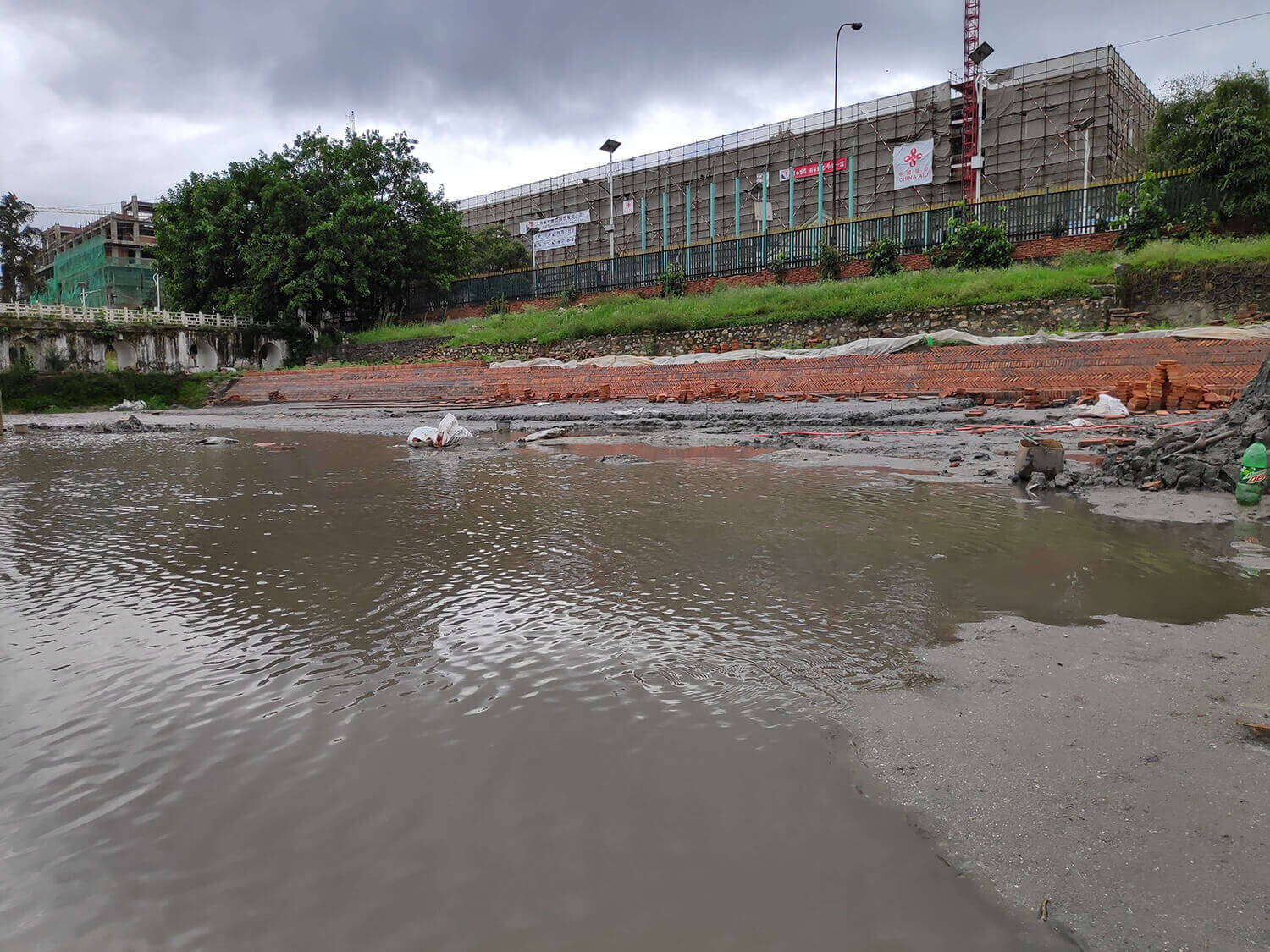
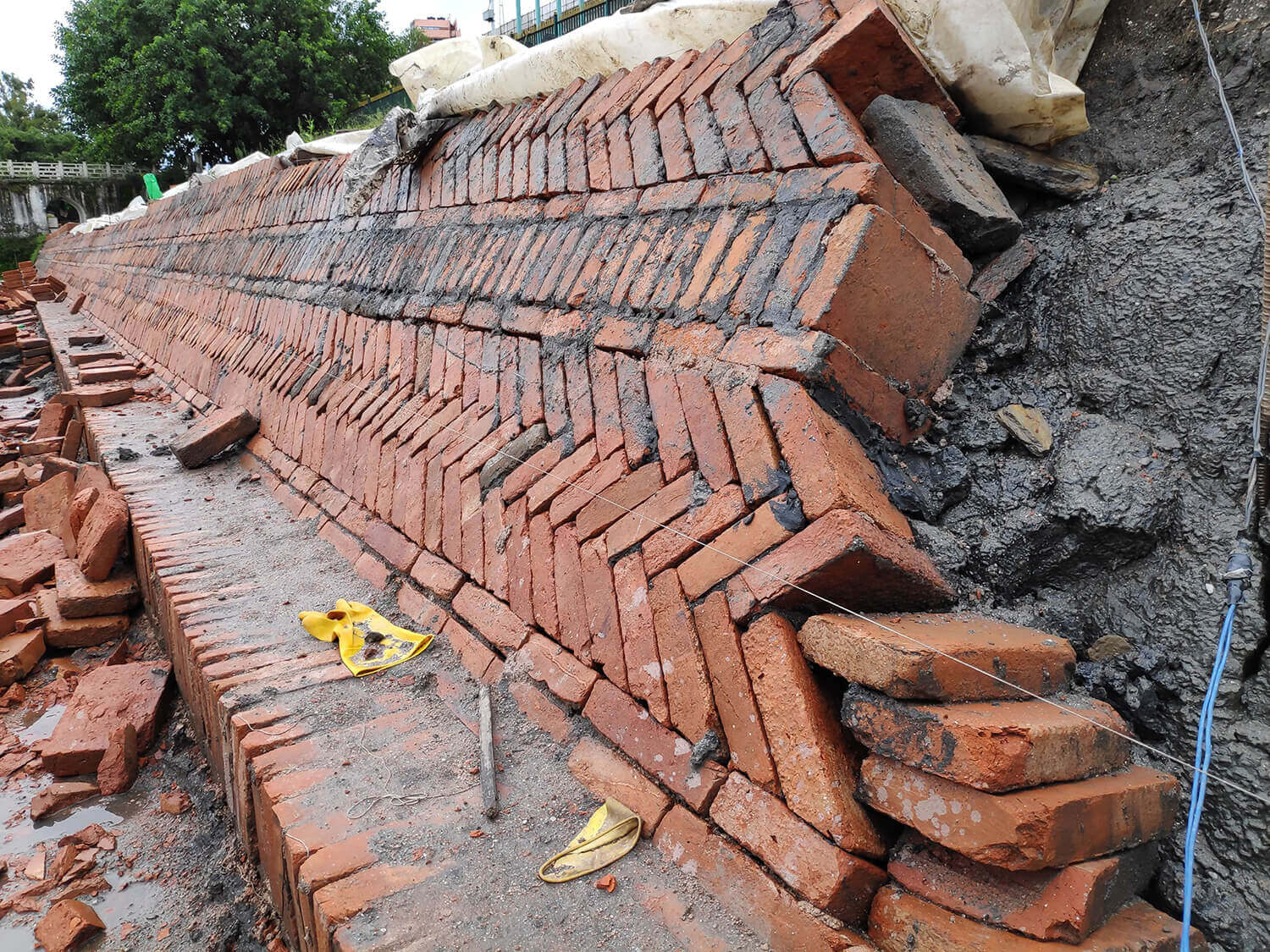
A team of 40 workers from Bhaktapur are now hard at work at Rani Pokhari every day. After clearing the overgrown vegetation, women are levelling the ground and lining the pond with a layer of impermeable black clay. They are also building an embankment wall on the sides of the pond, using bricks specially manufactured with lime-and-brick-dust mortar.
Subhadra Dhoju from Bhaktapur says the black clay (‘dyo cha’) has been chosen for its water retention capability. Dyo cha means ‘god soil’ in Newa. The large surface area of Rain Pokhari poses a challenge not faced elsewhere.
“We have brought in 40 truckloads of black clay so far from Sankhu and Bhaktapur, but we need another 3,000,” says Ajay Sthapit, who heads the local group overseeing the project. Even though the NRA wanted to use cheaper ordinary bricks for the walls of the pond, Sthapit insisted on high quality custom-made one.