

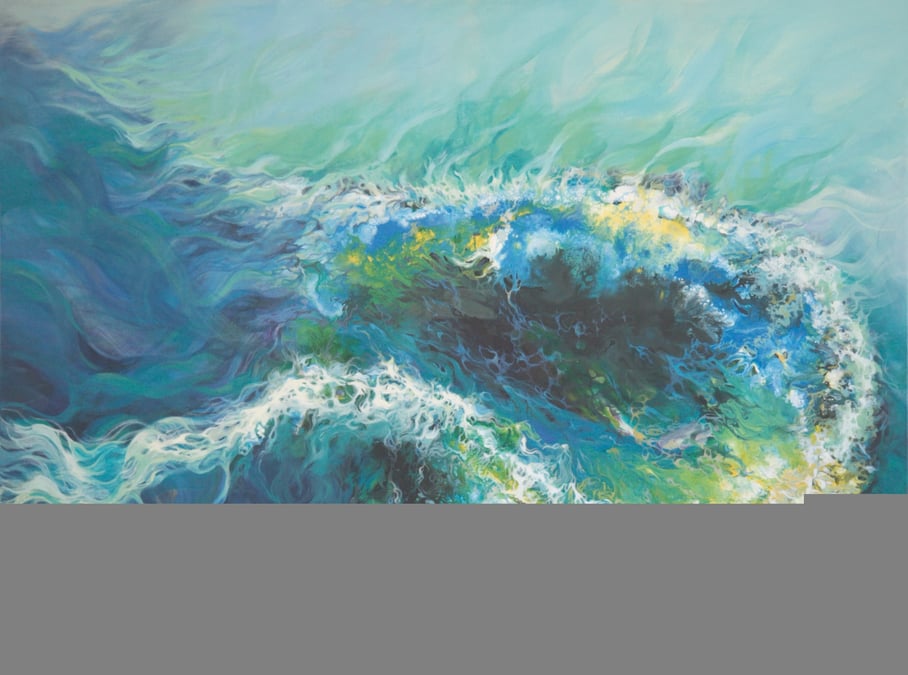
Once a quiet niche in Nepal’s art world, abstract works are gathering a certain following. Art aficionados and collectors have embraced the freedom this art form provides, making the canvas a compelling, unfiltered space for expression and raw energy.
Nepal’s transition into modernism and abstract art began in the mid-1900s as the country opened to the world. The pioneer was Lain Singh Bangdel who was exposed to the modern European school while studying in Paris in the 1950s. It was Bangdel who infused abstract styles to modern Nepali art and inspired generations of new talent.
Fast forward 65 years. For the first time, 26 abstract Nepali artists are coming together for an extravaganza at Taragaon Next titled ‘Forms of Abstraction’. The exhibition brings the works of Kiran Manandhar, Sangee Shrestha, Sushma Rajbhandari, Bidhata KC, NB Gurung, Jeevan Rajopadhyay, Laya Mainali, Nabendra Limbu, among others.
The exhibition explores themes such as motion, emotion, nature, architecture, geometry and culture, but always melding culture and heritage into modern visual themes.
“Unlike purely formalist approaches, abstraction often emerges from cultural memory, spiritual philosophy, and lived environments,” explains Roshan Mishra, curator and director at Taragaon Next. “Even in its most non-representational forms, Nepali abstraction retains a connection to tradition by transforming rather than abandoning earlier ways of seeing and making.”
The exhibition is supported by the Saraf Foundation for Himalayan Traditions and Culture and also acknowledges the contribution of late artists who helped shape the abstract art scene in modern Nepal.
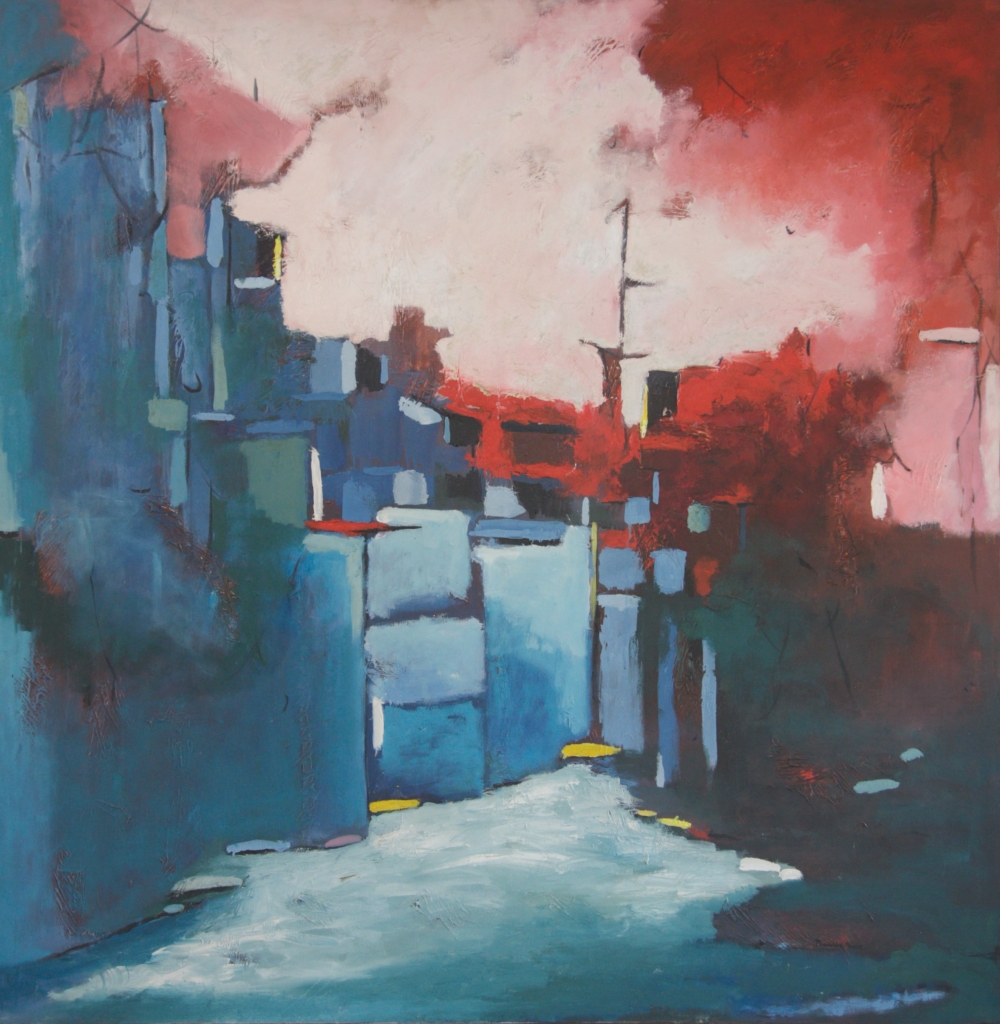
The exhibition foregrounds abstraction not as a departure, but as a continuum, an evolving language shaped through time, practice, and context. The artworks presented include mixed media, acrylic on canvases and water colour on paper.
Jeevan Rajopadhyay has been working with abstract art for 20 years, and his work is distinguished by the vibrant use of colour and fluid forms, often evoking a sense of movement and harmony for viewers.
“Abstract art exists beyond what is seen by human eyes ti evoke feelings and emotions,” says Rajopadhyay.
Nabendra Limbu’s Samaahit highlights years of deep exploration into abstraction, displaying an emotional interplay of colour and form. “I explore rhythm, repetition, and space, where colour and form engage in an emotional dialogue, unfolding contemplation, movement, and what exists beyond perception,” he explains.
But because abstract art resonates at an emotional rather than rational level, the paintings cannot be explained in words. Artists use expressionism precisely because its message exists in a different dimension from language.
Laya Mainali has been painting in the abstract for 40 years has two works titled ‘Antaskaran’ and ‘Creation’ on display, both of which come with distinct colour palettes and shapes. He says: “Abstract art is an expression, a mixture of colours and a medium through which feelings can be poured out.”
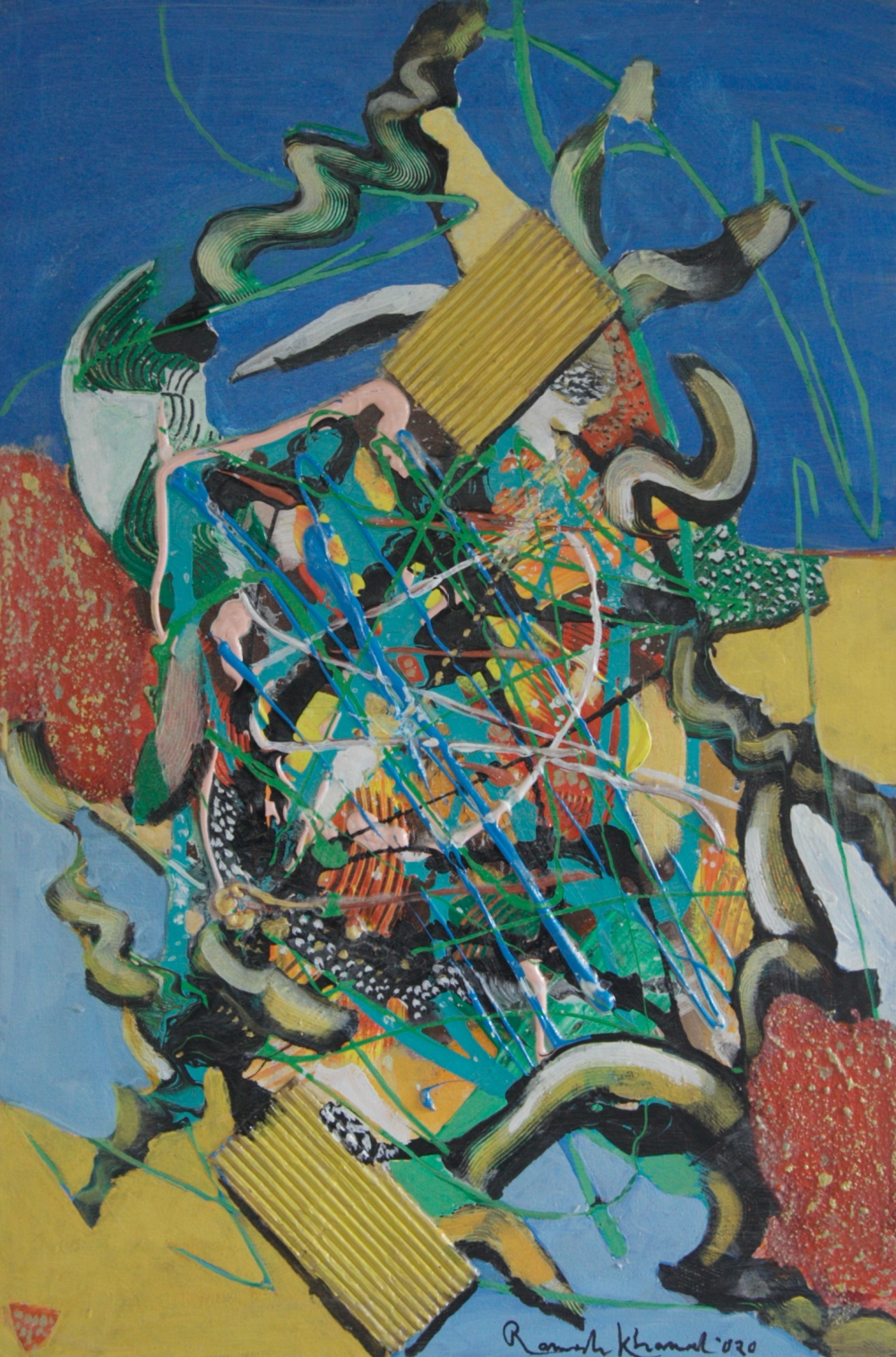
Kiran Manandhar’s ‘Mero Man Ka Kura’ appeals to the eye, as darker shades dominate the foreground fading away to lighter tones. Manandhar has made a name for himself as an artist of repute, and says abstract art is actually more real for him.
“The communication through the combination of colours, textures and forms stimulate emotion and evoke memories and moods, and that what gives me the energy to return again and again to this art form,” he adds.
Sushma Rajbhandari’s work also blends tradition and modernity while ‘Sacred Landscape’ by Binod Pradhan, ‘Snowy Granulation’ by NB Gurung and ‘Antardwandwa’ by Sangee Shrestha add heft to the exhibition.
Forms of Abstraction can be viewed as individual works, or seen as a collective creativity in Nepali modern art. Every artwork on display spread across multiple galleries tells different stories, each speaking differently to different audiences.
Roshan Mishra hopes the exhibition will make abstracts more accesisble: “There is minimal discussion around abstract art in Nepal. Paradoxically, the more people do not understand the paintings, the more successful the exhibition will be.”
Forms of Abstraction
Taragaon Next, Boudha
2 April - 24 May
10am-5:30pm